Shade and Water for a Shorthair on an Early Hunt
Oh, early season hunts with a German Shorthaired Pointer! It’s that time of year when the air still holds the warmth of summer, but the birds are finally fair game. Many of us, myself included, have learned the hard way that this beautiful overlap of seasons can be deceptively dangerous for our tireless Shorthairs. This guide is all about equipping you with the knowledge and strategies to ensure your energetic hunting partner stays safe, hydrated, and cool when the weather just isn't cooperating as much as we'd like.
Understanding the Early Season Heat Challenge
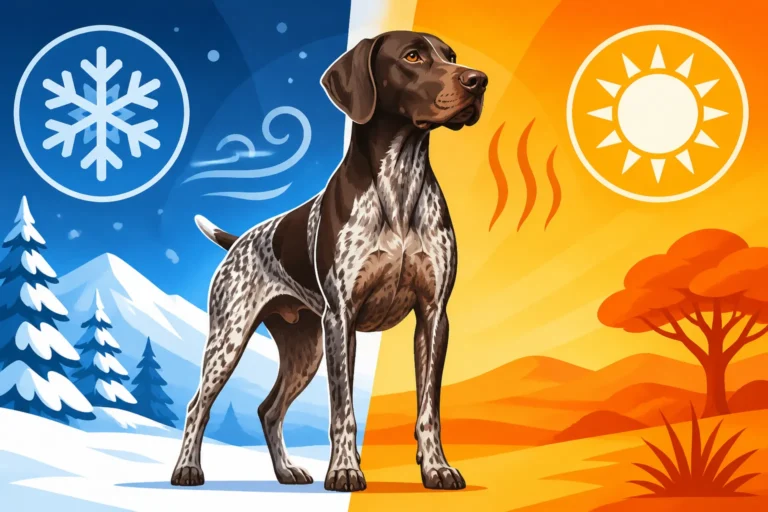
That crisp morning air can fool you, can't it? You step out, maybe a light jacket feels good, and your Shorthair is practically vibrating with excitement, ready to hit the field. But by 10 AM, that sun is beating down, and the temperature has soared. This is the classic trap of the early hunting season, and it’s a scenario where many German Shorthaired Pointers can quickly get into trouble. We often push ourselves and our dogs a little too hard, caught up in the thrill of the hunt, forgetting just how quickly conditions can change and how susceptible our athletic partners are to the heat.
The Deceptive Nature of Early Season Weather
You’ve been waiting all summer, and now that opening day is here, you just want to get out there. The excitement is palpable for both you and your dog. Maybe it’s September or early October, and while the morning felt cool, the sun quickly climbs, turning that pleasant chill into a sweltering furnace by mid-morning. Fields that were damp with dew become dry and radiating heat, and the cover your Shorthair loves to work through traps the warmth. It’s easy to underestimate, especially after a summer of relative inactivity for your hunting dog. This isn't just about high temperatures; it's about humidity, direct sun exposure, and the sheer exertion your dog is putting in.
Think about it: your Shorthair is running, pointing, and retrieving, often at a full gallop, pushing through dense cover. Their body is generating a tremendous amount of heat internally. If the external environment isn't helping them dissipate that heat, they're in for a tough time. We might feel a bit warm, but our dogs are wearing a fur coat and can only cool themselves effectively through panting and through the pads of their feet. They don't sweat over their whole body like we do. What feels like a "warm" day to us can quickly become a "hot" day for them, leading to potentially dangerous situations like Heat Exhaustion in an Early Season Shorthair.
Why Shorthairs Are Especially Vulnerable
German Shorthaired Pointers are incredible athletes, bred for endurance and a relentless work ethic. This very drive, while admirable, makes them particularly vulnerable to overheating. They often push themselves to the point of exhaustion, ignoring their body’s signals to slow down, all in the service of finding that next bird. Their short coats, while great for shedding burrs and drying quickly, offer little insulation against intense direct sun exposure. They also have minimal body fat, meaning they don't have extra reserves to draw upon when pushing their limits, and their metabolism is geared for high-octane performance.
Moreover, their deep chests, while great for lung capacity and running, can be a factor in conditions like bloat, which can be exacerbated by stress and overheating. A Shorthair's focus on the hunt is so intense that they often won't stop for water or rest unless you make them. It’s our responsibility to be their temperature gauge and their hydration monitor, ensuring they don't push past safe limits. They are truly built for speed and stamina, but that also means they generate a lot of internal heat that needs to be managed carefully, especially when the weather is still summer-like.
Strategic Hydration: More Than Just a Water Bowl
Hydration is paramount for any working dog, but for a German Shorthaired Pointer tearing across fields in early season heat, it's non-negotiable. Simply offering water at the truck isn't enough; you need a strategy to keep them topped up throughout the hunt. It’s not just about quantity, but about timing, accessibility, and sometimes, adding a little extra help.
Calculating Your Shorthair's Water Needs
Figuring out exactly how much water your Shorthair needs in the field can feel like a guessing game, but there are some good guidelines. A general rule of thumb for active dogs is about 0.5 to 1 ounce of water per pound of body weight per day. For a 60-pound Shorthair, that’s 30 to 60 ounces. On a hot, active hunting day, you should lean towards the higher end, or even beyond. This means carrying a significant amount of water with you – more than you think you’ll need. Don't rely on finding natural water sources, especially in dry early season conditions; they can be stagnant, contaminated, or simply non-existent.
Imagine a typical scenario: you’re out for a four-hour hunt. Your Shorthair might consume a liter or more of water during that time, easily. Factor in travel time and breaks, and you'll quickly realize how much water is truly necessary. A good practice is to bring double what you anticipate your dog will drink. It's better to carry extra than to find yourself in a desperate situation miles from your vehicle. Don't forget your own hydration needs either; if you're thirsty, your dog is likely beyond thirsty. If you're wondering how much to pack, consider our guide on Carrying Water for a German Shorthaired Pointer.
Smart Watering Techniques in the Field
Just having water isn't enough; you need to make sure your Shorthair actually drinks it, and at appropriate intervals. The key is frequent, small amounts rather than one huge gulp, which can contribute to the risk of bloat, a serious concern for deep-chested breeds. Every 15-20 minutes during active hunting, especially in warmer weather, you should call your dog in for a quick water break. Offer a small amount, let them drink, then move on. This keeps them consistently hydrated without overfilling their stomach.
Collapsible bowls are your best friend here. Brands like those found on Amazon offer a huge variety of lightweight, portable options that clip easily to your belt or vest. During a longer retrieve or a particularly intense point, when you’re both taking a breather, that’s an ideal time for a quick sip. Some owners even carry a small squirt bottle to offer water directly into their dog’s mouth on the go, which can be useful for quick sips to moisten a dry mouth without a full stop. Remember, it’s not just about preventing dehydration, it’s about maintaining optimal performance and safety.
Electrolytes and Hydration Aids
Sometimes, plain water isn't quite enough, especially on exceptionally warm days or during prolonged exertion. Just like human athletes, working dogs can benefit from electrolyte supplements. These products replace essential minerals lost through heavy panting and sweat (from their paw pads) and can help with water absorption and retention. They typically come in powders that you mix into water. Look for formulas specifically designed for dogs, available at pet supply stores or online retailers like Chewy.
Using electrolytes isn't about replacing water, but enhancing its effectiveness. They're a proactive measure, not a cure-all for a dehydrated dog. Introduce them slowly during training days to ensure your dog tolerates them well. Be cautious of over-supplementing; too much can upset their stomach. These can be particularly beneficial for Electrolytes for a German Shorthaired Pointer in the Field after a hard retrieve or during a mid-day break. Some high-quality kibbles, or fresh food diets from companies like Ollie, can also offer naturally higher moisture content and a better balance of nutrients, which contributes to overall hydration, but they don't replace the need for copious amounts of fresh water during activity.
Seeking and Creating Shade: Protecting Your GSP from the Sun
Direct sunlight, especially during the middle of the day, is a major contributor to overheating. While a German Shorthaired Pointer thrives on being outdoors, prolonged exposure to intense sun can quickly escalate their body temperature. Knowing how to leverage natural shade and when to create your own is crucial for early season safety.
Utilizing Natural Cover and Terrain
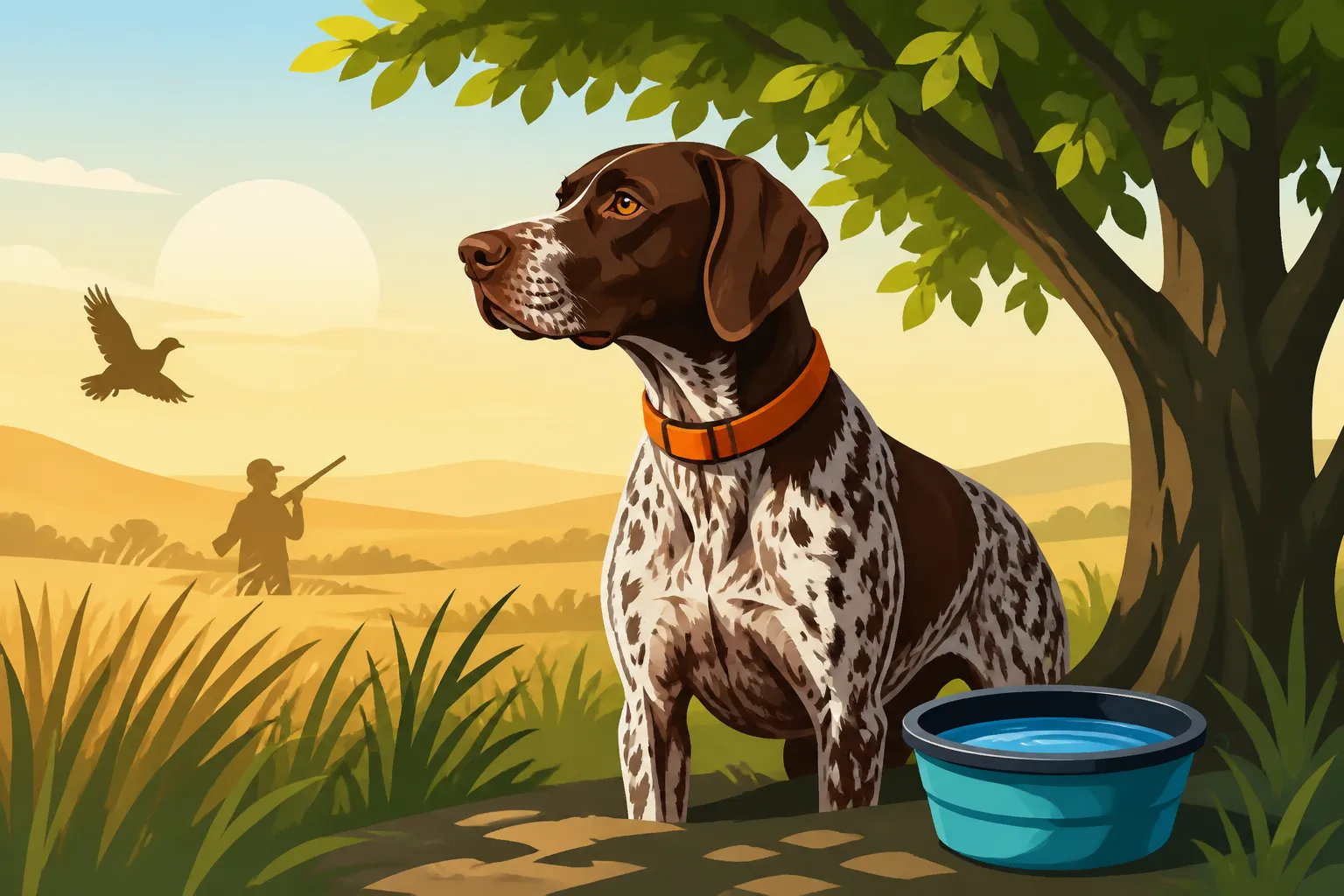
When planning your hunt, be mindful of the sun's position and the available natural cover. Hunting early in the morning or late in the afternoon can help you avoid the sun's peak intensity. If you're out during brighter hours, try to work fields that have hedgerows, tree lines, or dense brush that can offer respite. Even a thick stand of tall grass or cattails can provide a small degree of shade for a resting dog. After a hard run or a successful find, bring your dog to the shadiest spot you can find for their water break.
Consider the terrain. A dog running on black asphalt or dark soil will absorb more heat than one running on lighter-colored stubble or green grass. If possible, plan your route to incorporate shaded areas for breaks and transition times. Even for a quick minute or two, moving out of direct sun can make a significant difference in helping your Shorthair regulate their core temperature. This also means being mindful of your truck if you crate your dog in the bed; an open-air kennel in direct sun with no breeze can become an oven in minutes.
Portable Shade Solutions for the Field
Sometimes, natural shade just isn't an option, especially in wide-open agricultural fields or sprawling prairies. This is where portable shade solutions come into play. A simple pop-up canopy or even a large shade umbrella can be invaluable, particularly if you’re setting up a temporary base camp or need a shaded spot near your vehicle for rest breaks. These can be purchased from various outdoor retailers or even general online stores like Amazon.
For dogs that are particularly sensitive to heat or those with light-colored, exposed skin (especially on their noses or bellies), cooling vests can also be a game-changer. These vests work by absorbing water and then slowly releasing it through evaporation, creating a cooling effect on the dog's core. You simply wet them thoroughly, wring them out, and put them on your Shorthair. While they won't prevent overheating entirely if conditions are extreme, they offer an extra layer of protection and can make a warm day much more tolerable. Whether a Cooling Vest Helps a Shorthair in September is a good read if you're on the fence about them. Some owners even utilize lightweight, breathable blankets or tarps to create makeshift shade over their dog boxes in the truck bed, ensuring proper ventilation while blocking direct sun.
Knowing When to Cut the Hunt Short
This is perhaps the hardest lesson for any passionate hunter to learn, especially with a dog that never wants to quit. But knowing when to pack it in is absolutely critical for your German Shorthaired Pointer's safety. Pay close attention to the ambient temperature and humidity, and more importantly, to your dog's behavior. If it’s above The Temperature a German Shorthaired Pointer Should Not Hunt In, even with shade and water, you need to exercise extreme caution.
Look for subtle changes in your Shorthair: a slightly wider stance, more persistent panting even during rest, or a lack of their usual bounce. If your dog starts lagging behind, seems less enthusiastic, or is actively seeking out shade on their own, these are huge red flags. It’s far better to end the hunt early, enjoy a cool drink with your dog, and live to hunt another day, than to push them to the point of heatstroke. No bird is worth risking your dog's life. Trust your gut; if you're starting to feel too hot, your Shorthair is likely already struggling.
Recognizing and Responding to Heat Stress
Even with the best precautions, accidents can happen. It’s absolutely vital for every German Shorthaired Pointer owner, especially those who hunt or engage in high-energy activities, to recognize the signs of heat stress and know how to respond quickly and effectively. Minutes can make a difference between a full recovery and a tragic outcome.
Subtle Signs of Overheating
German Shorthaired Pointers are stoic and driven, often hiding discomfort until it's severe. This makes it especially challenging to catch early signs of overheating. Don't wait for obvious collapse; be vigilant for these more subtle cues. Increased, frantic panting that doesn't subside with rest is a major indicator. Their gums might appear darker red or even purplish. Their eyes might look glassy or dull, and they might appear disoriented, even stumbling slightly.
Other signs include excessive drooling (sometimes thick and ropey), a reluctance to move, or a change in their typical demeanor – perhaps more irritable or withdrawn than usual. They might even try to vomit, though often unsuccessfully. Signs a Shorthair Is Overheating in the Field elaborates on these symptoms. If you see any of these, even minor ones, stop the activity immediately. Move your dog to shade, offer water, and begin cooling efforts. Early intervention is key.
Emergency Cooling Methods
If you suspect your Shorthair is overheating, immediate action is paramount. Your primary goal is to lower their core body temperature quickly but safely.
Here's a step-by-step approach:
- Move to Shade Immediately: Get your dog out of direct sunlight and into the coolest, shadiest spot you can find.
- Offer Water (Small Sips): Offer small amounts of cool (not ice-cold) water. Don't let them gulp large quantities, especially if they're showing signs of Water Intoxication in a Retrieving German Shorthaired Pointer or are at risk for bloat.
- Apply Cool Water: Wet your dog thoroughly, focusing on the head, neck, armpits, and groin area where major blood vessels are close to the surface. Do not use ice water, as it can constrict blood vessels and hinder cooling. Cool tap water, or even room-temperature water if nothing else is available, is fine. A hose or pouring water from a bottle works.
- Increase Airflow: If possible, place your dog in front of a fan or car AC to help with evaporative cooling.
- Monitor Temperature (If Possible): If you have a rectal thermometer, aim to get their temperature down to around 103°F (39.4°C). Once it reaches this point, stop active cooling to prevent overcooling (hypothermia).
- Seek Veterinary Attention: Even if your dog seems to recover quickly, a trip to the vet is crucial. Heatstroke can cause internal organ damage that isn't immediately apparent. Your vet will need to check for kidney damage, bleeding disorders, and other complications. Explain exactly what happened and what cooling measures you took. For more detailed instructions on what to do, refer to Getting a Shorthair's Temperature Down After a Run.
A useful table outlining the stages and responses to heat stress:
| Stage of Heat Stress | Signs to Watch For | Immediate Action Required |
|---|---|---|
| Mild Heat Stress | Increased panting, slightly darker gums, seeking shade | Stop activity, move to shade, offer small sips of cool water. |
| Moderate Heat Stress | Persistent heavy panting, excessive drooling, lethargy, stumbling | Stop activity, move to shade, pour cool water on body, offer sips, call vet. |
| Severe Heatstroke | Collapse, vomiting, seizures, unresponsive, brick-red/purple gums | Emergency Vet Immediately. Apply aggressive cooling, ensure open airway. |
Remember, your German Shorthaired Pointer is a partner, not just a tool. Their well-being in the field is your responsibility, and being prepared for early season heat is one of the most important ways you can ensure many happy, safe seasons together.
Disclaimer
This article is for general informational purposes only and does not constitute professional advice. Laws, prices and regulations vary by location and change over time. Consult a qualified professional for guidance on your specific situation.