Whether a German Shorthaired Pointer Mix Still Points
A German Shorthaired Pointer mix may freeze, stalk, or point at birds—but mixed ancestry does not guarantee the full pointing instinct or a reliable hunting dog. That uncertainty can be frustrating when a young dog suddenly locks onto a pigeon in the yard. This guide explains what pointing can look like in a mix, what affects it, and how to encourage useful behavior safely.
Can a German Shorthaired Pointer Mix Point
Yes. A mixed-breed dog with German Shorthaired Pointer ancestry may point, and some mixes show the behavior strongly. Pointing is an inherited hunting behavior: the dog detects a scent or sees potential quarry, then pauses and indicates its location, often by holding its body still with its nose directed toward the source.
But ancestry is only part of the picture. A dog’s behavior reflects the combination of traits it inherits, its early experiences, its environment, and what it has learned. Even puppies in the same litter can show different levels of interest in birds and scent.
What pointing looks like
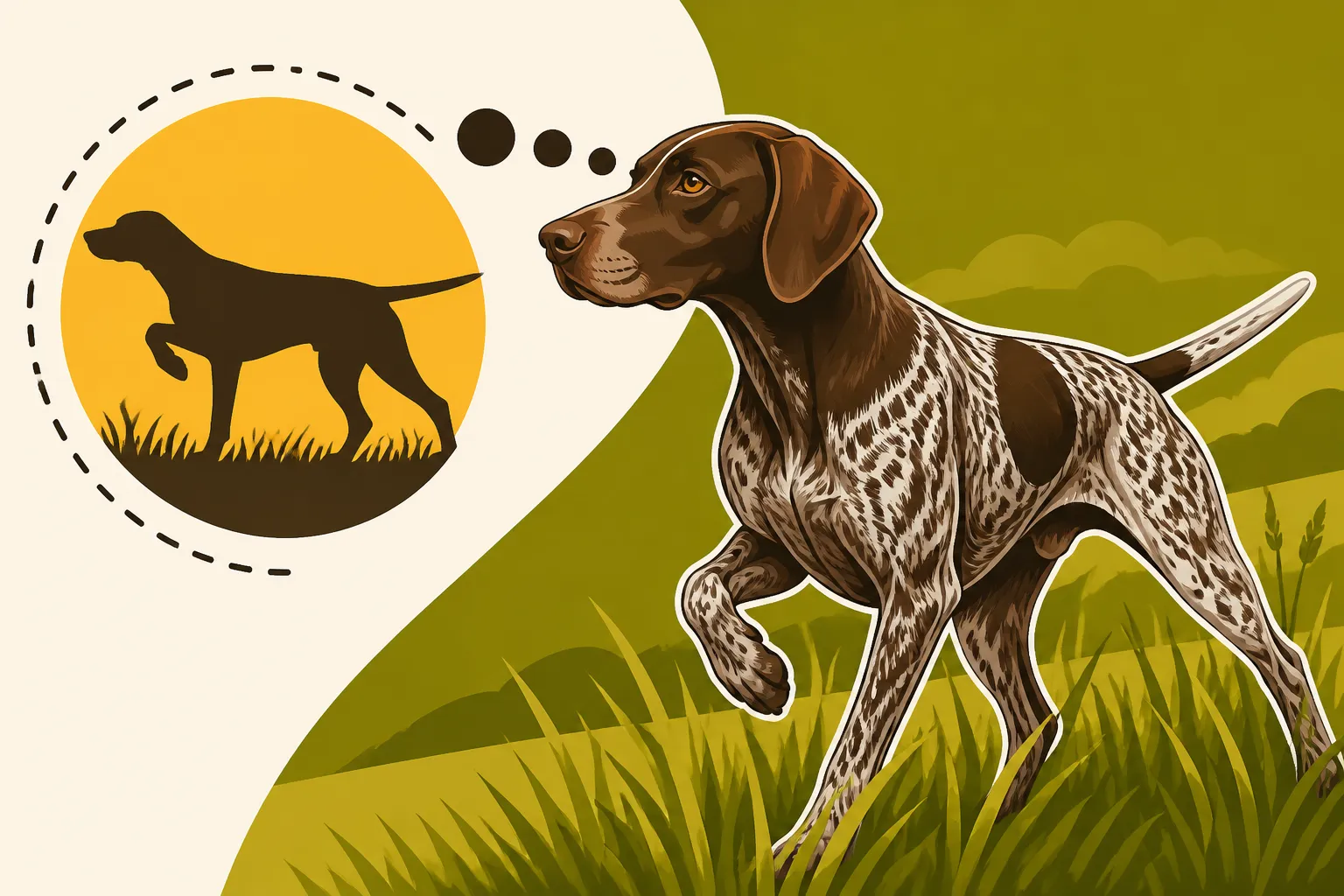
A point is usually more than a dog briefly staring at something. The dog may slow down, become still, lift a front paw, lean forward, and hold its nose toward a bird or scent source. Some dogs keep their tail level or stiffen it, while others show less dramatic body language. Not every point looks like the classic pose you might see in a field trial.
The dog may point a live bird, a bird’s scent, or something that only resembles prey to it. A puppy that freezes while watching a sparrow can be showing an early hunting response, but that moment alone does not tell you whether the dog will develop a steady, trained point. Likewise, a dog that sniffs around a bird and then rushes after it may have plenty of prey interest without yet showing a clear point.
It helps to distinguish pointing from other behaviors. A dog may pause because it is startled, unsure, or watching movement. A dog may also crouch and stalk, which can look purposeful but is not necessarily a sustained point. Look for a repeatable pattern: the dog notices a bird or scent, slows or stops, and holds its attention in a focused way.
Why a mix may point differently
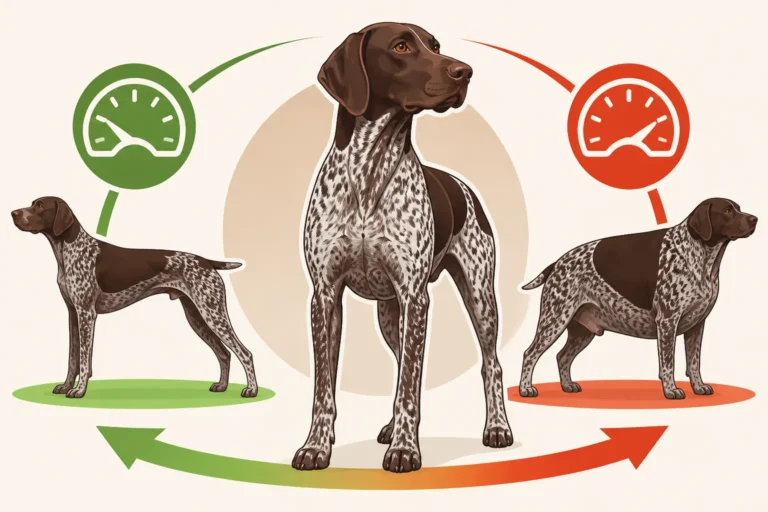
A mixed dog inherits a unique blend of traits, not a predictable half-and-half package of behavior. Its other ancestry may contribute different levels of scent interest, persistence, chase instinct, or responsiveness to people. Even when both parents have hunting backgrounds, puppies can vary in how strongly they show those tendencies.
There is also a difference between natural inclination and trained performance. A dog may point instinctively but move as soon as the bird moves. Another may have a softer, less obvious point that becomes clearer with experience. Training can build control and communication, but it cannot guarantee a particular level of inherited drive or make every dog suitable for hunting.
For a broader look at what ancestry can and cannot predict, see Whether a Shorthair Mix Inherits the Energy and Whether a German Shorthaired Pointer Mix Still Points is a question worth considering alongside a dog’s individual temperament, not just its appearance.
What Affects Pointing in a Shorthair Mix
Pointing behavior develops through a mix of inheritance, age, opportunity, and learning. A dog that has never encountered birds may not have had a chance to show much interest. Conversely, a dog that frequently chases backyard birds may be expressing prey interest without learning to pause and hold its position.
Genetics, age, and early experience
A puppy can show signs of pointing early, but young-dog behavior is still developing. One brief freeze or paw lift is an interesting clue, not a final verdict. Interest may become more obvious as the dog matures and gains experience using its nose. It can also vary with the situation: a dog might point in a quiet field but ignore birds when excited, tired, or distracted.
The kind of exposure matters, too. Seeing a bird at a distance is different from encountering its scent in cover. A dog that mostly watches pigeons from a window may show fascination but have little experience finding birds by scent. Safe, gradual exposure can help you learn what interests your dog without overwhelming it or encouraging unsafe chasing.
A dog’s breed mix can be unclear, particularly when its history is unknown. Appearance alone is not a reliable way to confirm ancestry or predict hunting ability. If you adopted your dog, pay attention to its behavior and needs as they are, rather than assuming it will perform like a purebred working Shorthair.
Pointing is not the same as a finished hunting dog
A dog that points has shown a behavior; it has not automatically learned the skills needed for a controlled hunt. A working dog may need to search an area, respond to a handler, remain steady when a bird moves, tolerate gunfire, retrieve, and stay safe in the field. Those abilities require appropriate training and, for some dogs, may not be a good fit.
It is especially important not to introduce gunfire casually. A loud sound near a dog that is focused on a bird can create fear or confusion. Gun introduction should be gradual and handled by someone who understands the process. If your main interest is helping your dog enjoy outdoor activities, it may be enough to encourage recall, leash skills, scent games, and calm observation instead.
For context on the breed’s broader working abilities, read Pointing, Retrieving and Tracking in One Shorthair. If you are unsure whether hunting is necessary for a contented companion, Whether a German Shorthaired Pointer Needs to Hunt to Be Happy discusses other ways to meet a dog’s needs.
| What you notice | What it may mean | A useful next step |
|---|---|---|
| The dog pauses and holds its nose toward a bird | Possible pointing behavior | Observe quietly and note what happened before and after |
| The dog stares, then chases immediately | Prey interest, but not necessarily a held point | Practice recall and calm leash handling |
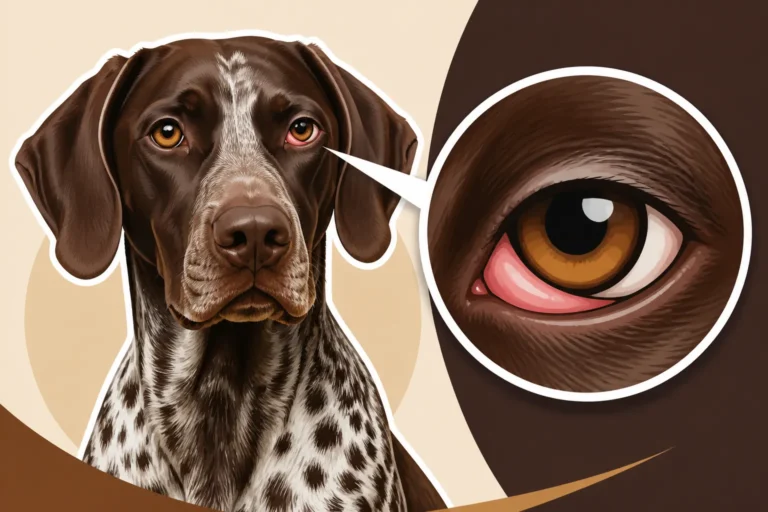
| The dog freezes when startled | Uncertainty or surprise may be involved | Give the dog space and watch for a repeatable pattern |
| The dog follows scent with its nose down | Scent interest that may or may not lead to pointing | Try simple, low-pressure scent games |
| The dog points sometimes but breaks when the bird moves | An early or unsteady response | Avoid forcing a hold; seek experienced, humane guidance if field training is a goal |
How to Encourage Pointing Without Rushing Your Dog
If your dog shows interest in birds, the best first step is patient observation. Trying to make a dog point on command before you understand its natural behavior can create frustration for both of you. Keep early experiences calm, reward useful attention, and build basic control away from birds.
Observe before you train
When your dog notices a bird, avoid shouting or rushing toward it. Watch the dog’s posture and the sequence of events. Does it slow down before stopping? Does it hold its position, or does it immediately lunge? Does the behavior happen around different birds and in different settings, or only once in a highly exciting moment?
A short note on your phone can help you spot patterns over time. Record the setting, distance, wind, the dog’s body language, and what happened next. This can be more useful than relying on a single dramatic moment that may have been caused by surprise or excitement.
Keep your dog leashed or in a secure, permitted area around wildlife. Chasing birds can put the dog at risk from roads, fences, and unfamiliar terrain, and may disturb wildlife. If you want to explore bird work, find a reputable trainer or local pointing-dog club that uses safe, humane methods and can assess your dog in person.
Build the foundation first
A dependable recall and the ability to settle are valuable whether your dog becomes a hunting companion or simply enjoys sniffing on walks. Start in a quiet place with few distractions. Reward your dog for checking in, coming when called, and turning away from interesting sights. Gradually practice around greater distractions without setting the dog up to fail.
You can also encourage natural scenting through low-pressure games. Hide a familiar toy or a few pieces of food in an easy-to-search area, then let your dog use its nose to find them. Keep sessions short and enjoyable. These games are not a substitute for bird training, but they give your dog a safe outlet for exploring scent and learning to work with you.
If bird training is your goal, do not assume that more exposure is always better. Too much excitement, poorly managed birds, or pressure to hold a point can cause confusion. A skilled trainer can help decide whether your dog is ready for the next step. For a general introduction to the process, see The First Live Bird for a German Shorthaired Pointer and Whether a Shorthair Points Naturally Without Training.
When Pointing Is Unreliable or Your Goal Is Different
Not every Shorthair mix will point, and not every dog that points will enjoy formal hunting work. That does not mean you have a failed hunting dog or a disappointing companion. It means your dog is an individual, and your activities should suit its behavior, health, and comfort.
If your dog chases instead of holding a point
A dog that rushes birds may have strong interest but little impulse control, or it may simply prefer chasing. Don’t punish the dog for showing interest in wildlife. Instead, manage distance and practice recall in easier settings. If the chase happens off leash, use a leash or long line where appropriate and permitted until you have reliable control.
For some dogs, the practical goal is not to produce a formal point. You may want a dog that enjoys field walks, scent games, or retrieving toys while staying responsive to you. If you are hoping to reduce the distance your dog covers while searching, Teaching a Shorthair to Quarter in Front of You covers a related field skill. If the dog bumps birds by rushing in, A Shorthair That Bumps Birds Instead of Pointing can help you understand that behavior.
When you buy equipment for outdoor training, choose it for the dog and the activity rather than assuming a particular item will fix the behavior. A well-fitted leash, a long line for controlled practice, and visible identification can make outings easier to manage. Chewy may be one place owners look for routine walking or training supplies; check product details carefully for fit, durability, and intended use.
If you are choosing a mix or planning a lifestyle
If you have not brought a dog home yet, avoid choosing a puppy based only on the hope that it will point. Ask about the parents’ behavior, the puppies’ early experiences, and the breeder’s or rescue’s observations, while remembering that no one can promise exactly how an individual puppy will develop. Meeting adult dogs from similar lines may offer useful context, but it is not a guarantee.
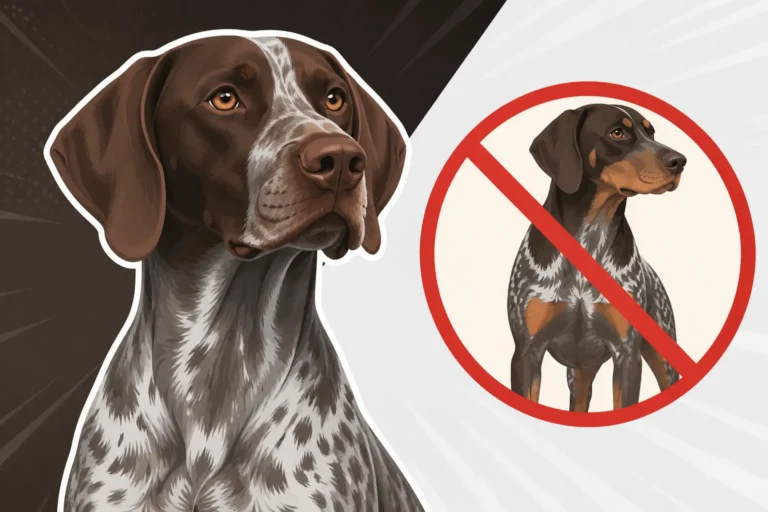
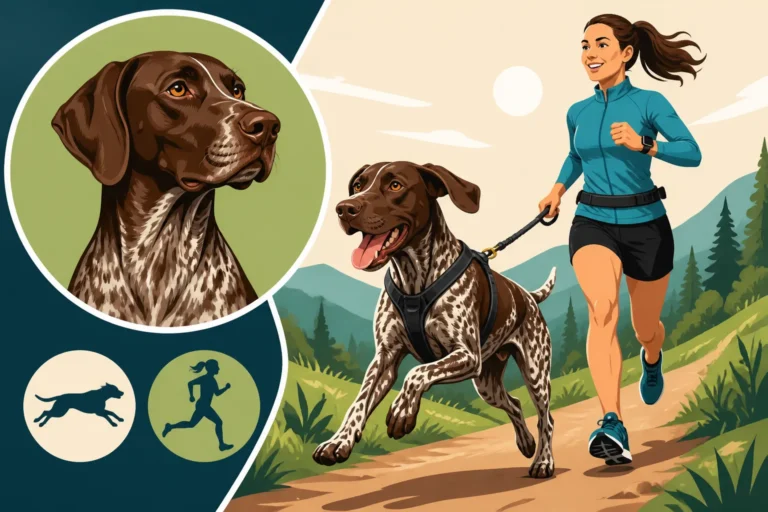
Think honestly about what you want the dog to do every week. A dog with Shorthair ancestry may need substantial exercise, company, training, and mental engagement even if it never hunts. If you are looking for a running partner rather than a bird dog, Whether a Shorthair Works as a Running Partner Instead is a useful related read. If you’re comparing a mix with other dogs that look similar, Whether a Shorthair Is Mistaken for a Pointer Mix explores the confusion that can arise from appearance alone.
For a pet home, the measure of success is not whether the dog holds a perfect point. It is whether you understand what excites your dog, provide suitable outlets, and keep it safe and responsive. Chewy can be a convenient place to browse everyday enrichment or walking items, but training needs vary, so choose gear that fits the dog’s size and your actual routine. For example, a scent-game toy may suit rainy-day practice, while outdoor bird exposure calls for secure handling and careful supervision.
A German Shorthaired Pointer mix can point, but the behavior may be brief, inconsistent, or absent. Watch your dog’s individual signals, build reliable basics, and seek experienced help if you want to develop field skills. Chewy may also carry general supplies for at-home enrichment, though no product can replace thoughtful training or an appropriate assessment of your dog.
Disclaimer
This article is for general informational purposes only and does not constitute professional advice. Laws, prices and regulations vary by location and change over time. Consult a qualified professional for guidance on your specific situation.