The Five Tests Behind a German Shorthaired Pointer CHIC Number
Bringing a German Shorthaired Pointer into your life is an exciting adventure, but if you're like many prospective owners, you might find yourself navigating a confusing landscape of health guarantees, breeder claims, and acronyms like OFA and CHIC. It's truly disheartening to invest your heart and resources into a puppy, only to face unexpected and preventable health crises down the road. This comprehensive guide is here to demystify the Canine Health Information Center (CHIC) program, focusing specifically on the five essential health tests a German Shorthaired Pointer must undergo to achieve a CHIC number, empowering you to make informed decisions and truly understand the commitment behind responsible breeding.
What Exactly Is a CHIC Number and Why Does It Matter So Much?
When you’re looking for a German Shorthaired Pointer, whether for hunting, competition, or simply as a beloved family companion, the phrase "health tested parents" is often thrown around. But what does that really mean, and how can you verify it? This is where the CHIC program steps in, providing a standardized, verifiable measure of a breeder's commitment to the long-term health of their lines.
Understanding the Canine Health Information Center
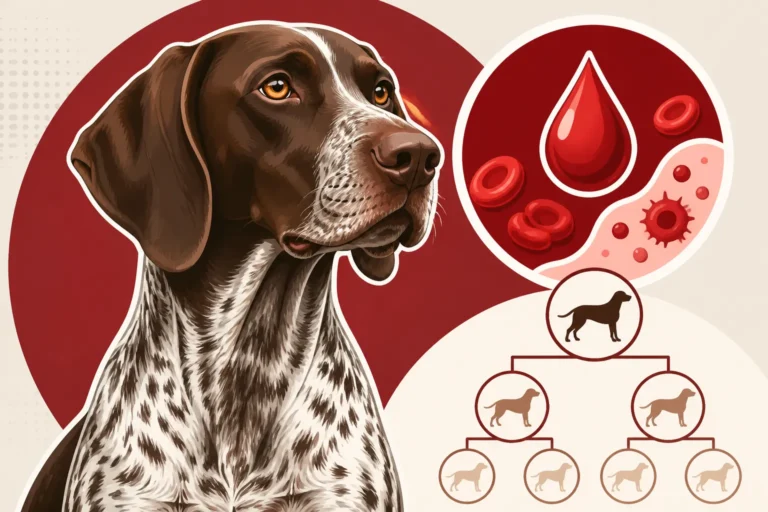
The Canine Health Information Center (CHIC) is a health database co-sponsored by the Orthopedic Foundation for Animals (OFA) and the AKC Canine Health Foundation. Its main goal is to collect and maintain health screening results for individual dogs, making them publicly accessible. This transparency is absolutely crucial for improving breed health. A dog receives a CHIC number when it has undergone all the health screenings recommended by its parent club (in this case, the German Shorthaired Pointer Club of America) and those results, regardless of whether they are "pass" or "fail", are made public.
It’s easy to get lost in the jargon, but the core idea is simple: a CHIC number signifies that a breeder has been transparent and thorough. It’s not just about "passing" tests; it’s about participating in the health conversation for the breed. For many hopeful GSP owners, the frustration of trying to discern truly reputable breeders from those just saying the right things can be immense. The CHIC program cuts through that noise, offering concrete proof of health screening efforts.
Why Health Testing Matters for German Shorthaired Pointers
German Shorthaired Pointers are magnificent athletes, renowned for their boundless energy, intelligence, and versatility. They are bred to run, point, and retrieve, often working in challenging terrain and weather conditions. Given their active lifestyle, inherited conditions that affect their musculoskeletal system, vision, or general health can be particularly devastating, severely impacting their working ability and overall quality of life. Imagine a dog bred for the field, suffering from debilitating hip pain at a young age—it's heartbreaking for both the dog and its owner.
Responsible health testing isn't just about avoiding a "bad" puppy; it's about actively working to improve the breed as a whole. By screening for prevalent genetic diseases, breeders can make informed decisions about which dogs to breed, slowly but surely reducing the incidence of these conditions in future generations. This proactive approach helps ensure that the German Shorthaired Pointers we welcome into our homes are as healthy and sound as possible, giving them the best chance at enjoying The Twelve to Fourteen Years a German Shorthaired Pointer Gets they deserve. It's a testament to a breeder's long-term vision and care, aiming to spare families the anguish and significant financial strain of managing preventable genetic illnesses.
The Essential Five Health Tests for a German Shorthaired Pointer's CHIC Number
To earn that coveted CHIC number, a German Shorthaired Pointer must pass a specific battery of five health tests, endorsed by the German Shorthaired Pointer Club of America. These tests target the most common and impactful genetic conditions seen in the breed. Let’s dive into each one.
Hip Dysplasia Evaluation (OFA or PennHIP)
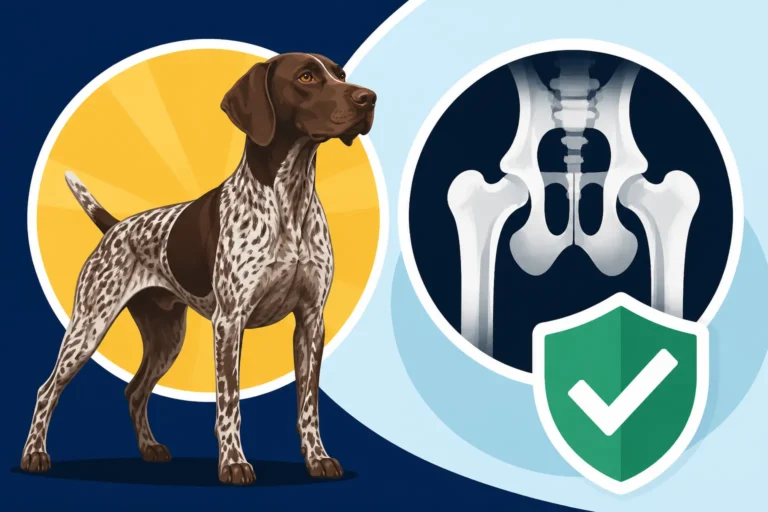
Hip dysplasia is perhaps one of the most well-known and feared orthopedic conditions in larger, active breeds like the German Shorthaired Pointer. It’s a complex, multi-factorial disease characterized by the abnormal development of the hip joint, where the ball (femoral head) and socket (acetabulum) don't fit together properly. This misalignment leads to friction, wear and tear, and eventually, painful arthritis. For a dog that lives to run and hunt, this can be absolutely devastating.
The most common method for evaluating hip health is through the Orthopedic Foundation for Animals (OFA). For OFA certification, radiographs (X-rays) of the dog's hips are taken at a minimum age of 24 months, then submitted to a panel of three independent veterinary radiologists. These experts evaluate the X-rays for various criteria and assign one of seven ratings: Excellent, Good, Fair (all considered "passing" or non-dysplastic), Borderline, Mild, Moderate, or Severe (the last three indicating hip dysplasia). It’s crucial that these X-rays are taken under sedation to ensure proper positioning, which can significantly influence the accuracy of the reading. It's worth noting that while a "Fair" rating is still considered acceptable for breeding by OFA, many discerning breeders strive for "Good" or "Excellent" in their breeding stock. Understanding these nuances is vital when looking into Hip Dysplasia in a Hard Running German Shorthaired Pointer for breeding animals.
Alternatively, some breeders opt for PennHIP evaluation, a different radiographic technique that can be performed as early as 16 weeks of age. PennHIP focuses on measuring the laxity (looseness) of the hip joint, which is a key indicator of future hip dysplasia risk. Unlike OFA's subjective ratings, PennHIP provides a quantitative score (a distraction index) that compares the dog's hip laxity to that of other dogs within the same breed. Both methods provide valuable information, but PennHIP's ability to assess risk earlier can be a significant advantage for breeders looking to make earlier, more informed decisions about their potential breeding stock.
Elbow Dysplasia Evaluation
Alongside hip dysplasia, elbow dysplasia is another significant orthopedic concern for German Shorthaired Pointers and is a mandatory CHIC test. This condition encompasses several developmental abnormalities that can occur in the elbow joint, leading to pain, lameness, and arthritis. It's also a multi-factorial disease, influenced by genetics, nutrition, and environmental factors, making screening critical.
Similar to hip evaluations, OFA is the standard for elbow dysplasia screening. X-rays of the elbows are taken and submitted to OFA, again, at a minimum age of 24 months. The elbows are graded as either "Normal" or assigned one of three grades of dysplasia (Grade I, II, or III), with Grade III being the most severe. Even subtle signs of elbow dysplasia can significantly impact a GSP's comfort and ability to perform their duties in the field or enjoy vigorous exercise. An otherwise energetic GSP might mask mild discomfort, making regular veterinary check-ups and stringent breeder screening even more important. Learning about Elbow Scores on a German Shorthaired Pointer is an excellent way to prepare for discussing these results with breeders.
The impact of elbow dysplasia on an active German Shorthaired Pointer cannot be overstated. A dog experiencing chronic elbow pain will struggle with running, jumping, and retrieving, ultimately diminishing their quality of life. The commitment to screening both hips and elbows reflects a deep understanding of the breed's physical demands and a dedication to producing dogs that can live full, active lives without preventable orthopedic pain.
Eye Examination (ACVO)
Eye health is paramount for any dog, but especially for a German Shorthaired Pointer, whose keen vision is an asset in the field and an integral part of their active life. The CHIC program requires an annual eye examination by a board-certified veterinary ophthalmologist (ACVO). This isn't a one-time test; conditions can develop later in a dog's life, which is why annual re-examination is so important.
During an ACVO exam, the specialist thoroughly inspects all parts of the eye—from the eyelids and cornea to the lens and retina—looking for any signs of inherited eye diseases. This can include conditions like entropion (inward-rolling eyelids), ectropion (outward-rolling eyelids), cataracts, and various forms of retinal degeneration. While specific forms of progressive retinal atrophy (PRA) might have separate DNA tests (like cone degeneration, which we'll discuss later), the ACVO exam provides a comprehensive overview of the dog's ocular health and can catch a wide range of issues. Understanding what goes into Reading a German Shorthaired Pointer's Eye Certificate will help you appreciate the thoroughness of this annual screening.
The goal of these regular eye exams is to identify any potential problems before they become severe, and more importantly, to prevent the breeding of affected individuals who could pass on genetic predispositions to their offspring. Ensuring clear vision not only preserves a GSP's ability to hunt and play but also contributes significantly to their overall well-being and safety in various environments.
Cardiac Evaluation
Heart health is another critical component of the CHIC panel for German Shorthaired Pointers, particularly due to the breed's predisposition to certain cardiac conditions. Among these, subaortic stenosis (SAS) is of particular concern. SAS is a congenital heart defect characterized by a narrowing (stenosis) of the outflow tract from the left ventricle of the heart, just below the aortic valve. This narrowing forces the heart to work harder to pump blood, which can lead to a heart murmur, heart failure, and in severe cases, sudden death, often in young, seemingly healthy dogs. Learning about Subaortic Stenosis in a Young German Shorthaired Pointer can be quite sobering, highlighting the importance of this screening.
The minimum requirement for a CHIC number in GSPs is a cardiac examination, which involves auscultation (listening to the heart with a stethoscope) performed by a board-certified veterinary cardiologist. A general practitioner who has completed specific advanced training in cardiac auscultation may also perform the initial screening. The goal is to detect any heart murmurs that might indicate an underlying structural heart disease. If a murmur is detected, further diagnostics, typically an echocardiogram (an ultrasound of the heart), are strongly recommended to determine the cause and severity of the condition. While a clean auscultation by a cardiologist is acceptable for CHIC, many dedicated breeders will opt for an echocardiogram, especially for breeding stock, to get the most detailed picture of their dog's heart health. Understanding The Heart Murmur a German Shorthaired Pointer Puppy Can Carry is vital for any GSP owner, as early detection can make a significant difference.
Ensuring sound cardiac health is especially important for German Shorthaired Pointers, given their high energy levels and strenuous activities. A dog with an undetected heart condition might appear healthy but could be at risk during intense exercise. These cardiac evaluations offer peace of mind and contribute directly to the longevity and active life of your GSP.
Thyroid Evaluation
The thyroid gland plays a crucial role in regulating metabolism, energy levels, and overall health. Hypothyroidism, an underactive thyroid gland, is an inherited condition that can affect German Shorthaired Pointers. When the thyroid doesn't produce enough hormones, it can lead to a wide range of clinical signs, including lethargy, weight gain (even in an active GSP!), hair loss, a dull coat, cold intolerance, and even behavioral changes. For a breed known for its boundless energy and sleek coat, these symptoms can be quite striking and debilitating. If you notice your usually vibrant GSP suddenly slowing down or developing a peculiar coat, it's certainly worth investigating. This relates directly to concerns around Thyroid Failure in a Middle Aged German Shorthaired Pointer.
The CHIC program requires a thyroid evaluation, typically conducted through a blood test. The OFA provides a specific thyroid panel that assesses several key markers: T4 (total thyroxine), Free T4 (free thyroxine), TSH (thyroid-stimulating hormone), and Thyroglobulin Autoantibodies (TgAA). The presence of TgAA can indicate autoimmune thyroiditis, which is the most common cause of acquired hypothyroidism in dogs. These tests help determine if the thyroid gland is functioning properly and if there's any evidence of an autoimmune process that could lead to hypothyroidism.
Screening for thyroid disease is vital not only for the individual dog's health but also for breeding decisions. Identifying affected or at-risk individuals allows breeders to make informed choices, aiming to reduce the incidence of hypothyroidism in future generations and preserve the breed's characteristic vitality and robust health.
Beyond the Essentials: Other Important Health Screenings for GSPs
While the five tests listed above are the mandatory requirements for a German Shorthaired Pointer to receive a CHIC number, responsible breeders often go above and beyond, incorporating additional tests into their health screening protocols. These extra layers of scrutiny further enhance the chances of producing healthy puppies and address other genetic predispositions within the breed.
Cone Degeneration DNA Test
One of the most valuable "extra" tests for German Shorthaired Pointers is the DNA test for Cone Degeneration (CD). While not currently a required CHIC test for all GSPs, it is highly recommended and sometimes included by parent clubs as a recommended optional test. Cone degeneration is an inherited eye disease that specifically affects the cones, the photoreceptor cells in the retina responsible for day vision and color perception. Dogs affected with CD develop "day blindness," meaning they struggle to see in bright light and can become disoriented or anxious when outdoors on sunny days. They might bump into objects, refuse to enter bright areas, or seem hesitant during daylight hours, while their night vision remains relatively normal.
The great news is that there's a reliable DNA test available for cone degeneration. This test can identify whether a dog is "clear" (meaning they don't carry the gene), a "carrier" (meaning they carry one copy of the gene but won't be affected themselves), or "affected" (meaning they have two copies of the gene and will develop day blindness). Breeders can use this information to ensure that two carriers are never bred together, thereby preventing the birth of affected puppies. If you're looking for a German Shorthaired Pointer puppy, especially one intended for field work, asking about CD testing is a smart move. Further information can be found in Cone Degeneration and the Shorthair DNA Test for It.
This proactive DNA testing offers invaluable insight, allowing breeders to make incredibly precise decisions that eliminate the risk of producing offspring with this specific, impactful visual impairment.
Von Willebrand's Disease Testing
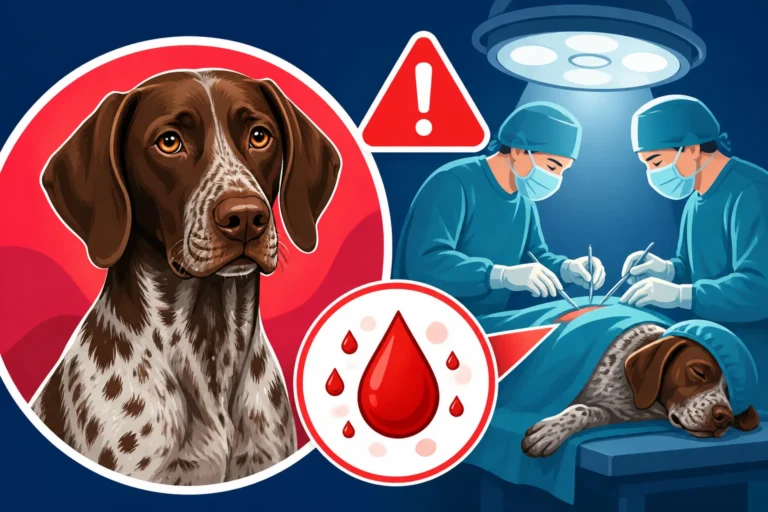
Von Willebrand's Disease (vWD) is an inherited bleeding disorder that affects several dog breeds, including some lines of German Shorthaired Pointers. It's caused by a deficiency in von Willebrand factor, a protein necessary for normal blood clotting. Dogs with vWD may experience excessive bleeding after injuries, surgery (like spaying or neutering), or even seemingly minor trauma. Symptoms can range from easy bruising and nosebleeds to prolonged bleeding during or after surgical procedures. For an active dog that might face Field Injuries a Hunting German Shorthaired Pointer Comes Home With, knowing their vWD status is incredibly important.
There are different types of vWD, and while Type II is the one primarily identified in GSPs, testing for the presence of the gene is crucial. DNA tests are available to identify "clear," "carrier," and "affected" dogs. A "carrier" dog typically doesn't show clinical signs but can pass the gene to its offspring. An "affected" dog will have the disease. Testing is particularly important for breeding animals to avoid producing affected puppies and also for any GSP that will undergo surgery, as prophylactic measures can be taken to minimize bleeding risks. Exploring The Bleeding Disorder in German Shorthaired Pointer Lines can offer more detailed insights into this condition.
While not as widespread in GSPs as in some other breeds like Doberman Pinschers, vWD testing represents another layer of responsible breeding, ensuring that dogs are not put at unnecessary risk during routine veterinary procedures or in the event of an accident.
Considerations for Working Lines
For German Shorthaired Pointers whose destiny lies in the field, working tirelessly through dense cover, navigating challenging terrain, and plunging into icy waters, health screening extends beyond just genetic predispositions. The sheer physical demands placed on these dogs mean that comprehensive musculoskeletal soundness is absolutely paramount. While hips and elbows are covered by CHIC, breeders of working lines often pay close attention to overall structure and soundness, including shoulder, knee, and even toe health. They look for dogs that are built for endurance and resilience.
The relentless drive and stoic nature of many GSPs can often mask pain or subtle lameness, making it incredibly difficult for owners to spot issues until they become severe. This is why a keen eye from both the owner and the veterinarian is essential throughout a working dog's life. Beyond genetic tests, breeders and owners of working GSPs consider conditioning programs, proper nutrition, and immediate attention to any injury. Even with the best genetic health, unexpected injuries like torn cruciates or muscle strains can occur in the field. This is precisely where a robust pet insurance plan, like one from Healthy Paws, can provide immense relief, helping cover unforeseen veterinary costs for accidents and illnesses that can arise despite all proactive health efforts.
The dedication to maintaining How Long a Working German Shorthaired Pointer Stays Sound means considering every aspect of their health, from inherited traits to the wear and tear of a hard-working life. A truly responsible breeder will discuss not just the CHIC tests, but also their personal observations of soundness and longevity in their lines, acknowledging that a dog's working career depends on total physical integrity.
Deciphering Health Results and Breeding Responsibly
Understanding that a German Shorthaired Pointer has a CHIC number is a fantastic starting point, but it's important to look a little deeper. The journey of responsible breeding involves more than just getting the tests done; it’s about how those results are interpreted and applied to make thoughtful breeding decisions.
Interpreting Clearances and OFA Ratings
When a breeder says a dog is "clear" on a genetic test, it means the dog does not carry the gene for that specific condition. This is great news, as it means the dog cannot pass that particular condition on to its offspring. However, "clear" doesn't mean a dog is immune to all health issues, nor does it guarantee perfection; it simply means free of the specific genetic conditions for which tests exist. It reduces risk, but it doesn't eliminate it entirely.
For orthopedic evaluations like hips and elbows, OFA provides specific ratings. For hips, "Excellent," "Good," and "Fair" are considered non-dysplastic. While a "Fair" hip rating is acceptable for CHIC, many breeders will strive for "Good" or "Excellent" in their breeding stock to further stack the odds in favor of sound hips. Similarly, for elbows, "Normal" is the desired outcome. Any grade of dysplasia (Grade I, II, or III) indicates an affected dog that should not be bred. The beauty of the CHIC program is that all these results, good or bad, are publicly disclosed. This transparency allows prospective puppy buyers to verify results directly on the OFA website, ensuring that breeders are genuinely following best practices. Even with comprehensive testing, life happens, and having a reliable pet insurance provider like Healthy Paws can offer significant peace of mind for those unexpected bumps in the road.
The goal isn't just to produce a single healthy litter, but to contribute to the overall health of the breed for generations. Understanding the nuances of these clearances empowers you to ask better questions and recognize truly committed breeders.
The Ethical Breeder's Role
At the heart of any successful CHIC program is the ethical breeder. A truly ethical breeder doesn't just check boxes; they are deeply committed to the well-being and improvement of the German Shorthaired Pointer breed. They understand that health testing is an ongoing process, a continuous effort to make informed decisions that benefit future generations. They will not only perform the required CHIC tests but will also delve into the pedigree, researching the health history of multiple generations behind their breeding dogs.
An ethical breeder will be completely transparent with you. They will openly discuss the health history of both parents, including their CHIC numbers and individual test results. They will be prepared to show you actual certificates, not just tell you that the tests were done. They should also be able to explain why they chose a particular pairing, how they evaluated the strengths and weaknesses of each dog, and what they hope to achieve in terms of health, temperament, and working ability. For example, they might have chosen a male with excellent hips and a clear cardiac exam to breed with a female with good hips and an outstanding thyroid panel, aiming to reinforce these strong traits.
This level of commitment can feel a bit overwhelming for a first-time owner, but it speaks volumes about the breeder's dedication. They view themselves as guardians of the breed, striving to produce healthy, sound dogs that will bring joy to their families for many years. When you're considering a German Shorthaired Pointer puppy, actively seek out breeders who prioritize CHIC testing and transparency. Their willingness to discuss these details openly is a hallmark of their integrity and a strong indicator that you are dealing with someone who truly cares. Even with the most meticulous breeding, unforeseen accidents or illnesses can occur. Knowing that a trusted partner like Healthy Paws can help mitigate financial burdens from unexpected veterinary emergencies allows both breeders and owners to focus on the dog's care.
Common German Shorthaired Pointer CHIC Health Tests
| Test Category | Specific Test Name | Minimum Age for Evaluation | What It Screens For | OFA/CHIC Requirement |
|---|---|---|---|---|
| Orthopedic | Hip Dysplasia (OFA/PennHIP) | 24 months (OFA) | Malformation of hip joints leading to arthritis | Required |
| Orthopedic | Elbow Dysplasia (OFA) | 24 months | Abnormal development of elbow joints | Required |
| Ophthalmologic | Eye Examination (ACVO) | Annual | Inherited eye diseases (e.g., cataracts, entropion) | Required |
| Cardiac | Cardiac Evaluation (Auscultation) | 12 months | Heart conditions like Subaortic Stenosis (SAS) | Required |
| Endocrine | Thyroid Evaluation | 12 months | Hypothyroidism (underactive thyroid) | Required |
Final Thoughts on CHIC and Your German Shorthaired Pointer
Understanding the five essential tests behind a German Shorthaired Pointer's CHIC number isn't just about vetting breeders; it's about becoming an informed advocate for your future companion. These tests represent a significant effort by the breed community to improve health and ensure the longevity and vitality of these incredible dogs. By seeking out GSPs from CHIC-certified parents, you are making a conscious choice to support ethical breeding practices and increase the likelihood of bringing home a healthy puppy. While no amount of testing can guarantee a dog will never face a health challenge, the CHIC program is an invaluable tool in stacking the odds in your favor, helping to ensure your German Shorthaired Pointer lives a long, joyful, and active life by your side.
Disclaimer
The information provided in this article is for general informational purposes only and does not constitute veterinary advice. Always consult with a qualified veterinarian for any health concerns or before making any decisions about your German Shorthaired Pointer's care.