A German Shorthaired Pointer That Has Stopped Wanting to Run
It's incredibly unsettling, isn't it, when your German Shorthaired Pointer – a breed practically synonymous with boundless energy and a tireless drive to run – suddenly decides to put the brakes on? This isn't just a minor change in behavior; it's a huge red flag that something is amiss, because for a GSP, running isn't just exercise, it's their very essence. This guide aims to help you understand the common reasons why your normally active GSP might be losing its desire to run, and what steps you can take to get to the bottom of it.
Physical Ailments That Diminish the Drive to Run
When a German Shorthaired Pointer, famous for its athletic prowess, suddenly loses its zest for running, the very first place your mind should go is to their physical well-being. These dogs are finely tuned athletes, and even subtle discomfort can put a serious damper on their desire to move, especially at speed. It’s crucial not to dismiss a change in activity level as just "getting old" without a thorough investigation.
Joint Pain and Orthopedic Issues
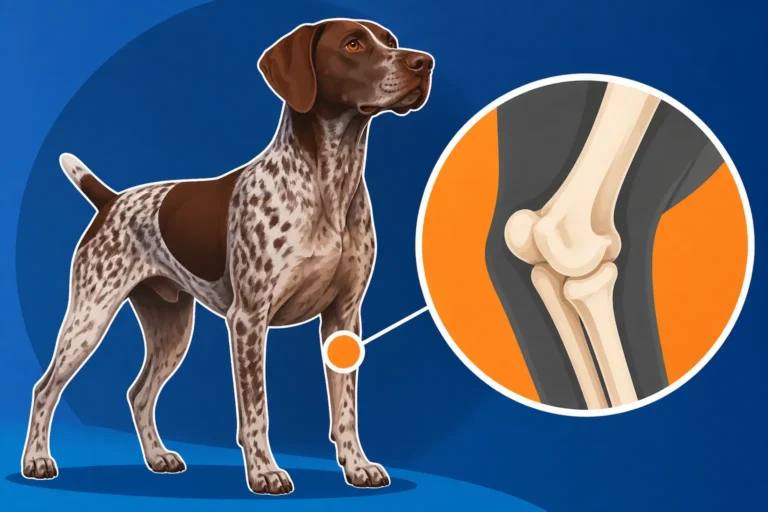
Joint problems are probably the most common culprits when a running dog slows down. Imagine trying to sprint with a constant ache in your knees or hips – you wouldn't want to either! German Shorthaired Pointers, while generally robust, aren't immune to these issues, especially with the high impact their active lives demand.
- Arthritis: Just like people, dogs can develop arthritis, particularly as they age. This inflammation of the joints can cause stiffness, pain, and reduced range of motion. You might notice it more on colder days or after periods of rest. What might start as a slight limp can progress to a full refusal to run because the pain simply becomes too much. It's not just an old dog problem; sometimes, previous injuries or genetic predispositions can lead to earlier onset. You can learn more about specific concerns like Arthritis in a German Shorthaired Pointer at Eight and proactive steps you might take.
- Hip and Elbow Dysplasia: These are hereditary conditions where the hip or elbow joints don't form correctly, leading to looseness, pain, and eventually arthritis. Even if your dog's parents were screened, a GSP's intense activity can sometimes exacerbate mild cases. A dog with hip dysplasia might seem hesitant to jump, climb stairs, or push off for a run. The pain might be subtle at first, manifesting as a general unwillingness to engage rather than an obvious limp. For a hard-running German Shorthaired Pointer, understanding Signs a Shorthair's Hips Are Going in the Field is vital, as these issues can creep up slowly.
- Cruciate Ligament Injuries: The cranial cruciate ligament (CCL) in a dog's knee is similar to the ACL in humans. A tear or rupture of this ligament is a common, often sudden, cause of lameness and can certainly stop a GSP in its tracks. While some tears are acute and dramatic, others can be partial and chronic, causing intermittent pain that discourages running long before a full rupture. These injuries are incredibly painful and require veterinary intervention.
Muscle Strains, Sprains, and Other Injuries
Beyond the major joints, a GSP's body is a complex network of muscles, tendons, and ligaments, all susceptible to injury, especially when they're pushing themselves hard in the field or during intense play. These can be difficult to pinpoint, as dogs are masters at hiding discomfort.
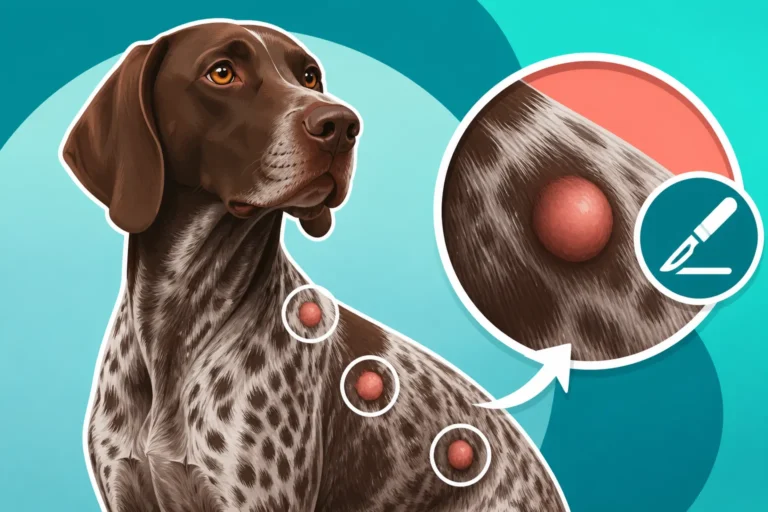
- Soft Tissue Injuries: A pulled muscle in the back or shoulder, a strained tendon in a leg, or even a deep bruise can make running agonizing. These might not always present with visible swelling or heat, but the dog will know it hurts. Often, you'll see a preference for favoring a limb, a shortened stride, or a general reluctance to put full weight or pressure on the affected area. Think about how a minor hamstring pull stops you from running – it’s the same for them. These can be particularly insidious because they might feel better after rest, only to flare up again with activity, leading your GSP to associate running with pain.
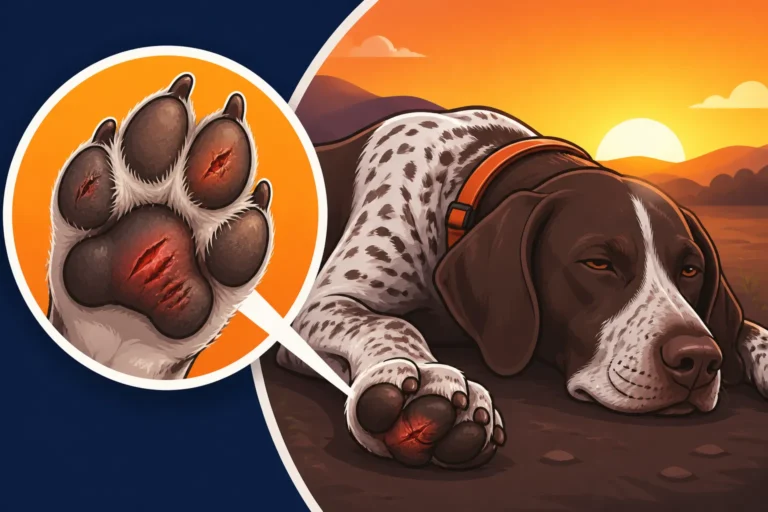
- Pad Injuries and Foot Problems: Don't overlook the foundation! A cut pad, a thorn embedded between toes, a broken nail, or even severe pad wear from rough terrain can make every step painful, let alone a full-out sprint. Always inspect your GSP's paws carefully after any outing, especially if they suddenly refuse to run or show sensitivity when walking. Sometimes, a tiny, almost invisible foreign object can cause immense discomfort.
Internal Health Concerns Affecting Energy Levels
Sometimes, the problem isn't musculoskeletal at all. A GSP might stop running due to systemic issues affecting their overall energy, metabolism, or internal organ function. These are often less obvious and require a veterinarian to diagnose properly.
Cardiac and Respiratory Problems
A dog needs a strong heart and healthy lungs to sustain the kind of activity a German Shorthaired Pointer thrives on. If these systems aren't functioning optimally, their ability – and desire – to run will be severely compromised.
- Heart Conditions: Conditions like dilated cardiomyopathy (DCM) or even a congenital The Heart Murmur a German Shorthaired Pointer Puppy Can Carry can reduce the heart's efficiency, leading to exercise intolerance, fatigue, and shortness of breath. Your GSP might pant excessively, tire much faster than usual, or even cough after exertion. While they might still walk, the effort required for a full run becomes too much, and they'll self-limit. Early detection is key for managing these conditions, so pay attention to subtle changes.
- Respiratory Issues: Anything that hinders breathing can make running impossible. This could range from allergies causing airway inflammation to more serious conditions like kennel cough, bronchitis, or even lung disease. If your GSP is struggling to get enough oxygen, they simply won't have the stamina to run. You might notice wheezing, coughing, or persistent panting even at rest.
Metabolic and Endocrine Disorders
The body's internal chemistry plays a huge role in energy production and utilization. When there's an imbalance, fatigue and a lack of motivation are often the first signs.
- Hypothyroidism: This is a common endocrine disorder in dogs where the thyroid gland doesn't produce enough hormones. These hormones regulate metabolism, and a deficiency can lead to a host of symptoms, including lethargy, weight gain, hair loss, and a general decrease in activity. A GSP with hypothyroidism will simply not have the energy or drive they once did. If you notice Weight Gain That Points at a Shorthair's Thyroid, combined with a lack of enthusiasm for activity, it's definitely worth checking with your vet.
- Anemia: A lack of red blood cells or hemoglobin means the blood can't carry enough oxygen to the muscles and tissues, leading to profound weakness and fatigue. An anemic GSP will be tired, pale gums might be noticeable, and they'll have no interest in running or even strenuous walking. Anemia can be a symptom of many underlying issues, from parasites to chronic disease, so it warrants immediate veterinary attention.
- Diabetes: Uncontrolled diabetes can also lead to lethargy, muscle weakness, and a general feeling of unwellness. While weight loss despite a good appetite is a common sign, the overall impact on their energy metabolism will certainly affect their willingness to run.
Environmental and Psychological Factors
It's not always about a direct physical ailment. Sometimes, external factors or even your GSP's mental state can contribute to a reluctance to run. While a less common primary cause for a GSP to completely stop, these can certainly play a role or exacerbate underlying physical issues.
Heat and Humidity
German Shorthaired Pointers have short coats, which can be deceptive. They are working dogs built for endurance, but they are also prone to overheating, especially in hot or humid conditions. Their short coat offers little insulation from cold, but also doesn't protect them from intense sun.
- Overheating: If it's too hot, even the most dedicated GSP will wisely choose to conserve energy rather than risk heatstroke. Pay close attention to the weather. If you're out during the warmer months, your dog might simply be telling you it’s too dangerous to run. Signs of overheating include excessive panting, drooling, weakness, and seeking shade. It's crucial to understand The Temperature a German Shorthaired Pointer Should Not Hunt In to prevent serious health emergencies.
- Dehydration: Closely linked to heat, dehydration can quickly sap a dog's energy and make any strenuous activity feel impossible. Always ensure your GSP has access to fresh, cool water, especially during and after exercise. A dehydrated dog will feel sluggish and lack the motivation to run.
Pain Avoidance Behavior
Dogs are incredibly stoic, but they're also smart. If running consistently causes them pain, they will learn to avoid it. This isn't laziness; it's a self-preservation instinct.
- Learned Aversion: If your GSP experienced an injury during a run – perhaps stepped in a hole, or aggravated an existing joint issue – they might develop a psychological association between running and pain. Even if the immediate injury has healed, a lingering memory of discomfort can make them hesitant to engage in that activity again. This requires careful observation and ruling out any persistent physical discomfort.
- Stress or Anxiety: While less common for stopping running specifically, general stress or anxiety can certainly impact a dog's overall willingness to engage in energetic activities. If there are significant changes in the household, new pets, or ongoing stressors, a dog might withdraw and become less active. For example, if a dog has had a negative experience in the specific environment where they usually run, they might develop an aversion to that location, or to the act of running itself.
The Impact of Aging on a GSP's Activity
It’s a tough truth, but as our beloved German Shorthaired Pointers get older, their bodies inevitably start to slow down. While we want them to stay young forever, understanding the natural aging process is important, though it should never be the first assumption when a sudden change occurs.
Natural Decline vs. Treatable Conditions
Distinguishing between normal aging and a treatable condition is paramount. Just because a dog is older doesn't mean their discomfort isn't addressable.
- Decreased Stamina: As GSPs age, their cardiovascular system might not be as efficient, and their muscles might lose some mass and elasticity. This means they simply can't sustain intense activity for as long as they once could. They might still enjoy a short run, but quickly tire. This is a gradual change, not a sudden stop. It's helpful to consider The Age a German Shorthaired Pointer Slows in the Field as a benchmark.
- Wear and Tear: Years of hard running and jumping take their toll on joints, even healthy ones. While arthritis is a specific condition, general wear and tear can lead to stiffness and discomfort that makes high-impact activities less appealing. Many older dogs benefit greatly from joint supplements or anti-inflammatory medications, which can significantly improve their comfort and willingness to move. Learning about Joint Supplements for a Hunting German Shorthaired Pointer can provide proactive solutions.
Supporting an Aging German Shorthaired Pointer
Even if your GSP is slowing down due to age, there's a lot you can do to keep them comfortable and active in ways that suit their changing abilities.
- Adjusting Exercise Routines: Instead of long, intense runs, consider shorter, more frequent walks, gentle swimming, or even mental stimulation games. The goal is to keep them moving without pushing them into pain or exhaustion.
- Comfort and Support: Orthopedic beds, ramps to help them get into vehicles or onto furniture, and maintaining a healthy weight can all make a huge difference in an older GSP's quality of life. Regular vet check-ups become even more crucial to catch any emerging issues early. When your older GSP starts needing help to stand or move, looking into Helping a Stiff Old German Shorthaired Pointer Get Up can offer practical tips.
A change in your GSP's running habits is a serious matter. Don't hesitate to consult your veterinarian as soon as you notice this change. Early diagnosis and intervention can often prevent a minor issue from becoming a major problem, and in many cases, can restore your GSP's joy of movement.
| Symptom/Observation | Potential Causes | Initial Action |
|---|---|---|
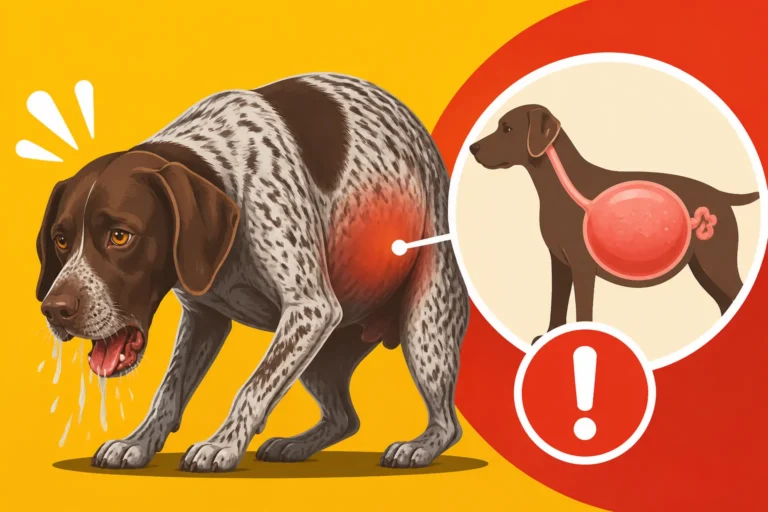
| Sudden complete refusal to run | Acute injury (sprain, cut pad, muscle tear, cruciate rupture), severe pain, immediate illness (bloat, severe infection) | Immediate vet visit. This is an emergency. Check paws for injury, feel for obvious swelling, but prioritize professional medical attention. |
| Gradual decline in running desire | Arthritis, hip/elbow dysplasia, chronic soft tissue injury, hypothyroidism, heart condition, early onset systemic disease | Schedule a vet appointment. Start keeping a detailed log of symptoms, when they appear, and any other changes (eating, drinking, mood). Mention any previous injuries or family history. Consider whether you have pet insurance, like Healthy Paws, to help with diagnostic costs such as X-rays or blood tests. |
| Runs short distances, then stops | Early stage joint pain, mild soft tissue injury, decreased stamina (aging), mild cardiac/respiratory insufficiency | Observe closely. Is it worse after rest, or later in the day? Does weather affect it? Try shorter, gentler activities. Consult your vet to rule out pain and assess overall fitness. |
| Hesitation to jump or climb stairs | Hip/elbow pain, back pain, knee issues | Monitor for other signs of discomfort. Avoid activities that require jumping. Discuss orthopedic concerns with your vet. Diagnostic imaging may be necessary, and having a plan for unexpected vet bills, possibly with a provider like Healthy Paws, can be beneficial for these often costly procedures. |
| Excessive panting/fatigue after mild exercise | Cardiac or respiratory issues, overheating, anemia, systemic illness | Limit exercise, especially in heat. Ensure constant access to water. Watch for pale gums. This needs prompt veterinary investigation. |
| Stiffness after rest | Arthritis, joint inflammation | Keep moving gently. Avoid long periods of inactivity. Discuss joint supplements (like glucosamine/chondroitin) and anti-inflammatory options with your vet. Long-term medication costs can add up, and a comprehensive pet insurance plan from a company like Healthy Paws might be a worthwhile investment. |
| Weight gain/coat changes | Hypothyroidism, metabolic issues | Vet appointment for blood work. These are classic signs of metabolic imbalance. |
| Obvious limp or favoring a leg | Injury, fracture, severe joint pain | Restrict activity immediately. Prevent further injury. Contact your vet as soon as possible for diagnosis and treatment. |
| No other symptoms, generally happy | Environmental factors (heat, specific ground), psychological aversion (past pain) | Evaluate environment and activity type. Try running in a different, safe location or at a cooler time. Continue to monitor for subtle physical signs, as a lack of desire to run is still very atypical for a GSP and warrants a vet check to be safe. |
Consulting Your Veterinarian
When your high-energy German Shorthaired Pointer suddenly loses their desire to run, it’s not just a minor behavioral quirk; it’s a significant warning sign that something serious might be going on under the surface. As their devoted owner, your role is to be their advocate, and that means a prompt visit to the veterinarian.
Preparing for the Vet Visit
A successful vet visit starts long before you walk through the door. Being prepared with detailed observations can give your vet invaluable clues, helping them narrow down the possibilities much faster.
- Detailed Observations: Vets rely on information you provide, so be as specific as possible. When did you first notice the change? Was it sudden or gradual? Does it seem worse at certain times of day, after rest, or after specific activities? Does your dog show pain when touched in certain areas? Note any other changes: appetite, water intake, urination/defecation, demeanor, sleep patterns, or any signs of The Shifting Lameness in a Six Month Shorthair if your dog is still young.
- Video Evidence: If possible, take a short video of your dog trying to run or move during a period when they seem reluctant. Sometimes, what's obvious to you in motion is hard for a vet to replicate in an exam room. A short clip can capture subtle lameness or stiffness that might otherwise be missed.
- Medication and Diet History: Bring a list of any medications your dog is currently taking, including supplements like Joint Supplements Worth Giving a Working Shorthair, and details of their diet. This provides a complete picture of their current health regimen.
Diagnostic Procedures
Once at the clinic, your vet will perform a thorough physical examination, which will guide them toward further diagnostic steps. Don't be surprised if they recommend several tests; it's all part of piecing together the puzzle.
- Physical Examination and Orthopedic Assessment: The vet will watch your GSP walk, trot, and turn, palpating their joints and muscles for pain, swelling, or heat. They'll assess range of motion and look for any neurological deficits. They might even try to elicit a specific pain response.
- Blood Work: Comprehensive blood panels can reveal a lot about your dog's internal health. They can detect inflammation, infection, anemia, and organ dysfunction (kidney, liver). Crucially, they can diagnose metabolic conditions like Thyroid Failure in a Middle Aged German Shorthaired Pointer which directly impact energy levels.
- Radiographs (X-rays): If joint or bone pain is suspected, X-rays are often necessary to visualize the skeletal structures. They can confirm arthritis, dysplasia (such as Hip Dysplasia in a Hard Running German Shorthaired Pointer), fractures, or bone tumors. Sometimes, even subtle changes can be indicative of significant discomfort.
- Advanced Imaging (MRI/CT): In some complex cases, especially involving the spine or soft tissue injuries that don't show up on X-rays, your vet might recommend an MRI or CT scan. These provide much more detailed images but are also more expensive and usually require referral to a specialist. This is where a good pet insurance plan, such as one from Healthy Paws, can be an absolute lifesaver, helping to manage the substantial costs associated with advanced diagnostics and treatments.
- Cardiac Workup: If your vet suspects a heart issue, they might recommend an echocardiogram (an ultrasound of the heart) to assess its structure and function. This is critical for diagnosing conditions that impair your GSP's stamina and ability to run.
Management and Prognosis
Once a diagnosis is made, your vet will discuss treatment options and what you can expect for your German Shorthaired Pointer's future activity levels. This is where patience, commitment, and realistic expectations come into play.
Treatment Options for Common Causes
Treatment will vary widely depending on the underlying cause, ranging from simple lifestyle adjustments to complex medical or surgical interventions.
- Pain Management: For conditions like arthritis or chronic joint pain, management often involves a combination of non-steroidal anti-inflammatory drugs (NSAIDs), joint supplements, and possibly other pain medications. The goal is to keep your GSP comfortable and able to move without significant discomfort.
- Physical Therapy and Rehabilitation: For orthopedic injuries, post-surgical recovery, or chronic joint issues, physical therapy can be incredibly beneficial. This might include hydrotherapy, therapeutic exercises, and massage to strengthen muscles, improve range of motion, and reduce pain.
- Medication for Internal Conditions: Hypothyroidism, for example, is usually managed with daily thyroid hormone supplementation. Heart conditions might require medication to improve cardiac function or control symptoms. Many of these medications are lifelong, so budgeting for them or having an insurance policy like Healthy Paws can make a significant difference.
- Surgical Interventions: Some orthopedic issues, like a torn cruciate ligament or severe hip dysplasia, may require surgery to correct the problem and restore function. These procedures are often extensive and require a dedicated recovery period.
Adapting to a New Normal
Even with the best treatment, your GSP might not return to their previous level of boundless energy, especially if the issue is age-related or chronic. This doesn't mean their quality of life has to diminish, but it does mean adapting your expectations and routines.
- Modified Exercise: You might need to adjust your GSP's exercise routine. Perhaps instead of mile-long sprints, you switch to brisk walks, controlled leash work, or gentle swimming. Mental stimulation through puzzle toys and training sessions can also help fulfill their energetic needs without putting undue strain on their body. The key is to keep them engaged and active within their new physical limitations.
- Monitoring and Follow-up Care: For chronic conditions, regular vet check-ups will be essential to monitor their progress, adjust medications, and catch any new issues early. This ongoing care is crucial for maintaining their comfort and health. Remember that proactive care and managing chronic conditions can lead to a happier, longer life for your GSP. Keeping up with vet appointments and medications can be expensive, and this is where the financial security offered by pet insurance, such as Healthy Paws, truly shines, allowing you to focus on your dog's health without constantly worrying about the bill.
Seeing your energetic German Shorthaired Pointer lose their desire to run is heartbreaking, but it's also a clear call for help. By being vigilant, seeking prompt veterinary care, and understanding the array of potential causes, you can work towards a solution that helps your beloved companion regain their comfort and joy in movement, even if it's a slightly different kind of movement than before.
Disclaimer
This article is intended for informational purposes only and is not a substitute for professional veterinary advice, diagnosis, or treatment. Always seek the advice of your veterinarian or other qualified health provider with any questions you may have regarding a medical condition.