Water Intoxication in a Retrieving German Shorthaired Pointer
It's a beautiful day, the sun is shining, and your German Shorthaired Pointer is doing what they love most: retrieving endlessly from the lake or pond. It's easy to assume that boundless energy and a love for water means they're just having the time of their life, but there's a silent, dangerous threat lurking beneath the surface that many owners don't even know about – water intoxication. This often-overlooked condition can quickly turn a fun day into a life-threatening emergency, and understanding it is critical for any GSP owner. This guide will help you grasp what water intoxication is, how to recognize its subtle, then serious, signs, and most importantly, how to prevent it, ensuring your water-loving companion stays safe.
What Exactly is Water Intoxication?
Many of us grew up thinking that dogs can't get too much water, especially active breeds like German Shorthaired Pointers who seem to guzzle it down like it's the elixir of life after a good run. But the truth is, excessive water intake can be just as dangerous, if not more so, than dehydration. This condition, known clinically as hyponatremia, is a silent killer that every GSP owner needs to be aware of. It's particularly insidious because it often occurs during activities that dogs, especially our driven Shorthairs, absolutely adore: retrieving in water.
The Science Behind Too Much Water
At its core, water intoxication is caused by an electrolyte imbalance, specifically a drastic drop in sodium levels in the blood, a condition called hyponatremia. Normally, your dog's kidneys work tirelessly to filter excess water and maintain a healthy balance of electrolytes like sodium, potassium, and chloride. These electrolytes are absolutely vital for proper nerve and muscle function, and for maintaining the correct fluid balance inside and outside of cells.
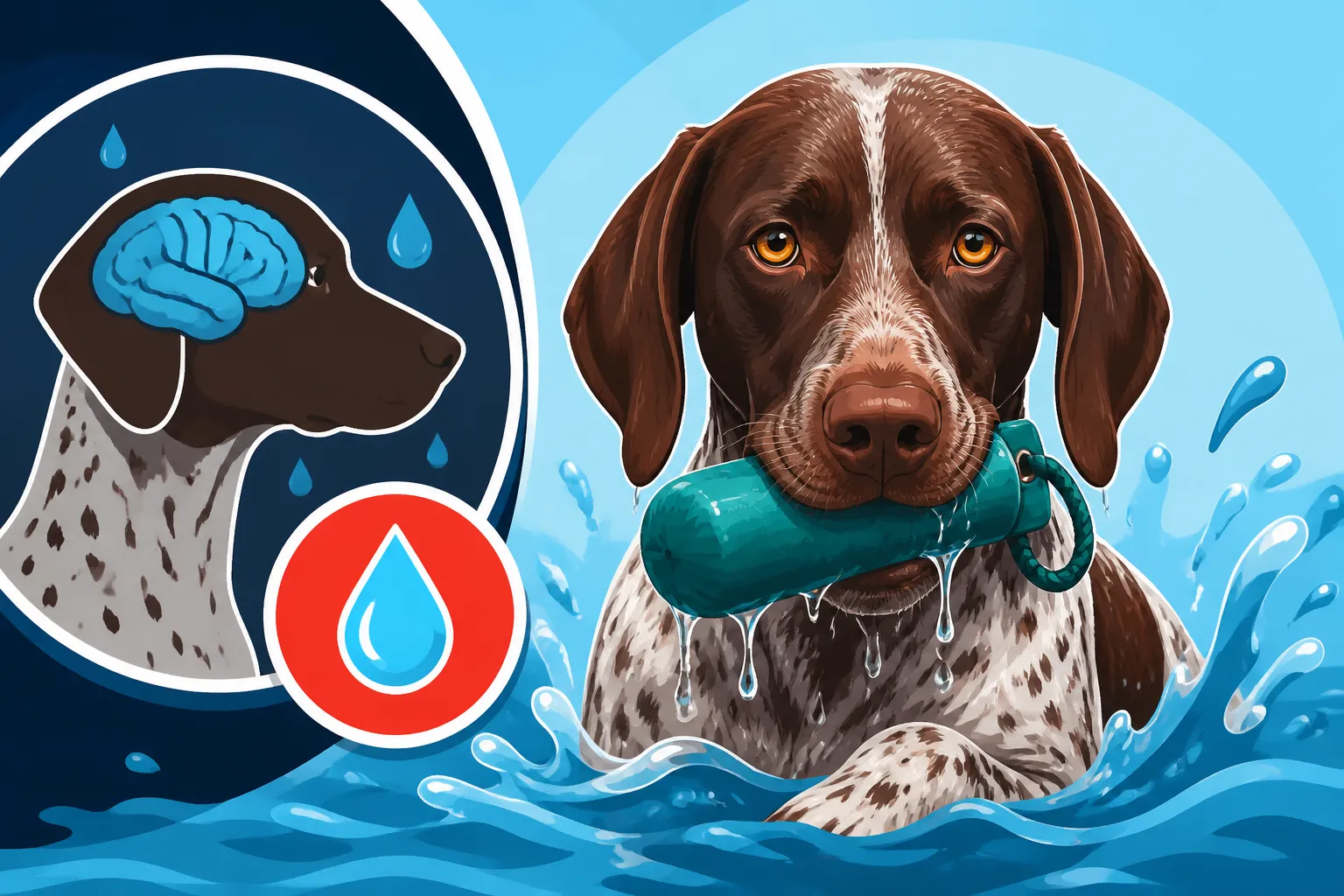
When a dog ingests an extreme amount of water too quickly, it overwhelms the kidneys' ability to process it efficiently. This flood of water dilutes the body's electrolytes, particularly sodium. Sodium is crucial for cellular function; it helps regulate blood pressure and fluid balance. When sodium levels plummet, water starts to move from the bloodstream into the cells, attempting to equalize the concentration. This causes cells, particularly those in the brain, to swell. The skull is a fixed space, and as brain cells swell, the pressure inside the head dramatically increases, leading to severe neurological symptoms and, tragically, can be fatal if not addressed immediately.
How GSPs Are Particularly Susceptible
German Shorthaired Pointers are, by their very nature, predisposed to water intoxication. They are often described as "water babies" – natural swimmers with an intense drive to retrieve. This combination makes them prime candidates for over-hydration. Think about a GSP in their element: focused, high-energy, and often completely oblivious to their own physical limits when there's a bumper or a thrown stick in the water. They'll plunge in repeatedly, open-mouthed, gulping down water not just for hydration, but inadvertently as they swim and retrieve.
Their sheer enthusiasm means they don't always take breaks, and their focus on the retrieve overrides any sense of satiation. Unlike drinking from a bowl, where they might pause, a GSP retrieving from a pond is continuously ingesting water with every plunge and mouthful. Smaller dogs or those with less body fat might be at higher risk because the diluting effect happens faster in a smaller total body water volume. While a GSP isn't necessarily a small dog, their intense drive and prolonged water activity means they can easily accumulate too much water over time, especially during extended play sessions on a warm day. It's not just about the volume of water, but the speed and duration of ingestion relative to their body size and activity level. This is why careful monitoring is paramount, especially when you're working on concepts like Water Retrieves With a German Shorthaired Pointer or trying to improve their stamina in the water.
Recognizing the Subtle Signs of Trouble
The tricky thing about water intoxication is that its early signs can often be mistaken for simple fatigue or even just a happy, tired dog after a rigorous workout. This is why it's so important to be hyper-aware and know exactly what you're looking for, especially after a long session of water retrieves. Missing these early clues can mean the difference between a quick recovery and a dire emergency.
Early Warning Signals
The very first symptoms of water intoxication are often mild and can easily be overlooked or attributed to other factors. Your German Shorthaired Pointer might seem a bit more lethargic than usual, even for a dog who just had a strenuous swim. They might appear a little disoriented or uncoordinated, perhaps stumbling slightly or having trouble tracking a toy. Excessive drooling or salivation can be another early indicator, along with dilated pupils.
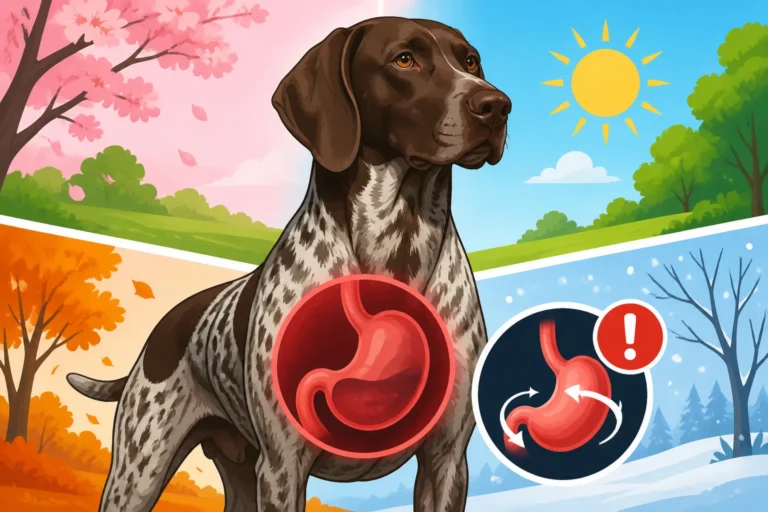
You might notice an unusual level of bloating in their abdomen, which could be confused with other serious conditions like bloat (gastric dilatation-volvulus), so it’s important to differentiate. However, with water intoxication, the bloating is generally softer and more diffuse, rather than the hard, distended abdomen seen with bloat. Vomiting can also occur as the body tries to expel the excess fluid. Keep a keen eye out for any of these changes in demeanor or physical state, particularly if your dog has been playing vigorously in the water for an extended period. Don't dismiss them as just "being tired."
Progression to Severe Symptoms
If the early signs are missed, water intoxication can progress rapidly to more severe and life-threatening symptoms. As the brain cells continue to swell due to the plummeting sodium levels, neurological signs become much more pronounced. This can include staggering, loss of consciousness, and even seizures. These seizures might manifest as full-body convulsions, muscle tremors, or disorientation.
The dog might become unresponsive, slipping into a coma, and eventually collapse. Their breathing could become shallow and labored, and their heart rate might be irregular. At this stage, time is of the essence, and immediate veterinary intervention is critical. Many owners don't realize how quickly this can escalate from seemingly mild fatigue to a severe medical emergency. Just like recognizing the signs of Heat Exhaustion in an Early Season Shorthair, knowing the progression of water intoxication can save your dog's life.
Preventing Water Intoxication in Your German Shorthaired Pointer
Prevention is absolutely key when it comes to water intoxication. Given your German Shorthaired Pointer's incredible drive and love for the water, it's not about stopping them from enjoying a swim, but rather about managing their access and activity levels wisely. A little proactive planning can ensure countless safe and fun water sessions for your Shorthair.
Smart Hydration Strategies
The most critical step in prevention is managing how much water your GSP ingests during water play. Firstly, limit the duration of continuous water retrieving. Instead of letting them retrieve for an hour straight, break it up into shorter 10-15 minute intervals. During these breaks, encourage your dog to rest in the shade, away from the water's edge. You can use this time to give them small, controlled sips of fresh water from a bowl, rather than letting them guzzle from the lake.
Consider bringing along low-sodium snacks or treats, as these can help replenish electrolytes lost through exertion and sweat. While not a direct cure, it can help maintain a more stable internal balance. Crucially, pay attention to the water temperature. Colder water can reduce a dog's thirst sensation, making them drink more without realizing it. On the flip side, extremely hot weather will make them drink more naturally. Always ensure your GSP is well-hydrated before entering the water, as a thirsty dog is more likely to gulp excessively. This is similar to strategies you might employ when Watering a German Shorthaired Pointer Through a Long Day in the field.
Training Modifications for Water-Loving Dogs
For German Shorthaired Pointers, whose drive can be their downfall in this scenario, training modifications are essential. If your GSP loves to retrieve, teach them to "drop" or "out" the bumper immediately upon returning to shore, rather than letting them mouth it for a long time in the water. This reduces the amount of water they inevitably swallow while holding an object. Also, incorporate regular forced breaks into your water work sessions. Instead of continuous retrieves, throw a few, then make them sit or lie down for a few minutes on solid ground before throwing again.
Another effective strategy is to use flatter, less buoyant bumpers or toys for water retrieves. These items sit lower in the water, making it harder for your dog to gulp large amounts of water while trying to grab them. Also, avoid using pressure washers or hoses as a play mechanism, as this forces water directly into their mouth, which can rapidly lead to overhydration. If you're working on advanced concepts like Handling a Shorthair Off a Boat, be extra diligent about monitoring their water intake, as they might be more inclined to gulp during boat-side retrieves.
Immediate Action and Veterinary Care
Even with the best preventative measures, accidents can happen, and recognizing the signs quickly is paramount. If you suspect your German Shorthaired Pointer is suffering from water intoxication, immediate action is crucial. Do not hesitate; this is a medical emergency.
First Aid Steps You Can Take
If you notice any of the aforementioned symptoms of water intoxication, your first and most important step is to stop all water activity immediately. Get your dog out of the water and to a safe, quiet, and cool spot. Time is of the essence, so call your veterinarian or the nearest emergency animal hospital while you are on your way. Explain their symptoms and that you suspect water intoxication due to water play. This allows the veterinary team to prepare for your arrival.
While en route, you can try offering a small amount of salty food, like a cracker or a small piece of jerky, if your dog is conscious and able to swallow safely. The goal is to introduce some sodium to counteract the dilution, but this is not a substitute for professional medical care and should only be attempted if there is no risk of choking. Do NOT try to force water out of them or induce vomiting, as this can worsen their electrolyte imbalance or cause aspiration. Focus on getting them to the vet as quickly and safely as possible. Remember, in emergency situations like this, having pet insurance from providers like Healthy Paws can be a real lifesaver, helping to alleviate the financial stress during an already terrifying time.
What to Expect at the Vet
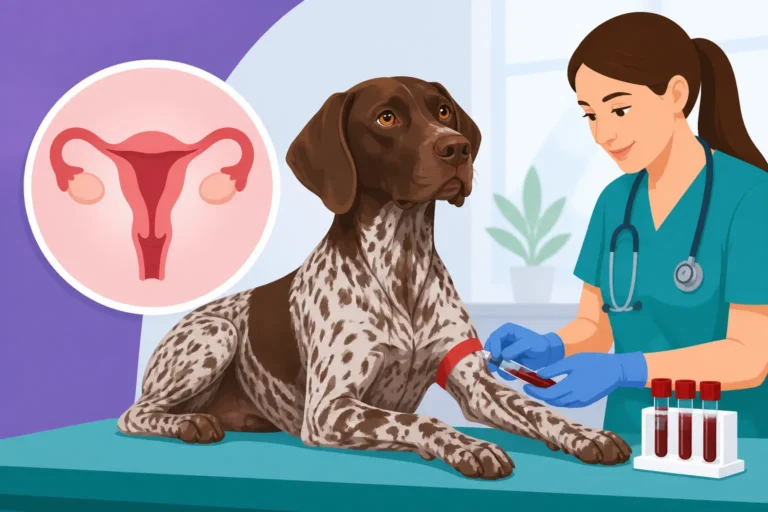
Upon arrival at the veterinary clinic, the emergency team will immediately assess your German Shorthaired Pointer's condition. They will likely perform a physical exam, check vital signs, and, most importantly, draw blood for a comprehensive chemistry panel to measure electrolyte levels, especially sodium. This blood test will confirm hyponatremia.
Treatment for water intoxication primarily focuses on restoring the sodium balance in the blood and reducing brain swelling. This typically involves administering intravenous (IV) fluids with a carefully calibrated concentration of electrolytes, particularly sodium. The process is slow and controlled to prevent rapid shifts in electrolyte levels, which can cause further complications. Diuretics might also be given to help the body excrete excess water. Your dog will be closely monitored, often overnight, with repeated blood tests to track their electrolyte levels and ensure they are stabilizing. The cost of such emergency care can be substantial, and this is where a reliable pet insurance policy, perhaps from Healthy Paws, can make a huge difference in allowing you to focus on your dog's recovery without the added burden of overwhelming bills. Recovery time varies depending on the severity of the intoxication and how quickly treatment was initiated. When you're dealing with unexpected emergencies like this or even more common occurrences like Field Injuries a Hunting German Shorthaired Pointer Comes Home With, knowing you have support can bring immense peace of mind.
Here's a quick summary of water intoxication symptoms and what to do:
| Symptom Category | Early Signs (Mild) | Severe Signs (Urgent) | Immediate Action |
|---|---|---|---|
| General | Lethargy, unusual fatigue | Collapse, unresponsiveness | Stop water activity, remove from water |
| Neurological | Disorientation, mild uncoordination | Staggering, seizures, coma, dilated pupils | Call vet/emergency hospital immediately, transport dog |
| Gastrointestinal | Bloating (soft), excessive drooling, vomiting | Do NOT induce vomiting, offer small amount of salt (if conscious) | |
| Breathing | Shallow, labored breathing | Maintain calm, cool environment during transport |
Long-Term Recovery and Future Prevention
After your GSP has recovered from an episode of water intoxication, it's natural to feel a bit apprehensive about future water activities. The good news is that with careful management and adherence to preventative strategies, your dog can absolutely enjoy water play again. Your veterinarian will provide specific guidance based on the severity of the incident and your dog's individual recovery. It's crucial to follow any dietary recommendations, which might include specific electrolyte supplements for a period, though these are typically short-term. Ongoing monitoring of your dog's energy levels, thirst, and overall demeanor during and after water activities remains critical.
Moving forward, implementing the smart hydration strategies discussed earlier becomes even more important. Consider investing in a quality life vest for your GSP during water retrieving sessions. Not only does it provide buoyancy, reducing the effort your dog needs to expend, but it can also make it easier for you to quickly grab and pull them out of the water for enforced breaks. Training a solid "come" command and a reliable "drop it" on shore will be invaluable for managing their water intake effectively. Think of it as another essential part of their overall health and wellness plan, much like ensuring they follow The Vet Schedule a Working Shorthair Should Keep or checking them thoroughly during Checking a German Shorthaired Pointer Over After a Hunt. Being extra cautious means your GSP can continue to enjoy their beloved water, just a bit more safely.
Disclaimer
The information provided in this article is for educational purposes only and is not a substitute for professional veterinary advice. If your German Shorthaired Pointer exhibits any symptoms of water intoxication or any other medical concern, please consult with a qualified veterinarian immediately.