A Shorthair That Creeps Once It Points
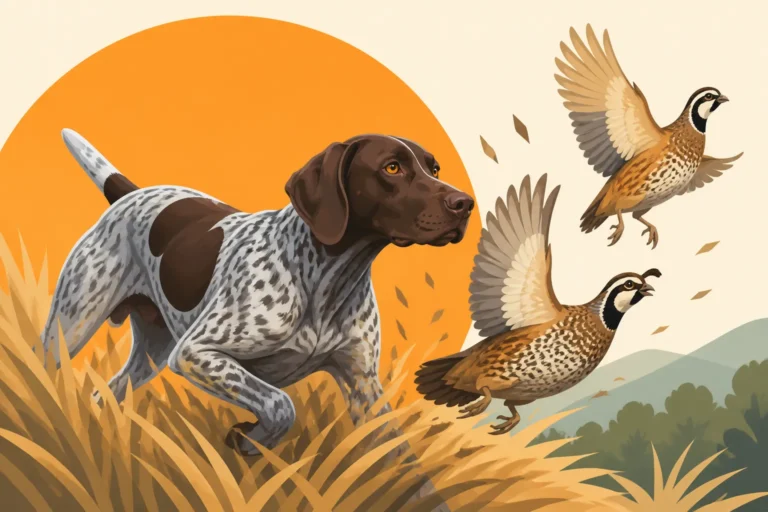
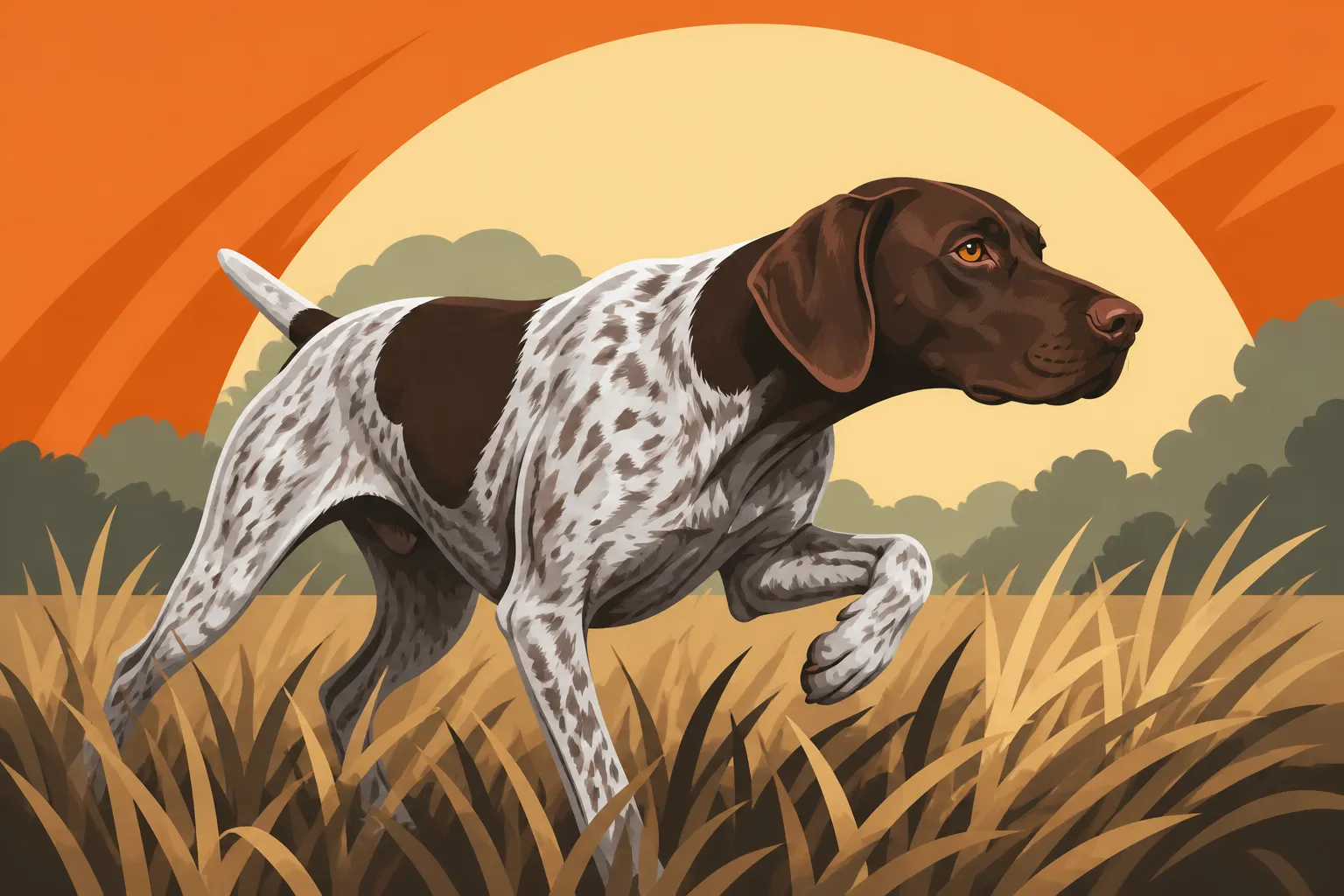
It’s frustrating, isn’t it? You’ve put in the time, your German Shorthaired Pointer finds the bird, locks up with that intense GSP stare, and just as you’re about to walk in for the flush, they take a step, then another, creeping forward. This guide will walk you through understanding why your otherwise brilliant hunting companion develops this habit and, more importantly, how to firmly and fairly correct it, building a truly steady point.
Understanding the Creeping Point Instinct in German Shorthaired Pointers
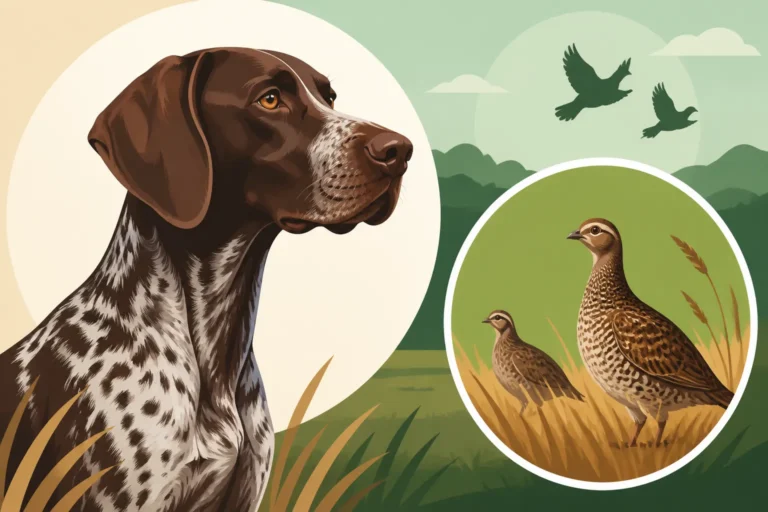
That magnificent drive your German Shorthaired Pointer possesses, the very thing that makes them such incredible hunting partners, can sometimes be a double-edged sword. When a GSP creeps on point, it’s not usually an act of defiance, but rather an overwhelming surge of instinct. They're so intensely focused on the bird, so keyed up by the scent, that the boundary between pointing and moving in to flush or capture simply blurs in their mind.
The Natural Drive to Close the Gap
Think about it from your dog's perspective. Their ancestors, and even their wild cousins, would instinctively creep closer to prey to gain an advantage, to ensure a successful pounce. Your German Shorthaired Pointer carries that deep-seated genetic programming. They smell the bird, they see it, and every fiber of their being screams "GET CLOSER!" The point itself is a magnificent display of controlled instinct, but that "control" needs to be meticulously taught and reinforced. Without it, the natural urge to "close the gap" between themselves and the bird can take over, leading to that frustrating creep.
This isn't a sign of a bad dog or poor breeding; it's simply a strong, natural instinct that needs refinement. Many young dogs, especially those with high prey drive, will exhibit this behavior. It’s part of the learning curve for both dog and handler. The trick is to channel that intensity into a disciplined, steady point, rather than allowing it to devolve into a premature move.
Incomplete "Whoa" Command Reinforcement
At the heart of a creeping point is often an incomplete or inconsistently reinforced "whoa" command. "Whoa" is more than just stopping; it's about freezing in place, regardless of distraction or desire. If your German Shorthaired Pointer hasn't fully internalized that "whoa" means "stop, and stay stopped, no matter what," then the excitement of the bird will naturally override any hesitation they might have. They need to understand that their job is to hold the bird for you, not to take it themselves.
This foundational command is critical. It's the anchor that keeps your dog steady in the field. If you’ve rushed through the early stages of whoa training or haven't applied it consistently in increasingly stimulating environments, then creeping is a very predictable outcome. It’s like building a house without a solid foundation; eventually, cracks will show under pressure. We often expect too much too soon from our eager GSPs, forgetting that consistent, patient reinforcement is the key to a truly reliable command. If you’re seeing creeping, it’s a clear signal to revisit those fundamental whoa exercises. Whoa and Why Every Shorthair Starts There provides more insight into this critical command.
The Foundation of a Solid Whoa: Going Back to Basics
Correcting a creeping point almost always means going back to square one with your "whoa" command. You need to strip away the distractions and rebuild the understanding that "whoa" means absolute immobility. This isn't just about yelling "whoa" louder; it's about systematic, patient repetition in controlled environments before moving to the excitement of birds.
Table Training and the Whoa Post
One of the most effective ways to rebuild a solid "whoa" is through the use of a whoa post or table training. This method creates a very clear physical boundary and limits your dog's ability to move, forcing them to understand the command in a controlled, low-distraction setting.
- Whoa Post: A simple post driven into the ground, or even a sturdy stake, can be used. Attach a short lead to your dog's collar and then to the post, allowing just enough slack for them to stand comfortably but not move forward or turn around freely. Give the "whoa" command, and if they try to move, the post provides immediate, consistent resistance. This isn't about pain, but about clear, unmistakable feedback that movement is not an option. You can walk away, circle them, and return, always praising when they hold steady. This builds duration and distraction resistance.
- Table Training: For some dogs, particularly younger or more excitable ones, a training table can be even more effective. The elevated surface makes them more aware of their body and less likely to try to move off. You can use a grooming table or build a sturdy, elevated platform. Again, use a short lead to keep them in position. Give the "whoa" command, and gently correct any attempts to shift. This method is excellent for teaching duration and building a strong muscle memory for holding still. As they progress, you can introduce gentle distractions like a thrown wing or a slow-moving bird in a cage nearby. Teaching a Shorthair Whoa on a Table or Barrel details this technique.
Consistency here is paramount. Short, frequent sessions (5-10 minutes) are far more effective than long, infrequent ones. Always end on a positive note, with your dog successfully holding the "whoa" and receiving praise.
Check Cord Control in Controlled Settings
Once your German Shorthaired Pointer is solid on the whoa post or table, it's time to transition that understanding to the ground, but still in a controlled environment. The check cord becomes your best friend here. A good quality, long check cord (15-30 feet) is essential, and you can find many options on platforms like Amazon.
Start in a quiet, distraction-free area, like your backyard or an empty field. Attach the check cord to your dog’s collar, let them drag it initially, and then step on it or pick it up as needed. Let your dog move naturally for a moment, then give a firm "whoa" command. As you give the command, stop moving and apply slight upward pressure on the check cord if your dog continues to move. The moment they stop, release the pressure and praise them. If they take another step, a quick, gentle tug and "whoa" again. The key is timely, consistent correction and immediate release of pressure when they comply.
Gradually, introduce very mild distractions. Have a friend walk by, or toss a bumper a short distance away. Your goal is for your dog to hold that "whoa" through increasing levels of temptation. Remember, your GSP is smart; they'll quickly learn that "whoa" means stop until released. This phase is about building confidence in the command itself, not yet about birds. Building Whoa on a Shorthair With a Check Cord offers further practical steps.
Advanced Techniques for Correcting Creeping on Point
Once the foundational "whoa" is solid, you can start applying it to bird work, systematically addressing the creeping behavior. This is where the real work begins, as the excitement of live birds can make a dog "forget" their manners.
Steadying to Wing and Shot
The creeping point typically happens just before the flush or shot, so this is precisely where your training needs to focus. Steadying your German Shorthaired Pointer to wing and shot means they must hold their point even when the bird flushes, and even when the gun goes off. This requires immense self-control, and it directly combats the creeping instinct.
Start with controlled bird introductions. Use pigeons or pen-raised birds that you can control. Place your dog on point (using your check cord if necessary) and give the "whoa" command. As the bird is flushed (either by you or a helper), keep firm control on the check cord. If your dog attempts to creep, a firm, immediate correction on the check cord, paired with a sharp "whoa," will reinforce that movement is unacceptable. The correction should be just enough to stop the forward momentum and remind them of the command. Praise immediately when they stop and hold.
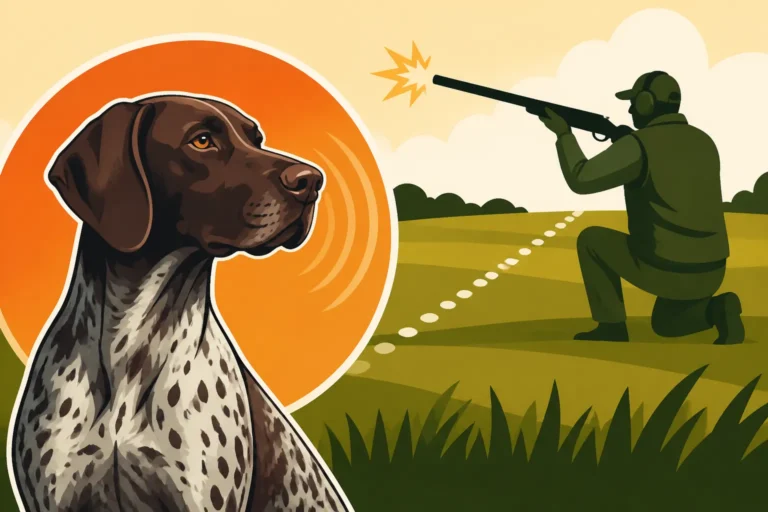
This process needs many repetitions. Slowly, you can introduce the sound of a cap gun, then a blank pistol, and eventually a shotgun, always from a distance at first, gradually moving closer. The goal is for your dog to remain absolutely stationary, watching the bird fly away, and listening to the shot, without taking a single step. How Many Birds It Takes to Steady a Shorthair can give you an idea of the dedication required.
E-Collar Introduction for Field Steadiness
For many German Shorthaired Pointers, especially those with particularly high prey drive or a stubborn creeping habit, an e-collar becomes an invaluable tool for precise and timely corrections in the field. This is not about punishment, but about communication and breaking through the intensity of the moment. If you're new to e-collars, consider looking for introductory guides or workshops, or even online programs like those offered by BAXTER & Bella, though their core focus is often puppy training, the principles of clear communication and positive reinforcement with tools apply universally.
The e-collar should only be introduced after your dog fully understands the "whoa" command on a check cord and in various non-bird situations. You must condition your dog to the e-collar first, associating a low-level stimulation with the "whoa" command before using it for correction on a creep.
Here’s a simplified approach:
- Conditioning: On a check cord, give the "whoa" command and simultaneously apply a very low, barely perceptible e-collar stimulation. As your dog stops, release the stimulation and praise. Repeat until they associate "whoa" with the stimulation.
- Field Application: When your dog is on point, give the "whoa" command. If they begin to creep, give a firm "whoa" and a consistent, increasing level of e-collar stimulation until they stop. The instant they stop, release the stimulation. The goal is to make the undesirable action (creeping) uncomfortable, while the desired action (holding still) brings relief. This requires precise timing.
- Reinforcement: Never use the e-collar out of anger or frustration. It's a tool for precise communication. Always praise your dog when they hold steady. Over time, the mere verbal "whoa" will be enough to achieve the desired result, with the e-collar serving as a backup. When an E-Collar Belongs on a German Shorthaired Pointer offers more details on its proper use.
Eliminating Self-Reward: The "No Birds" Rule
A critical aspect of correcting creeping is eliminating any self-reward. If your German Shorthaired Pointer creeps forward and occasionally manages to flush a bird they then chase, they are being rewarded for the creeping. This reinforces the bad habit.
During this retraining phase, your dog should never be allowed to flush a bird they have crept on, nor should they be allowed to retrieve one if they've crept. If your GSP creeps, the bird should ideally be allowed to fly away, or a helper can quickly retrieve it. This teaches your dog that creeping does not lead to reward. Instead, the reward (praise, retrieve, continuation of the hunt) only comes when they hold a steady point. This might mean fewer successful flushes or retrieves in the short term, but it will pay dividends in the long run by building a truly steady gun dog.
Maintaining a Steady Point Throughout a German Shorthaired Pointer's Career
Training isn't a one-and-done deal, especially with a high-drive breed like the German Shorthaired Pointer. Maintaining a steady point requires ongoing vigilance, consistency, and reinforcement throughout their hunting career.
Consistency is Key: Every Bird, Every Time
One of the biggest pitfalls for owners is inconsistency. It’s easy to let things slide, especially on a long day in the field or when you're just eager to get a bird in hand. But every time you let your German Shorthaired Pointer creep, even "just a little bit," you are eroding the training you've worked so hard to establish.
Think of it this way: if sometimes "whoa" means stop, and other times it means move a little, your dog will constantly be guessing. Your German Shorthaired Pointer needs "whoa" to mean the exact same thing, every single time. This includes both wild birds and any training birds. Make it a point to correct any creep immediately, whether through verbal command, a check cord, or e-collar. Your dog thrives on clear boundaries and predictability. That consistency builds trust and reinforces the understanding that a steady point is always the expectation.
Regular Refreshers and Proofing
Just like humans, dogs can get rusty if they don't practice. Even a perfectly steady German Shorthaired Pointer can start to backslide if the "whoa" command isn't regularly reinforced, especially in off-season. Make it a habit to do refresher training sessions throughout the year.
- Yard Work: Spend 10-15 minutes once a week in the off-season, just working on "whoa" in your yard or a local park with distractions.
- Training Days: Participate in organized training days with other dogs and controlled bird releases. This allows you to proof your dog's steadiness in a more realistic hunting scenario without the pressure of a real hunt.
- Varying Environments: Practice in different types of cover, wind conditions, and with different bird species. This helps generalize the command, ensuring your GSP isn't just steady in one specific scenario.
- Pre-Season Tune-Up: Before opening day, dedicate a few weeks to intensive refreshers. Bring out the check cord, the e-collar, and some training birds to ensure your German Shorthaired Pointer is sharp and ready for the demands of the season.
By regularly revisiting these commands, you keep them fresh in your dog's mind and prevent those creeping habits from re-emerging. This proactive approach ensures a more enjoyable and productive hunting partnership for years to come. Holding a Shorthair's Point Until You Walk In covers the specific act of walking in on point and how to maintain steadiness.
Addressing Other Related Behaviors
Sometimes, creeping isn't an isolated behavior but part of a larger picture of impatience or overexcitement. If your German Shorthaired Pointer is also exhibiting other issues like breaking point entirely, chasing the flush, or being generally "hot" in the field, these related behaviors also need attention.
- Breaking Point: If your dog is not only creeping but also completely breaking point and chasing the bird, your priority must shift to stopping the chase. This often requires strong e-collar work to instill the understanding that chasing a flushed bird is never allowed.
- Hard Mouth/Dropping Birds: Some creeping dogs might also have issues with retrieving, like a hard mouth or dropping birds short. While not directly related to creeping, it speaks to an overall lack of control or refinement in bird work. Focus on consistent force fetch training to ensure a soft, reliable retrieve.
- General Excitement Management: Sometimes, the creeping stems from an overall lack of impulse control. Incorporate general obedience and impulse control exercises into your daily routine. This could include prolonged "stays," waiting for food, or structured walks. A well-behaved, calm dog in daily life is often a more controlled dog in the field.
A comprehensive training approach, tackling all aspects of field behavior, will ultimately create a more steady, reliable, and enjoyable hunting companion.
Disclaimer
This article is for general informational purposes only and does not constitute professional advice. Laws, prices and regulations vary by location and change over time. Consult a qualified professional for guidance on your specific situation.