A German Shorthaired Pointer That Ignores Scent
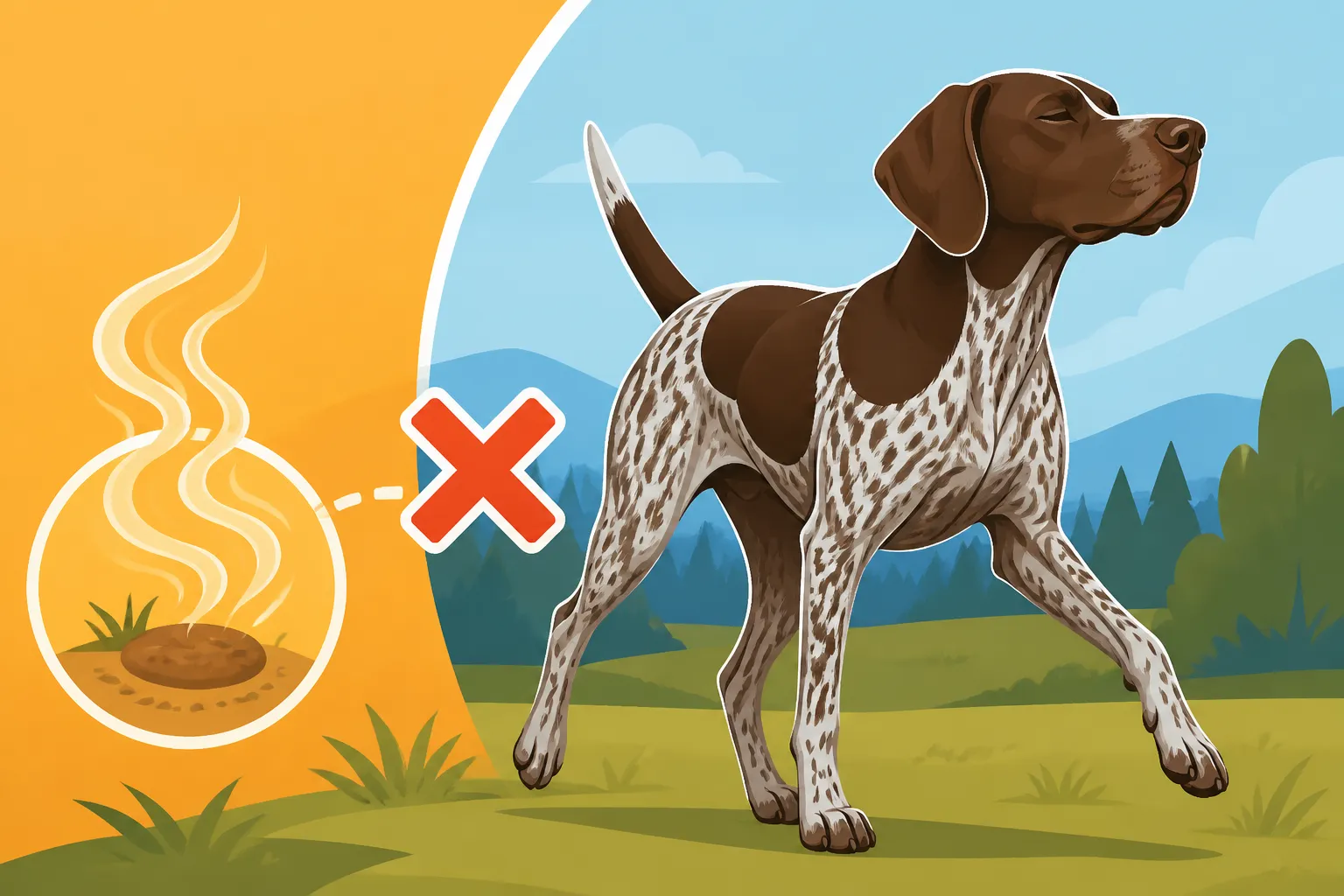
It’s incredibly frustrating when your German Shorthaired Pointer, a breed renowned for its keen nose and tireless drive, seems to completely ignore scent cues in the field or even during casual walks. You've envisioned those perfect points and retrieves, only to be met with a dog that breezes past game or appears oblivious to interesting smells. This guide dives deep into the complex reasons why your GSP might be acting this way, validating your concerns and offering actionable strategies to reignite that powerful, inherent scenting instinct.
The German Shorthaired Pointer's Innate Scenting Prowess
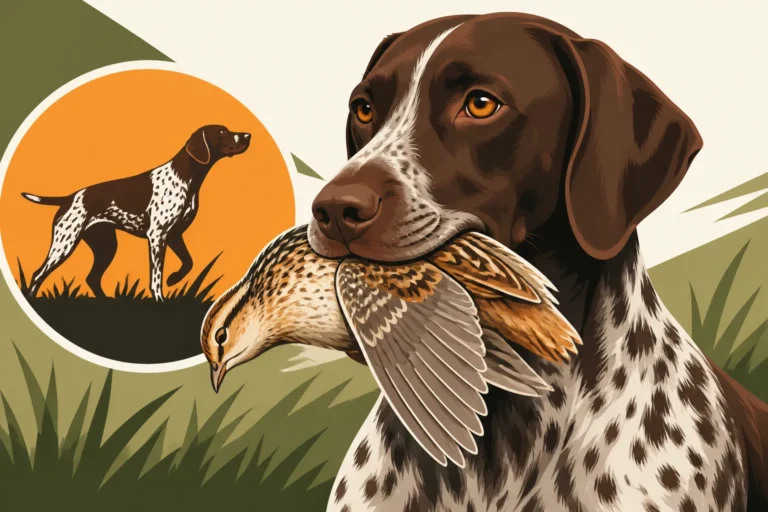
German Shorthaired Pointers are, by their very design, scent-driven machines. Their entire lineage was carefully crafted in Germany to produce a versatile hunting dog that could point, track, and retrieve both fur and feather, on land and in water. Ignoring scent isn't just unusual for a GSP; it goes against their fundamental genetic programming. When a dog like this seems disengaged from scent, it's often a sign that something is amiss, whether in their training, environment, or even their physical health.
Understanding the Instinctive Drive
Imagine generations of selective breeding, focusing on dogs with the most acute sense of smell, the strongest desire to find game, and the intelligence to work cooperatively with a handler. That’s what you have in a German Shorthaired Pointer. Their noses are packed with millions more olfactory receptors than ours, allowing them to detect scents at concentrations we can't even fathom. For them, the world is a rich tapestry of smells, and game scent is like a billboard flashing "PRIZE AHEAD!" This isn't something they learn from scratch; it's deeply ingrained. They are literally born with an instinct to follow a scent trail, to process that information, and to locate the source. This natural ability is a core part of what makes them such effective and beloved hunting companions.
When Is "Ignoring" a Problem?
It’s one thing for a young, inexperienced puppy to be easily distracted; it’s another for a more mature GSP to consistently miss or disregard scent. If your dog is a young pup, say under six months, and they're sniffing around but just not focusing on specific bird scent, it might just be normal puppy distractibility or a lack of exposure. However, if your GSP is older, has had some exposure to birds or scent work, and now appears to be actively bypassing scent, or shows no interest in engaging with scented items, then it’s time to pay close attention. It could manifest as blowing past a planted bird, failing to follow a clear blood trail, or even just not exploring interesting smells on a walk when they usually would. This isn't just a minor training hiccup; it could indicate deeper issues that need to be addressed. Early intervention is key, so don't dismiss it as just being "stubborn."
Common Reasons Your GSP Might Be Ignoring Scent
Pinpointing why your GSP is ignoring scent can feel like detective work, but it's a critical step. There are many potential factors, ranging from simple training gaps to more serious health concerns. It’s important to approach this with patience and an open mind, systematically ruling out possibilities.
Lack of Foundation or Overwhelming Pressure
Sometimes, the issue isn't a lack of ability, but a lack of proper foundational training, or perhaps too much too soon. A GSP needs to learn what scent means and what to do with it. If they haven't had a chance to connect bird scent with a rewarding outcome, or if they've been pushed too hard, too fast, they might shut down.
- Insufficient Exposure: A young German Shorthaired Pointer might not have had enough positive experiences with bird scent. Just because they have the instinct doesn't mean they automatically know how to apply it in a hunting scenario. They need controlled introductions to differentiate game scent from all the other smells in the world. Using a "wing on a string" or Introducing a German Shorthaired Pointer to Birds in a controlled environment can build that initial connection. Without this, they might simply categorize bird scent as just another smell, rather than something specific and exciting.
- Too Much, Too Soon: Conversely, sometimes handlers get overly eager and expose their GSP to too many distractions or high-pressure situations before the dog is ready. If a puppy is put on a strong bird with too many other dogs, or in an environment where they are corrected harshly for breaking point, they might develop a negative association with the entire experience. This can lead to a dog that actively avoids scent work to avoid the perceived pressure or stress, effectively "turning off" their nose as a coping mechanism.
- Inconsistent Training: German Shorthaired Pointers thrive on consistency. If scent work has been sporadic, or if different handlers have used different methods, the dog can become confused. One day they're rewarded for finding a bird, the next they're ignored. This inconsistency can dilute the importance of scent in their mind, making them less likely to engage fully.
Distraction Overload
GSPs are intelligent and high-energy dogs, but even they can get overwhelmed by their environment. What we see as "ignoring scent" might actually be them being utterly captivated by something else.
- Environmental Stimuli: A busy field with other dogs, people, sounds, or even strong wind carrying non-game scents can be a massive distraction. A young or sensitive GSP might find it impossible to focus on the subtle nuances of game scent when there's so much other interesting input. This is especially true if their fundamental obedience commands, like "whoa" or recall, aren't rock-solid. They might be interested in scent but simply lose focus when a rabbit bolts across their path or another dog runs by.
- Lack of Handler Focus: Believe it or not, sometimes the handler is the distraction. If you're constantly talking, making sudden movements, or not giving clear cues, your GSP might be more focused on trying to interpret your behavior than on the task at hand. GSPs are incredibly tuned into their people, and if you're not projecting confidence and clear direction, they might struggle to concentrate. It's about creating a partnership where both of you are focused on the same goal.
- Prey Drive Diverted: While game birds are typically high-value, sometimes a GSP's prey drive can be diverted to other things – squirrels, deer, even blowing leaves. If these distractions offer a more immediate or exciting chase, a dog might prioritize them over the more subtle work of scenting a bird. This often happens if the dog hasn't learned that ignoring these diversions and focusing on game leads to a much bigger reward.
Physical Issues or Health Concerns
It's easy to jump to behavioral conclusions, but sometimes the reason a GSP ignores scent is purely physical. Their nose is their primary tool, and if it's not working correctly, their performance will suffer.
- Nasal Obstructions or Infections: Just like us, dogs can suffer from allergies, colds, or even more serious nasal issues. A foreign body, like a Grass Awns in a German Shorthaired Pointer's Nose or a foxtail, lodged in their nasal passages can cause discomfort and block their ability to smell effectively. Chronic allergies can inflame nasal tissues, reducing sensitivity. Even a simple upper respiratory infection can temporarily dull their sense of smell. If you notice any discharge, sneezing, pawing at the nose, or changes in breathing, a vet visit is essential.
- Dental Pain: While seemingly unrelated, severe dental pain or an abscessed tooth can cause a dog to avoid putting pressure on their muzzle, which is naturally what they do when they are intensely scenting the ground. This discomfort could make them less willing to engage their nose fully in ground scenting, even if their olfactory sense is intact. Always rule out pain when observing a behavioral change. Dental Disease in a Middle Aged German Shorthaired Pointer can be a silent issue that impacts overall performance.
- Hypothyroidism: This is a less common but possible cause. A German Shorthaired Pointer with an underactive thyroid can exhibit a range of symptoms, including lethargy, weight gain, and sometimes, a general dulling of senses and drive. If your GSP is also showing other signs like A German Shorthaired Pointer That Has Stopped Wanting to Run or Coat Changes From Hypothyroidism in a Shorthair, it's worth discussing with your vet. A simple blood test can often diagnose this.
- Age and Sensory Decline: As GSPs get older, their senses can naturally start to decline. While typically their nose is one of the last senses to go, an older dog might not pick up faint scents as readily as they once did. If your GSP is a senior, patience and adapting your expectations might be necessary. It's a natural part of aging, and we can support them by working in closer cover or with stronger scent.
Negative Associations or Fear
Dogs are masters of association. If they've had a bad experience while attempting to use their nose, they might actively avoid it.
- Gun Shyness: This is a classic example. If a dog is introduced to gunfire too harshly or too close, especially when focused on a bird, they can become gun shy. Their fear of the loud noise can become directly linked to the act of finding game, making them reluctant to engage with birds or scent. Fixing a Gun Shy German Shorthaired Pointer is a long and patient process, but it starts with understanding the root cause.
- Handler Corrections: Harsh corrections, especially around birds or when the dog is trying to concentrate on scent, can be detrimental. If a dog is repeatedly scolded or physically corrected for breaking point, chasing, or making a mistake, they might learn that trying to engage with game scent leads to punishment. This can manifest as disinterest or a hesitant, "head-down" approach, where they're constantly checking back with you for approval rather than trusting their own nose.
- Traumatic Experiences: A less common but possible scenario involves a truly traumatic experience. Perhaps they were bitten by a snake while scenting, or got tangled in barbed wire. These isolated, negative events can create strong negative associations with the environment or the act of hunting itself, leading them to avoid scent work.
Strategies to Rekindle Your Shorthair's Scenting Fire
Once you've tried to pinpoint the potential reason for your GSP's scent indifference, it's time to implement a plan. The good news is that GSPs are generally eager to please and driven, so with the right approach, you can often bring that natural scenting ability back to the forefront.
Back to Basics: Building a Solid Foundation
Sometimes the best way forward is to take several steps back. Revisit the fundamental principles of scent work, but do so in a way that rebuilds confidence and makes the experience fun and rewarding again.
- Controlled, Positive Introductions: Start with very simple, high-reward scent games in a distraction-free environment. Think of a freshly killed pigeon wing or a piece of game bird skin hidden in plain sight in your living room or a quiet backyard. Let your GSP "find" it easily and reward lavishly with praise, a favorite treat, or even a quick game of tug. The goal here is to re-establish the positive association: scent = reward. You can find specific tools like training dummies and scent lures on sites like Amazon to help with this. The idea is to make success almost guaranteed at first, slowly increasing difficulty as their confidence grows. For younger pups, Wing on a String for a Shorthair Puppy is an excellent starting point for this type of positive introduction.
- "Whoa" and Steadiness Reinforcement: Before tackling serious scent work in the field, ensure your GSP has a rock-solid "whoa" command. This command teaches them to stop and hold still, even when highly motivated by scent. A dog that is breaking point or constantly creeping after game won't be able to properly process scent information. Practice "whoa" away from birds first, perhaps on a training table or barrel, then gradually introduce distractions. This steadiness allows them to fully absorb the scent picture without rushing, which is crucial for precise pointing. Building Whoa on a Shorthair With a Check Cord can be invaluable here.
- Simple Scent Games: Beyond formal bird work, engage your GSP in informal scent games. Hide treats around the house and encourage them to find them using their nose. Use puzzle feeders that require them to sniff out the food. This strengthens their general scenting muscles and makes using their nose a fun, engaging activity, rather than just a performance expectation. Even something as simple as scattering their kibble in the grass and letting them sniff it out can be a great mental workout. Puzzle Feeders and Scent Games for a Shorthair can enhance this kind of mental stimulation.
Creating an Optimal Training Environment
The environment plays a huge role in a GSP's ability to focus. If your dog is struggling, consider adjusting their training surroundings to minimize distractions and maximize success.
- Minimize Distractions: When first re-introducing scent work, choose a location with minimal external stimuli. This might mean a quiet field away from roads, other dogs, or heavy pedestrian traffic. Work early in the morning or late in the evening when things are calmer. The fewer competing smells and sights, the easier it will be for your GSP to concentrate solely on the game scent. This controlled setting helps them build confidence before moving to more challenging environments.
- Short, Focused Sessions: GSPs have incredible stamina, but their mental focus can wane, especially if they're struggling. Keep scent training sessions short, perhaps 10-15 minutes, but highly focused and positive. End on a high note, always. It’s better to have several short, successful sessions than one long, frustrating one. This builds enthusiasm and prevents mental fatigue that can lead to shutting down.
- Read Your Dog: Pay close attention to your GSP's body language. Are their ears forward? Is their tail flagging with interest? Or are they looking away, yawning, or licking their lips, which can be signs of stress? If you see signs of stress or disengagement, ease up. Take a break, do something fun, and then try again later, perhaps with an even simpler task or a change of scenery. Always keep the experience positive and fun.
Building Drive and Confidence
Sometimes, a GSP who ignores scent has lost a bit of its drive or confidence. Your role is to rebuild that enthusiasm.
- Use High-Value Rewards: When your GSP engages with scent, reward them with something they absolutely love. This might be a favorite squeaky toy, a high-value treat, or enthusiastic praise. The reward should be immediate and exciting, directly linking the act of scenting to something incredibly positive. Think of what truly motivates your individual dog.
- One-on-One Time: Dedicate specific, positive one-on-one time with your GSP, focusing on activities they enjoy. This could be a vigorous fetch session, a swim, or just cuddles. This strengthens your bond and reminds them that training is a partnership, which can boost their confidence and willingness to try new things, including scent work. The Structure a German Shorthaired Pointer Needs Daily often involves this type of focused engagement.
- Introduce Live Birds Carefully: Once your GSP is showing renewed interest in scent and is steady on whoa, you can carefully introduce The First Live Bird for a German Shorthaired Pointer. Start with a pigeon or quail in a bird launcher, allowing them to point without flushing initially. The excitement of a live bird can often reignite their natural drive. Ensure the experience is entirely positive, and that you are prepared to prevent them from breaking point until you give the command. Programs from online providers like BAXTER & Bella can offer guidance on these steps.
Addressing Physical and Behavioral Concerns
If you suspect a physical issue or deep-seated fear, professional help is crucial.
- Veterinary Check-Up: If you have any suspicion of a physical ailment, schedule a thorough veterinary examination. This includes checking their ears, teeth, and nasal passages, and potentially bloodwork to rule out conditions like hypothyroidism. Don't overlook this step; sometimes the solution is purely medical.
- Professional Trainer Consultation: If you've tried the above steps and your GSP is still struggling, or if you suspect a more complex behavioral issue like gun shyness or a deeply ingrained negative association, consult with a professional gun dog trainer or a certified canine behaviorist. They can observe your dog, identify subtle cues you might be missing, and develop a tailored training plan. A good trainer can help diagnose if your GSP is merely being distracted, or if there's a deeper psychological block.
- Patience and Consistency: Regardless of the cause, solving scent indifference requires immense patience and unwavering consistency. This isn't a quick fix. Celebrate small victories and avoid frustration. Your GSP is looking to you for guidance and confidence. Remember, the bond you share is the most powerful training tool you have. How Long a Working German Shorthaired Pointer Stays Sound often comes down to this kind of consistent care and attention over their lifespan.
Preventing Scent Indifference in Young Pointers
For new German Shorthaired Pointer owners, or those with young pups, prevention is always better than cure. Setting up your young GSP for success in scent work begins long before their first bird hunt.
Early, Positive Exposure to Scent
The key to a well-rounded scenting dog is a series of positive, low-pressure introductions to relevant scents from a young age. This doesn't mean forcing them into intense training, but rather making scent discovery a fun part of their puppyhood.
- Puppy Scent Games: Even before a German Shorthaired Pointer puppy is old enough for formal bird work, you can start building their scenting interest. Hide small, high-value treats in the grass and let them use their nose to find them. Play "find the toy" games where you briefly scent a toy with a bird wing (like a pheasant or quail wing, which you can purchase online from places like Amazon) and hide it. Keep it fun and light. This builds confidence in using their nose and creates a positive association with finding things through scent. It's about nurturing their natural curiosity.
- Controlled Bird Introductions: When they are old enough, typically around 3-6 months, introduce them to birds in a very controlled, positive manner. Using Pigeons to Start a Shorthair is a common and effective method because pigeons are hardy and can fly well, offering a good flight experience without being too overwhelming. Start with a single bird in a quiet field. Let them investigate, point, and then reward them for showing interest. Avoid any pressure or corrections during these early stages. The goal is to ignite their natural prey drive and connect it with bird scent in a stress-free way.
- Socialization and Desensitization: A well-socialized puppy is generally a more confident and focused puppy. Expose your GSP pup to various sights, sounds, and environments in a positive way. This helps them learn to filter out irrelevant distractions and focus on the task at hand when they are older. A dog that is fearful or overstimulated by novel environments will struggle to concentrate on subtle scent cues. Consider puppy classes or online resources like BAXTER & Bella for structured socialization guidance.
Avoiding Common Pitfalls
Preventing scent indifference also means being mindful of what not to do, especially during their crucial developmental stages.
- Don't Rush the Process: The development of a keen scenting dog takes time. Avoid rushing your GSP into complex situations or expecting too much too soon. Forcing a young dog, or one showing reluctance, will likely backfire and create negative associations. Each dog develops at their own pace, and respecting that pace is paramount. The temptation to push a talented dog can be strong, but patience yields better long-term results.
- Steer Clear of Negative Reinforcement: While there's a place for correction in advanced training, it has no place in early scent introductions. Any negative experience associated with birds or scent can quickly extinguish a puppy's natural drive. Keep interactions positive, encouraging, and rewarding. If your dog makes a "mistake" like bumping a bird, don't punish them; simply reset the situation and try again. Focus on building success, not correcting failures.
- Balance Training with Play: Remember that your German Shorthaired Pointer is still a dog, and play is essential for their mental and physical well-being. Integrate scent work into play, making it seamless and fun. A dog that enjoys their time with you is more likely to be engaged and willing to learn. Don't let training become a chore for either of you. Maintaining a good balance helps prevent burnout and keeps their natural enthusiasm alive.
Disclaimer
This article is for general informational purposes only and does not constitute professional advice. Laws, prices and regulations vary by location and change over time. Consult a qualified professional for guidance on your specific situation.