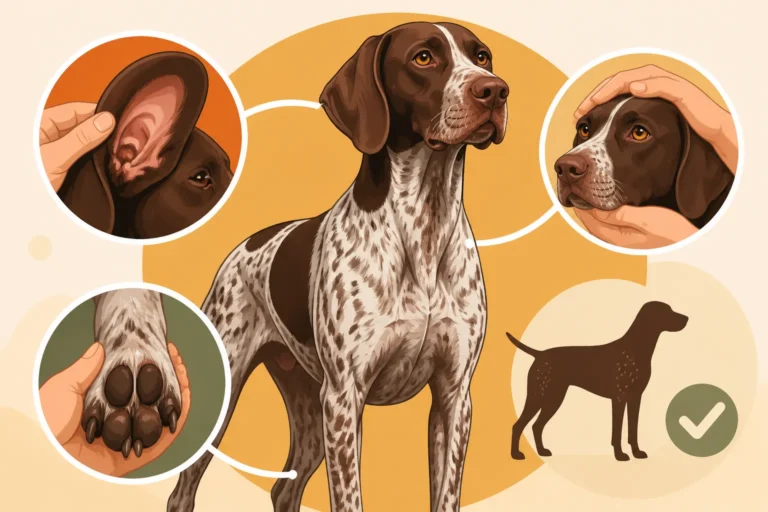
Switching a Shorthair Onto a New Food
There comes a time in every German Shorthaired Pointer owner's journey when you realize the current food just isn't cutting it, or perhaps you're simply considering an upgrade. Changing your Shorthair's diet can feel like navigating a minefield of conflicting advice, potential tummy troubles, and endless options. This comprehensive guide is here to walk you through the process of smoothly transitioning your GSP onto a new food, helping you understand why a change might be needed, how to do it safely, and what to do if things don't go exactly to plan.
Why You Might Need to Switch Your GSP's Food
It’s never a decision made lightly, is it? We get our GSPs on a food that seems right, and then life happens. Maybe they're not thriving, or perhaps their needs simply evolve. Understanding the common triggers for a food change can help you pinpoint if it's truly time for your Shorthair to move on to something new.
Age and Life Stage Changes
Just like us, German Shorthaired Pointers have different nutritional requirements throughout their lives. A rambunctious, fast-growing puppy needs a diet formulated to support rapid bone and muscle development, often higher in calories and specific nutrients. Feeding a growing Shorthair puppy requires careful consideration to ensure they don't grow too fast, which can put stress on their developing joints. Once they hit adulthood, their caloric needs typically decrease, and they transition to an adult formula. Then, as they enter their golden years, becoming senior dogs, their metabolism slows down, and they might need fewer calories, more joint support, or easier-to-digest proteins. Ignoring these shifts can lead to weight issues, joint problems, or a general lack of vitality. The Growth Year of a German Shorthaired Pointer Puppy delves into these developmental stages.
It’s not just about calories, though. Think about a GSP puppy. Their little bodies are like highly efficient growth machines, but they can be delicate. Overfeeding a puppy on a calorie-dense food designed for high-energy adults, for instance, could contribute to orthopedic issues later on. Conversely, an active adult Shorthair trying to maintain peak performance on a low-calorie senior diet might constantly feel hungry and lose condition. And for our older, beloved GSPs, a senior diet isn't just about cutting calories; it often includes supplements like glucosamine and chondroitin to support aging joints, or easily digestible ingredients to accommodate a more sensitive digestive system.
Health Concerns and Dietary Needs
Sometimes, a health issue pops up that absolutely dictates a diet change. Allergies are a huge one – think itchy skin, chronic ear infections, or constant paw licking. These can often be traced back to a specific protein or grain in their current food. Then there are more serious conditions like pancreatitis, kidney disease, or even certain types of heart conditions that require very specialized prescription diets. It’s not about finding the "best" dog food generally, but the "best" dog food for your dog's specific medical situation.
For instance, if your Shorthair starts developing Loose Stools in a German Shorthaired Pointer or other gastrointestinal upset, a bland, easily digestible food might be prescribed by your vet, at least temporarily. Other times, you might be dealing with persistent itching and scratching, which could be a sign of environmental allergies or a food sensitivity. Switching to a limited ingredient diet, or one with a novel protein source, can often make a dramatic difference. You might explore options from a wide retailer like Chewy, which offers a vast selection of veterinary diets and specialized formulas, making it easier to find what your vet recommends. It’s a detective game, sometimes, figuring out what ingredient is the culprit, and your vet is your most important ally in this process.
Performance Demands and Energy Levels
Let's be real: German Shorthaired Pointers are athletes. Whether they’re tearing through fields pointing pheasants, retrieving ducks from icy water, or just keeping up with you on a long trail run, they burn an incredible amount of energy. Their dietary needs during hunting season are dramatically different from their off-season routine. Feeding a German Shorthaired Pointer Around a Hunt and Calorie Needs of a German Shorthaired Pointer in Season are critical considerations.
A standard adult maintenance food might be perfectly fine for a Shorthair who gets a good daily walk and some playtime. But if you're putting your GSP through a grueling hunting season, competing in field trials, or even doing intense agility training, they need a high-performance diet. This typically means higher protein and fat content to fuel sustained energy and aid in muscle recovery. Failing to meet these demands can lead to weight loss, decreased endurance, and a longer recovery time after strenuous activity. Imagine trying to run a marathon on a diet of crackers – it just won't work. We want our GSPs to be Keeping a German Shorthaired Pointer Lean and Hard, not running on empty.
Ingredient Sensitivities or Allergies
This is a big one for many GSP owners. You might notice your Shorthair scratching incessantly, developing hot spots, having chronic ear infections, or experiencing recurring digestive upset. While environmental allergies are common, food sensitivities or full-blown allergies can often be the culprit. Common offenders often include chicken, beef, dairy, wheat, or corn.
A food trial, usually under veterinary guidance, is often necessary to pinpoint the exact allergen. This involves feeding a novel protein and carbohydrate source (something your dog has never eaten before) for several weeks, then slowly reintroducing previous ingredients one by one. Finding a suitable limited ingredient diet can be a challenge, but online retailers like Chewy often have comprehensive filters that allow you to search for foods free of common allergens, or those with specific novel proteins like venison or duck. Some owners even explore fresh food options like Ollie, which allows for highly customized ingredient lists, minimizing exposure to potential allergens. The key is strict adherence to the new diet during the trial period to get accurate results.
Understanding the "Why" Before You Switch
Before you even think about buying a new bag of kibble, it's absolutely crucial to understand why you're making this change. This isn't just about picking a different flavor; it's about addressing a specific need or problem. Skipping this step is like trying to fix a leaky faucet without knowing where the leak is – you might just end up with a bigger mess.
Identifying the Root Cause of the Current Food Issue
Take a moment to truly evaluate your Shorthair's current situation. Are they itchy? Do they have soft stools, or are they outright vomiting? Have they lost weight, or conversely, are they looking a bit soft around the middle? Is their energy flagging, or are they just not recovering well after a strenuous day in the field? Be specific. If it's a skin issue, consider when it started, what parts of their body are affected, and if it's seasonal. If it's digestive, think about the frequency and consistency of their stools, and if there's any blood or mucus. The Scaling Skin That Starts on a Shorthair's Back might point to a specific condition requiring a specialized diet.
A food diary can be incredibly helpful here. For a couple of weeks, jot down everything your GSP eats – their regular food, treats, table scraps (though hopefully those are minimal!), and any supplements. Alongside that, note any symptoms: scratching, licking, loose stools, changes in energy, etc. This detailed record can reveal patterns or specific triggers that you might otherwise miss. Sometimes, the problem isn't the main food at all, but a new type of treat or chew you've introduced. Being thorough now will save you a lot of headache (and vet bills) later.
Researching New Food Options Effectively
Once you have a clear idea of the "why," you can start looking for solutions. This means diving into the world of dog food labels, which can feel overwhelming. Look for foods that specifically address your GSP's needs. If it's allergies, prioritize limited ingredient diets with novel proteins. If it's for performance, seek out higher protein and fat content. If it's weight management, focus on lower-calorie, high-fiber options. Don't just grab the bag with the prettiest picture.
Pay attention to the first few ingredients listed; these make up the bulk of the food. Look for whole meat sources, healthy fats, and appropriate carbohydrates. Be wary of foods with excessive fillers or by-products if you're trying to resolve a sensitivity. Online resources like Chewy allow you to filter by brand, ingredient, life stage, and even specific health concerns, which can really narrow down your search. You can also read reviews on platforms like Amazon to see what other owners of active breeds are saying about different formulas. Remember, what works for one GSP might not work for another, but general trends in reviews can be insightful.
Consulting Your Veterinarian for Tailored Advice
This step is non-negotiable, especially if you're dealing with health issues. Your veterinarian knows your Shorthair's medical history, has insights into breed-specific concerns, and can help rule out underlying conditions that might be masquerading as a food problem. They can guide you towards appropriate prescription diets if needed, or recommend specific over-the-counter formulas that align with your dog's health profile.
Bringing your food diary and your research to your vet appointment can facilitate a much more productive conversation. They can help you decipher ingredient lists, explain the pros and cons of different diet types (like raw, fresh, or kibble), and provide a tailored transition plan. For instance, if you're considering a fresh food diet like Ollie, your vet can discuss how to ensure it's nutritionally balanced for your GSP's needs, especially if they have specific medical requirements. Don't underestimate the value of professional, personalized advice when it comes to something as fundamental as your dog's diet.
The Gradual Approach: Why Slow and Steady Wins the Race
Okay, you've done your homework, consulted your vet, and picked out the perfect new food. The biggest mistake you can make now is swapping it out cold turkey. This is where patience truly becomes a virtue, because an abrupt change can lead to a very unhappy stomach – and a very unhappy you.
The Dangers of an Abrupt Change
Imagine suddenly switching from your usual diet to eating nothing but spicy food for a week. Your stomach would probably revolt, right? It’s the same for your German Shorthaired Pointer. Their digestive system, particularly the delicate balance of gut bacteria, is accustomed to their current food. Introducing an entirely new formula all at once is a shock to that system.
An immediate switch almost guarantees gastrointestinal upset. We're talking diarrhea, vomiting, gas, and abdominal discomfort. Not only is this miserable for your dog, but it can also make it difficult to tell if they truly don't tolerate the new food, or if they're just reacting to the speed of the change. This stress can also make them reluctant to eat the new food, even if it's otherwise perfectly suitable for them. You want your GSP to associate the new food with feeling good, not with feeling sick.
Preventing Digestive Upset and Nausea
The key to a smooth transition is to introduce the new food gradually, slowly replacing a portion of the old food with the new over several days. This allows your GSP's digestive enzymes and gut flora to slowly adapt to the new ingredients without being overwhelmed. Think of it like acclimating to a new exercise routine; you don't go from the couch to a marathon overnight.
Many owners find adding a probiotic supplement during the transition period can be very helpful. These supplements, often available on Amazon or Chewy, can help maintain a healthy balance of gut bacteria, easing the digestive shift. You might also consider using a bland additive like plain canned pumpkin (not pie filling!) or boiled chicken and rice if your Shorthair is particularly sensitive, but always clear these additions with your vet first, especially if they're on a specialized diet. The goal is to make the experience as seamless and symptom-free as possible. Whether a Shorthair Needs a Probiotic is a great article to consult for more information on this topic.
Allowing Your GSP's System to Adapt
Each German Shorthaired Pointer is an individual. Some have stomachs of steel and can handle a faster transition, while others are incredibly sensitive and need a much slower introduction. A typical transition period is 7 to 10 days, but for a GSP known for a sensitive stomach, or if they are currently experiencing some mild GI upset, extending this to two or even three weeks might be necessary.
During this adaptation period, observe your Shorthair closely. Are their stools firm and well-formed? Is their appetite normal? Are they showing any signs of discomfort or increased gas? If you notice any regression in their digestive health, slow down the transition. Stay at the current ratio of old to new food for a few extra days until their system settles, then proceed. This flexibility is crucial. Rushing through the process often means you’ll end up right back where you started, with a sick dog and wasted food.
The Step-by-Step Food Transition Plan
Now that we understand why we're going gradual, let's lay out a clear, actionable plan. This method is tried and true, designed to minimize disruption to your GSP's sensitive digestive system and make the switch as stress-free as possible.
The Standard 7-10 Day Method
This is the most commonly recommended approach and works well for most dogs. The idea is to incrementally increase the new food while decreasing the old food over about a week to ten days. Here's a general schedule:
Day 1-2: 75% Old Food, 25% New Food
Start by mixing a small portion of the new food with a large portion of their old food. This initial introduction allows your Shorthair to get used to the smell and taste, and for their digestive system to start processing the new ingredients in very small amounts. Monitor their stools and appetite closely. If all looks good, proceed.
Day 3-4: 50% Old Food, 50% New Food
Now, you're at an even split. This is a significant step, as half of their meal is entirely new. Continue to observe for any signs of upset. If your GSP has loose stools or seems gassy, pause here for an extra day or two until things firm up before moving on. Patience is paramount.
Day 5-6: 25% Old Food, 75% New Food
You're almost there! At this point, the new food makes up the majority of their diet. If they've tolerated the previous stages well, they'll likely handle this step without issue. However, if any mild issues arise, simply hold this ratio for another day or two.
Day 7-10: 100% New Food
By now, your German Shorthaired Pointer should be comfortably eating their new food. You can officially say goodbye to the old bag! Remember, even after the full transition, continue to monitor your dog for a few more days, just to ensure long-term comfort and digestion. This process is generally quite effective for minimizing issues.
Extending the Transition for Sensitive Shorthairs
Some German Shorthaired Pointers, especially those with known sensitive stomachs, chronic digestive issues, or those prone to conditions like The Bloat Risk a Shorthair Carries Into Every Season, truly benefit from a much slower transition. Instead of a 7-10 day schedule, you might stretch it out to two or three weeks.
Here’s how an extended schedule might look:
- Days 1-4: 90% Old Food, 10% New Food: Start incredibly slowly, barely introducing the new food. This is often just a handful, enough for them to taste and for their gut to get a tiny exposure.
- Days 5-8: 75% Old Food, 25% New Food: Once the initial small amount is well-tolerated, increase it slightly.
- Days 9-12: 50% Old Food, 50% New Food: Take your time at this halfway point, as it's often where sensitivities become more apparent.
- Days 13-16: 25% Old Food, 75% New Food: By now, if they’ve handled it this far, they’re likely doing great.
- Days 17-21: 100% New Food: Finish the transition over a full three weeks.
This extended timeline gives the digestive system ample opportunity to adjust without being rushed, significantly reducing the chances of digestive upset. It might seem tedious, but it's far better than dealing with days of diarrhea or a refusal to eat.
Monitoring Your GSP's Response Daily
Throughout this entire process, your GSP is your best guide. You need to be a diligent observer.
What to watch for:
- Stool Consistency: This is your number one indicator. You're looking for firm, well-formed stools. Any looseness, diarrhea, or even mucus or blood, means you've gone too fast.
- Appetite: Is your Shorthair eating enthusiastically, or are they hesitant? A sudden loss of appetite could indicate discomfort.
- Energy Levels: Are they acting normal, or do they seem lethargic?
- Vomiting or Regurgitation: Any vomiting, especially more than once, is a red flag.
- Gas or Abdominal Discomfort: Excessive gas, bloating, or any signs of tenderness when you touch their belly warrants immediate attention.
- Skin and Coat Changes: While less immediate, continued itching or dull coat can indicate the new food isn't quite right, especially if you're switching for allergy reasons.
Keep a mental (or even written) note of these observations. If you notice any negative changes, simply backtrack to the previous, well-tolerated ratio for a couple of days before attempting to increase the new food again. Consistency in monitoring is what helps you navigate any bumps in the road.
Troubleshooting Common Issues During Transition
Even with the most careful planning and a gradual approach, sometimes things don't go perfectly. It's frustrating when your efforts don't yield immediate success, but these issues are often manageable with a bit of extra care and knowing what to look for.
Addressing Diarrhea and Vomiting
If your German Shorthaired Pointer develops diarrhea or starts vomiting during the transition, the first thing to do is stop increasing the new food. Revert to the last ratio that they tolerated well, or even go back to 100% old food if the symptoms are severe.
For mild diarrhea:
- Fast for 12-24 hours: Withholding food for a short period can give the digestive system a much-needed rest. Always ensure fresh water is available.
- Introduce a bland diet: After the fast, offer small, frequent meals of plain boiled chicken (no skin or bones) and white rice. Once stools are firm, slowly reintroduce the old food for a day or two, then restart the very slow transition to the new food.
- Probiotics: Continue or start a good probiotic supplement. Many reputable brands can be found on Chewy or Amazon.
For vomiting or severe diarrhea (with lethargy, pain, or blood):
- Contact your veterinarian immediately. These symptoms can indicate something more serious than just food intolerance and require professional assessment. Never hesitate to call your vet.
It’s crucial to distinguish between a temporary adjustment period and a genuine intolerance. Slowing down the transition often resolves mild issues, but persistent or severe symptoms mean the food might not be right for your GSP.
Dealing With Picky Eaters
German Shorthaired Pointers are generally not known for being overly picky, especially if they are getting the exercise they need. However, some dogs can be hesitant about new flavors or textures. If your GSP is turning up their nose at the new food mix, here are a few tricks:
- Warm it up: Adding a little warm water or low-sodium chicken broth (ensure it's onion and garlic free!) can enhance the aroma and palatability, making the food more appealing. This can be particularly effective if you're introducing fresh food options like Ollie, as they often taste better warmed slightly.
- Mix thoroughly: Ensure the old and new foods are thoroughly mixed so your GSP can't easily pick out just the old kibble.
- Top with something enticing: A small spoonful of plain yogurt, wet dog food, or a tiny bit of peanut butter (xylitol-free!) can encourage them to eat the meal. Just be mindful of how much you add, especially if they have sensitivities.
- No free-feeding: If your GSP is free-fed, switch to scheduled meal times. Put the food down for 15-20 minutes. If they don't eat it, pick it up until the next meal. A hungry dog is usually less picky.
Remember, a healthy GSP won't starve itself. If they consistently refuse to eat, and it's accompanied by other symptoms like lethargy or vomiting, consult your vet to rule out any underlying medical issues.
Recognizing Allergic Reactions to New Ingredients
If you're switching food specifically due to suspected allergies, it's vital to know how to spot a reaction to the new food. Even novel proteins can cause issues for some highly sensitive dogs.
Signs of an allergic reaction:
- Intense Itching: Much worse than before, or new itching in areas not previously affected.
- Skin Rashes or Hives: Red, bumpy skin.
- Paw Chewing/Licking: Persistent attention to their paws.
- Ear Infections: Recurring or new ear inflammation, redness, or discharge.
- Facial Swelling: Swelling around the muzzle, eyes, or lips. This is a more severe reaction and requires immediate veterinary attention.
- Gastrointestinal Upset: Diarrhea, vomiting, or excessive gas.
If you suspect an allergic reaction, stop the new food immediately and revert to the old food (unless the old food was the cause of the problem). Then, contact your vet. They might suggest a different novel protein, a hydrolyzed protein diet, or further diagnostic testing. This detective work can be challenging, but finding the right food will bring immense relief to your GSP.
When to Seek Professional Guidance
While many food transitions go smoothly with a gradual approach, there are definitely times when you need to pick up the phone and call your veterinarian. It’s always better to be safe than sorry, especially with our active, often stoic, German Shorthaired Pointers.
Persistent Digestive Problems
If your German Shorthaired Pointer continues to experience digestive upset – chronic diarrhea, frequent vomiting, excessive gas, or abdominal pain – despite a slow transition and your best efforts at troubleshooting, it's time for a vet visit. This isn't just about discomfort; persistent digestive issues can lead to dehydration, nutrient deficiencies, and weight loss.
Your vet might recommend specific diagnostic tests, such as stool samples to check for parasites or bacterial overgrowth, blood tests to assess organ function, or even imaging to look for structural issues in the digestive tract. They might also prescribe medications to help calm the gut or suggest a highly digestible prescription diet that is not available over the counter. Loose Stools in a German Shorthaired Pointer should never be ignored if it's ongoing. Sometimes, a seemingly benign symptom can be a clue to a much larger issue, and your vet is the best person to piece that puzzle together.
Sudden Changes in Energy or Behavior
A healthy, well-fed German Shorthaired Pointer is a dynamo – full of energy and eager to work or play. If you notice a significant drop in their energy levels, lethargy, or a marked change in their typical happy-go-lucky behavior during or after a food transition, this is a serious red flag.
These changes could indicate that the new food isn't providing adequate nutrition, that your GSP is experiencing pain or discomfort from digestive issues, or even that an underlying health problem has been triggered or exacerbated by the dietary change. For instance, if you’re trying to put Putting Weight Back on a Shorthair After Hunting and they remain lethargic or continue to lose weight, that's a sign the diet isn't working as intended. While a slight adjustment period is normal, a sustained decline in vitality warrants immediate veterinary attention. Your vet can assess their overall health, check their weight, and ensure they're not developing any more serious conditions.
Underlying Health Conditions Requiring Specific Diets
If your German Shorthaired Pointer has a diagnosed health condition – such as kidney disease, liver disease, diabetes, certain types of cancer, or severe allergies – changing their diet becomes a much more complex endeavor. In these cases, your veterinarian is not just a consultant; they are a critical partner in the decision-making process.
Many of these conditions require specific prescription diets that are formulated with precise nutrient profiles to manage the disease. For example, a GSP with kidney disease will need a diet lower in protein and phosphorus, while a diabetic dog might need a food that helps stabilize blood sugar. Introducing a new food without vet guidance could inadvertently worsen their condition. Your vet can guide you to appropriate options, whether they are specialized kibble, canned foods, or even advise on how to formulate a balanced home-cooked or fresh diet (perhaps with input from a veterinary nutritionist) if that's a path you wish to explore. They can also perform necessary bloodwork and other tests to monitor how your GSP is responding to the new therapeutic diet.
The world of German Shorthaired Pointer care can be wonderfully rewarding, but also full of nuances. Switching food is one of those times where a little bit of knowledge and a lot of patience go a long way. By understanding the reasons for a change, approaching it gradually, and knowing when to call in the experts, you can ensure your beloved GSP stays happy, healthy, and full of that incredible Shorthair zest for life.
Disclaimer
This article is for general informational purposes only and does not constitute professional advice. Laws, prices and regulations vary by location and change over time. Consult a qualified professional for guidance on your specific situation.