Watering a German Shorthaired Pointer Through a Long Day
One of the biggest worries we GSP owners face, especially when we're out there pushing limits, is keeping our tireless companions hydrated. It's not just about tossing a bowl of water down once in a while; a German Shorthaired Pointer running hard all day, whether in the field, on a long hike, or during intense training, has unique and demanding hydration needs that, if ignored, can lead to serious health issues. This guide will walk you through the critical importance of proper hydration for your active GSP, how to spot the sneaky signs of dehydration, and practical strategies to ensure your dog stays safe, healthy, and performing at their peak, no matter how long the day gets.
Understanding Your German Shorthaired Pointer's Hydration Needs
German Shorthaired Pointers are, by their very nature, athletes. They're bred for endurance, speed, and an unshakeable drive to work. This incredible energy, combined with their physiology, makes them particularly susceptible to dehydration if we're not vigilant. It's a fundamental aspect of their care that often gets underestimated until a problem arises.
Why GSPs are Prone to Dehydration
Let's be real, our Shorthairs don't just "go for a walk"; they blast through the landscape with an intensity that would put most human athletes to shame. This high metabolic rate means they're burning calories and generating heat at an astonishing pace. Unlike us, they don't have sweat glands all over their bodies to regulate temperature. Their primary cooling mechanism is panting, which, while effective, also means they're rapidly losing moisture through evaporation from their lungs and mouth.
Imagine a humid, early season dove hunt in September. Your GSP is quartering, pointing, and retrieving non-stop. The air is thick, and the sun is beating down. Every panting breath is drawing moisture from their system. Their short, single coat, while excellent for shedding burrs and drying quickly, offers little insulation against direct sun, making them absorb environmental heat faster. Plus, their innate desire to please and their incredible pain tolerance can often mask early signs of distress, including dehydration. They'll keep going, often to their own detriment, which puts the responsibility squarely on our shoulders to anticipate and address their needs.
The Dangers of Dehydration in a Working Shorthair
Dehydration isn't just about feeling thirsty; it's a serious condition that can rapidly cascade into life-threatening problems for a hard-working GSP. When your dog loses too much fluid, their blood volume decreases, making their heart work harder to pump oxygen and nutrients to their muscles and organs. This reduced blood flow can lead to a dangerous increase in core body temperature, quickly escalating to Heat Exhaustion in an Early Season Shorthair or even full-blown heat stroke, a true emergency.
Beyond the immediate threat of overheating, chronic or severe dehydration can impact kidney function, electrolyte balance, and overall organ health. Their performance in the field will plummet, their focus will wane, and their recovery time will be significantly extended. Think about it: a GSP's body is a finely tuned machine, and water is the coolant and lubricant. Without enough, that machine starts to grind, and the damage can be lasting. We simply cannot expect them to perform their best, or even stay healthy, if their hydration status isn't optimal.
How Much Water They Really Need
This is where many owners get it wrong. The general guideline is about one ounce of water per pound of body weight per day. So, a 60-pound GSP would need roughly 60 ounces, or about 7.5 cups, of water daily. However, this is for a resting dog. A GSP actively working, especially in warm or hot weather, can easily need two to three times that amount.
Consider a GSP that weighs 55 pounds on the leaner side. On a normal day at home, they might drink 55-60 ounces. On a day hunting pheasants in dry, windy conditions for six hours, they could easily consume 120-180 ounces (15-22 cups) or more. This isn't just about providing water; it's about making sure they consume it. Their drive often overrides their thirst instinct in the heat of the moment. We need to be proactive, almost forcing breaks to ensure they get enough. It's a constant balancing act, but erring on the side of more water is always safer.
Recognizing the Signs of Dehydration in a Working Shorthair
Our German Shorthaired Pointers are stoic creatures, often pushing through discomfort to continue their work. This means we have to be exceptionally tuned into their subtle cues, especially when they're exerting themselves. Catching dehydration early can prevent a minor issue from becoming a critical emergency.
Subtle Early Signs
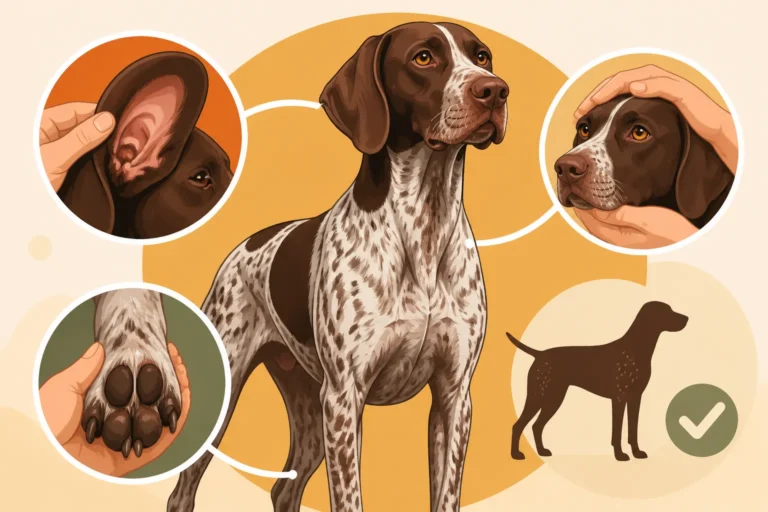
At first, the signs of dehydration can be easy to miss, particularly in a high-drive dog totally focused on birds. One of the earliest indicators is tacky or sticky gums. When you lift their lip and touch their gums, they won't feel moist and slick like usual; instead, they'll have a slightly sticky or pasty texture. Another subtle sign is slightly darker urine. If you get a chance to observe them relieving themselves, urine that's more concentrated than usual can be a red flag.
You might also notice a very slight decrease in their usual exuberant energy during a water break, or a fleeting moment of disinterest in a treat they'd normally gobble up. They might even try to seek shade more frequently than usual or choose to lie down for a longer period during a break. It's these tiny shifts in behavior or physical signs that, for the observant owner, scream "I need more water!" Pay close attention during every check-over in the field; a quick gum check takes mere seconds but can save you hours of worry later.
Moderate Signs
If those early signs are missed, dehydration can progress to more noticeable stages. At this point, you might see more pronounced lethargy or a general lack of enthusiasm even for exciting stimuli. Their eyes might appear a little sunken, losing that bright, alert sparkle GSPs are known for. Another classic test is the skin elasticity test: gently pinch a fold of skin on their neck or back, lift it slightly, and then release. In a well-hydrated dog, the skin will snap back almost immediately. If it's slow to return, forming a "tent" for a second or two, it indicates moderate dehydration.
Their panting might become more labored, even when they're resting, as their body struggles to cool itself with less fluid. They might refuse water, ironically, if they're feeling nauseous from the dehydration. Vomiting or dry heaving can also occur, further exacerbating fluid loss. At this stage, it's critical to intervene, and you might need to consider ending the activity for the day and focusing solely on rehydration. Don't push a dog showing these signs; their well-being is paramount.
Emergency Signs
Severe dehydration is a life-threatening emergency that demands immediate veterinary attention. These signs are unmistakable and deeply concerning. Your GSP might collapse or be unable to stand. Their gums can become very pale or even bluish, indicating poor circulation and potential shock. Their capillary refill time – the time it takes for color to return to their gums after you press on them – will be delayed, often more than two seconds. Their pulse might be weak and rapid, their breathing shallow and fast.
They may also exhibit signs of confusion or disorientation, muscle tremors, or even seizures. At this point, their body's systems are shutting down. If you witness any of these emergency signs, you need to stop all activity immediately, get your dog to a cool place, try to offer small amounts of water, and head to the nearest emergency vet. Time is absolutely of the essence. Knowing Signs a Shorthair Is Overheating in the Field is crucial, as severe dehydration and heatstroke often go hand-in-hand.
Essential Strategies for Hydration During Long Days Afield
Preventing dehydration is always easier and safer than treating it. For a German Shorthaired Pointer, whose drive can sometimes override their natural instincts to rest and drink, we, as their owners, need to be the proactive managers of their hydration. This means planning ahead and being disciplined in our approach.
Pre-hydration Routines
The work of hydration starts long before you even leave the house. Think of it like carb-loading for a marathon runner; you need to "water-load" your GSP. The evening before a big day afield, ensure they have constant access to fresh water and encourage them to drink more than usual. You can even add a little extra water to their dinner kibble to increase their fluid intake.
The morning of the hunt or activity, before any strenuous exercise, offer them a good amount of water. Don't just set it down; stand there and encourage them. Some dogs might be too excited to drink, in which case you can try adding a splash of low-sodium broth to the water to make it more appealing. Avoid feeding a large meal right before intense exercise, as this can increase the risk of bloat, but do ensure they've had plenty of opportunity to hydrate. Remember, once they start working, it's harder for them to catch up on fluids. The Rest a Shorthair Needs Between Eating and Running is just as important as the pre-hydration itself.
Water Breaks in the Field
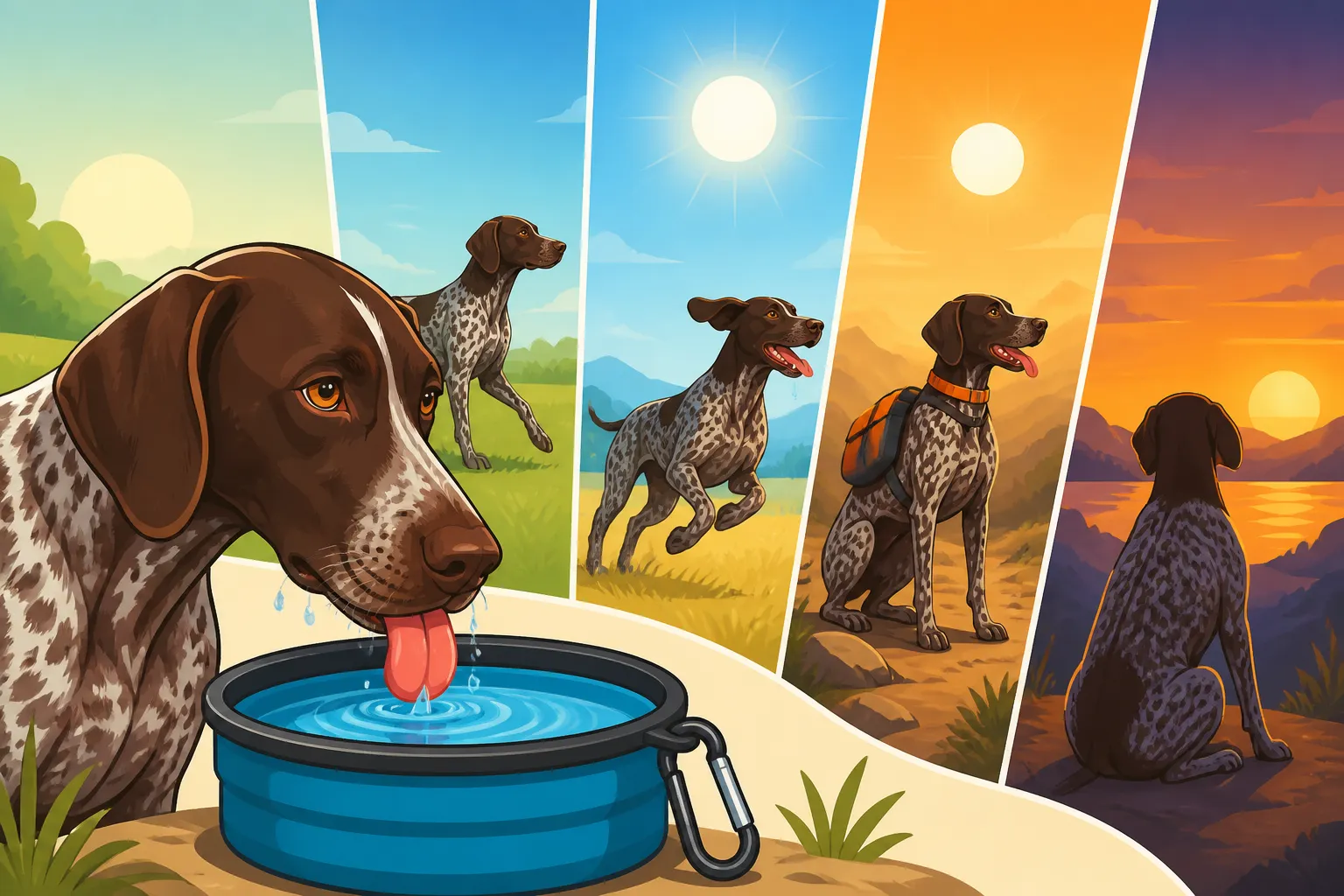
This is perhaps the most critical component. You cannot rely on your GSP to tell you when they're thirsty. You have to enforce breaks. Plan for regular, mandatory water breaks, ideally every 20-30 minutes of strenuous activity, especially in warm weather or when they're working hard. Even in cooler temperatures, regular breaks are vital. Find a shaded spot if possible, and offer water from a portable bowl.
Don't just fill it once and expect them to be done. Let them drink, walk them around for a minute, and then offer more. Some dogs will drink a little, then need a moment before they can drink more. The goal isn't to let them guzzle huge amounts at once, which can increase the risk of bloat, but rather to provide steady, consistent hydration. Small, frequent amounts are better than one massive gulp. Carrying Water for a German Shorthaired Pointer is non-negotiable; always carry more than you think you'll need. If you're near a clean stream, let them drink from it, but always be aware of potential contaminants like giardia or blue-green algae. If there's any doubt, stick to the water you brought.
Post-activity Rehydration
Once the activity is over, your GSP's rehydration needs are still paramount. Don't let them slam a whole bucket of cold water immediately after intense work; this can be a shock to their system and, again, increases the risk of bloat. Offer smaller, frequent amounts of cool (not ice cold) water. You can even add an electrolyte supplement designed for dogs to their water, especially after a particularly long or hot day. This helps replenish crucial minerals lost through sweat and panting.
Products from brands like Chewy or those found on Amazon often include canine-specific electrolyte powders. These can make a huge difference in their recovery. Mix it into a small amount of water to encourage them to drink, then offer plain water afterward. Monitor their drinking over the next few hours, ensuring they continue to rehydrate. A healthy, hydrated GSP will bounce back quickly; a dehydrated one will often show prolonged fatigue. What Electrolytes Add to a Shorthair's Season can be a game changer for recovery.
Choosing the Right Hydration Gear for Your German Shorthaired Pointer
Having the right tools can make all the difference in maintaining your German Shorthaired Pointer's hydration throughout a long day. From quick sips in the field to keeping water accessible during travel, thoughtful gear choices simplify the process and encourage consistent drinking.
Portable Water Bowls and Bottles
The market is flooded with options, and for good reason. A collapsible bowl is a must-have for any GSP owner. These often come in silicone or fabric and fold flat or scrunch up, making them incredibly easy to carry. Brands found on Amazon offer a huge variety, from simple fabric bowls that fit in a vest pocket to more durable silicone versions that can withstand being tossed around in a truck bed. Many have carabiner clips, allowing them to attach easily to a belt loop or a pack.
Then there are integrated water bottle and bowl systems. These typically feature a water bottle with an attached tray or cup that flips out, allowing you to dispense water directly into it for your dog to drink, then drain the excess back into the bottle to conserve water. This is fantastic for quick, clean drinks on the go without wasting precious resources. Some popular designs allow you to squeeze the bottle, filling the cup, and then releasing it draws the unused water back in. This type of compact system is perfect for those times when you're just out for a quick training session or a short hike, and you want something efficient.
Backpack Hydration Systems
For those truly long days, a dedicated hydration system can be invaluable, both for you and your dog. Many human hiking backpacks include bladder systems that allow you to carry several liters of water. This is excellent for ensuring you have enough for both of you. You can simply squirt water into your dog's mouth directly from the hose or into a collapsible bowl.
Beyond your own pack, there are dog-specific packs. These are harnesses with built-in saddlebags where your GSP can carry their own water. This can be a double-edged sword: it distributes weight and puts the burden on them, but also increases their overall exertion. If you choose this route, ensure the pack is properly fitted, start with light loads, and gradually increase the weight. Only use it with a conditioned dog, and always put water bottles or bladders in both sides to balance the load. This approach is more suited for experienced hikers or seasoned hunting dogs, and not for every GSP. Make sure the water containers are leak-proof – nothing worse than reaching for water only to find the bottle is empty.
Special Considerations for Vehicle Travel
Travel, especially to and from hunting spots, often means long hours in the truck or dog box. Even when they're not actively working, your GSP can still dehydrate in a hot vehicle. Always ensure they have access to water in their crate or dog box during transit. Spill-proof water bowls are a godsend here. These usually have a clever design that limits sloshing and spills, even over bumpy roads. Look for ones with a weighted base or a design that prevents water from splashing out.
During rest stops, offer fresh water outside the vehicle, but be mindful of their excitement. Again, small, frequent offerings are best. If you're making an overnight stop, make sure your dog has unlimited access to water in their kennel or sleeping area. Never leave a GSP in a vehicle without proper ventilation and access to water, even on a seemingly mild day. The temperature inside a car can rise dramatically faster than you'd think, putting them at extreme risk of heatstroke, especially when compounded with dehydration.
Here's a quick comparison of popular hydration gear options:
| Gear Type | Pros | Cons | Best Use Cases |
|---|---|---|---|
| Collapsible Silicone Bowl | Lightweight, compact, easy to clean, durable. | Can be messy if not held, some dogs chew on them. | Short hikes, quick training, essential backup. |
| Foldable Fabric Bowl | Very lightweight, fits in tiny spaces, dries quickly. | Less durable than silicone, can absorb odors, might not stand up as well. | Ultra-light packing, temporary use, emergency water. |
| Water Bottle w/ Integrated Bowl | Convenient, minimal waste, one-handed operation. | Limited water capacity, can be bulky, some designs prone to leaks. | Short walks, quick trips to the park, car travel. |
| Dog Backpack with Water Pockets | Dog carries own water, frees up human hands. | Requires a conditioned dog, risk of uneven weight, can increase exertion, fitting is crucial. | Long day hikes, multi-day backpacking with an experienced working dog. |
| Spill-Proof Travel Bowl | Prevents messes in vehicles, steady water supply during travel. | Can be heavy or bulky, not ideal for carrying long distances on foot. | Truck boxes, crates in vehicles, kennel runs. |
| Human Hydration Bladder | High capacity, hands-free access for owner, versatile. | Requires additional collapsible bowl for dog, can be tricky to refill in the field. | Long excursions where owner carries water for both, versatile for human use too. |
Addressing Common Hydration Challenges and Misconceptions
Even with the best intentions and gear, keeping a German Shorthaired Pointer perfectly hydrated can present its own set of challenges. Understanding these common hurdles and how to overcome them is key to successful long-term hydration management.
"My Dog Won't Drink Enough"
This is a familiar frustration. You've offered water, pulled out the fancy bowl, and your GSP just stares at you, eager to get back to the hunt. Sometimes, their drive is so intense that they simply don't recognize their thirst or want to pause. Other times, they might be stressed, nauseous, or simply picky about water temperature or taste.
Here are a few strategies:
- Make it more appealing: Add a tiny splash of low-sodium chicken or beef broth to the water. Some dogs love the scent and taste and will drink readily. You can also try a few drops of a liquid dog vitamin, or even some crushed ice in their water.
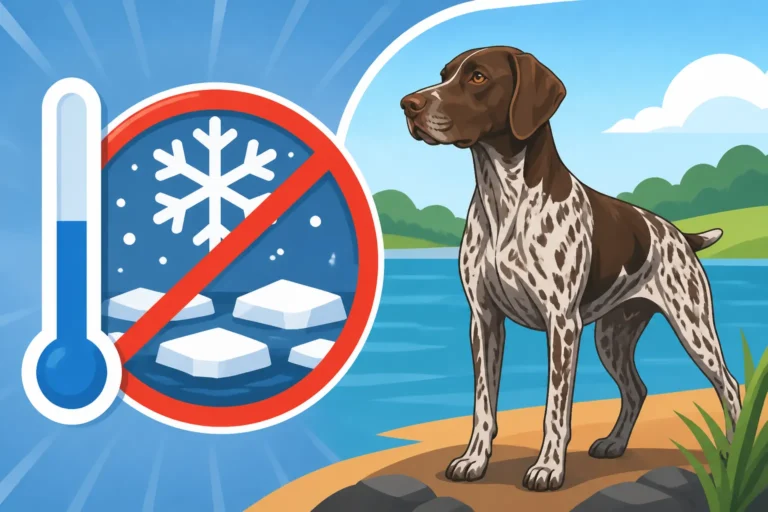
- Temperature matters: On a hot day, slightly cool water is more enticing than lukewarm water. On a freezing day, preventing water from getting too cold is important.
- Offer in a quiet spot: Sometimes the hustle and bustle of the field is too distracting. Lead them to a calm, shaded area away from other dogs or the action.
- Syringe feeding (as a last resort): If a dog is severely dehydrated and refusing to drink, a vet might recommend squirting small amounts of water into their mouth with a syringe. This should only be done under veterinary guidance, as too much too fast can cause aspiration.
- Moisture-rich foods: If you’re at home between long days, consider feeding a diet with higher moisture content. Brands like Ollie offer fresh, human-grade food that’s naturally rich in water, which can contribute to overall hydration. While it’s not a substitute for drinking, it helps supplement their intake.
When Not to Overhydrate: The Risk of Bloat
While ensuring adequate water intake is vital, it's equally important to understand the risks of too much, too fast, especially for a deep-chested breed like the German Shorthaired Pointer. Gastric Dilatation-Volvulus (GDV), commonly known as bloat, is a life-threatening condition where the stomach fills with gas and twists. GSPs are notoriously at risk for this. The Bloat Risk a Shorthair Carries Into Every Season is something every owner must take seriously.
The key is moderation and timing. Never allow your GSP to gulp down a large quantity of water immediately before or after intense exercise, or after eating a large meal. This combination significantly increases the risk of bloat. Instead, offer water in small, frequent amounts. After a hunt, allow them to cool down for at least 30-60 minutes before offering larger quantities of water or food. If your dog has a known history of drinking too fast, try offering water from a specialized slow-feeder bowl or by putting a few large, clean rocks in their regular bowl (too big for them to swallow) to slow their intake. A prophylactic gastropexy surgery, which tacks the stomach to the abdominal wall, is an option many GSP owners consider to mitigate bloat risk, often performed at the same time as neutering if appropriate for your dog. The Gastropexy Decision on a Hunting Shorthair is a serious one worth discussing with your vet.
The Role of Diet in Hydration
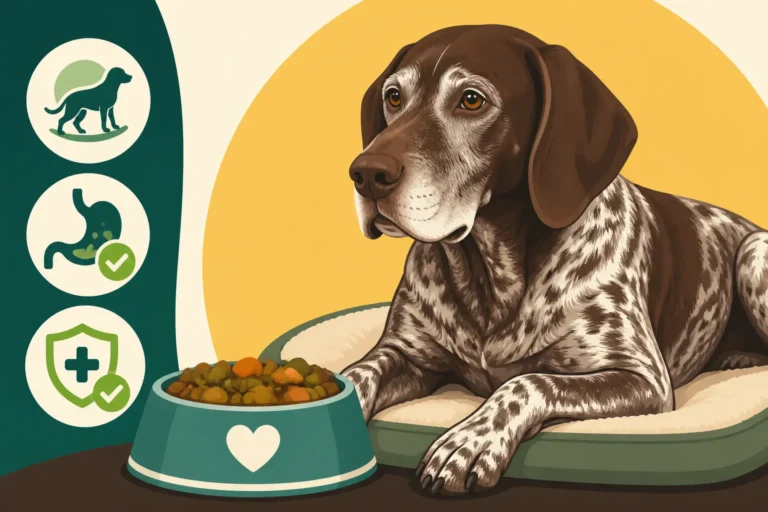
While drinking water is the primary source of hydration, your GSP's diet can also play a supporting role. Dry kibble, by its nature, contains very little moisture. Switching to a wet food, raw diet, or even a fresh food option like those offered by Ollie, can naturally boost their daily fluid intake. These diets contain significantly more water than dry kibble, typically 70-80% moisture compared to 10% in kibble.
Even if a full diet change isn't feasible, you can always add water to their dry kibble, especially on the days leading up to and following strenuous activity. Simply mix in a cup or two of warm water (or low-sodium broth) with their meal and let it soak for a few minutes before serving. This increases their overall fluid consumption and can aid in digestion. Just be mindful that wet food spoils faster, especially in warm weather, so don't leave it sitting out for long. Every little bit of moisture counts when you're trying to keep an active German Shorthaired Pointer hydrated and healthy.
Disclaimer
This article is for general informational purposes only and does not constitute professional advice. Laws, prices and regulations vary by location and change over time. Consult a qualified professional for guidance on your specific situation.