Salt and Chemicals on a Shorthair’s Feet
Winter in many areas means more than just chilly air and snow; it often brings a barrage of harsh chemicals and salt onto sidewalks and roads, creating a treacherous landscape for your German Shorthaired Pointer's sensitive paws. This guide will walk you through understanding these common environmental threats, recognizing the signs of paw irritation, and implementing effective strategies to protect and care for your Shorthair's hardworking feet.
Understanding the Threat: Why Winter Chemicals Are So Hard on GSP Paws
It's easy to overlook the ground beneath our dogs' feet, but for a German Shorthaired Pointer, whose pads are constantly in contact with the world, chemicals, and salt are a real and present danger. These substances aren't just uncomfortable; they can cause significant pain, irritation, and even serious health issues if left unchecked.
The Hidden Dangers in De-Icers and Antifreeze
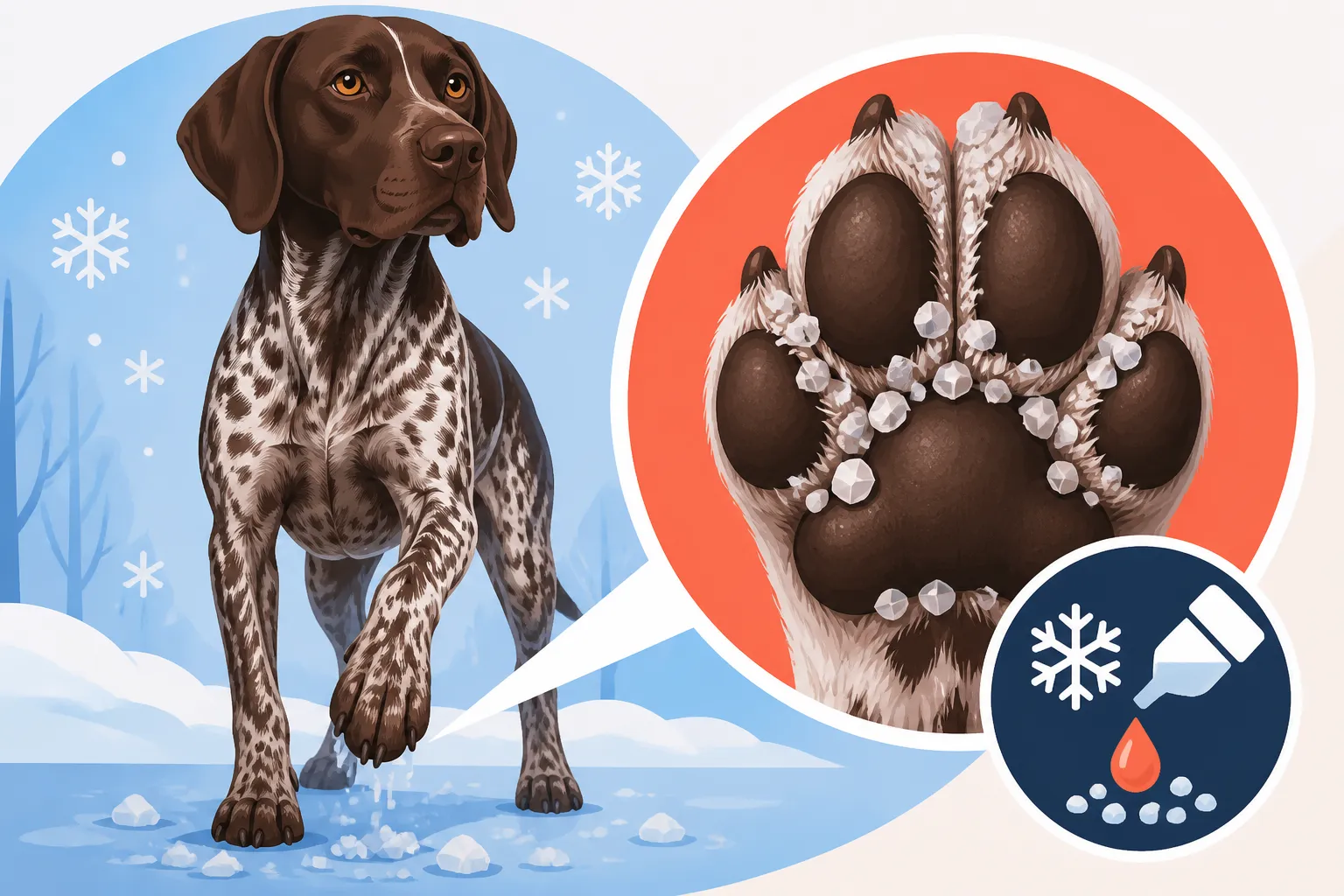
When the temperatures drop, out come the de-icers. These aren't just benign substances; many contain compounds like sodium chloride (common rock salt), calcium chloride, magnesium chloride, or even potassium chloride. While they help melt ice, they can be incredibly irritating to a dog's skin, acting as chemical irritants that dry out and burn paw pads. Imagine walking barefoot on rough sandpaper that's also coated in something that stings and dries your skin out – that's what it can feel like for your GSP. Beyond irritation, some of these chemicals, especially calcium chloride, can be quite caustic and cause actual chemical burns. If your Shorthair then licks their paws to soothe the discomfort, they can ingest these chemicals, leading to an upset stomach, vomiting, or even more severe systemic issues, sometimes mimicking signs that might otherwise make you worry about things like The Bloat Risk a Shorthair Carries Into Every Season.
Another lurking danger, especially in cold weather, is antifreeze. While not primarily for paw contact, it's often found on roadsides and driveways, having leaked from vehicles. Antifreeze, which often contains ethylene glycol, is highly toxic to dogs, even in small amounts, and has a deceptively sweet taste. If your Shorthair walks through a puddle of it and then licks their paws clean, they could be at risk. This is why vigilance isn't just about what's on their paws, but what they might ingest from them. A quick wipe-down after every outdoor excursion is a small effort for significant peace of mind.
How Road Salt Specifically Irritates Your Shorthair's Pads
Road salt, typically sodium chloride, is one of the most common culprits. It's abrasive, gritty, and dehydrating. As your German Shorthaired Pointer trots along a salted sidewalk, the sharp edges of the salt crystals can cut into their pads, creating tiny abrasions that become entry points for infection. Furthermore, salt is hygroscopic, meaning it draws moisture out of whatever it touches. This leads to extreme dryness, cracking, and even bleeding of the paw pads. Think about how your own hands feel after handling rock salt without gloves – now imagine that magnified for your dog's delicate paw skin, which isn't designed to withstand such harsh conditions.
The constant irritation can lead your Shorthair to lick or chew at their paws incessantly, which only exacerbates the problem. Saliva keeps the area moist, preventing healing, and introduces bacteria, increasing the risk of secondary skin infections. What starts as mild discomfort can quickly escalate into a painful infection, making walks unbearable for your otherwise enthusiastic companion. This is a common issue that often falls under the umbrella of Field Injuries a Hunting German Shorthaired Pointer Comes Home With, even if it's just from a city sidewalk.
Recognizing the Signs of Irritation and Injury
Your German Shorthaired Pointer can't tell you in words that their feet hurt, but they're incredibly good at showing you. Being observant and knowing what to look for is your first line of defense against prolonged discomfort and more serious issues.
Visual Clues and Behavioral Changes to Watch For
The most obvious visual signs of paw irritation include redness between the toes and on the pads, swelling, and visible cracks or abrasions on the paw pads themselves. You might notice the pads looking unusually dry or flaky. In more severe cases, you could see small sores, blisters, or even bleeding. Sometimes, the skin around the nails might appear inflamed or discolored.
Behaviorally, your Shorthair will almost certainly let you know something is wrong. They might start limping or holding up a paw, especially during or after a walk. Excessive licking, chewing, or even gnawing at their paws is a huge red flag. They might be reluctant to walk or run, or show signs of discomfort when you touch their feet. Some dogs might even shake their paws vigorously as if trying to dislodge something, which can be a sign of burning or stinging. If your usually indefatigable Shorthair is suddenly slowing down or outright refusing to go out, their feet might be the problem. Any change in their gait, like a The Shifting Lameness in a Six Month Shorthair, should prompt a thorough paw check.
When to Seek Veterinary Attention for Foot Issues
While minor dryness and irritation can often be managed at home, there are definite signs that warrant a trip to the vet. If you see deep cracks, open sores, or signs of infection such as pus, persistent swelling, or a foul odor, it's time to get professional help. Significant limping that doesn't resolve quickly, or if your dog is refusing to bear weight on a paw, also indicates a serious problem. Furthermore, if your Shorthair's paw pads are bleeding or if they've ingested a substantial amount of de-icer and are showing symptoms like vomiting, diarrhea, lethargy, or loss of appetite, an emergency vet visit is crucial. Don't try to self-diagnose severe issues; what might look like a simple Cut Pads on a German Shorthaired Pointer After a Long Day could actually be a deeper chemical burn or infection requiring specific medication. Your vet can properly assess the damage, clean wounds, prescribe antibiotics if necessary, and offer pain relief, ensuring your Shorthair gets back on their feet safely and comfortably.
Proactive Protection: Shielding Your Shorthair's Paws
Prevention is always better than cure, especially when it comes to protecting your German Shorthaired Pointer's paws from harsh winter elements. A little foresight and preparation can save your dog a lot of pain and you a good deal of worry and vet bills.
Practical Solutions for Winter Walks
The most straightforward way to protect your Shorthair's paws is to create a physical barrier between them and the harmful substances on the ground. Dog boots are an excellent option, though getting your German Shorthaired Pointer to accept them might take some patience. Start with short wear times indoors, using plenty of positive reinforcement and treats. Gradually increase the duration until they're comfortable walking in them outside. Look for boots that are durable, waterproof, and have good traction. You can find a wide variety of options on sites like Chewy or Amazon, allowing you to choose based on material, fit, and expected wear. Some boots are designed specifically for rugged terrain, offering superior protection. Remember that even with boots, it's wise to still give paws a quick wipe after a walk, just in case any snow or slush snuck in. If you're wondering Whether a Shorthair Tolerates Boots, the answer is often yes, with consistent, positive training!
Another effective barrier is paw balm or wax. Products like Musher's Secret (a popular type of paw wax, widely available) create a protective, breathable layer on the pads, shielding them from salt, chemicals, and extreme temperatures. Apply a generous layer before walks. While not as robust as boots for heavy chemical exposure, balms are great for moderate conditions and help keep pads moisturized, preventing cracking. They are also fantastic for Toughening a Shorthair's Pads Over the Summer in preparation for all-weather work.
Consider altering your walking routes during winter months. Stick to areas you know are less heavily salted, such as parks or trails where natural snow and ice are present instead of chemical de-icers. Avoid walking directly through puddles of melted slush near roads, as these are often highly concentrated with chemicals. A quick change in routine can make a big difference for paw health.
Home Care and Grooming Routines
Beyond immediate protection, a consistent home care routine is vital for maintaining healthy paws year-round. Start by regularly inspecting your Shorthair's paws. After every walk, especially in winter, take a moment to examine their pads and between their toes. Look for any cuts, cracks, redness, or embedded debris. This quick Checking a German Shorthaired Pointer Over After a Hunt habit should extend to every walk.
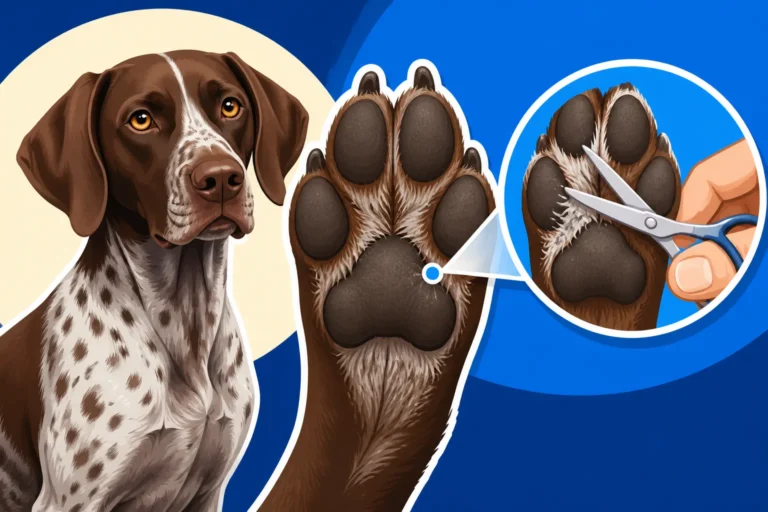
Keeping the hair between your Shorthair's paw pads trimmed short is also crucial. Longer hair can collect ice, snow, salt, and other debris, which then rubs against the skin, causing irritation. It also makes it harder to properly clean and dry the paws. A quick trim with blunt-nosed scissors or a small clipper can prevent a lot of problems. And speaking of maintenance, don't forget nail care. Keeping your German Shorthaired Pointer's nails trimmed short prevents them from splaying the toes and putting undue pressure on the pads, which can make them more susceptible to injury. For more on this, check out How Often a German Shorthaired Pointer's Nails Need Trimming.
Regularly moisturizing your Shorthair's paw pads with a quality, dog-safe paw balm can help prevent dryness and cracking. Apply it before bed, so it has time to soak in overnight, reducing the chance of your dog immediately licking it off. This routine is especially important during dry indoor heating months or if your Shorthair spends a lot of time on rough surfaces.
Immediate Aftercare: What to Do After Exposure
Even with the best preventative measures, sometimes your German Shorthaired Pointer's paws will come into contact with salt and chemicals. Knowing how to react quickly and effectively can minimize damage and discomfort.
Essential Steps for Cleaning and Soothing Irritated Paws
The moment you get home from a walk on treated surfaces, make paw cleaning your top priority. Don't wait. Have a small basin of lukewarm water, a soft towel, and a clean washcloth ready by the door.
- Rinse Thoroughly: Gently rinse each paw with lukewarm water. The goal is to wash away all traces of salt and chemicals. Don't use hot water, as this can further irritate already sensitive skin. A gentle flow from a shower head or kitchen sink sprayer works well if your dog tolerates it. Make sure to get between the toes and pads, where chemicals love to hide. For a truly thorough rinse, a dedicated paw washer can be incredibly effective, and you can often find them on Chewy or Amazon.
- Wipe Clean: Use a soft washcloth to carefully wipe away any remaining residue. Pay close attention to the crevices.
- Dry Completely: This step is crucial. Thoroughly dry each paw with a clean towel. Moisture trapped between toes can lead to fungal or bacterial infections. Patting gently is better than rubbing aggressively, which could further irritate skin.
After cleaning and drying, examine the paws carefully. If you notice any redness or minor irritation, you can apply a soothing, pet-safe paw balm or a thin layer of unmedicated antibiotic ointment to any small cuts or abrasions. This helps to create a barrier and promotes healing. For more severe issues like deep cracks or open wounds, refer to the section on seeking veterinary attention.
Managing and Preventing Licking
Shorthairs are naturally inclined to lick their paws when they feel uncomfortable, but this can turn a minor irritation into a major problem. Licking can introduce bacteria, prevent healing, and if chemicals remain, it can lead to ingestion and internal issues.
To prevent immediate licking after cleaning, you can offer a distraction. A favorite chew toy or a treat-filled puzzle can keep their mouth occupied while their paws air dry or while a balm absorbs. If licking becomes compulsive or is exacerbating the problem, you might need to employ a soft cone collar (e-collar) for a short period. This isn't ideal for an active GSP, but it's often necessary to allow the paws to heal without interference.
You can also use bitter-tasting anti-lick sprays designed for pets. These sprays often deter dogs from licking specific areas due to their unpleasant taste. Apply it to the paw, but ensure it's not irritating to the skin itself. Always test a small area first. Consistency is key here; the more you prevent licking, the faster the paws can recover and stay healthy, preventing issues that can lead to Skin Infections Under a Shorthair's Short Coat.
By understanding the risks, knowing the signs, and implementing both proactive and reactive care strategies, you can ensure your German Shorthaired Pointer's paws stay healthy and happy, no matter what the winter weather throws their way.
Disclaimer
This article is for general informational purposes only and does not constitute professional advice. Laws, prices and regulations vary by location and change over time. Consult a qualified professional for guidance on your specific situation.