How a Shorthair Greets Strangers at the Door
Oh, the infamous German Shorthaired Pointer door greeting! If you’ve ever had a GSP, you know the scenario: a knock or doorbell chime transforms your calm, collected companion into a whirlwind of barking, jumping, and unbridled enthusiasm, often overwhelming even the most dog-savvy guest. It's a common frustration for many Shorthair owners, and this guide is here to help you understand why they do it and, more importantly, how you can manage that boundless energy to achieve a more polite welcome.
The German Shorthaired Pointer's Natural Enthusiasm and How It Manifests at the Door
German Shorthaired Pointers are, by their very nature, dogs of immense energy, intelligence, and a deep desire to be involved in everything their human family does. This combination, while wonderful in many aspects of their lives, can lead to some rather boisterous, if well-intentioned, greetings when someone new arrives at the door. It’s not that they mean to be rude; it’s simply their exuberance exploding at an inconvenient moment.
The Instinctual Greeting: A Burst of Energy and Affection
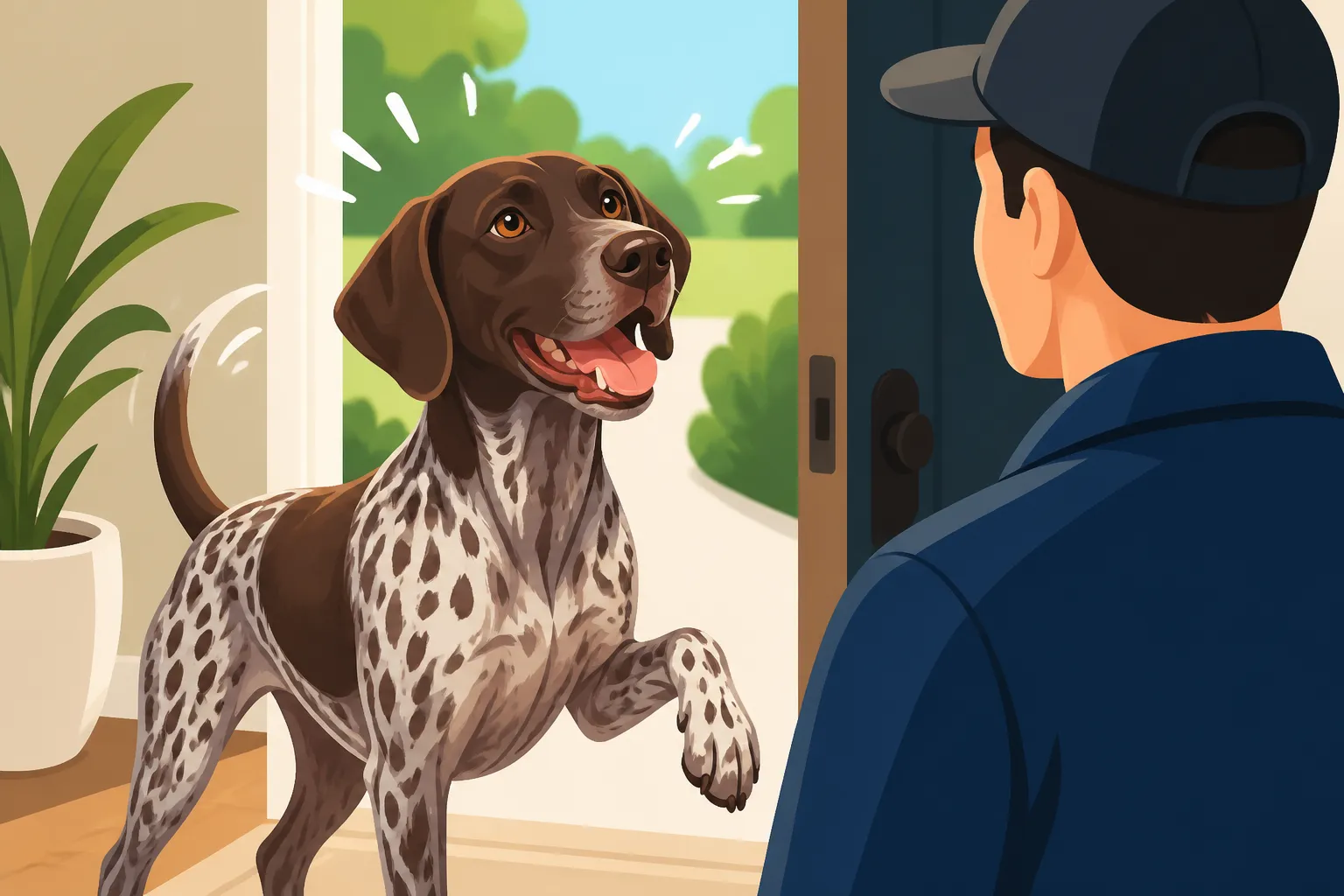
When a German Shorthaired Pointer hears that doorbell or senses someone approaching, it often triggers an almost primal response. These dogs were bred to work, to be alert, and to interact closely with their handlers. That sudden stimulus of a new person arriving is perceived as a major event, and their entire being is geared towards engaging with it. You'll often see a rapid increase in tail wags, a low, rumbling growl that's often more excitement than aggression, or even full-blown, ear-splitting barks.
This burst of energy isn't just about acknowledging the newcomer; it's about processing the new scent, the new sound, and the potential for a new interaction. They're trying to figure out if this person is a playmate, a new friend, or someone important. Their affection, which runs deep, simply overflows in these moments, leading to attempts to jump up and get as close as possible. It can be a lot for a guest to handle, especially if they're not used to a sixty-pound dog launching itself at them.
Reading the Room: A GSP's Initial Assessment of a Newcomer
While their greetings might seem chaotic, your German Shorthaired Pointer is actually performing a rapid assessment of the stranger. They're using all their incredible senses – primarily smell and sound, but also sight – to gather information. A GSP's nose is a powerful tool, providing them with a wealth of data about who has just arrived. They might sniff the air, the ground, and of course, the person themselves, once they get close enough. This isn't just curiosity; it's how they build a profile of this new individual.
Beyond scent, they're listening intently. Are the person's voice tones calm or excited? Do they sound like someone familiar, or entirely new? They're also taking visual cues, observing body language from both you and your guest. A guest who looks nervous or makes sudden movements might elicit a different, more cautious (or even more boisterous, depending on the dog's confidence) reaction than one who approaches calmly and confidently. Even through their excitement, they are highly observant, processing every snippet of information to decide how to fully engage with this new presence in their territory.
Common Challenges Owners Face with Door Greetings
Let’s be honest, living with a German Shorthaired Pointer is rarely boring, but the door greeting can be one of the most consistently challenging aspects. It’s a moment of truth that can leave you apologizing profusely, your guests a little disheveled, and your dog still bouncing off the walls. These challenges aren't just minor inconveniences; they can impact safety, home cleanliness, and even your dog's overall manners.
The Jumping Jack Problem: When Enthusiasm Becomes Overbearing
The "jumping jack" phenomenon is probably the most common and often exasperating behavior owners face with an excited German Shorthaired Pointer at the door. Their desire to be close, to greet face-to-face, or simply to express their joy, often results in them launching their considerable weight skyward. This isn't just annoying; it can be downright dangerous, especially for children, the elderly, or anyone unsteady on their feet. Imagine a sixty-pound bundle of muscle and enthusiasm suddenly colliding with a small child – it can easily result in them being A Shorthair That Knocks Children Over Playing.
This isn't a behavior they're trying to use to dominate you or your guests; it’s purely an expression of over-excitement and, frankly, a lack of understanding of polite social boundaries. The frustration for owners often stems from the inconsistency of the behavior. One minute they're a perfect angel, the next they're airborne. Every time a jump is accidentally rewarded (even with a quick push-off or a nervous laugh), the behavior is reinforced, making it harder to break. It feels like a losing battle sometimes, especially when you have multiple visitors.
Vocalizations and Over-Excitement: The Barking and Whining Symphony
Beyond the physical theatrics, many GSPs usher in new guests with an impressive vocal performance. This can range from high-pitched, insistent barks that echo through the house, to a symphony of excited yips, groans, and the characteristic whine that often accompanies their peak excitement. It’s their way of announcing, "Someone's here! Look! Pay attention! Aren't you excited?!"
While some guests might find it endearing, others, and certainly your neighbors, might not. For the mail carrier or delivery person, it can be intimidating, leading to them avoiding your door if possible. This vocal overflow is often tied to an adrenaline surge. Your Shorthair is simply overstimulated and channeling that energy into sound. It can be particularly challenging because it's hard to interrupt once it's started, and any attention, even negative, can sometimes feel like a reward to an eager GSP. If your Shorthair is prone to this kind of vocalization, you might also notice similar patterns in other high-excitement situations, such as when they are A Shorthair That Whines in the Truck on the way to a hunt.
The "Velcro" Trait in Overdrive: Blocking Entry and Demanding Attention
One of the endearing qualities of a German Shorthaired Pointer is their "Velcro" nature – they love to be close to their people. However, at the door, this trait can go into overdrive, becoming less endearing and more obstructive. Instead of a polite greeting, you might find your GSP weaving between your legs, nudging guests, or physically blocking the doorway, making it incredibly difficult for anyone to actually enter or move freely within your home. They might be trying to solicit pets, sniff every inch of the new person, or simply be at the absolute epicenter of all the action.
This behavior, while stemming from affection, can be a real nuisance. Guests can feel trapped or overwhelmed, and it prevents a smooth, comfortable transition into your home. It’s not uncommon for a GSP to be literally underfoot, tail wagging furiously, practically tripping anyone who tries to take a step. This intense need for proximity and interaction is a hallmark of the breed, a topic often explored when discussing The Velcro Side of a German Shorthaired Pointer, but it needs to be managed when it interferes with proper house manners.
Strategies for a Calmer, More Controlled Door Greeting
Taming the German Shorthaired Pointer door greeting isn't about crushing their spirit or making them less enthusiastic. It's about channeling that energy and teaching them a more appropriate way to express their excitement. With consistency and the right techniques, you can transform chaotic entrances into calm, controlled welcomes.
Establishing Boundaries: The "Place" Command and Its Importance
One of the most powerful tools in your training arsenal for a calm door greeting is the "place" command. This command teaches your German Shorthaired Pointer to go to a designated spot—a dog bed, a mat, a specific crate, or even a raised cot you can find easily on Amazon—and stay there until released. It gives them a job during a high-excitement moment, providing structure and a clear boundary.
Start by teaching "place" in a low-distraction environment. Lure them onto their mat with a treat, say "Place," and reward them for staying there for increasing durations. Gradually introduce distractions, like you walking away, then someone walking past, and eventually, the doorbell ringing. The goal is for your GSP to automatically go to their place when the doorbell rings, or when you give the command, and remain there calmly. This command gives them a safe, defined space away from the commotion, which is crucial for a breed that thrives on The Structure a German Shorthaired Pointer Needs Daily. Make sure their "place" is comfortable and a positive association, not a punishment.
Desensitization and Controlled Introductions
Another effective strategy involves desensitization and controlled practice introductions. This means intentionally setting up scenarios to practice a calm greeting, rather than only dealing with it when a real guest arrives. Enlist a friend or family member to act as a "stranger." Start by having them approach the door, ring the bell, and then not enter immediately. Practice sending your GSP to their "place" before the person even gets to the door.
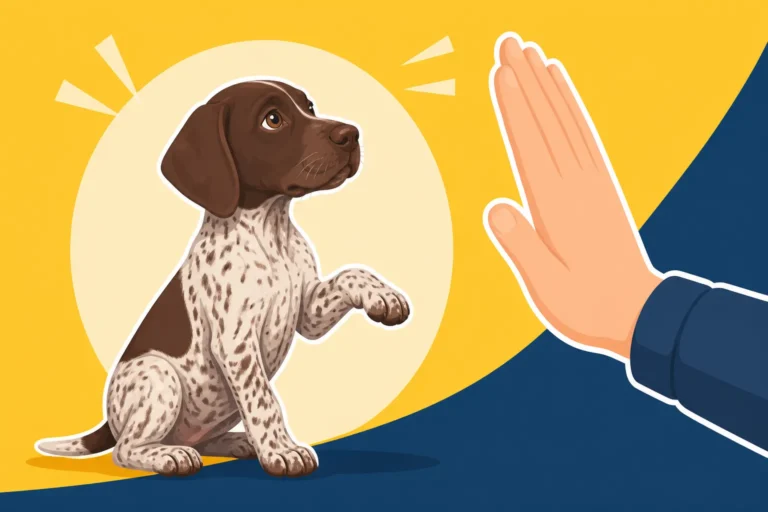
When your dog is calmly in their place, slowly open the door. If your GSP holds their place, the "stranger" can take a step inside. If your dog breaks their place or starts to get too excited, the "stranger" immediately turns and steps back outside, closing the door. This teaches your dog that calm behavior makes the good stuff (the guest entering) happen, while excitement makes the good stuff go away. Repeat this process, gradually increasing the duration the guest stays inside and eventually allowing your GSP to greet them calmly, perhaps after the initial excitement has worn off. This systematic approach is similar to how you would approach Teaching a Shorthair Puppy Not to Jump on People in other contexts, breaking down the behavior into manageable steps.
Managing the Environment: Tools and Techniques for Success
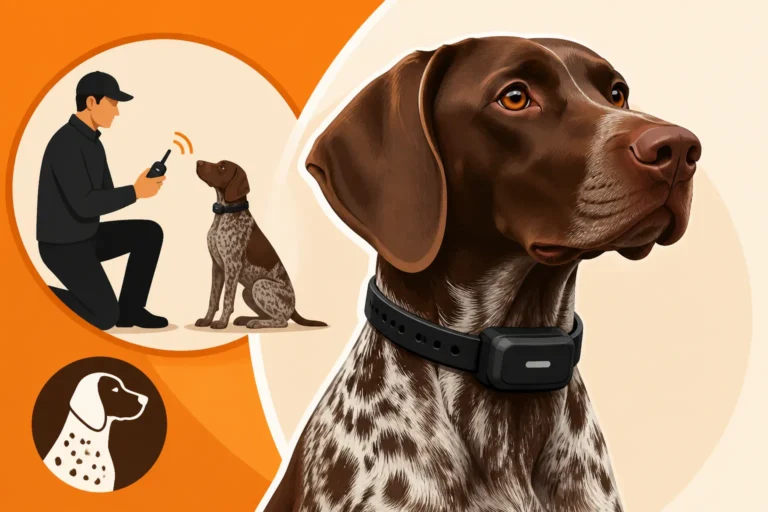
While you're working on training, don't hesitate to use management tools to prevent rehearsals of unwanted behavior. A baby gate across the entryway, a tether to a sturdy piece of furniture, or even a crate can be invaluable during those initial moments when a guest arrives. These tools create a physical barrier, giving your German Shorthaired Pointer less opportunity to practice jumping or rushing the door, and buying you time to get them settled in their "place."
Additionally, communicating with your guests ahead of time can make a huge difference. Ask them to ignore your GSP until the dog is calm. No eye contact, no talking, no petting until all four paws are on the floor and your dog has settled. When your dog is calm, then your guest can offer a calm pet or a treat. High-value treats, such as those from BAXTER & Bella, can be incredibly useful in reinforcing calm behavior during these initial controlled greetings. By consistently rewarding calm, you're building a new, more desirable habit.
Here's a quick comparison of common door greeting strategies:
| Strategy | Description | Pros | Cons | Ideal for… |
|---|---|---|---|---|
| "Place" Command | Dog goes to a designated spot and stays until released. | Teaches impulse control, provides structure, consistent. | Requires dedicated training time; place must be comfortable. | Dogs needing a clear boundary and mental exercise. |
| Controlled Entry | Guest enters only when dog is calm; retreats if dog acts up. | Teaches cause-and-effect (calm = guest), builds positive associations. | Requires cooperative guests, can be slow initially. | All GSPs, especially those who jump or bark excessively. |
| Leash/Tether Management | Dog is held on a leash or tethered away from the door during arrival. | Immediate control, prevents unwanted behaviors from happening. | Does not teach new behavior on its own; requires active handling. | Puppies, new dogs, or during initial training phases. |
| Baby Gate/Crate | Physical barrier keeps dog separated until calm. | Prevents rehearsal of unwanted behaviors, safety for guests. | Can be frustrating for dog if not combined with training; dog may still bark. | High-energy dogs, dogs with jump-risk guests. |
| Ignoring Behavior | Guests (and owner) avoid eye contact/attention until dog is calm. | Removes reinforcement for unwanted behaviors. | Can be difficult for guests to consistently follow; dog might escalate initially. | Overly attention-seeking GSPs. |
Long-Term Consistency and Reinforcement for Polite Greetings
Training a German Shorthaired Pointer is a marathon, not a sprint, and polite door greetings are no exception. Building lasting habits requires dedication, consistency, and a clear understanding that every interaction is a teaching moment.
Consistency is Key: Every Guest, Every Time
This is perhaps the hardest part, but it's absolutely non-negotiable for a German Shorthaired Pointer. They are incredibly smart and will quickly learn if there are loopholes in your rules. If you let them jump on some guests but not others, or if you only enforce the "place" command when you're feeling energetic, your GSP will become confused. They'll quickly realize that sometimes jumping is okay, or that they only need to obey most of the time. This makes training ineffective and incredibly frustrating for everyone involved.
Every single person who comes to your door, from the delivery driver to your closest friend, needs to be greeted according to the same rules. Every member of your household must be on board with the training plan, otherwise, you'll find yourself making progress only to have it undone by one inconsistent interaction. German Shorthaired Pointers thrive on routine and predictability, and consistency in your expectations will solidify their understanding of how they are expected to behave when company arrives.
Continued Training and Socialization Beyond the Door
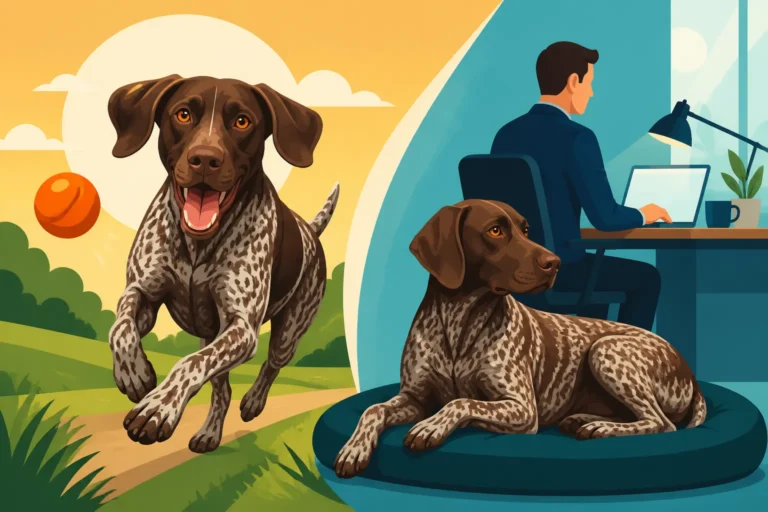
Polite door manners aren't just about what happens at the threshold; they're a reflection of your German Shorthaired Pointer's overall training, impulse control, and socialization. A dog that is well-exercised, mentally stimulated, and consistently trained in basic obedience will naturally have an easier time managing their excitement at the door. If your Shorthair is bouncing off the walls from lack of exercise, expecting them to calmly greet a stranger is asking too much. Remember that this breed typically requires The Two Hours a Day a German Shorthaired Pointer Needs to be truly content.
Enrolling in Group Obedience Before a Shorthair Starts Birds or advanced classes can further enhance their ability to focus under distraction. Continued positive socialization, exposing them to a variety of people, sights, and sounds in a controlled manner, builds their confidence and helps them be less reactive to novelty. A well-rounded, confident GSP is far more likely to offer a polite sniff than a chaotic lunge. As they mature, many owners hope that Whether a German Shorthaired Pointer Calms Down With Age will solve all their problems, but consistent training and enrichment are always the foundation.
Understanding When Professional Help Might Be Needed
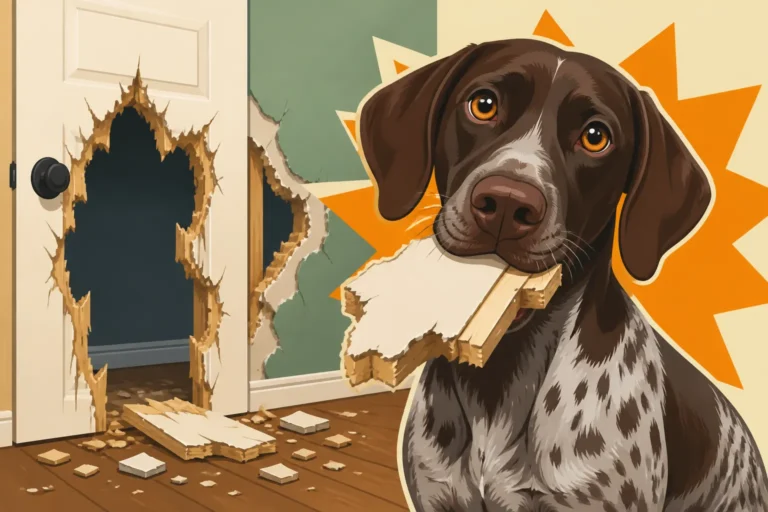
While most GSP door greeting issues can be resolved with consistent training, it's important to recognize when the problem might be more complex than simple over-excitement. If your German Shorthaired Pointer is exhibiting signs of genuine fear, aggression (growling, lunging, snapping), or extreme anxiety (excessive drooling, pacing, destructive behavior when someone is at the door, similar to The Hours a Shorthair Tolerates an Empty House issues), it's time to seek professional help.
A certified professional dog trainer or a veterinary behaviorist can assess the root cause of the behavior, which might be anxiety, insecurity, or even past negative experiences. They can provide tailored strategies and, if necessary, work with your vet to explore medical interventions or medication to help manage underlying issues. Don't hesitate to reach out if you feel overwhelmed or if your training efforts aren't yielding results, especially if you're noticing more concerning behaviors like Reading a German Shorthaired Pointer's Stress Signals or if your Shorthair A Shorthair That Shuts Down Under Pressure in other situations. Addressing these concerns proactively is always the best course of action for both your peace of mind and your dog's well-being.
Disclaimer
This article is for general informational purposes only and does not constitute professional advice. Laws, prices and regulations vary by location and change over time. Consult a qualified professional for guidance on your specific situation.