Keeping a German Shorthaired Pointer Lean and Hard
One of the most common frustrations German Shorthaired Pointer owners face is trying to keep their incredibly active dogs in peak physical condition without letting them get either too thin from all that running or, just as commonly, a bit pudgy from sneaking too many extra calories. It's a delicate balance with a breed built like an athlete. This guide will walk you through everything you need to know to ensure your German Shorthaired Pointer stays lean, hard, and ready for whatever adventure you throw their way, promoting optimal health and a long, active life.
Understanding the German Shorthaired Pointer's Unique Metabolism
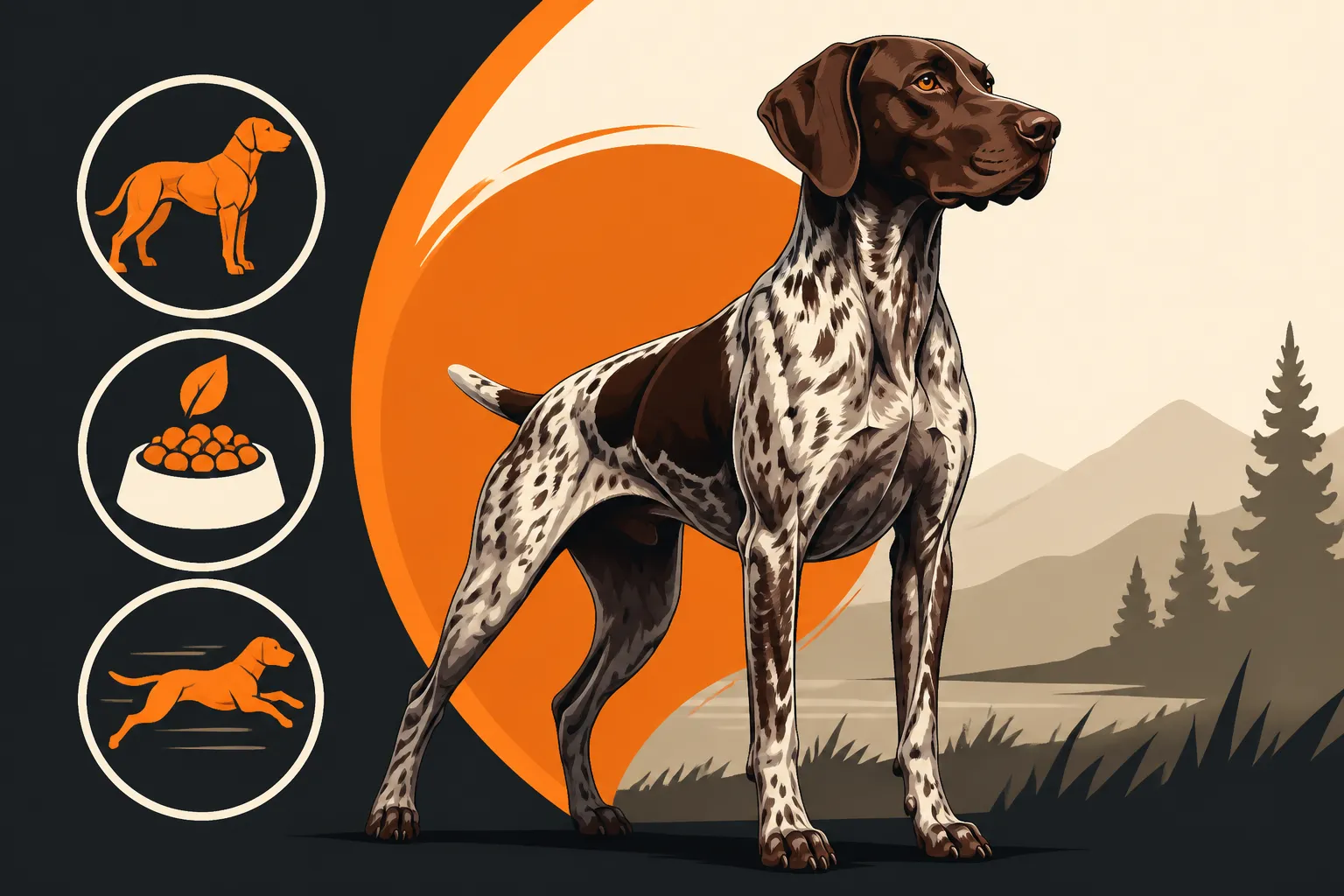
German Shorthaired Pointers aren't just pets; they're finely tuned athletes wrapped in a short, sleek coat. Their entire genetic makeup, honed over generations, screams "active." Understanding this inherent drive and metabolic need is the first step in keeping them lean and hard. You can't just feed a GSP like you'd feed a lazier, less active breed and expect the same results.
A High-Octane Engine in a Sleek Package
Think about the history of the German Shorthaired Pointer. These dogs were literally bred in Germany to be versatile hunting machines, capable of pointing, retrieving from land and water, and even tracking. They needed stamina to work all day in varied terrain, bursts of speed to catch up with flushing birds, and the muscular power to carry game back to hand. This kind of work demands a high-octane engine, meaning their metabolism is naturally geared towards burning through calories at a rapid pace. They're not built for lounging on the couch for hours on end; they're built to move, and their bodies process food accordingly.
Because of this intense activity level and working heritage, a GSP's body is incredibly efficient at converting fuel into energy. When they're not expending that energy, their metabolism can quickly shift, and those unburnt calories start to accumulate. It’s a common trap for owners to see how much their GSP runs one day and assume that caloric burn is constant, but even a few days of less activity can start to tip the scales. It's a constant game of supply and demand with these dogs, and their genetic programming means they always demand a lot of physical output.
The Difference Between "Fit" and "Fat"
It's easy to look at a muscular dog and think they're "fit," but with a GSP, there's a crucial distinction between being powerfully built and carrying too much fat. A truly lean and hard German Shorthaired Pointer will have visible muscle definition, a distinct waistline, and you should be able to easily feel their ribs without seeing them protrude excessively. Any extra padding, even a little, can significantly impact their performance and long-term health.
Being overweight, even by a few pounds, puts undue stress on a GSP's joints, especially their hips and elbows, which can be prone to conditions like hip and elbow dysplasia. It can also strain their cardiovascular system, reducing their endurance in the field and making them more susceptible to heat exhaustion. You might notice them slowing down, getting winded faster, or being less enthusiastic about long runs. A German Shorthaired Pointer that is carrying extra weight might appear "heavier" or "more substantial," but it’s often at the expense of their agility and overall well-being. We want them looking like a finely sculpted athlete, not a fluffy couch potato, no matter how cute that might be on other breeds.
The Foundation of a Performance Diet
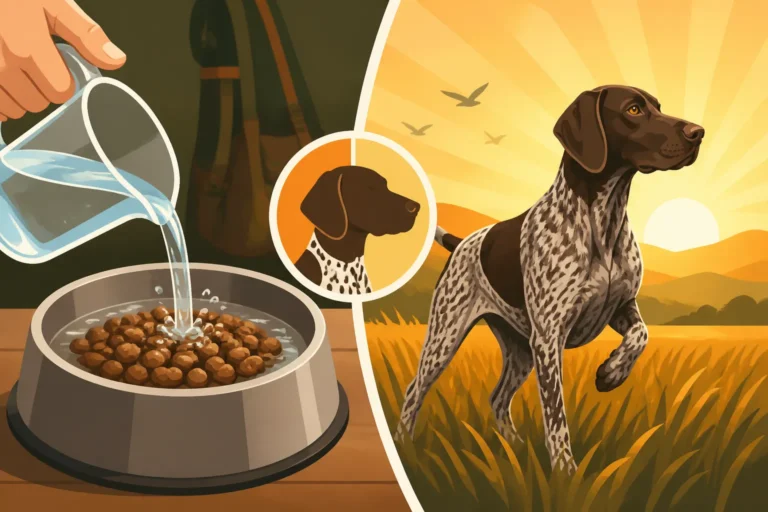
Getting your German Shorthaired Pointer lean and hard starts with what you put in their bowl. These dogs aren't going to thrive on just any old kibble; their active lifestyle demands a diet specifically formulated to support high energy output and muscle maintenance. Choosing the right food is paramount, and understanding its components will make all the difference.
Choosing the Right Kibble
When selecting a kibble for your German Shorthaired Pointer, you need to think "performance." Look for high-quality dog foods that list a named meat source (like chicken meal, lamb, beef, or salmon) as the very first ingredient. This indicates a good protein base, which is crucial for building and repairing those hardworking muscles. Avoid foods where the first ingredient is a grain or a vague "meat by-product." The protein content should ideally be in the range of 25-30% or even higher for intensely active dogs, with fat content typically around 15-20%.
Many reputable brands offer "active," "performance," or "sporting dog" formulas precisely for breeds like the GSP. These formulas are generally more calorie-dense and provide the sustained energy release necessary for long days in the field or intense training sessions. Brands like Purina Pro Plan Sport or Eukanuba Premium Performance are often popular choices among owners of working dogs, readily available at pet supply stores or online through retailers like Chewy. Always check the ingredient list and guaranteed analysis to ensure it meets the nutritional demands of your particular GSP.
The Role of Macronutrients
Understanding protein, fat, and carbohydrates is key to feeding your GSP correctly. These are the three macronutrients, and each plays a vital role in their body.
- Protein: This is the building block of muscles, tissues, enzymes, and hormones. For a GSP, adequate high-quality protein is non-negotiable. It helps repair muscle tissue after strenuous exercise and supports lean muscle mass. Without enough protein, they can lose muscle definition and strength, even if their calorie intake is otherwise sufficient.
- Fat: While often demonized in human diets, fat is an incredibly important and efficient energy source for active dogs. It provides sustained energy for endurance activities, making it perfect for those long hunts or runs. Healthy fats also contribute to skin and coat health and aid in the absorption of fat-soluble vitamins. Look for sources like chicken fat, salmon oil, or flaxseed.
- Carbohydrates: These provide quick energy and fiber. Complex carbohydrates like sweet potatoes, brown rice, or peas can offer a steady release of glucose, fueling short bursts of activity and topping off glycogen stores. While not as critical for overall energy as fat and protein for a dog, they still play a supportive role, especially for replenishment after intense exercise.
A balanced ratio of these three, leaning heavily on high-quality protein and fat for energy, will help your German Shorthaired Pointer maintain that lean, hard physique and perform at their best.
Raw and Fresh Food Considerations
Beyond traditional kibble, some GSP owners explore raw or fresh food diets, believing they offer superior nutrition and digestibility. Brands like Ollie deliver fresh, human-grade food directly to your door, offering pre-portioned meals that can take some of the guesswork out of balancing a homemade diet. These diets often consist of raw or gently cooked meats, organs, bones, and vegetables.
The potential benefits include better digestion, shinier coats, and sometimes even a leaner body condition, as the food can be less processed and more nutrient-dense. However, raw and fresh food diets require careful research and planning to ensure they are nutritionally complete and balanced for an active GSP. It's crucial to consult with a veterinary nutritionist if you're considering this route, as an unbalanced diet can lead to deficiencies or excesses that harm your dog's health, particularly during their growth stages or when they're highly active. While some swear by it, it's a significant commitment in terms of cost and preparation to ensure all the right nutrients are present.
Tailoring Nutrition for Activity Levels
A German Shorthaired Pointer's nutritional needs aren't static. They fluctuate dramatically depending on their activity level, much like a human athlete's. What you feed your GSP during the off-season will look very different from what they need when they're running hard in the field every weekend. Being able to adjust their diet accordingly is critical for keeping them lean and hard year-round.
Feeding During Peak Hunting Season
When your German Shorthaired Pointer is in the thick of hunting season, their caloric needs skyrocket. Imagine running miles through heavy cover, pointing, and retrieving—that burns an incredible amount of energy. During these periods, you'll likely need to increase their food intake significantly. This often means feeding more than the recommended daily amount on the bag or even adding an extra meal. Focus on high-fat, high-protein performance formulas to provide sustained energy.
Timing of meals is also incredibly important. To reduce the risk of bloat, a serious and life-threatening condition for deep-chested breeds like the GSP, it's best to feed your dog at least a few hours before and after intense exercise. This means a good breakfast well before the morning hunt, and then a hearty dinner once they've had a chance to rest and cool down in the evening. Don't try to cram a huge meal right before they head out to the field. For more specific guidance on this, you can look into articles like Feeding a German Shorthaired Pointer Around a Hunt. Some owners also opt for a small, easily digestible snack during a midday break, but the bulk of the calories should come outside of immediate activity periods.
Off-Season Maintenance and Conditioning
Once hunting season wraps up, or if your GSP is primarily a family companion with regular, but not extreme, exercise, their caloric needs will drop. Continuing to feed them a high-calorie performance diet at peak-season levels is a surefire way for them to pack on extra pounds. The goal in the off-season is to maintain their lean muscle mass while preventing unwanted fat accumulation.
This typically means reducing their daily food intake. You might switch to a less calorie-dense "all life stages" or "adult maintenance" formula, or simply feed smaller portions of their performance food. It's a delicate balance; you don't want to cut too much, causing them to lose muscle, but you absolutely need to prevent them from getting soft. Regular monitoring of their body condition, which we'll discuss next, is crucial here. They still need good protein to maintain muscle, even if they're not burning as many calories. A helpful resource for managing this transition can be found in Off Season Feeding for a German Shorthaired Pointer. Keep them active, just perhaps not at the same intensity, and adjust their food accordingly.
Special Considerations for Training Periods
Training periods can be a tricky bridge between the full intensity of hunting season and the lower activity of the off-season. Perhaps you're ramping up for an upcoming season, working on advanced field skills, or preparing for a NAVHDA test. During these times, your GSP will be expending more energy than a typical off-season dog, but likely not as much as a dog in peak hunting condition.
You'll need to make gradual adjustments to their diet. Instead of a sudden increase, slowly add small amounts of food, perhaps an extra half-cup a day, and closely monitor their body condition. Are they holding their weight well? Are their ribs still easily palpable? Are they maintaining good energy throughout training sessions? If they start to look a little too lean, increase food slightly; if they get a little soft, pull back. This gradual approach prevents dramatic weight swings and allows their digestive system to adapt. Remember that high-value training treats also add calories, so factor those into their daily intake.
Monitoring Body Condition: More Than Just the Scale
The bathroom scale in your house might be great for you, but for a German Shorthaired Pointer, it only tells part of the story. While knowing their weight is useful, what's far more important is their body condition. A perfectly fit GSP should be lean and hard, and you need to know how to assess that without just stepping them onto a scale. This involves both visual inspection and tactile examination.
The Rib Test and Tuck
This is probably the most practical and important check you can do regularly. Your GSP's ribs are your best indicator. Stand over your dog and look down at them from above:
- Rib Test: Gently run your hands along your GSP's sides. You should be able to easily feel their ribs, almost like feeling the knuckles on your hand, without having to press hard. If you can see every rib clearly protruding, they might be too thin. If you have to press firmly to feel them, they're likely carrying too much weight. A healthy GSP will have a light layer of fat over their ribs, enough that you feel them but they don't look gaunt.
- Abdominal Tuck: Next, look at your GSP from the side. They should have a distinct "tuck-up" where their abdomen rises from the bottom of their rib cage to their hind legs. This means their waist should be narrower than their chest. If their belly hangs low or is level with their chest, they're probably too heavy. A distinct waist and tuck are hallmarks of a lean, fit German Shorthaired Pointer.
Combine these two simple tests with regular visual checks of their overall shape. Are they sleek and athletic, or starting to look a bit "square" or barrel-chested? For a more detailed understanding of what to look for, exploring articles like Feeling a German Shorthaired Pointer's Ribs and Hips can be very insightful.
Understanding Body Condition Scoring Charts
Many veterinarians and breed enthusiasts use a standardized Body Condition Scoring (BCS) chart, typically on a scale of 1 to 9, where 1 is emaciated and 9 is obese. An ideal score for a German Shorthaired Pointer, aiming for that lean and hard physique, is usually a 4 or 5.
Here's a simplified breakdown:
| BCS Score | Description of a GSP |
|---|---|
| 1-3 | Too Thin: Ribs, spine, and pelvic bones easily visible, no fat detected. Obvious waist and abdominal tuck. Muscle loss is often evident. This indicates malnourishment or underlying health issues. |
| 4-5 | Ideal (Lean & Hard): Ribs easily palpable with minimal fat covering. Waist easily noted when viewed from above, abdominal tuck present. Muscles are visible and well-defined. This is where your working GSP should be. |
| 6-7 | Overweight: Ribs palpable but with a slight fat covering; waist discernible but not prominent. Abdominal tuck is present but not as pronounced. General fat deposits over lumbar area and tail base. This is where many pet GSPs unknowingly fall. |
| 8-9 | Obese: Ribs difficult to feel under heavy fat cover. No waist or abdominal tuck. Obvious fat deposits on chest, spine, tail base, and limbs. This degree of obesity carries significant health risks for a GSP. |
This chart provides a more objective way to assess your dog's condition than simply saying "they look fine." Aiming for that 4 or 5 is key to preventing health issues and ensuring peak performance. A thorough explanation of this can also be found in The Body Condition a Field Shorthair Should Carry.
Tracking Changes Over Time
It's not enough to just check your GSP once in a while. Their body condition can change rapidly, especially if their activity levels or diet shift. Make it a habit to assess their body condition weekly or at least every other week. This way, you can catch subtle changes early and make small adjustments to their food or exercise before they become bigger problems.
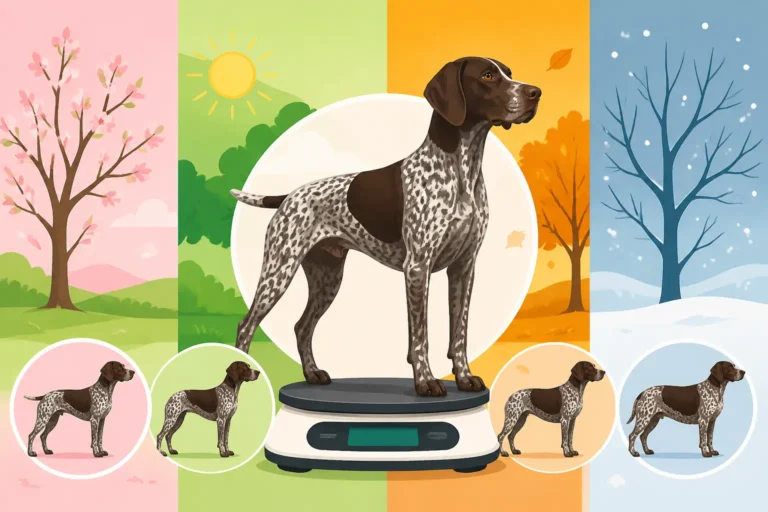
Consider taking monthly photos of your GSP from the side and above. This visual record can be incredibly helpful in noticing gradual changes that you might otherwise overlook. For example, if you see their waistline disappearing slowly over a few months, you know it's time to reduce their food slightly or increase their exercise. Consistency in monitoring allows for proactive management, ensuring your German Shorthaired Pointer stays in prime condition throughout their life.
Exercise: The Other Half of the Equation
Nutrition provides the fuel, but exercise is what sculpts that lean, hard physique and ensures your German Shorthaired Pointer can utilize that fuel effectively. You can feed the best performance diet in the world, but without adequate, appropriate exercise, a GSP will quickly become a soft, frustrated, and potentially destructive dog. They need a job, and that job is often to run. A lot.
High-Intensity Cardiovascular Work
German Shorthaired Pointers are built for endurance. Their cardiovascular system is designed for long periods of sustained activity, which is precisely what keeps them lean and supports a healthy heart and lungs. High-intensity cardio is not just about letting them out in the yard; it's about structured, challenging exercise.
- Running: Whether it's alongside a bike (canine biking or "bikejoring"), with you on a run, or off-leash in a safe, open area, regular long-distance running is fundamental. Start slowly and build up duration and speed, paying close attention to surfaces to protect their joints. How Far a German Shorthaired Pointer Runs in an Hour discusses how much ground they can cover.
- Swimming: An excellent low-impact, full-body workout. Swimming builds strength and endurance without the pounding on joints. Many GSPs naturally love water, making it a fun way to burn off energy. Using Water Work to Wear a Shorthair Out goes into more detail about incorporating water work.
- Field Work/Hunting: This is their natural calling and arguably the best form of exercise. Quartering through fields, pointing, and retrieving provides both mental stimulation and intense physical exertion, mimicking their ancestral purpose. Even if you don't hunt, simulated field drills can be incredibly beneficial.
Aim for at least 60-90 minutes of vigorous activity daily, broken into multiple sessions if needed. This isn't just a walk around the block; this is serious work for a serious athlete.
Building and Maintaining Muscle Mass
Being "hard" isn't just about being thin; it's about having well-developed, strong muscles. While cardio helps maintain muscle, specific exercises can build it up, contributing to overall strength, agility, and injury prevention.
- Hill Sprints: Running up hills provides an excellent resistance workout, targeting the hindquarters and building explosive power. Start with gentle inclines and short distances, gradually increasing as your dog's conditioning improves.
- Varied Terrain Work: Instead of always running on flat, even ground, incorporate trails with roots, rocks, and uneven surfaces. This challenges their balance, engages more muscle groups, and strengthens stabilizers in their legs and core.
- Retrieving: While fetching a tennis ball is good, introduce retrieving heavier dummies or bumpers, especially from water. The added resistance and weight build strength in their neck, shoulders, and back, which is vital for a strong retrieve.
- Core Strength: Activities like crawling under low obstacles or walking on unstable surfaces (like an old mattress or specialized balance equipment) can engage core muscles, improving overall stability and preventing injuries.
Remember that muscle weighs more than fat, so while their scale weight might not drop dramatically, their body composition will shift, leading to that desirable lean and hard look.
Consistency is Key
For a German Shorthaired Pointer, sporadic exercise is almost worse than none at all. Their high energy demands consistency. Skipping a day or two here and there might not seem like a big deal, but it can quickly lead to pent-up energy, undesirable behaviors, and a decline in physical condition. The Two Hours a Day a German Shorthaired Pointer Needs isn't just a suggestion; it's often a baseline for a happy, well-adjusted dog.
Establish a regular exercise routine and stick to it as much as possible. This might mean getting creative with indoor games or treadmill time on bad weather days, or investing in waterproof gear so you can both brave the elements. Variety in activities also helps keep them mentally engaged and prevents boredom. A consistent routine tells their body what to expect, allowing their metabolism and muscles to adapt and maintain optimal condition. It's a commitment, but the reward is a healthy, happy, and beautifully conditioned GSP.
Common Pitfalls and How to Avoid Them
Even with the best intentions, it's easy to fall into common traps that can derail your German Shorthaired Pointer's lean and hard condition. Recognizing these pitfalls is the first step toward avoiding them and keeping your dog in peak form.
Overfeeding and Under-exercising
This is hands down the most common culprit behind a GSP that isn't as lean and hard as they should be. It's a simple energy imbalance: more calories go in than are burned off. We often underestimate how many calories our dogs truly consume and overestimate how much exercise they're actually getting. A quick "run around the yard" for 15 minutes isn't enough to counteract an extra cup of kibble or a handful of high-calorie treats.
To combat this, be precise with your feeding. Measure your dog's food with a proper measuring cup, don't just eyeball it. Adjust portions based on the body condition score discussed earlier, not just the bag's recommendations, which are often generalized. If your GSP is starting to get soft, reduce their food intake by 10-15% for a week or two and re-evaluate. On the exercise front, be honest about the intensity and duration of their activity. Is it truly high-energy work, or mostly casual meandering? If it's the latter, you need to step it up. Consistency in both diet and exercise is crucial to maintaining that ideal athletic physique.
The Temptation of Table Scraps and Excessive Treats
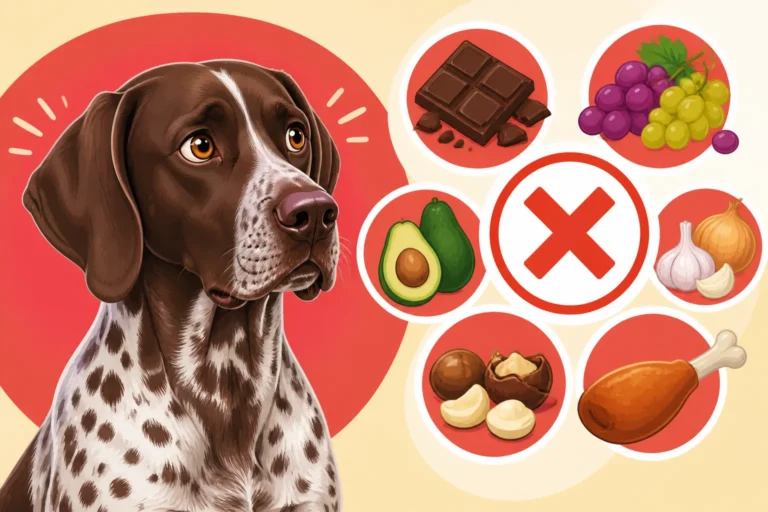
It's hard to resist those big, brown GSP eyes when you're eating dinner, and it's even harder to say no to that eager face when they've done something adorable for a treat. However, table scraps and excessive treats are calorie bombs that can quickly sabotage your efforts to keep your dog lean. Even a small piece of cheese or a bite of your sandwich adds calories that your GSP likely doesn't need on top of their regular meals.
Most human foods are not only high in calories but can also contain ingredients that are harmful or upsetting to a dog's digestive system. Similarly, many commercial dog treats are surprisingly high in calories. A handful of treats might equal half a meal's worth of calories without providing the same nutritional balance. Instead, opt for low-calorie, healthy treats like small pieces of carrot, green beans, or plain cooked chicken (in moderation). When training, break treats into tiny, pea-sized pieces to extend their use without overfeeding. Remind yourself that a moment of indulgence can lead to long-term health issues for your athletic companion.
Ignoring Subtle Changes in Body Condition
One of the biggest mistakes owners make is waiting until their GSP is visibly overweight or underweight before taking action. German Shorthaired Pointers have a naturally sleek build, so a slight increase in fat can be harder to spot than on a fluffier breed. By the time you really notice they've gotten soft, they might already be carrying several extra pounds.
This is why consistent, regular body condition checks are so important. Don't just glance at them while they're running; get your hands on them. Feel their ribs, check their waist, assess their tuck. If you notice a change, even a subtle one, address it immediately. It's much easier to adjust their diet by a small amount or add an extra 15 minutes of running than to try and take off a significant amount of weight later on. Regular check-ins with your veterinarian can also help. They can provide an objective assessment and guidance, ensuring you're on the right track before minor issues become major concerns.
Supplements and Hydration for Peak Performance
While a well-balanced diet and adequate exercise form the bedrock of keeping your German Shorthaired Pointer lean and hard, certain supplements and diligent hydration practices can further support their active lifestyle and ensure they perform at their best. These aren't magic pills, but targeted additions can make a real difference for a working dog.
Joint Support for an Active Life
German Shorthaired Pointers are high-impact athletes. All that running, jumping, and sudden stopping takes a toll on their joints over time. Even with excellent genetics, preventive joint care can be incredibly beneficial. Supplements containing glucosamine, chondroitin, and MSM are popular choices for supporting joint health. These ingredients are believed to help maintain cartilage, lubricate joints, and reduce inflammation.
Starting these supplements proactively, especially as your GSP enters their prime working years, can help keep their joints healthy and potentially delay the onset of age-related arthritis. Many owners of active breeds incorporate these into their daily regimen, often finding good options through retailers like Chewy or Amazon. Remember, these are supplements, not cures, and should be part of an overall strategy that includes appropriate exercise and maintaining a healthy weight. For more information, you might explore articles like Joint Supplements for a Hunting German Shorthaired Pointer.
Essential Fatty Acids for Skin and Coat
Omega-3 fatty acids, particularly EPA and DHA, are powerful anti-inflammatories that offer a host of benefits for active dogs. Beyond contributing to a shiny, healthy coat, they play a crucial role in reducing systemic inflammation, which can be a common side effect of intense exercise. Reduced inflammation can aid in muscle recovery, support joint health, and even boost overall immune function.
Good sources of Omega-3s include fish oil (salmon oil, pollock oil, sardine oil) or krill oil. You can purchase these in liquid form or capsules and add them directly to your dog's food. When choosing a product, look for one that is tested for purity and potency to ensure you're getting a high-quality supplement without contaminants. A healthy coat isn't just for looks; it's an indicator of overall internal health, and essential fatty acids are key to achieving it.
Maintaining Optimal Hydration
This might seem obvious, but proper hydration is absolutely critical for a German Shorthaired Pointer, especially when they are working hard. Dehydration can quickly lead to fatigue, decreased performance, overheating, and serious health problems. Their high-energy output means they lose a lot of water through panting and sweating (through their paw pads), far more than a less active dog.
Always provide plenty of fresh, clean water. During exercise, carry water with you and offer it frequently. Don't wait until they're visibly thirsty; offer water breaks every 15-20 minutes during intense activity. In hot weather or during prolonged exertion, consider adding canine-specific electrolyte supplements to their water. These replenish crucial minerals lost through sweat and can help prevent cramping and fatigue. You can find guidance on this in Electrolytes for a German Shorthaired Pointer in the Field and tips on carrying water in Carrying Water for a German Shorthaired Pointer. Proper hydration is just as important as food for keeping your GSP lean, hard, and safe in the field.
Long-Term Health and Maintaining Condition Through Life Stages
Keeping a German Shorthaired Pointer lean and hard isn't just about their prime working years; it's a lifelong commitment. Their nutritional and exercise needs evolve dramatically from puppyhood through their senior years, and adapting to these changes is essential for their enduring health and vitality.
Growing Pains: Feeding a Developing Shorthair
The puppy stage is a critical period for German Shorthaired Pointers. While you want them to grow, it's actually detrimental to make them grow too quickly, especially for a large, active breed. Rapid growth, often caused by overfeeding or feeding a diet too high in calcium, can put undue stress on developing joints and bones, potentially contributing to orthopedic issues like hip or elbow dysplasia later in life.
Feed a high-quality, large-breed puppy formula that is specifically designed to promote slow, steady growth. These foods typically have a carefully controlled calcium-to-phosphorus ratio. Resist the urge to overfeed your puppy to make them "bigger." A lean puppy is a healthy puppy when it comes to GSPs. You should still be able to easily feel their ribs, and they should have a discernible waistline. Monitor their weight and growth regularly, consulting with your veterinarian to ensure they are on a healthy growth curve. For more specific information, refer to The Growth Year of a German Shorthaired Pointer Puppy.
The Senior Shorthair: Adjusting for Age
As your German Shorthaired Pointer ages, typically around 7-9 years old, their metabolism naturally slows down, and their activity levels may decrease. They might not be running as hard or as long as they once did, but they still need to stay active to maintain muscle mass and joint flexibility. However, continuing to feed them the same amount of high-calorie performance food from their prime can lead to unwanted weight gain.
Transition your senior GSP to a high-quality senior or "light" formula. These foods typically have fewer calories but maintain a good protein level to help preserve muscle mass. You may also need to increase joint supplements, and consider adding other senior-specific supplements under veterinary guidance. While their high-intensity cardio might be reduced, low-impact activities like swimming, gentle walks, or shorter, controlled retrieves are excellent for keeping them mobile and fit without over-exertion. The goal is to keep them lean and muscular, which will significantly improve their quality of life as they age. A great resource for this life stage is Feeding a Senior Shorthair That Has Slowed Down.
Partnering with Your Veterinarian
Throughout all stages of your German Shorthaired Pointer's life, your veterinarian is your most valuable partner in maintaining their lean and hard condition. Regular check-ups are essential, not just for vaccinations but for professional assessments of their body condition, weight, and overall health.
Your vet can help you tailor their diet and exercise regimen to their specific needs, factoring in age, activity level, and any developing health concerns. They can also recommend appropriate supplements, conduct bloodwork to check for underlying issues like thyroid problems that can affect metabolism, and provide guidance on managing conditions like arthritis that might impact their ability to exercise. Don't hesitate to ask questions or express concerns about your dog's weight or energy levels; early intervention is always best when it comes to maintaining the health and performance of your incredible German Shorthaired Pointer.
Disclaimer
This article is for general informational purposes only and does not constitute professional advice. Laws, prices and regulations vary by location and change over time. Consult a qualified professional for guidance on your specific situation.