Slimming a Pet Shorthair That Has Gone Soft
It's a common, often heartbreaking, scenario for German Shorthaired Pointer owners: your once lean, hard-muscled companion starts to fill out, perhaps even get a little pudgy, despite seemingly no change in routine. This shift from "athletic" to "a bit soft" can sneak up on you, leaving you wondering what happened to that tireless, perfectly conditioned athlete. This comprehensive guide will walk you through understanding why your beloved Shorthair might be gaining weight, how to accurately assess their body condition, and practical, empathetic steps to help them safely and effectively shed those extra pounds and get back to their optimal, energetic self.
Why Your High-Energy German Shorthaired Pointer Might Be Carrying Extra Weight
It seems counterintuitive, doesn't it? We all know German Shorthaired Pointers as bundles of boundless energy, dogs that are practically built for speed and endurance. So, when you notice your Shorthair starting to look a little… rounder… it can be genuinely baffling. The truth is, even the most active breeds can gain weight if their caloric intake consistently outweighs their energy expenditure. It's not a moral failing on your part, nor a sign of laziness on theirs. It's often a subtle imbalance that, over time, can lead to your pet Shorthair going soft.
The Mismatch Between Instinct and Lifestyle
German Shorthaired Pointers were selectively bred over generations to be working dogs. They were designed to hunt all day, covering vast amounts of ground, pointing birds, and retrieving to hand. This requires an incredible metabolism and a lean, athletic build. However, most pet Shorthairs, even those who get regular walks and playtime, simply aren't engaged in the same level of sustained, high-intensity activity as their working counterparts. A couple of hours at the dog park, while great, might not burn the same calories as a full day of upland hunting. This creates a natural caloric surplus if their diet isn't adjusted accordingly. Their bodies are still primed to store energy for those long days afield, even if those days never come. They're built for incredible performance, but if that performance isn't consistently demanded, the fuel they consume can quickly become excess.
Consider the historical context: these dogs were developed in Germany to be versatile hunters, capable of working diverse terrain and game. Their genetic programming is for relentless activity. When that drive meets a more sedentary home life – even one with regular family walks – their efficient metabolisms can lead to weight gain. It's not that they don't want to run, it's that the opportunities to truly stretch their legs and deplete their energy stores might be less frequent and intense than their ancestors experienced daily. It's a testament to their breeding that they remain so energetic, but it also means we, as their caregivers, have a responsibility to manage that energy and their diet carefully.
Sneaky Calories and Portion Creep
Another major culprit behind a "soft" Shorthair is what I like to call "portion creep" and the accumulation of "sneaky calories." We love our dogs, and part of that love often expresses itself through food. A little extra scoop of kibble here, a few too many training treats there, table scraps from dinner, or even a nightly dental chew can add up significantly. What seems like a small indulgence might push your Shorthair's daily calorie intake well beyond their needs, especially if their exercise routine isn't as rigorous as it once was, or as their genetics expect.
Think about it: that extra half cup of kibble might only be a few hundred calories, but over weeks and months, that creates a substantial caloric surplus, slowly but surely adding to their waistline. Training treats, especially those rich, high-value ones, are often given frequently during training sessions or just as gestures of affection. Without accounting for these in their overall daily intake, you're inadvertently feeding them more than you realize. Even healthy-sounding treats can be calorie-dense. A hard-running German Shorthaired Pointer can burn through a lot, but a pet Shorthair often doesn't. We forget that a dog's nutritional needs aren't static; they change with age, activity level, and even the season. It's easy to continue feeding the same amount they ate as a busy youngster, even when they're a more relaxed adult. The Daily Ration a Working Shorthair Actually Eats can be vastly different from what a pet Shorthair needs.
Age-Related Metabolic Shifts
Just like us, dogs experience metabolic changes as they age. A vibrant, two-year-old German Shorthaired Pointer might be able to eat a prodigious amount of high-quality food and still remain svelte because their metabolism is roaring and their activity is non-stop. However, as they mature, especially around the time The Age a German Shorthaired Pointer Is Called Senior, their metabolism naturally slows down. They might not burn calories as efficiently, and they might not have the same frantic energy levels they once did. Even if their diet and exercise seem unchanged, this metabolic shift can lead to gradual weight gain.
It's a subtle process. You might not notice your five-year-old Shorthair is slightly less manic than they were at two, but those small reductions in intensity and duration of activity, combined with a slower metabolism, can make a difference. This is especially true after a spay or neuter. Whether a Neutered Shorthair Needs Less Food is a critical question, as studies show that neutered dogs often have reduced metabolic rates and therefore require fewer calories to maintain a healthy weight. Ignoring these natural biological shifts is a common pitfall. Their bodies simply aren't furnace-like calorie burners forever, and acknowledging this is the first step in addressing the weight gain.
Objectively Assessing Your German Shorthaired Pointer's Body Condition
When you look at your beloved German Shorthaired Pointer, you see a family member, a loyal companion. It's easy to overlook gradual changes in their physique, especially if you see them every day. What might seem "normal" to you could actually be a significant amount of excess weight for a breed that thrives on being lean and athletic. Getting objective about your Shorthair's body condition is crucial, and it goes beyond just looking at them or stepping on a scale. It involves a hands-on approach and understanding a standardized scoring system.
The Hands-On Rib Test and Waistline Check
This is probably the most practical and immediate way to assess your Shorthair's condition right at home. You need to get your hands on them, literally.
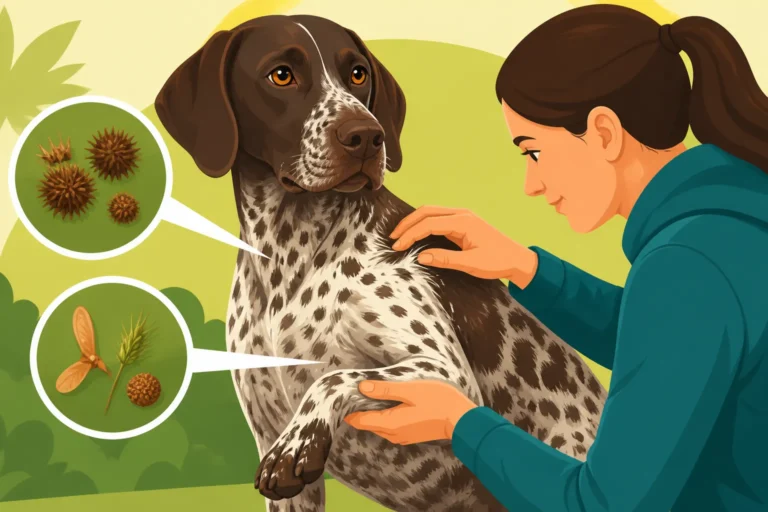
- Rib Test: Gently run your hands along your dog's sides, over their rib cage. You should be able to easily feel their ribs, without having to press hard. Each rib should be distinct, feeling almost like the back of your hand when your fingers are slightly spread. If you can see their ribs without any effort, they might be too thin. If you have to press firmly to feel them, or you can't feel them at all, they're likely carrying too much weight. A healthy German Shorthaired Pointer should feel firm and lean, not padded.
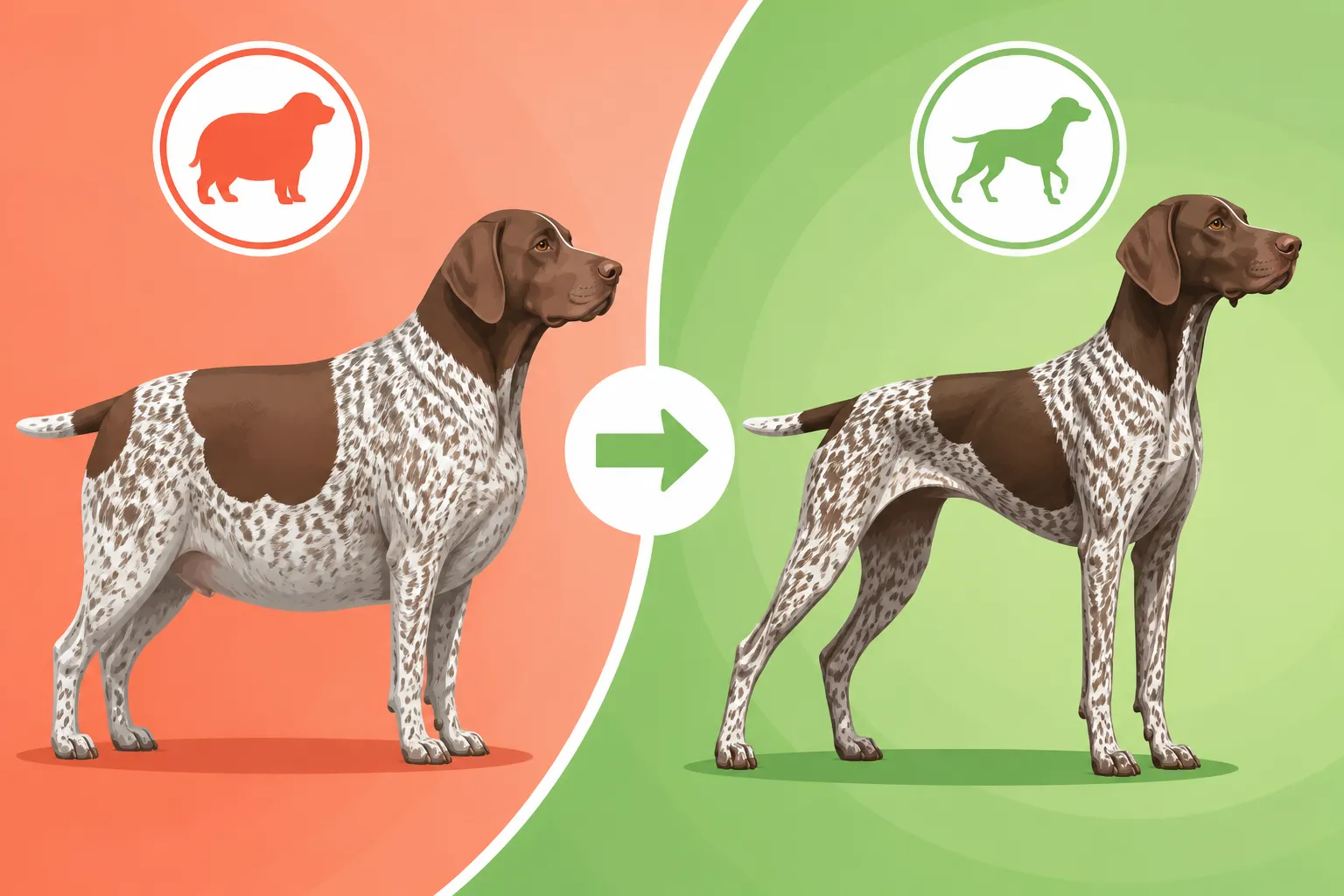
- Waistline Check: Stand directly above your Shorthair and look down at their back. You should see a clear "tuck" or indentation behind their ribs, before their hips. This is their waist. If your dog has a straight, "barrel-like" appearance without a noticeable waist, they're probably overweight. Then, look at your dog from the side. Their abdomen should tuck up, slanting upwards from their rib cage to their hind legs, rather than hanging low or appearing straight across. This abdominal tuck is a hallmark of a fit German Shorthaired Pointer. Whether You Should See a German Shorthaired Pointer's Ribs is often a good indicator of their condition.
It’s important to remember that these dogs are supposed to be built for speed and agility. That means a deep chest for lung capacity, but a narrow, tucked waist for efficient movement. If they're carrying extra bulk around their middle, it impacts their ability to move freely and can put strain on their joints.
Understanding Body Condition Scoring (BCS)
To make assessing your dog's weight more standardized, veterinarians use a system called Body Condition Scoring (BCS). It's typically on a 5-point scale (where 1 is emaciated and 5 is obese) or a 9-point scale (where 1 is emaciated and 9 is obese). For a German Shorthaired Pointer, you're generally aiming for a BCS of 3/5 or 4-5/9.
Here's a simplified version of what each score typically means:
| BCS (5-point) | BCS (9-point) | Description for a GSP | Visual/Tactile Cues |
|---|---|---|---|
| 1 | 1-2 | Emaciated | Ribs, vertebrae, pelvic bones easily visible from a distance. No discernible fat. Severe abdominal tuck. |
| 2 | 3 | Underweight | Ribs, vertebrae, pelvic bones easily palpable and visible. Minimal fat. Obvious abdominal tuck. |
| 3 | 4-5 | Ideal | Ribs easily palpable without excess fat covering. Waist easily noted when viewed from above. Abdominal tuck apparent. Muscle definition visible. |
| 4 | 6-7 | Overweight | Ribs palpable with slight difficulty due to slight fat cover. Waist discernible but not prominent. Abdominal tuck minimal or absent. |
| 5 | 8-9 | Obese | Ribs not palpable or palpable only with significant pressure. No waist. Abdomen distended. Fat deposits visible over lumbar area and base of tail. |
For a German Shorthaired Pointer, the "ideal" zone means they are lean and athletic. You want to see that distinct waist and feel those ribs easily. It's truly what The Body Condition a Field Shorthair Should Carry looks like. If you're unsure, ask your vet to demonstrate how to perform a BCS check during your next appointment. They can show you exactly what to feel for and what to look for, ensuring you're assessing your dog accurately.
The Scale: A Necessary Tool, Not the Only One
While the body condition score is an excellent qualitative measure, the scale provides invaluable quantitative data. Regular weigh-ins are crucial, especially when you're actively trying to help your Shorthair lose weight. However, don't let the number on the scale be your only guide. A Shorthair can fluctuate a few pounds based on hydration, recent meals, or even muscle mass, especially if they are building fitness.
Think of the scale as a tool to track trends. If your 55-pound female Shorthair typically hovers between 50-55 pounds, and suddenly she's 60 or 65 pounds, that's a red flag. Weekly or bi-weekly weigh-ins can help you catch these upward trends early. Most vet clinics are happy for you to pop in just for a quick weigh-in, often free of charge. Keeping a simple log of their weight and BCS over time can give you a clear picture of their progress and help you make informed decisions about their diet and exercise. It also helps you understand their individual healthy weight range, as the breed standard offers a range, but each dog has their own ideal.
Crafting a Diet Plan to Safely Shed Pounds
Once you've objectively assessed your German Shorthaired Pointer and confirmed they're carrying extra weight, the next step is tackling their diet. This isn't about starvation or drastic changes, which can be dangerous and ineffective. It's about smart, sustainable adjustments that reduce calorie intake while still providing all the necessary nutrients for a high-energy breed. Remember, a Shorthair needs fuel, but it needs the right fuel in the right amount.
Re-evaluating Your Current Food and Portions
The first place to start is with what you're currently feeding. Many dog food bags have feeding guidelines, but these are often broad recommendations and assume a certain activity level. For a pet Shorthair whose activity might not match that of a full-time hunting dog, these guidelines could easily be too high.
Begin by measuring precisely how much food you're giving them each day. Don't eyeball it! Use a dedicated measuring cup. Then, compare that to the feeding guide on your dog food bag for an "adult maintenance" level at your dog's ideal weight, not their current overweight one. Often, you'll find you're feeding more than recommended, or that the recommendation is simply too much for your dog's current lifestyle. Many owners, for example, continue to feed a high-performance kibble meant for intense daily work, even when their dog's activity has reduced, or they’ve hit The Age a German Shorthaired Pointer Slows in the Field.
A good rule of thumb for weight loss is to reduce their current food intake by about 10-20%. For example, if you're feeding 3 cups a day, try reducing it to 2.5 or 2.25 cups. Monitor their weight and energy levels closely over the next few weeks. If they're losing weight steadily (about 1-2% of their body weight per week is a healthy goal), you've found a good starting point. If not, you may need to adjust further. Be sure to factor in any treats, dental chews, or food used for puzzle toys into their daily calorie count. If you use a brand found on Chewy, for instance, check their website for more specific feeding calculators that might factor in age and activity level, which can be incredibly helpful.
Exploring Lower Calorie and High-Protein Options
Sometimes, simply reducing portions of their current food might leave your Shorthair feeling hungry, or might not provide the best nutritional balance for weight loss. This is where exploring specific "weight management" or "light" dog foods can be beneficial. These foods are typically formulated with:
- Reduced Calories: Obviously, the primary goal. They often achieve this by having lower fat content.
- Higher Fiber: This helps dogs feel full without adding excess calories, aiding satiety.
- Higher Protein: Maintaining muscle mass is crucial during weight loss, especially for an athletic breed like a German Shorthaired Pointer. Higher protein helps them feel satisfied and supports healthy muscles.
When considering a new food, read the labels carefully. Look at the calorie content per cup or per gram. You might also want to consult your vet about specific prescription weight-loss diets, which are very effective because they are highly controlled in terms of calories and nutrients. Alternatively, some owners explore fresh food options like Ollie, which allows for precise portion control and often has high-quality, lean protein sources. Just remember, any change in diet should be gradual over 7-10 days to avoid stomach upset. Start by mixing a small amount of the new food with their old food, gradually increasing the new food's proportion each day.
Smart Snacking and Treat Alternatives
For many of us, treats are a huge part of our bond with our dogs. But those calorie-dense biscuits can quickly derail a weight loss plan. You don't have to eliminate treats entirely; you just need to get smarter about them.
Here are some excellent, low-calorie treat alternatives:
- Vegetables: Many Shorthairs adore carrots, green beans, cucumber slices, or apple slices (remove seeds!). These are low in calories and packed with vitamins. Just be sure to research what vegetables are safe for dogs.
- Ice Cubes: A simple, zero-calorie treat that many dogs love, especially on a hot day.
- Kibble as Treats: Use a portion of their daily kibble allowance for training or rewards. This ensures you're not adding extra calories to their diet.
- Puzzle Toys: Instead of handing them treats, put a small amount of their kibble in a puzzle feeder. This makes them work for their food, slows down eating, and provides mental stimulation. Puzzle Feeders and Scent Games for a Shorthair can be a fantastic way to engage their minds while managing their intake.
- Lean Protein: Small pieces of cooked, unseasoned chicken breast or turkey can be excellent high-value, low-calorie treats.
The key is mindful treating. Before you give a treat, ask yourself: is this genuinely necessary? Can I use a lower-calorie alternative? And if I do give a higher-value treat, how will I account for it in their overall daily food intake? This conscious approach will make a huge difference. You can find a vast array of healthy treats and puzzle toys on platforms like Amazon or Chewy, making it easy to experiment and find what your Shorthair enjoys.
The Role of Meal Frequency and Timing
How often and when you feed your German Shorthaired Pointer can also play a role in their weight management journey. Traditionally, most dogs are fed once or twice a day. For weight loss, splitting their daily ration into two or even three smaller meals can be beneficial. This can help prevent them from feeling overly hungry between meals, maintain more stable blood sugar levels, and keep their metabolism gently ticking over.
Consider feeding them a smaller portion in the morning and another in the evening. If your Shorthair is particularly food-motivated or prone to scarfing down food, using a slow-feeder bowl can also be incredibly helpful. It forces them to eat more slowly, which aids digestion and helps them feel full. Also, establishing a consistent feeding schedule helps manage their hunger cues; they'll learn when to expect food, rather than constantly begging or feeling anxious about when their next meal will arrive. This consistent routine can be very calming and help prevent frantic eating behaviors.
Boosting Activity Levels Without Overdoing It
Diet is paramount for weight loss, but exercise is the crucial complement, especially for a breed like the German Shorthaired Pointer. They are built for movement, and increasing their activity isn't just about burning calories; it's about building lean muscle, improving cardiovascular health, and satisfying their innate need to run and explore. However, if your Shorthair is currently overweight, you need to approach exercise thoughtfully to avoid injury.
Structured Exercise Routines for the Overweight GSP
The goal here isn't to suddenly turn your soft Shorthair into an endurance athlete overnight. That's a recipe for injury. Instead, it's about gradually increasing the duration and intensity of their physical activity.
Start with longer, more frequent walks. If you've been doing 20-minute strolls, aim for 30-45 minutes. If they can comfortably do that, try increasing the pace or incorporating some gentle inclines. Remember, The Two Hours a Day a German Shorthaired Pointer Needs is a good baseline for an active GSP, but you'll build up to that. Once they've built up some stamina and shed a few pounds, you can introduce more vigorous activities:
- Jogging/Running: If your vet gives the okay, gradually start jogging with your Shorthair. Begin with short bursts of jogging interspersed with walking, slowly increasing the jogging intervals. Always run on softer surfaces like grass or dirt trails to protect their joints, rather than hard pavement.
- Off-Leash Play (in safe areas): A securely fenced yard or a designated off-leash park allows your Shorthair to run at their own pace, sprint, and play freely. This is often the most enjoyable form of exercise for them.
- Swimming: This is an excellent low-impact exercise for overweight dogs. It burns calories without putting stress on their joints. Many German Shorthaired Pointers adore water and will happily retrieve toys from a pond or lake. Just be sure the water is safe and clean.
Always pay close attention to your dog's signals. If they're panting excessively, lagging behind, or showing signs of discomfort, it's time to slow down or end the session. Overweight dogs are more susceptible to overheating and joint strain, so incremental progress is key. Consider Exercise a Shorthair Needs Before a Work Day to set them up for success.
Incorporating More Mental Stimulation and Play
Exercise isn't just physical; mental stimulation is equally important for a German Shorthaired Pointer and can help burn energy in a different way. A mentally tired dog is often a calmer dog, which can reduce boredom-related behaviors that sometimes lead to excess eating.
- Scent Games: Shorthairs have incredible noses. Hide treats (using their allowed kibble or low-cal alternatives) around the house or yard and let them sniff them out. This engages their natural instincts and is mentally exhausting. Puzzle Feeders and Scent Games for a Shorthair can turn mealtime into a game.
- Training Sessions: Even basic obedience training, when done consistently, requires focus and effort. Practice "sit," "stay," "down," or even new tricks for 10-15 minute sessions throughout the day. This strengthens your bond and works their brain.
- Interactive Toys: Toys that dispense kibble slowly, or those that require manipulation to get a reward, can keep them occupied and thinking.
- New Routes: Vary your walking routes. New sights, sounds, and smells provide novel mental stimulation and keep walks exciting. Exploring new areas engages their senses far more than the same old block every day.
These activities complement physical exercise, helping to create a well-rounded routine that addresses both their physical and mental needs. A German Shorthaired Pointer that is bored or under-stimulated can develop destructive habits or even become more prone to seeking food out of boredom.
Low-Impact Activities for Joint Health
When your German Shorthaired Pointer is carrying extra weight, their joints are under increased stress. High-impact activities like intense jumping, long runs on hard surfaces, or sudden stops and starts should be avoided in the initial stages of weight loss. Focusing on low-impact activities protects their joints while still promoting calorie burning and muscle development.
- Leash Walking: As mentioned, this is your foundation. Start slow and steady on varied terrain, gradually increasing distance and duration.
- Hydrotherapy/Swimming: This is truly one of the best options for an overweight GSP. The buoyancy of the water takes the strain off their joints, allowing them to move freely and build muscle without impact. Many canine rehabilitation centers offer hydrotherapy pools, or you can find safe, clean natural bodies of water.
- Controlled Incline Walking: Walking uphill provides a good workout for leg muscles and cardiovascular system without the jarring impact of running on flat ground. Start with gentle slopes.
- Soft Surface Running: Once some weight is off, short bursts of running on grass, dirt trails, or sand can be introduced. These surfaces absorb more impact than concrete or asphalt.
If your Shorthair already shows signs of joint stiffness or has been diagnosed with conditions like arthritis, always consult your veterinarian before starting a new exercise program. They might recommend specific exercises or Joint Supplements for a Hunting German Shorthaired Pointer to support their joint health throughout the weight loss process.
Ruling Out Medical Reasons for Weight Gain
While diet and exercise are the most common factors in a German Shorthaired Pointer gaining weight, it's absolutely crucial not to overlook potential underlying medical conditions. Sometimes, despite your best efforts, your dog might struggle to lose weight or even continue to gain it. In these cases, a trip to the vet is non-negotiable.
When to Schedule a Vet Check-Up
If you've noticed a significant or sudden weight gain, or if your Shorthair is gaining weight despite what you believe is a well-managed diet and exercise routine, it's time to book an appointment with your veterinarian. Even if you haven't seen a sudden change but suspect your dog is overweight, a professional opinion is always valuable.
A vet check-up for weight gain will typically involve:
- A thorough physical examination: Your vet will assess their body condition, palpate their abdomen, and check for any swelling or discomfort.
- Discussion of diet and exercise: Be prepared to provide detailed information about what your Shorthair eats daily (including treats, chews, and table scraps) and their typical exercise routine. It helps to keep a food diary for a few days before the appointment.
- Blood work: This is often the most important diagnostic step. Blood tests can rule out hormonal imbalances or other conditions that might be contributing to weight gain.
- Urinalysis: Sometimes, a urine sample can provide clues about metabolic health.
Don't feel embarrassed or ashamed; veterinarians see overweight pets all the time, and their primary goal is to help you help your dog live a healthier life. It's an act of responsible pet ownership to investigate potential medical causes.
Common Medical Conditions That Mimic Obesity
Several medical conditions can cause weight gain or make weight loss extremely difficult, even in an active breed like a German Shorthaired Pointer.
- Hypothyroidism: This is a very common endocrine disorder in dogs, where the thyroid gland doesn't produce enough thyroid hormone. Symptoms often include weight gain, lethargy, hair loss (especially on the flanks), and a dull coat. Weight Gain That Points at a Shorthair's Thyroid is a classic sign. It's easily diagnosed with a blood test and can be managed with daily medication, often leading to a complete reversal of symptoms and weight loss.
- Cushing's Disease (Hyperadrenocorticism): This condition results from the body producing too much cortisol. Symptoms include increased appetite, a pot-bellied appearance, thinning skin, excessive thirst, and panting. While less common than hypothyroidism, it's important to rule out.
- Insulinoma: A rare tumor of the pancreas that causes low blood sugar, leading to increased appetite and weight gain in some cases.
- Fluid Accumulation: In some cases, what appears to be weight gain could actually be fluid retention due to heart disease, liver disease, or certain cancers. Your vet would be able to distinguish this from true fat accumulation during a physical exam.
If your Shorthair has also started to show reduced energy or seems unwilling to exercise, as described in A German Shorthaired Pointer That Has Stopped Wanting to Run, these could be additional red flags pointing to an underlying health issue rather than just a lack of motivation.
Medications and Their Impact on Weight
It's also worth noting that certain medications can lead to weight gain as a side effect. If your German Shorthaired Pointer is on any long-term medications, discuss this with your vet.
- Steroids (Corticosteroids): Drugs like prednisone are often prescribed for inflammation, allergies, or autoimmune conditions. They can significantly increase appetite and lead to weight gain, often with a characteristic pot-bellied appearance. If your dog is on steroids, your vet can help you manage their diet and activity to counteract these effects, or explore alternative treatments if appropriate.
- Phenobarbital: This medication is used to control seizures. While effective, it can increase appetite and sometimes cause lethargy, which can indirectly contribute to weight gain.
- Certain Pain Medications: Some pain relievers, especially those used for chronic conditions, can sometimes cause lethargy or a metabolic shift that leads to weight gain.
Never stop or alter your dog's medication without consulting your veterinarian. If medication is contributing to weight gain, your vet can help you find strategies to manage it, whether through dietary adjustments, increased exercise, or exploring different medication options. The goal is always to balance their overall health needs.
Long-Term Strategies for a Lean, Healthy Shorthair
Helping your German Shorthaired Pointer shed those extra pounds is a significant accomplishment, but the journey doesn't end there. Maintaining a healthy weight is an ongoing commitment that requires consistent monitoring, proactive adjustments, and the cooperation of everyone in the household. It's about establishing a lifestyle, not just a temporary diet.
Consistent Monitoring and Adjustments
Weight management is dynamic. Your Shorthair's needs will change over time, and what worked initially might need tweaking down the road.
- Regular Weigh-ins and BCS Checks: Continue to weigh your Shorthair weekly or bi-weekly and perform the hands-on body condition score check once a month. This will help you catch any creeping weight gain early, before it becomes a major problem again.
- Observe Energy Levels and Stamina: Pay attention to how your dog moves, how easily they get up, and how long they can sustain activity. These are all indicators of their overall fitness and health. If they seem to be slowing down again or losing their zest, it might be time to increase their activity or re-evaluate their diet.
- Seasonal Adjustments: A Shorthair hunting hard in cold weather will burn significantly more calories than one lounging indoors during the summer. Be prepared to adjust their food intake based on their activity levels, as outlined in Off Season Feeding for a German Shorthaired Pointer. A dog spending all day Running a Shorthair Beside a Bike Safely will have different needs than one doing yard work.
- Calorie-Dense Treats and Chews: Remember those sneaky calories? Keep a mental tally (or even a written one) of all treats and chews. If you add a new, calorie-dense chew to their routine, slightly reduce their kibble for that day.
The goal is to be proactive, not reactive. Small, consistent adjustments are far easier and healthier than trying to reverse significant weight gain repeatedly. This mindful approach ensures your Shorthair maintains that athletic, lean build that defines the breed.
Keeping the Whole Family on Board
This is often where weight management plans falter. If only one person in the household is committed to the diet and exercise plan, while others are still slipping treats or extra food, progress will be slow or non-existent.
- Communicate Clearly: Hold a family meeting to discuss your Shorthair's weight loss goals and the plan you've put in place. Explain why it's important for their health and longevity.
- Establish Rules: Decide together on clear rules for feeding, treats, and exercise. For example: "No human food scraps," "Only use designated low-calorie treats," or "Everyone is responsible for one 15-minute play session a day."
- Portion Control: Pre-measure your Shorthair's daily food allowance and put it in a container. Each family member can then take a portion from that container for meals or training, ensuring no one accidentally overfeeds.
- Educate Children: Children, with their loving hearts, are often the biggest culprits for over-treating. Explain to them why too many treats can hurt the dog, just like too much candy isn't good for them. Teach them to offer healthy alternatives like carrot sticks.
- Designate a Treat Jar: Keep a clearly labeled jar with only approved, low-calorie treats or kibble portions. This removes the guesswork and temptation.
A unified front is incredibly powerful. When everyone is on the same page, your Shorthair will have the consistent support they need to maintain a healthy weight.
Celebrating Progress and Staying Motivated
Weight loss can be a slow process, and it's easy to get discouraged if the numbers on the scale aren't dropping as fast as you'd like. It's vital to celebrate every bit of progress, no matter how small, and to find ways to keep yourself and your Shorthair motivated.
- Focus on Non-Scale Victories: Has your Shorthair shown more energy on walks? Are they playing more enthusiastically? Do they jump into the car more easily? Can you feel their ribs more distinctly? These are all signs of progress that go beyond just pounds lost.
- Take Progress Photos: Pictures taken every few weeks can be a powerful visual reminder of how far your Shorthair has come. Sometimes, it's hard to see the change day-to-day, but side-by-side photos don't lie.
- Reward with Experiences, Not Food: Instead of food treats, reward milestones with something your Shorthair truly loves: an extra-long game of fetch, a trip to a favorite sniffing spot, a new durable toy, or dedicated cuddle time. These positive reinforcements strengthen your bond and reinforce healthy behaviors.
- Keep a Journal: Document their weight, BCS, exercise routine, and any observations about their energy or mood. Seeing the journey laid out can be incredibly motivating.
- Connect with Other GSP Owners: Share your experiences and get tips from other German Shorthaired Pointer owners through local clubs or online forums. Having a support system can make a big difference.
Remember, you're not just helping your Shorthair lose weight; you're improving their quality of life, extending their lifespan, and ensuring they can continue to be the active, joyful companion you both cherish. The lean, hard condition they were bred for is achievable, and the effort is well worth it for their health and happiness.
Disclaimer
This article is for general informational purposes only and does not constitute professional advice. Laws, prices and regulations vary by location and change over time. Consult a qualified professional for guidance on your specific situation.