Putting Weight Back on a Shorthair After Hunting
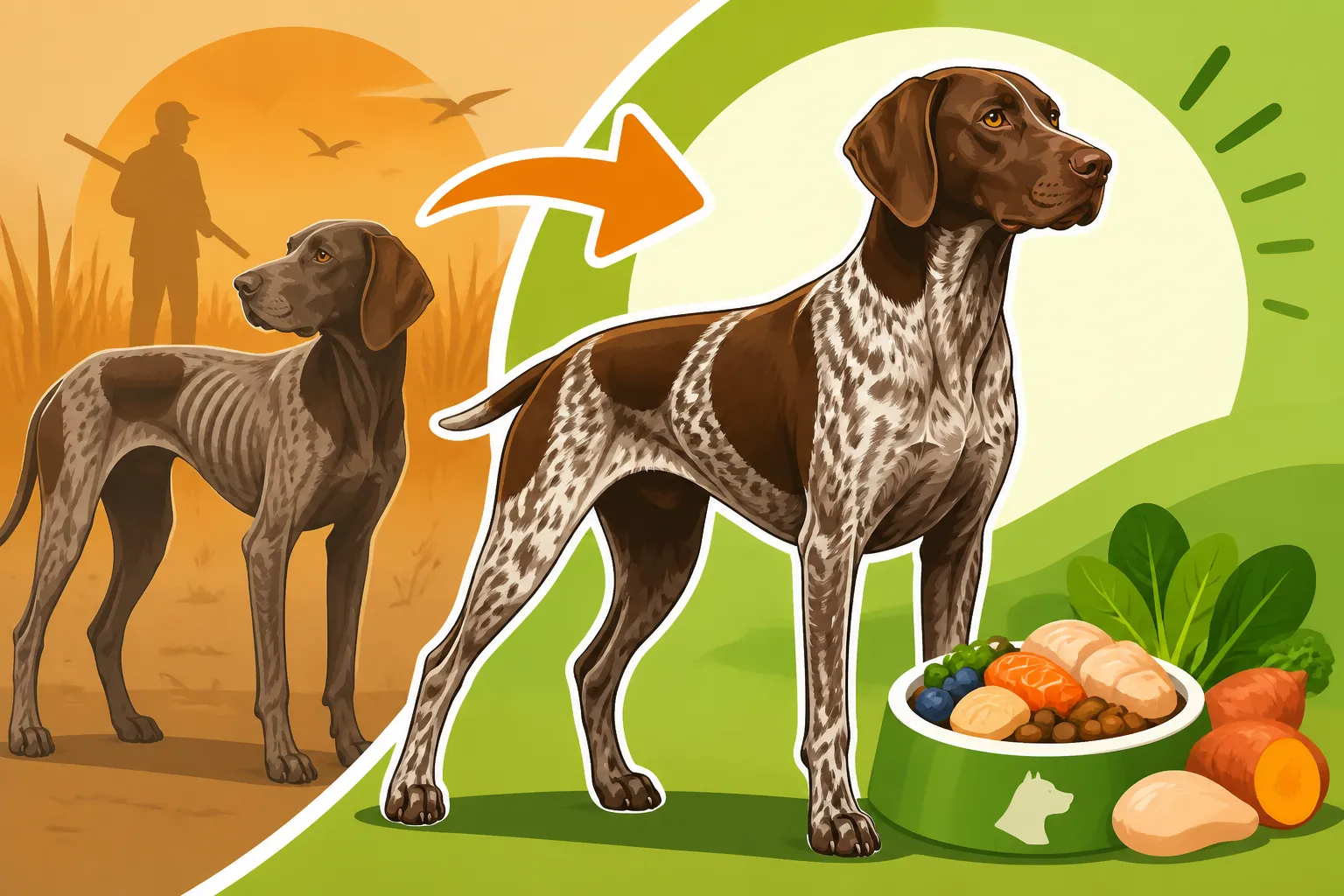
It's a familiar sight for many German Shorthaired Pointer owners: after a grueling hunting season, your typically robust, energetic companion looks a bit gaunt, perhaps even a shadow of their former self. Watching your incredible bird dog lose significant weight despite your best efforts can be disheartening and even worrying. This guide is here to walk you through safely and effectively helping your Shorthair regain those crucial pounds, ensuring they recover well and bounce back stronger for the next season.
Understanding Why Your Shorthair Loses Weight During Hunting Season
German Shorthaired Pointers are exceptional athletes, bred for endurance, speed, and an insatiable desire to work. This high-octane lifestyle, especially during hunting season, puts immense demands on their bodies, often leading to significant weight loss. It’s not a sign of poor care; it’s a testament to their incredible drive and the sheer energy they expend.
The Extreme Energy Demands of a Hunting Dog
Think about what your Shorthair does in a single day out in the field. They're covering miles, often through thick cover and varied terrain, using their incredible nose, pointing with intense focus, and making powerful retrieves. This isn't just a leisurely walk in the park; it's a marathon, often repeated day after day or week after week. Their muscles are constantly working, their metabolism is in overdrive, and they're burning calories at an astonishing rate. It's often difficult for them to consume enough calories to match this output, especially when they might be stressed or excited by the hunt itself.
During peak season, their caloric needs can be two to four times higher than a sedentary dog of the same size. If you've ever tried to keep up with their energy levels, you know it's a monumental task. This sustained, high-intensity exercise leads to a negative energy balance where they're expending more energy than they're taking in, and their body starts to draw on its fat reserves, and sometimes even muscle mass, to fuel the effort. This is why many owners see ribs become more prominent and their dog's overall lean build become even leaner. If you've ever wondered about The Daily Ration a Working Shorthair Actually Eats, you'll quickly realize how much food it takes to fuel these incredible machines.
The Role of Stress and Excitement in Calorie Burn
Beyond the physical exertion, the mental and emotional demands of hunting also play a significant role. German Shorthaired Pointers are highly intelligent and sensitive dogs, and the excitement of the hunt, the anticipation of birds, and the constant mental engagement can contribute to their calorie burn. Stress hormones, even positive stress like excitement, can impact digestion and nutrient absorption. Some dogs might even be too keyed up to eat as much as they need during a hunt, or immediately afterward.
Imagine your Shorthair vibrating with anticipation at the sound of a shotgun or the scent of a pheasant. That intense focus and adrenaline rush, while crucial for their performance, also consumes energy. This isn't necessarily a bad thing, as it's part of what makes them such effective hunters, but it's a factor to consider when evaluating their post-season condition. It's not just the physical miles; it's the mental intensity that leaves them depleted. Even a dog with good body condition going into the season can end up quite lean by the end of it.
Assessing Your Shorthair's Post-Season Condition and When to Call the Vet
Before you start pouring extra food into your Shorthair's bowl, it’s crucial to take a systematic approach to assess their current condition. Not all lean dogs are unhealthy, but it’s important to distinguish between a healthy lean physique and one that's a cause for concern.
Evaluating Body Condition Score (BCS)
The Body Condition Score (BCS) is a universally recognized tool that helps you objectively assess your dog's fat reserves and muscle mass. It's typically scored on a 1-5 or 1-9 scale. For a German Shorthaired Pointer, especially one coming off a hunting season, you want to aim for a healthy lean, not emaciated. On a 1-9 scale, a working Shorthair might ideally sit at a 4 or a lean 5 during peak season. After the season, they might have dropped to a 3 or even a low 2, which indicates a need for careful weight gain.
To check your dog's BCS, run your hands along their ribs, spine, and hip bones. You should be able to feel their ribs easily, but not see them dramatically protruding. There should be a slight fat covering. Their waist should be noticeable when viewed from above, and their abdomen should tuck up slightly from the side. If their ribs, spine, and hip bones are very prominent and easily visible with no fat covering, or if their stomach is severely tucked, they are likely underweight. On the other hand, if you can't easily feel their ribs without pressing, they might be carrying too much weight, even if they look trim to the eye. Understanding The Body Condition a Field Shorthair Should Carry is vital for their long-term health and performance.
When to Consult Your Veterinarian
While some weight loss after a demanding season is common, persistent or extreme thinness, especially if accompanied by other symptoms, warrants a vet visit. It's always a good idea to schedule a post-season check-up anyway, as part of The Vet Schedule a Working Shorthair Should Keep. This allows your vet to rule out any underlying health issues that might be contributing to weight loss, such as parasites, dental problems, thyroid issues, or other metabolic conditions. They can also offer tailored advice based on your dog's individual health profile.
If your Shorthair is exhibiting symptoms like lethargy, persistent diarrhea, vomiting, a dull coat, or a complete lack of appetite in addition to weight loss, don't delay in contacting your vet. These could be signs of something more serious than just seasonal depletion. Your vet can perform blood tests or fecal exams to diagnose any issues and help you develop a safe and effective weight gain strategy. Sometimes, even seemingly minor issues like Loose Stools in a German Shorthaired Pointer can prevent proper nutrient absorption and lead to further weight loss.
Developing a Strategic Weight Gain Plan for Your German Shorthaired Pointer
Once you've assessed your Shorthair's condition and ruled out any underlying health problems, it's time to put together a plan to help them safely regain weight. The key here is gradual and sustainable weight gain, not a rapid increase that could cause digestive upset or other issues.
Gradually Increasing Caloric Intake
The most important rule for putting weight back on your Shorthair is to do it slowly. A sudden increase in rich food can lead to digestive upset, including diarrhea, or even more serious issues like bloat, which German Shorthaired Pointers are unfortunately prone to. Start by increasing their regular food portion by about 10-15% for a few days, then monitor their stools and energy levels. If all looks good, you can gradually increase further.
Many dedicated hunting dog foods are already designed to be calorie-dense, but during the off-season, you might consider continuing with a high-performance formula or even switching to a premium "all life stages" food that offers good protein and fat content. Look for foods with higher protein and fat percentages, which are crucial for muscle and healthy fat replenishment. You can find excellent options on online retailers like Chewy or Amazon, allowing you to compare ingredients and reviews. Remember, for a long-term strategy, consistency is key, and abruptly changing foods can be counterproductive. When considering Protein and Fat Ratios for a Hunting German Shorthaired Pointer, aim for a balanced approach that supports recovery without causing excess fat accumulation.
Incorporating Healthy, Calorie-Dense Additions
Sometimes, simply adding more kibble isn't enough, or your dog might not be able to eat enough volume to meet their needs. This is where healthy, calorie-dense additions can be incredibly helpful. These can include:
- Cooked, Lean Meats: Boiled chicken, ground beef (drained of fat), or turkey can add a significant protein and calorie boost.
- Eggs: Scrambled or hard-boiled eggs are a fantastic source of protein and healthy fats.
- Cottage Cheese: Full-fat cottage cheese can be a palatable source of protein and calcium, especially if your dog tolerates dairy well.
- Canned Pumpkin: While lower in calories, a spoonful of plain canned pumpkin can help with digestion and firm up stools if the increased food causes mild upset.
- Fish Oil Supplements: These add healthy omega-3 fatty acids, which are great for skin, coat, and joint health, and a few extra calories. You can often find reputable brands on Amazon.
- High-Calorie Supplements: There are specific supplements formulated for weight gain in active dogs. Always consult your vet before adding these, but they can be very effective.
Here's a quick comparison of some common additions:
| Food Addition | Calories (approx. per 100g) | Primary Benefit | Notes |
|---|---|---|---|
| Cooked Chicken | 165 | High Protein, easily digestible | Remove skin and bones. |
| Scrambled Egg | 155 | High Protein, healthy fats | Cook thoroughly. |
| Cottage Cheese | 98 (full-fat) | Protein, Calcium | Introduce slowly to avoid stomach upset. |
| Canned Mackerel | 200-250 | Omega-3s, Protein, Fat | Choose varieties packed in water, not oil, with no added salt. |
| Plain Yogurt | 60 (full-fat) | Probiotics, Protein | Ensure no artificial sweeteners, especially xylitol. |
| Fish Oil | Varies by product | Omega-3s, healthy fats | Liquid or capsules, follow dosage guidelines. |
When considering additions, remember that fresh food options, like those from a brand such as Ollie, can also be a fantastic way to add highly digestible, nutrient-dense calories if your budget allows. Just be sure to transition slowly if you're introducing a completely new food type.
Adjusting Feeding Schedule and Meal Frequency
Instead of feeding one or two large meals, consider breaking their daily ration into three or even four smaller meals. This can be easier on their digestive system and allows for more consistent nutrient absorption throughout the day. It also helps prevent issues like bloat, as large meals can put strain on the stomach.
For example, if your Shorthair typically gets two meals a day, try splitting their morning meal into two smaller portions given an hour or two apart, or add a mid-afternoon snack. Always remember to allow a good period of rest before and after meals, especially if your dog is still getting some exercise. The Bloat Risk a Shorthair Carries Into Every Season is a serious concern, and proper feeding practices are crucial for prevention.
Monitoring Progress and Adjusting Your Shorthair's Recovery Diet
Getting your Shorthair back to their ideal weight isn't a one-and-done process. It requires consistent monitoring and a willingness to adjust your plan based on their individual response.
Regular Weight Checks and Body Condition Assessments
Make it a habit to weigh your Shorthair weekly or bi-weekly. Even a regular bathroom scale can work if you weigh yourself, then weigh yourself holding your dog, and subtract the difference. More importantly, continue to perform daily or every-other-day Body Condition Score checks. Feeling their ribs and checking their waistline gives you immediate feedback that a scale might not. You're looking for a steady, gradual increase in weight and fat coverage, not a sudden jump.
It’s easy to get excited and overfeed, but slow and steady wins the race. You want to see their BCS improve incrementally, moving from a lean 2 or 3 to a healthy 4 or 5. Keep a small journal to track their weight, BCS, and any changes in their food intake or additions. This objective data will help you and your vet make informed decisions. Also, pay attention to their energy levels. As they regain weight and strength, they should start to feel more robust and resilient. For a detailed look at appropriate weights, you might be interested in The Weight a Male German Shorthaired Pointer Should Hold or The Forty Five to Sixty Pounds a Female Shorthair Carries.
The Importance of Continued Hydration and Supplementation
Even off-season, proper hydration remains critical for your German Shorthaired Pointer's overall health and recovery. Ensure they always have access to fresh, clean water. You can also add a little bit of low-sodium broth to their water bowl as an incentive or offer moist foods. Dehydration can hinder nutrient absorption and recovery.
Depending on your dog’s age and overall health, your vet might recommend specific supplements beyond just fish oil. This could include a good quality joint supplement, especially if they are an older working dog who has been hard on their joints, as discussed in Joint Supplements Worth Giving a Working Shorthair. A probiotic can also be beneficial, particularly if the change in diet has caused any minor digestive upset, helping to maintain a healthy gut microbiome. You can find a vast selection of these on sites like Chewy. Remember, any supplements should complement a balanced diet, not replace it.
Transitioning to an Off-Season Maintenance Diet
Once your Shorthair has reached a healthy, ideal weight, it’s time to transition them to an off-season maintenance diet. This usually means reducing the extra calories and supplements you’ve been providing, but again, do it gradually. You won't need the intense calorie load required for a hunting season, but a good quality, well-balanced diet is still essential.
Monitor their BCS carefully during this transition. You want them to maintain their healthy weight, not start gaining excess fat. A Shorthair should always be lean and athletic. Excess weight can put unnecessary strain on their joints, heart, and overall health, potentially shortening The Twelve to Fourteen Years a German Shorthaired Pointer Gets. The goal is to keep them fit and ready for the next time they hit the field, striking that perfect balance between fuel for high performance and healthy leanness. Think of it as preparing them for the next challenge, ensuring they’re always in peak condition.
Disclaimer
This article is for general informational purposes only and does not constitute professional advice. Laws, prices and regulations vary by location and change over time. Consult a qualified professional for guidance on your specific situation.