Whether Force Fetch Is Necessary for a Pet Shorthair
It's a common dilemma for German Shorthaired Pointer owners: you see these incredible dogs on social media or at field trials, flawlessly retrieving birds to hand, and you wonder if your beloved companion, who brings his slobbery tennis ball to your feet but then drops it just out of reach, needs that same intense training. The truth is, the specific discipline known as "force fetch" is a very specialized tool, one that comes with a significant time commitment and a clear purpose. Deciding whether it's right for your pet shorthair requires understanding what it truly entails and aligning it with your daily life and goals for your dog.
Understanding Force Fetch: What It Really Means
When we talk about "force fetch," we're diving into a realm of highly specific, foundational training. It’s not just about teaching your dog to pick things up; it's about instilling a non-negotiable understanding of what a retrieve truly means, especially under pressure. Many people misunderstand it, thinking it’s harsh or cruel, but when done correctly, it builds a confident, reliable retriever.
Beyond the "Natural" Retrieve
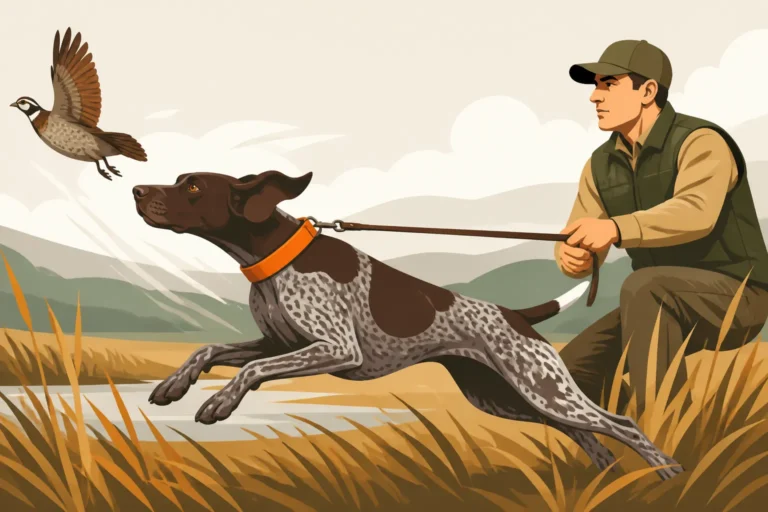
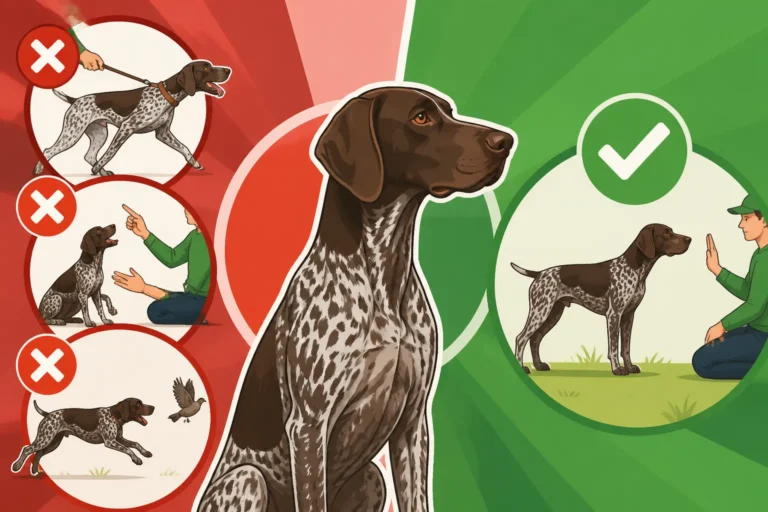
German Shorthaired Pointers are often described as having a "natural retrieve." And indeed, most GSPs love to fetch! They'll bound after a thrown bumper, enthusiastically grab it, and bring it back to you, tail wagging. This is a joy to behold and a testament to their innate instincts. However, a "natural retrieve" often comes with caveats. It's usually conditional on the dog feeling like it, on the item being exciting enough, or on there being no distractions. Your shorthair might fetch a tennis ball all day long in the backyard, but the moment a squirrel runs by, or a different, more interesting scent catches their nose, that tennis ball can become suddenly irrelevant.
For a hunting dog, this kind of selective retrieving is simply not acceptable. Imagine a valuable bird downed in heavy cover, and your dog decides halfway back to drop it and chase a rabbit. Or, perhaps more commonly, they bring it within five feet of you and then play a game of keep-away. This is where the gap between a natural retrieve and a trained, reliable retrieve becomes glaringly obvious. The stakes are much higher in the field, and the consequences of an unretrieved bird can be significant, both ethically and practically.
The Core Principles of Force Fetch
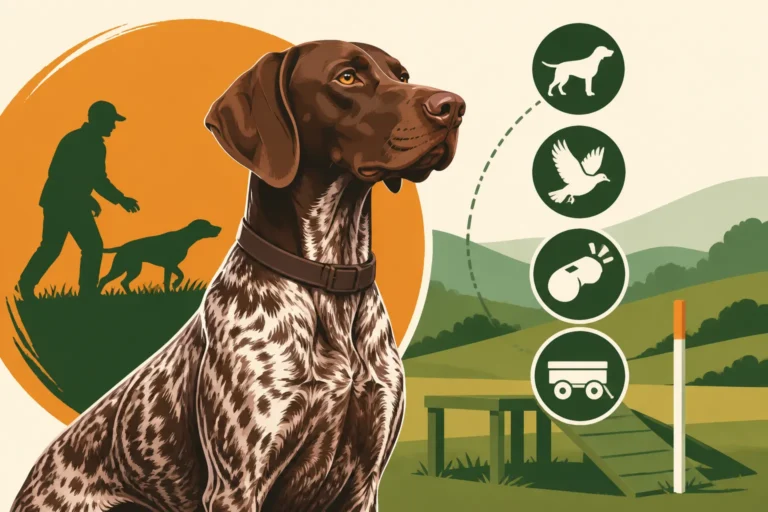
At its heart, force fetch is about teaching a dog to pick up, hold, and deliver an object to hand on command, regardless of distractions or their personal inclination. It's often taught in stages, starting with very controlled environments and gradually increasing the complexity. The "force" aspect isn't about physical pain, but about applying gentle, consistent pressure until the dog performs the desired action, and then immediately releasing that pressure. This method teaches the dog that releasing the pressure is entirely within their control, by complying with the command.
For instance, a common starting point might involve light ear pressure or pressure on the paw while commanding "fetch" or "hold." The moment the dog takes the item in its mouth, the pressure is released, and they receive praise. This isn't about breaking their spirit; it's about creating a clear, undeniable association between a command and an action. It's a method that builds a rock-solid foundation, ensuring that when you say "fetch," your dog understands it as a non-negotiable instruction, not an invitation to play. This systematic approach is detailed in guides like Force Fetch Explained for a Shorthair Owner, which can provide deeper insight into the process.
Why It's Crucial for a Hunting Shorthair
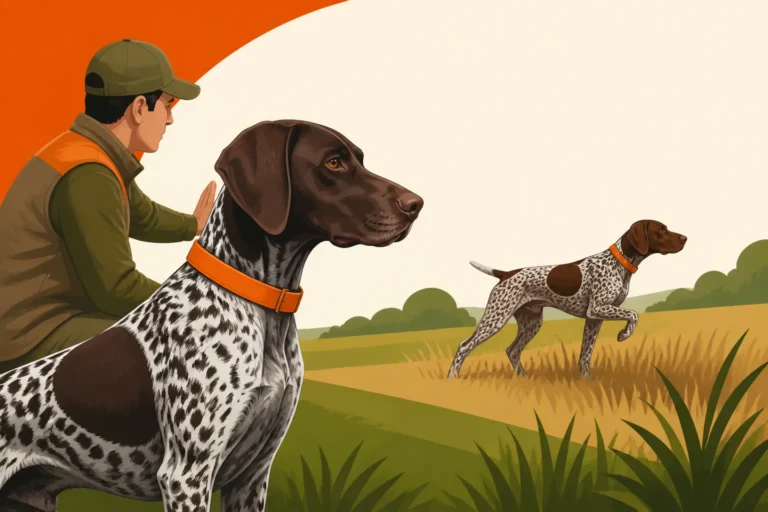
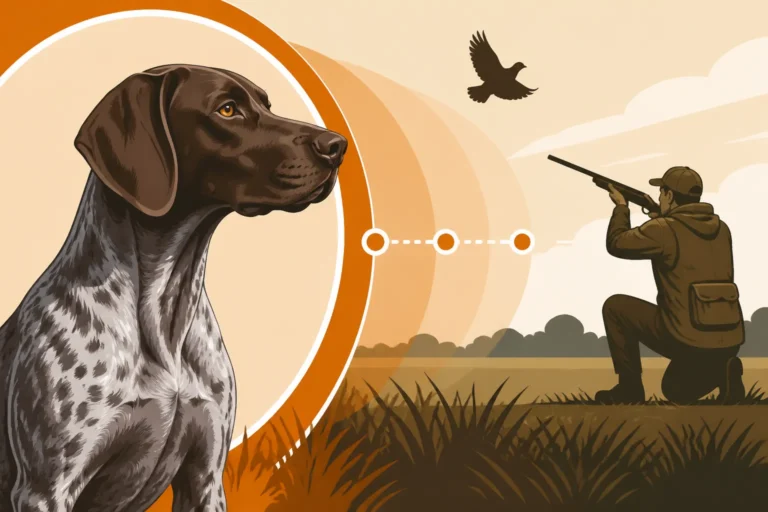
For a German Shorthaired Pointer destined for the field, force fetch is almost universally considered essential. It's not just about retrieving; it's about the entire workflow of a hunt. A hunting GSP needs to reliably pick up a downed bird, whether it's a quail, pheasant, or duck, and bring it directly back to the hunter. They need to hold it gently but firmly, resisting the urge to chew or drop it, and deliver it to hand. This is critical for bird preservation and preventing lost game.
Think about cold, icy water retrieves, or pushing through thick briars with a heavy pheasant in their mouth. Without force fetch, many dogs would refuse these retrieves or drop the bird prematurely. It's about ensuring your dog performs their job under any conditions, consistently and reliably. It provides the confidence for a hunter to know that when their dog is sent for a bird, that bird will be retrieved safely. Moreover, a dog that understands force fetch often has a stronger overall understanding of compliance, which translates into better performance in all aspects of field work, from honoring another dog's point to staying steady to wing and shot. The precision involved is why trainers also focus on details like Force Fetch Timing for a German Shorthaired Pointer.
The "Pet" Shorthair's Needs: Is a Reliable Retrieve Still Important?
So, if force fetch is so vital for hunting, what does that mean for your family GSP who spends more time chasing frisbees than pheasants? The answer isn't as simple as a hard "yes" or "no." While the specialized, formal force fetch training might not be necessary in the same way, the underlying principles of a reliable retrieve can still be incredibly beneficial for a pet German Shorthaired Pointer.
Everyday Retrieves vs. Formal Delivery
Most pet GSPs happily engage in everyday retrieves. They'll bring you toys, sticks, and even your dropped sock with great enthusiasm. This is their natural instinct shining through, and it's a wonderful way to interact with them and provide some much-needed exercise. These retrieves are typically spontaneous, fun, and low-pressure. They build a bond and satisfy the GSP's drive to carry things in their mouth, a trait that goes back to their versatile hunting heritage.
However, formal delivery to hand, where the dog takes an object, holds it until released, and places it neatly into your hand, is a different beast entirely. It's less about the joyful game and more about a precise, learned behavior. For most pet owners, the casual retrieve is perfectly adequate. They don't need their dog to delicately carry a dead bird or retrieve a specific item from a water hazard. Their dog's "job" is to be a loving companion and a well-behaved family member.
When a Pet Shorthair Might Benefit from a Stronger Retrieve
Even for a pet shorthair, there are certainly situations where a more reliable, formal retrieve could be advantageous, or even a safety net. Consider this scenario: your GSP picks up something dangerous on a walk – say, a dropped chicken bone or a piece of trash that could cause them harm. If their retrieve is merely a suggestion, you might end up in a frantic chase or a wrestling match to get the item away from them. A dog that understands a firm "give" or "drop" command, reinforced through consistent training (even if not full-blown force fetch), is a safer dog.
Beyond safety, there's the convenience factor. Imagine you're playing fetch at the park, and your dog consistently drops the ball just out of reach, forcing you to bend over repeatedly. A more formal retrieve means less frustration for you and a clearer expectation for your dog. It can also be excellent mental exercise, as learning a precise sequence of commands can be just as tiring as a long run for an intelligent breed like the GSP. If you're pondering whether your GSP would benefit, you might want to consider Whether Force Fetch Is Necessary for a Pet Shorthair with your dog's specific behaviors in mind.
Alternatives to Formal Force Fetch for Pets
For pet owners who aren't looking to compete in field trials but still want a solid retrieve, there are plenty of effective, positive reinforcement-based alternatives to formal force fetch. These methods focus on building drive, making the retrieve a highly rewarding experience, and teaching clear "take it" and "give it" (or "drop") commands.
You can start by rewarding every step of the retrieve process: the chase, the pickup, the approach, and the release. Use high-value treats and enthusiastic praise. Practice in low-distraction environments first, gradually adding challenges. Games like "fetch and trade" (where you trade a treat for the retrieved item) are excellent for teaching a reliable drop. Many online training platforms, such as BAXTER & Bella, offer structured programs that focus on building these skills through positive methods, making them accessible to pet owners. You can also find a wide range of training dummies and retrieve aids on sites like Amazon to make practice fun and engaging. The goal is to make the act of bringing the item all the way back and releasing it into your hand the most rewarding part of the game for your GSP.
The Time and Commitment Force Fetch Demands
Deciding to embark on force fetch training for any dog, especially a GSP, is not a decision to be taken lightly. It's a significant investment of time, patience, and often, resources. It's important to have a realistic understanding of what this training truly involves before you start.
It's Not a Weekend Project
Unlike teaching "sit" or "stay," which can often be accomplished in short, daily sessions over a few weeks, force fetch is a multi-stage process that can take months, even with consistent effort. It requires daily, short, focused sessions that build upon each other systematically. You can't rush it. Each step must be fully understood and reliably performed by the dog before moving on. This slow, steady progression ensures that the dog truly understands the mechanics and the expectations, rather than just performing by rote or becoming resentful.
Think of it like teaching a child to play a musical instrument; you don't expect them to play a concerto after a few lessons. They need to master scales, then simple pieces, building technique and understanding over time. Similarly, a GSP undergoing force fetch needs the time to internalize each stage of the command, often involving holding different objects, retrieving from various surfaces, and practicing in increasingly distracting environments. This kind of dedication often requires a dedicated schedule, as discussed in The Structure a German Shorthaired Pointer Needs Daily.
The Risks of Poor Execution
This is perhaps the most critical point for pet owners to consider. Force fetch, if done incorrectly or inconsistently, can do more harm than good. A heavy-handed approach, using too much pressure, or lacking in timing and consistency can easily damage a GSP's natural retrieve drive, create an aversion to retrieving, or even harm the dog's confidence and trust in its handler. GSPs are intelligent and sensitive dogs; they learn quickly, but they can also shut down or become defensive if they feel unfairly pressured or confused.
If you're not absolutely confident in your ability to apply the pressure and release correctly, read your dog's subtle cues, and maintain unwavering consistency, it's best to rethink undertaking formal force fetch on your own. There's a fine line between effective pressure and creating negative associations, and crossing that line can lead to a dog that refuses to retrieve at all, or worse, one that becomes anxious or withdrawn during training. You definitely don't want to create a situation where your dog starts to mouth birds hard or drops them prematurely due to stress, problems that formal training aims to avoid, as explored in A German Shorthaired Pointer That Mouths Birds Hard or A Shorthair That Drops the Bird Short.
Professional Guidance and Resources
Given the complexity and potential pitfalls, many owners, even experienced ones, opt for professional guidance when undertaking force fetch. Working with a qualified bird dog trainer who specializes in GSPs and understands their temperament is invaluable. They can guide you through the process, ensure your technique is correct, and troubleshoot any issues that arise. They can also read your dog's body language in a way that an amateur might miss, preventing problems before they escalate.
If a local trainer isn't feasible, there are excellent online resources. Programs from reputable trainers or dog training academies can provide step-by-step videos and support. BAXTER & Bella, for example, offers comprehensive online training resources that can guide owners through various obedience and advanced skills, often with a focus on positive methods. Additionally, there are numerous books and DVDs available on Amazon that specifically address force fetch techniques from respected trainers. These resources can supplement hands-on learning or provide a solid theoretical foundation if you choose to attempt some of the preparatory work yourself.
Making the Decision: What's Right for Your German Shorthaired Pointer?
Ultimately, the decision of whether force fetch is necessary for your pet German Shorthaired Pointer comes down to a careful evaluation of your specific circumstances, your dog's personality, and your long-term goals. It's about finding the balance between tapping into their incredible natural abilities and meeting the practical needs of your household.
Assessing Your Lifestyle and Goals
Before diving into intensive training, take a good, honest look at your lifestyle. Do you spend your weekends in the field, or are you primarily enjoying walks in the park, hikes on trails, and playtime in the backyard? What do you need your GSP to retrieve, and under what conditions? If your dog's retrieving needs are limited to bringing back a ball in a low-stakes environment, then the full commitment of force fetch might be overkill.
However, if you envision occasionally hunting with your dog, even casually, or if you frequently encounter situations where a rock-solid retrieve could prevent a problem (like retrieving a dropped leash on a busy street), then investing in some form of advanced retrieve training, or even formal force fetch, might be a worthwhile consideration. Think about the joy of having a dog that brings you whatever you ask, reliably, every single time. It's a powerful tool for communication and control. Also, consider the broader question of Whether a German Shorthaired Pointer Needs to Hunt to Be Happy. While they are bred to hunt, many find immense satisfaction in other activities.
Prioritizing Basic Obedience First
Regardless of whether you pursue force fetch, remember that foundational obedience is paramount for any German Shorthaired Pointer. Commands like "sit," "stay," "come," and polite leash manners are crucial for their safety, your sanity, and their ability to integrate happily into your home and community. A GSP with a flawless retrieve but no recall is still a liability.
Focus on mastering these core commands first. Enroll in Group Obedience Before a Shorthair Starts Birds, even if birds aren't your primary goal. A well-socialized, well-mannered GSP is a joy to live with, and these basics provide the framework for any more advanced training you might consider. If you can't get your dog to consistently come when called in a distracting environment, adding the complexity of force fetch will only compound issues. A strong bond built on trust and clear communication through basic obedience is the springboard for everything else. Remember, an under-exercised GSP can cause significant issues, so make sure they're getting enough Off Leash Time a German Shorthaired Pointer Needs Weekly and What an Under Exercised Shorthair Does to a House.
Enjoying the GSP's Natural Drive
Ultimately, the German Shorthaired Pointer is a breed renowned for its intelligence, athleticism, and boundless enthusiasm. Whether or not you choose force fetch, there are countless ways to channel their natural drives and keep them happy and engaged. Their incredible noses make them naturals for scent work and Puzzle Feeders and Scent Games for a Shorthair. Their love of running means they make excellent hiking or jogging partners. Many GSPs also love water, so activities like Water Retrieves With a German Shorthaired Pointer can be a fantastic outlet.
Don't feel pressured to pursue a specific training regimen just because it's traditional for the breed. Tailor your training and activities to your dog's individual personality and your family's lifestyle. A happy, well-adjusted pet GSP is one whose needs for exercise, mental stimulation, and companionship are met, regardless of whether they perform a formal force fetch. The most important thing is to enjoy the journey with your remarkable canine companion.
| Aspect of Retrieve Training | Hunting German Shorthaired Pointer | Pet German Shorthaired Pointer |
|---|---|---|
| Necessity of Force Fetch | Highly recommended/essential | Generally not essential |
| Goal of Retrieve | Consistent, precise delivery to hand of game, regardless of conditions | Enjoyable fetching of toys/items, sometimes formal "drop" command |
| Training Method | Often formal force fetch, systematic pressure/release | Positive reinforcement, treat/toy motivation, games |
| Reliability Required | Absolute, non-negotiable delivery | Good, but often conditional; occasional "keep away" tolerated |
| Risks of No Training | Lost game, refusal of difficult retrieves, injury to bird | Inconvenience, difficulty retrieving dangerous items, less control |
| Time Commitment | Significant, weeks to months of daily focused work | Moderate, ongoing practice for general obedience |
| Resources Often Used | Professional trainers, specialized field equipment | Group classes, online resources like BAXTER & Bella, general pet supplies from Amazon |
Disclaimer
This article is for general informational purposes only and does not constitute professional advice. Laws, prices and regulations vary by location and change over time. Consult a qualified professional for guidance on your specific situation.