Feeding a German Shorthaired Pointer Around a Hunt
One of the biggest worries for any German Shorthaired Pointer owner, especially those of us who cherish their drive to hunt, is making sure our dogs are fueled properly for the incredible work they do. It’s not just about tossing kibble in a bowl; it's about strategic nutrition that supports their athleticism, prevents common ailments, and ensures they have the stamina to go all day. This guide is going to meticulously break down how to feed your GSP around a hunt, covering everything from pre-hunt prep to crucial recovery, so your bird dog can perform at their best and stay healthy for many seasons to come.
Understanding the Energy Demands of a Hunting GSP
Let's be real, a German Shorthaired Pointer isn't just a dog; they're a finely tuned athletic machine. Their bodies are built for explosive bursts of speed, sustained endurance across vast fields, and the mental fortitude to stay focused on scent. When you ask your GSP to hunt, you're asking them to run miles, point staunchly, crash through cover, and retrieve birds, often in challenging conditions. This isn't a walk in the park; it's a marathon with sprints mixed in, and their diet needs to reflect that extraordinary energy output.
The Metabolic Machine: Why GSPs Need Specific Fuel
Think about a human marathon runner or a professional athlete. They don't just eat whatever; they have carefully planned diets designed to optimize their performance and recovery. Your GSP is no different. They have a high metabolism that burns through calories at an alarming rate when they're working. This isn't just about moving muscles; it's about maintaining body temperature, supporting organ function, and powering their sharp minds to process scents and commands.
Their bodies primarily use two main energy sources during exercise: carbohydrates (stored as glycogen in muscles and liver) for quick bursts and fat for sustained energy. A GSP on the hunt will be tapping into both. If their reserves aren't adequately topped up, or if their diet isn't providing the right balance of macronutrients, you'll see a noticeable drop in performance. They might tire quickly, lose focus, or even risk injury due to fatigue. It’s a harsh reality that an under-fueled dog can’t perform its best, and it's our responsibility as their partners to provide them with the best possible nutritional support.
Seasonal vs. Off-Season Needs: Adjusting the Dial
It stands to reason that a dog tearing through cornfields for eight hours a day in October has different nutritional needs than the same dog enjoying leisurely walks in June. This is where many owners, especially new ones, can get tripped up. Feeding the same amount of food year-round, regardless of activity level, is a common mistake that can lead to problems.
During the hunting season, your GSP's caloric needs can easily double, or even triple, depending on the intensity and duration of their work. They need more protein to repair muscle tissue broken down during exercise, and significantly more fat for sustained energy. Fat is a dense source of calories, providing more than twice the energy per gram compared to protein or carbohydrates. If you don't increase their food during the season, you'll see them start to lose weight, their ribs might become more prominent, and their overall condition will decline. This isn't just cosmetic; it impacts their health and ability to withstand the rigors of the field.
Conversely, once the season winds down and their activity decreases, maintaining a high-calorie, high-fat diet will quickly lead to weight gain. An overweight GSP, even by a few pounds, is at increased risk for joint problems, heart issues, and decreased stamina. It's a delicate balance, and you'll need to be observant of your dog's body condition and adjust their diet accordingly. Think of it like a sports car: it needs premium fuel when it's racing, but a more standard blend when it's just cruising around town.
Pre-Hunt Fueling: Preparing for Peak Performance
The hours leading up to a hunt are just as critical for your GSP's nutrition as the hunt itself. What and when you feed your dog can directly impact their stamina, mental sharpness, and even their susceptibility to serious health issues like bloat. This isn't the time for experimentation or last-minute changes; consistency and thoughtful planning are key.
The Last Meal Before the Field: Timing and Composition
One of the most important rules for feeding a hunting German Shorthaired Pointer is timing. You absolutely do not want to feed your dog a large meal right before they're expected to run hard. The consensus among seasoned bird dog owners and veterinarians is to feed the last substantial meal at least 4-6 hours before strenuous activity. This gives their digestive system ample time to process the food, absorb nutrients, and move it out of the stomach. Feeding too close to a run significantly increases the risk of gastric dilatation-volvulus (GDV), commonly known as bloat, a life-threatening condition where the stomach twists. We often talk about The Bloat Risk a Shorthair Carries Into Every Season, and feeding practices are a huge part of managing that risk.
When it comes to composition, focus on a meal that is easily digestible but still provides sustained energy. A high-quality performance kibble, which your dog is already accustomed to, is usually the best choice. Look for foods with moderate protein and fat levels, and a good source of complex carbohydrates. Avoid overly rich or fatty foods, or anything new that could potentially upset their stomach. This isn't the morning to introduce a new treat or a different brand of food. Stick to what you know works well for your specific dog. Some owners might offer a slightly smaller portion than usual if the hunt is going to be exceptionally long or if their dog is prone to an upset stomach. It's all about ensuring their gut is settled and ready for action. You might also want to review Whether a Shorthair Should Be Fed Once or Twice in a day, and how that impacts pre-hunt strategy.
Hydration: More Than Just Water
Just like us, proper hydration for your GSP starts well before they ever set paw in the field. Dehydration can creep up quickly and severely hamper their performance, leading to fatigue, muscle cramps, and increasing the risk of heat exhaustion, especially during early season hunts or in warmer climates. Don't wait until they're panting heavily in the field to start thinking about water.
Ensure your dog has access to fresh, clean water right up until you leave for the hunt. Encourage them to drink small amounts periodically. Some dogs aren't big drinkers, and you might need to get creative. A little trick many of us use is adding a splash of broth (low sodium, unsalted) to their water, or offering "soupy" kibble by adding extra water to their meal. This makes it more appealing and ensures they take in extra fluids.
For particularly hot days or dogs that exert themselves heavily, consider incorporating an electrolyte supplement into their water the night before and the morning of the hunt. These supplements help replenish vital minerals lost through sweating and heavy exertion. Products available on platforms like Chewy or Amazon often come in powdered form that you can easily mix into their water. This proactive approach to hydration is crucial, because once your dog shows overt signs of dehydration in the field, they are already in trouble. It’s about prevention, not just response. For more details on this, you can check out Electrolytes for a German Shorthaired Pointer in the Field.
Mid-Hunt Sustenance: Keeping Them Going Strong
A long day in the field, especially during peak season, demands more than just a good breakfast. German Shorthaired Pointers burn an incredible amount of energy, and just like human athletes, they benefit from strategic refueling during breaks. Neglecting mid-hunt sustenance can lead to a noticeable drop in performance and puts your dog at risk for bonking – hitting a wall of exhaustion.
Quick Energy Boosts: Snacks in the Field
When you're taking a break for lunch or resting for a bit, it's the perfect opportunity to offer your GSP a small, high-energy snack. The key here is "small" and "easily digestible." You don't want to give them anything that will sit heavy in their stomach or cause a digestive upset. The goal is a quick infusion of calories to keep their blood sugar stable and replenish some of their rapidly depleting energy stores.
Good options include small pieces of cooked chicken, a handful of their regular performance kibble, or specialized high-energy dog treats designed for active dogs. Some owners even carry small, soft treats that can be easily eaten. Avoid giving them human food that might be too fatty, salty, or spiced. I've seen folks give their dogs half a sandwich or a hot dog, and while it might seem like a kind gesture, it can lead to an upset stomach and potentially even more serious issues. Remember, your GSP's digestive system is different from yours. The timing is also important: offer the snack when your dog is resting and has settled down, not when they're still hyped up from the last retrieve. This also minimizes the risk of issues like The Unproductive Retching That Means a Shorthair Is Bloating.
Water Breaks: Preventing Dehydration and Overheating
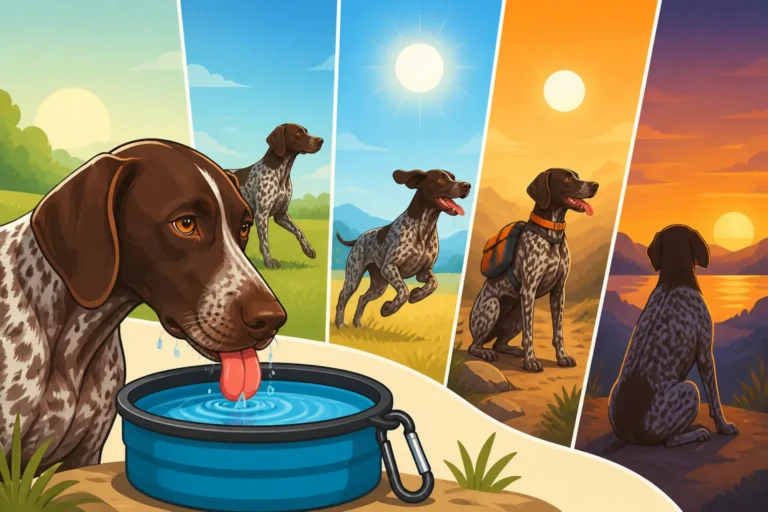
Consistent water breaks are non-negotiable for a hunting GSP. Even on cooler days, their constant movement and exertion can lead to rapid dehydration and overheating. You should be offering water every hour to two hours, or more frequently if it's hot or your dog is working particularly hard.
Always carry plenty of fresh, cool water with you in the field. Collapsible bowls are a lifesaver and don't take up much space in a vest or pack. Encourage your dog to drink, but don't force large quantities down them at once, as this can be uncomfortable and might even contribute to bloat. Small, frequent sips are best. If you notice your dog is panting excessively, their gums are tacky, or they seem sluggish, these are all signs of dehydration and potential overheating. Get them into the shade immediately, offer water, and take a long break. Sometimes, it's not just about a dog being tired; it's about their body struggling to regulate itself. Being aware of Heat Exhaustion in an Early Season Shorthair is critical, and prompt action can save a life. On warm days, even pouring some cool water over their head and chest can help them cool down.
Post-Hunt Recovery: Replenishing and Repairing
The hunt isn't over when the last bird is picked up; it continues into the crucial recovery period. Just as feeding before and during the hunt is vital, what and when you feed your GSP after they've put in a hard day's work is paramount for their muscle repair, energy replenishment, and overall long-term health. Skipping this phase is like running a marathon and then neglecting to eat or rest – it's a recipe for burnout and injury.
The Immediate Aftermath: Rehydration and Rest
As soon as the hunt concludes, your primary focus should be on rehydration. Your GSP has likely lost a significant amount of fluid through panting and exertion. Offer plenty of fresh, cool water immediately. Again, small, frequent drinks are better than allowing them to gulp down a huge volume all at once. If it was an especially grueling day or a warm one, continue offering water with electrolytes to help restore their mineral balance.
Once rehydrated, allow your dog to cool down and rest for a bit before offering any solid food. Their body needs to shift from "fight or flight" mode to "rest and digest." A good rule of thumb is at least an hour, sometimes two, depending on how hard they worked. Take them somewhere quiet and comfortable, away from the hustle and bustle of unpacking gear or talking with hunting buddies. Let them settle down, take a quick nap, and allow their core temperature to return to normal. Some owners find a cooling mat beneficial during this time, especially if the weather was warm.
After they've had a chance to rest and rehydrate, a very small, easily digestible snack might be appropriate to tide them over until their full recovery meal. This could be a tiny bit of cooked chicken or a few pieces of their regular kibble. The goal isn't to fill them up, but to gently introduce some nutrients.
The Recovery Meal: What and When
The full recovery meal should typically be offered about 1-2 hours after the hunt, once your GSP is fully settled, rehydrated, and has had a good rest. The composition of this meal is critical. During intense exercise, your dog's muscle glycogen stores are depleted, and their muscles experience microscopic tears. The recovery meal needs to address both of these issues.
Look for a high-quality food that offers an excellent source of protein to aid in muscle repair and regeneration. Complex carbohydrates are essential for replenishing those glycogen stores, giving them the energy they need for the next day. While some fat is good for overall energy, the emphasis post-hunt should lean slightly more towards protein and carbs. Many performance dog foods are formulated with these ratios in mind.
You might find your GSP is ravenous after a hunt, but avoid overfeeding or letting them gorge. Stick to their regular portion size, or perhaps a slightly increased amount if they truly worked exceptionally hard and are known to bounce back quickly. Consistency with their regular, high-quality performance diet is generally best. Switching to a completely different food post-hunt could lead to digestive upset, which is the last thing you want. Feeding a German Shorthaired Pointer After a Hunt Instead of Before is a strategy that many experienced owners swear by to optimize recovery and minimize risks like bloat. Brands like Ollie, known for fresh, human-grade ingredients, can be excellent for providing highly digestible, nutrient-dense recovery meals, though always introduce new foods gradually.
Special Considerations and Common Pitfalls
Even with the best intentions, there are several nuances and potential traps in feeding a hunting German Shorthaired Pointer that every owner should be aware of. These often involve health risks or specific environmental factors that require adjustments to your nutritional strategy. Understanding these can prevent emergencies and keep your GSP in top form.
The Risk of Bloat: Prevention Through Feeding Practices
We've touched on bloat, or gastric dilatation-volvulus (GDV), but it bears repeating: this is an absolute emergency for deep-chested breeds like the German Shorthaired Pointer. The risk is significantly higher when large meals are fed close to strenuous exercise. Prevention is truly the only cure, as even with immediate veterinary intervention, the prognosis can be guarded. The Bloat Risk a Shorthair Carries Into Every Season is something every owner must take seriously.
Beyond the timing of meals around activity, other feeding practices can help mitigate risk. Avoid feeding one massive meal a day; instead, split their daily ration into two or even three smaller meals. This reduces the volume of food in the stomach at any one time. Some owners use elevated feeding bowls, though research on their effectiveness in preventing bloat is mixed. What is clear, however, is that rapid eating and post-meal exercise are major risk factors. If your dog is a "gulper," consider using a slow feeder bowl to make them eat more deliberately. Keep your GSP calm and rested for at least an hour, ideally two, after any meal before allowing them to run, jump, or play intensely. Recognizing Emergency Care for a Bloating German Shorthaired Pointer can mean the difference between life and death.
Temperature Extremes: Adjusting Nutrition for Weather
Hunting rarely happens in perfectly temperate weather. You'll find yourself in scorching early season fields or trudging through snow in late winter. Both extremes demand dietary adjustments.
In very cold weather, your GSP will burn more calories just to maintain their body temperature, in addition to the calories burned during exercise. Their caloric needs can jump significantly. This is when increasing the fat content in their diet can be particularly beneficial, as fat is a very efficient fuel source. You might need to slightly increase their meal portions or opt for a higher-fat performance kibble. Conversely, in hot weather, while their overall caloric burn from exercise might still be high, you need to prioritize hydration above all else. Cold and Heat on a Shorthair With Almost No Coat means they are more susceptible to environmental factors. While you still need to provide adequate calories, ensure they're drinking plenty of water and aren't overexerting themselves to the point of overheating. Sometimes, an extra meal isn't needed as much as extra water or cooling strategies.
Sensitive Stomachs and Dietary Changes
German Shorthaired Pointers, like any breed, can have sensitive digestive systems. Introducing new foods, treats, or supplements abruptly can lead to diarrhea, vomiting, or a general upset stomach, which is the last thing you want when you're relying on your dog to perform.
If you decide to switch your GSP to a new performance kibble, or even add a new supplement, always do it gradually over 7-10 days. Start by mixing a small amount of the new food with their old food, slowly increasing the proportion of the new food each day. This gives their digestive system time to adjust. Pay close attention to how they react to different ingredients. Some dogs might be sensitive to certain protein sources (chicken, beef, etc.) or grains. If your dog consistently has Loose Stools in a German Shorthaired Pointer or other digestive issues, it's worth consulting with your veterinarian to rule out underlying conditions and discuss dietary changes. Knowing Foods That Upset a German Shorthaired Pointer is key to preventing issues in the field. This also applies to treats; stick to high-quality, known-good options during the hunting season.
Choosing the Right Performance Diet
With countless dog food brands lining the shelves, choosing the "right" diet for a hunting German Shorthaired Pointer can feel overwhelming. It's not just about a catchy label; it's about understanding ingredients, macronutrient ratios, and how different types of food contribute to your dog's athletic performance and overall health.
High-Quality Kibble: What to Look For
For many hunting dog owners, high-quality kibble remains the backbone of their GSP's diet. It's convenient, cost-effective, and when chosen carefully, provides complete and balanced nutrition. When looking for a performance kibble, here's what to prioritize:
- Protein Source: The first ingredient should always be a named meat source (e.g., "chicken meal," "lamb," "beef"). Avoid generic terms like "meat meal" or excessive plant-based proteins. Active dogs need higher protein levels (typically 25-30% or more) to support muscle maintenance and repair.
- Fat Content: Fat is the primary fuel for endurance, so a good performance kibble will have a higher fat content (18-25% or more) compared to standard adult dog food. Look for healthy fats like chicken fat, salmon oil, or flaxseed. This helps provide Protein and Fat Ratios for a Hunting German Shorthaired Pointer that are optimal for their energy needs.
- Carbohydrates: While often maligned, complex carbohydrates provide essential glycogen replenishment. Look for ingredients like sweet potatoes, peas, barley, or brown rice. Avoid excessive fillers like corn or wheat if your dog has sensitivities.
- Digestibility: A highly digestible food means your dog can absorb more nutrients, leading to less waste and better energy utilization.
- Reputable Brands: Stick with brands that invest in research and quality control. You can find excellent performance kibbles on sites like Chewy or Amazon, often with detailed ingredient lists and customer reviews to help guide your choice. Always remember that "performance" means different things to different brands, so read those labels carefully.
Fresh or Raw Diets for the Working GSP
The popularity of fresh food and raw diets has surged, and some GSP owners swear by them for their working dogs. The arguments often center around improved digestibility, higher nutrient absorption, and better energy levels.
- Fresh Food (Cooked): Services like Ollie deliver freshly prepared, human-grade meals that are cooked. These diets can be highly palatable and digestible, and because they are often less processed, some owners report better coat quality, fewer digestive issues, and sustained energy. The key is ensuring these diets are nutritionally complete and balanced for an active dog. If considering a fresh food diet, discuss it with your veterinarian or a veterinary nutritionist to ensure it meets your GSP's specific needs, especially during peak hunting season when caloric demands are so high.
- Raw Diets: Raw feeding involves feeding uncooked meat, bones, and organs. Proponents argue it's closer to what a dog's wild ancestors would eat. While some owners see benefits, raw feeding comes with significant considerations:
- Nutritional Balance: It's incredibly challenging to formulate a nutritionally complete and balanced raw diet on your own. Deficiencies or excesses can have serious health consequences.
- Safety: Raw meat can harbor bacteria like Salmonella or E. coli, posing risks to both your dog and your family. Proper handling and sanitation are paramount.
- Cost and Convenience: Raw diets can be more expensive and require more preparation and storage space than kibble.
If you're considering raw or fresh feeding for your working GSP, consult with a vet experienced in canine nutrition. They can help you determine if it's the right choice and guide you toward a safely and nutritionally appropriate plan. For more in-depth information, check out Whether a Raw Diet Suits a Hard Running Shorthair.
Supplements: When Are They Necessary?
The world of dog supplements is vast, and it's easy to get caught up in the idea that more is better. However, a well-balanced, high-quality performance diet should provide most of what your hunting GSP needs. Supplements are meant to supplement a diet, not replace deficiencies in a poor one.
- Joint Supplements: Given the impact hunting has on joints, many owners consider joint supplements containing glucosamine, chondroitin, and MSM, especially as their GSP ages or if they have a predisposition to joint issues like hip dysplasia. These can help support cartilage health. You can find many options from brands on platforms like Amazon. For specifics, see Joint Supplements Worth Giving a Working Shorthair.
- Omega Fatty Acids: Fish oil, rich in Omega-3 fatty acids (EPA and DHA), can support skin and coat health, reduce inflammation, and may aid joint health.
- Probiotics: If your GSP experiences digestive upset during times of stress or dietary changes, a probiotic might help support gut health.
- Vitamins/Minerals: Generally, if you're feeding a complete and balanced performance kibble, additional vitamins and minerals are not necessary and can even be harmful in excess.
Before adding any supplement to your GSP's diet, always consult with your veterinarian. They can help you determine if a supplement is genuinely needed, which type would be most beneficial, and the correct dosage. Self-diagnosing and self-prescribing can sometimes do more harm than good.
Comparing Feeding Strategies for Hunting GSPs
To help summarize the various feeding strategies we've discussed, here's a table comparing pre-hunt, mid-hunt, and post-hunt approaches. This can serve as a quick reference to ensure your GSP is optimally fueled throughout the entire hunting process.
| Factor | Pre-Hunt Feeding (4-6 hours before) | Mid-Hunt Feeding (During breaks) | Post-Hunt Feeding (1-2 hours after) |
|---|---|---|---|
| Primary Goal | Build energy reserves, prevent bloat | Maintain energy, prevent bonking, rehydrate | Replenish glycogen, repair muscles, rehydrate |
| Timing | 4-6 hours before strenuous activity | During 15-30 minute rest breaks | 1-2 hours after hunt, once settled and cooled |
| Food Type | Regular performance kibble, easily digestible | Small, high-energy, easily digestible snacks (e.g., kibble, treats) | High-quality performance kibble or fresh food, protein/carb rich |
| Portion Size | Normal daily portion, or slightly smaller if sensitive | Very small handfuls/pieces | Normal to slightly increased portion, based on exertion |
| Hydration Focus | Proactive hydration, electrolytes if needed | Frequent, small sips of cool water | Immediate and ample rehydration, electrolytes if needed |
| Key Considerations | Avoid new foods, don't feed too close to activity, prevent bloat | Avoid large meals, no forcing water, monitor for heat exhaustion | Allow cool-down, avoid gorging, ensure adequate protein & carbs |
Disclaimer
This article is for general informational purposes only and does not constitute professional advice. Laws, prices and regulations vary by location and change over time. Consult a qualified professional for guidance on your specific situation.