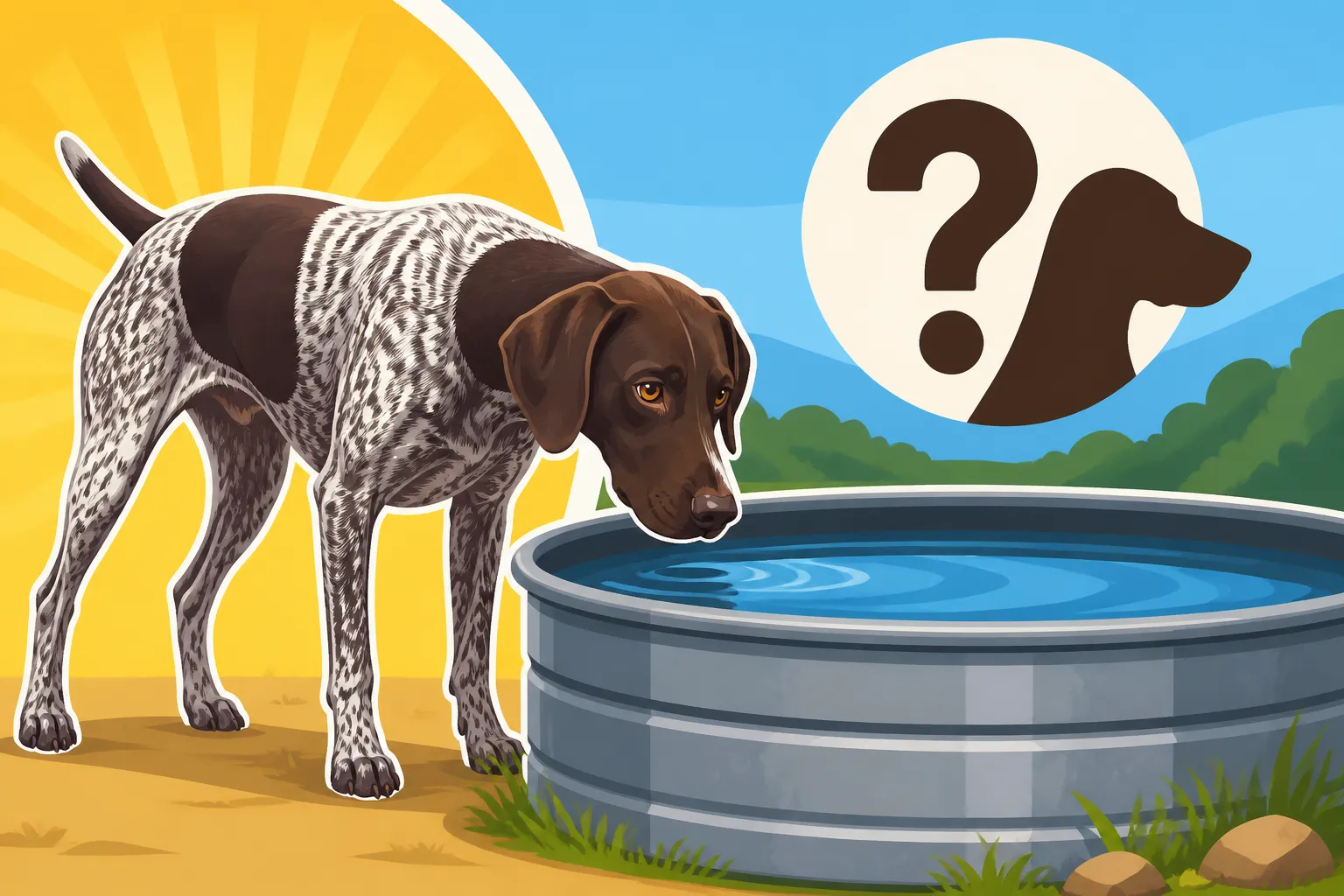
Whether a Shorthair Will Drink From a Stock Tank
Oh, the classic stock tank dilemma! If you've spent any time with a German Shorthaired Pointer, especially one who loves to be outdoors, you've probably encountered this exact scenario: your high-energy companion, panting after a good run, spots that big, inviting trough of water. It seems like an easy solution to a pressing thirst, but letting your GSP drink from a stock tank can hide some serious health risks. This guide will delve into why those murky waters are often a bad idea and what safe alternatives you should always have on hand for your adventurous dog.
The Lure of the Stock Tank: Why Your GSP Might Be Drawn In
It's completely understandable why a German Shorthaired Pointer, or any active dog for that matter, would be drawn to a stock tank. These dogs are built for activity, for covering ground, and for working hard. When they're out in the field, on a trail, or just exploring a friend's farm, their internal temperature can rise quickly, and their need for hydration becomes paramount. A large, seemingly abundant source of water like a stock tank can look like an oasis to a thirsty dog, especially when other options aren't readily available.
Instinct and Opportunity: Thirst Dictates Action
Think about it from your GSP's perspective. They've been running, sniffing, perhaps even pointing some imaginary pheasants in the tall grass. Their tongue is lolling, their breathing is heavy, and their body is crying out for moisture. That big metal or plastic trough, often full to the brim with water, presents an immediate and obvious solution. There's no cap to unscrew, no small bowl to wait for, just a wide-open invitation to slurp. Their natural instinct for self-preservation, coupled with their incredible drive, overrides any "don't drink that" thoughts they might theoretically have if they were human. They just see water, and they need it now. This is particularly true if you haven't been meticulously Watering a German Shorthaired Pointer Through a Long Day with their own fresh water.
A Natural Water Source (or So It Seems)
For many dogs, particularly those with a strong hunting heritage like our German Shorthaired Pointers, natural bodies of water are part of their world. Ponds, creeks, puddles – they're all potential drinking spots in the absence of a better alternative. A stock tank, while man-made, mimics a natural water source in its accessibility and volume. It doesn't look like a toilet or a swimming pool with harsh chemicals; it just looks like a big puddle. This perception of "natural" can make it seem harmless, both to the dog and sometimes to an unaware owner. However, appearances can be deceiving, and what seems like a simple drink can quickly become a complicated health issue.
The Hidden Dangers in That Water
While a stock tank might look like a harmless source of hydration, the reality is often far different. These tanks are typically outdoors, exposed to the elements, and frequently used by livestock. This combination creates a perfect breeding ground for a host of unwelcome guests and dangerous contaminants that can seriously compromise your German Shorthaired Pointer's health. You might be able to spot obvious debris, but many of the real dangers are invisible.
Bacterial and Parasitic Risks
The most immediate and common threats lurking in stock tanks are bacteria and parasites. Livestock—cattle, horses, sheep, goats—often drink from these same tanks, and they can introduce a wide array of pathogens through their waste or even just by wading in the water.
- Giardia: This common intestinal parasite causes giardiasis, leading to diarrhea, vomiting, and weight loss. It's incredibly hardy and can survive in cool, wet environments for extended periods.
- Leptospirosis: This is a bacterial disease that can affect dogs and humans, often spread through the urine of infected wildlife (like raccoons, possums, or rodents) that might also visit the stock tank. Lepto can lead to severe kidney and liver damage, and even be fatal. It's why The Vaccines a Hunting Shorthair Needs Beyond the Core often includes a Lepto shot, especially for dogs frequently exposed to natural water sources or livestock.
- E. coli and Salmonella: These bacteria are often present in fecal matter and can cause gastrointestinal distress ranging from mild upset to severe, life-threatening infections.
- Cryptosporidium: Another parasite that causes diarrhea and can be difficult to treat.
These aren't just minor tummy aches; some of these can require extensive veterinary care, and can even be zoonotic, meaning they can spread to humans.
Chemical Contaminants
Beyond the microscopic nasties, stock tanks can harbor chemical contaminants. If the tank is in or near agricultural land, there's a risk of runoff containing fertilizers, pesticides, and herbicides. Even if the land isn't actively farmed, industrial or residential runoff could be a factor. Livestock itself can introduce issues; if animals are being treated with medications or dewormers, these substances can leach into the water they drink. Your GSP, with their excellent nose, might not register these as "bad" smells, and will drink anyway. These chemicals can lead to a range of health problems, from acute poisoning to chronic organ damage.
Algae and Plant Toxins
This is a particularly insidious danger. During warmer months, especially in stagnant or slow-moving water, certain types of algae can flourish. Blue-green algae, or cyanobacteria, is particularly dangerous. It's not actually an algae, but a type of bacteria that can produce potent toxins harmful to dogs, wildlife, and humans. These toxins can cause severe neurological problems, liver failure, and even death very quickly after ingestion. Often, blue-green algae looks like pea soup, spilled paint, or green slime on the surface of the water, but it can also be less obvious. If your Shorthair likes to swim and retrieve, this is a particular concern, as discussed in Blue Green Algae and a Swimming Shorthair. Other toxic plants could also fall into the tank or grow around its edges, posing another ingestion risk.
Physical Hazards
Finally, don't overlook the physical dangers. The edges of stock tanks can be sharp, rusted, or otherwise hazardous, potentially leading to Cut Pads on a German Shorthaired Pointer After a Long Day or other injuries if your dog tries to jump in or scramble out. The water depth can be a drowning risk for smaller or exhausted dogs, particularly if the sides are steep and slick with algae. Even if the water isn't deep, a dog could slip and fall, injuring themselves. Depending on the size and shape of the tank, and its location, other debris like Foxtails and Grass Awns in a Hunting Shorthair could also be present, creating additional problems.
Safe Hydration Alternatives When You're Out and About
Knowing the risks of stock tanks, it becomes critically important to have safe and reliable hydration solutions for your German Shorthaired Pointer. Whether you're hunting, hiking, or just spending a day away from home, planning for your dog's water needs is just as important as planning your own.
Portable Water Solutions
The easiest and most effective way to prevent your GSP from drinking questionable water is to always carry a dedicated water supply for them. This means fresh, clean water from home.
- Collapsible Bowls: These are fantastic. Made from silicone or fabric, they fold down flat or compact, making them easy to tuck into a pocket, backpack, or hunting vest. You can find excellent options on
AmazonorChewythat are durable and easy to clean. They're lightweight and ensure your dog has a clean dish every time. - Dog Water Bottles with Integrated Bowls: These clever designs combine a water bottle with a flip-out or attached drinking cup, making it super convenient to dispense water without waste. They come in various sizes, perfect for long outings. Again, a quick search on
AmazonorChewywill show you a plethora of choices, from stainless steel to BPA-free plastic. - A Dedicated Water Jug: For longer trips or multiple dogs, a large water jug or insulated dispenser is a must. You can fill it with ice and water, and it will stay cool for hours. Just remember to bring your collapsible bowl!
It might seem like a small thing, but having these items makes a huge difference. You wouldn't drink from a questionable puddle, so why should your best hunting partner?
Training for "No Tank" Drinking
Beyond providing alternatives, you can actively train your GSP to avoid unauthorized water sources. This requires consistency and reinforcement, but it's well worth the effort.
- "Leave It" Command: This command is invaluable. Practice it regularly in various situations, starting with low-value items and gradually moving to more enticing distractions. If your dog approaches a stock tank, a firm "leave it" followed by an immediate offering of their own fresh water from your portable supply can teach them the preferred choice.
- Positive Reinforcement for Approved Water: Whenever your GSP drinks from their own bowl or bottle, praise them enthusiastically. Make it a positive experience. They should associate their own water with good things and your approval.
- Supervision and Leash Management: When in areas where stock tanks or other questionable water sources are present, keep your GSP on a leash or a long line. Their drive can be intense, especially when thirsty, and preventing access is often the simplest solution. While GSPs need lots of exercise, sometimes that means structured Off Leash Time a German Shorthaired Pointer Needs Weekly in safe, controlled environments, not just letting them run wild near potentially dangerous water.
- Early Socialization to Accept Your Water: From puppyhood, ensure your GSP is used to drinking from whatever portable gear you plan to use. This makes it a non-issue when they're older and out in the field.
Emergency Hydration and What to Do If They Drink
Despite your best efforts, sometimes a quick gulp from a stock tank might happen. Don't panic, but be prepared to act.
- Observe Closely: After any unauthorized drinking, monitor your GSP for signs of illness: vomiting, diarrhea, lethargy, loss of appetite, changes in urination, or any unusual behavior. Some issues, like blue-green algae poisoning, can manifest very rapidly, while others, like Giardia, might take a few days to show symptoms.
- Contact Your Vet: If you suspect your GSP has ingested something harmful, or if they show any signs of illness, call your veterinarian immediately. Be ready to describe what happened, where they drank, and any symptoms you've observed. Early intervention can be crucial.
- Carry a First-Aid Kit: A basic dog first-aid kit should include activated charcoal (consult your vet before administering!), antiseptic wipes, and bandaging materials. While charcoal might help absorb some toxins, it's not a substitute for veterinary care, and should only be used under professional guidance.
- Consider Electrolytes: For minor dehydration or upset, some vets might recommend an electrolyte solution designed for dogs. However, again, this isn't for serious poisoning and should be discussed with your vet. Ensuring your dog has a healthy diet, perhaps even a fresh food option like
Ollie, can support overall gut health and resilience, but it's no shield against acute toxic ingestion.
Long-Term Health Considerations and Prevention
Being proactive about your German Shorthaired Pointer's health is key, especially when their active lifestyle often puts them in situations where exposure to environmental hazards is possible. Preventing issues is always better than treating them.
Regular Vet Check-ups and Proactive Health Measures
Your veterinarian is your most important partner in keeping your GSP healthy. Regular check-ups are non-negotiable, particularly for a breed that lives an active outdoor life.
- Vaccinations: Discuss with your vet all recommended vaccinations, especially those relevant to your GSP's lifestyle and geographical location. As mentioned, Leptospirosis is a common concern for dogs that frequent areas with wildlife and standing water. Being up-to-date on vaccines provides a crucial layer of defense. Your vet can advise on The Vet Schedule a Working Shorthair Should Keep to ensure comprehensive protection.
- Parasite Control: A robust parasite prevention program is essential. This includes regular deworming, especially if your dog has access to outdoor water sources, and year-round flea and tick prevention. Your vet can recommend the best products and schedule for your GSP. Regular fecal exams are also a good idea to catch any intestinal invaders before they cause significant problems.
- Bloodwork and Screenings: For older GSPs, or those with a history of exposure, regular bloodwork can help detect early signs of kidney or liver damage that might result from chemical exposure. This is part of the comprehensive care discussed in Bloodwork Worth Running on an Older Shorthair.
- Understanding Bloat Risk: While not directly related to water quality, drinking large quantities of water rapidly, which a thirsty GSP might do from a stock tank, can increase the risk of bloat (gastric dilatation-volvulus). This life-threatening condition is a significant concern for deep-chested breeds like the GSP. Being aware of The Bloat Risk a Shorthair Carries Into Every Season and knowing Emergency Care for a Bloating German Shorthaired Pointer can save your dog's life. Always encourage your GSP to drink slowly and in smaller amounts after strenuous activity.
Managing Access and Supervision
Ultimately, the best prevention strategy is to control your GSP's access to stock tanks and other unsafe water sources.
- Constant Vigilance: When you're in an unfamiliar area or somewhere you know stock tanks might be present, keep your GSP on a leash or under very close supervision. Their instinct to hydrate can override their training in moments of extreme thirst.
- Secure Fencing: If you live on or visit a property with stock tanks, ensure there's adequate fencing or other barriers to keep your GSP away from them. This is especially true for young, curious puppies who might not yet understand boundaries.
- Education for Others: If your GSP spends time with friends, family, or professional trainers on properties with stock tanks, make sure they understand your policy on drinking water and the importance of only offering your dog safe, clean water.
- Rethink "Convenience": It's tempting to let your dog grab a quick drink from whatever is available, especially if you're tired or distracted. But the few extra seconds it takes to grab your portable water bottle and bowl are absolutely worth the peace of mind and the prevention of a potentially serious veterinary emergency.
By combining proactive health care with careful management and the provision of safe alternatives, you can ensure your German Shorthaired Pointer stays happy, hydrated, and healthy, no matter where your adventures take you. After all, a healthy GSP is a happy GSP, ready for the next run, point, and retrieve!
Comparing Water Sources for Your German Shorthaired Pointer
Here's a quick overview of why certain water sources are generally safe or should be avoided for your GSP, especially when you're out and about.
| Water Source | Safety Rating (1-5, 5 being safest) | Common Risks/Concerns | Best Practice |
|---|---|---|---|
| Home Tap Water | 5 | None (assuming municipal/well tested) | Always primary source; fill portable bottles with this. |
| Bottled Water | 5 | Cost, environmental impact | Excellent emergency or travel option. |
| Portable Dog Bottle/Bowl | 5 | Needs regular refilling and cleaning | Essential gear for all outings. |
| Puddles/Standing Water | 1-2 | Bacteria (Giardia, Lepto), parasites, chemicals, debris | Actively discourage; use "leave it." |
| Rivers/Lakes/Ponds | 2-3 | Blue-green algae, Lepto, Giardia, runoff, currents | Assess carefully; avoid stagnant areas; prevent drinking if possible. |
| Stock Tanks | 1 | All of the above (bacteria, parasites, chemicals, algae, physical hazards) | Absolutely avoid; always provide an alternative. |
| Public Drinking Fountains | 3-4 | Bacteria from other dogs, general sanitation | Use your own bowl if possible; avoid direct mouth contact with spout. |
| Rainwater Collection (clean bucket) | 3 | Dust, airborne contaminants, insect larvae | Better than stock tank, but still not ideal. Check for debris. |
Disclaimer
This article is for general informational purposes only and does not constitute professional advice. Laws, prices and regulations vary by location and change over time. Consult a qualified professional for guidance on your specific situation.