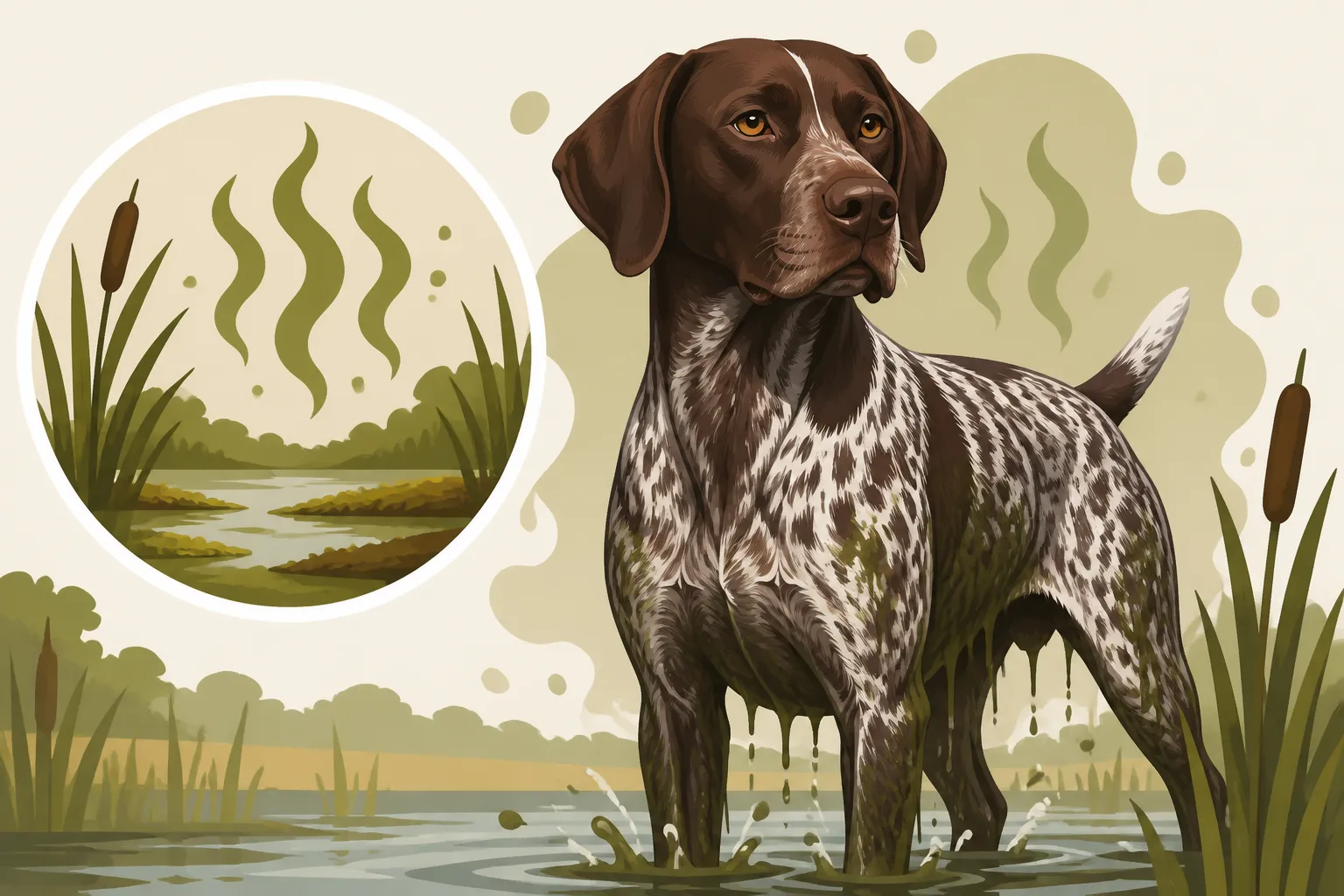
Why a Shorthair Smells After a Day in the Marsh
Oh, the joy of a German Shorthaired Pointer after a triumphant day in the marsh! They emerge, eyes gleaming, tail wagging, often with a proud retrieve in their mouth… and an odor that could clear a room faster than a foghorn. If you've ever wondered why your athletic, beautiful Shorthair transforms into a walking bog monster after a day of water work, you're not alone. This guide is dedicated to unraveling the mystery of that distinct marshy scent and offering practical, empathetic solutions to bring your companion back to their usual, delightful self.
The Unique Challenges of Marsh Environments for a GSP's Coat
Marshes, swamps, bogs—whatever you call them, they are a German Shorthaired Pointer's paradise and, simultaneously, the source of that infamous scent. These environments are rich, complex ecosystems, and their very nature contributes directly to the particular odor your dog brings home. It's not just "dirty water"; it's a living, breathing soup of organic matter and microscopic life that loves to cling to a GSP's coat.
Standing Water and Its Microbiome
When your German Shorthaired Pointer plunges into marsh water, they're entering a world teeming with microorganisms. Unlike a fast-flowing river or a clear lake, marsh water is often stagnant or slow-moving. This allows for a unique, thriving microbiome of bacteria, algae, and protozoa. These microscopic inhabitants, along with decaying plant matter, leaves, and even tiny aquatic organisms, all contribute to a complex biological cocktail. When your dog swims, dives, or simply wades through these waters, their short, dense coat acts like a perfect sieve, collecting all these particles.
Imagine your Shorthair, perhaps a young male named "Gunner," eagerly swimming after a downed duck. He's powerful, slicing through the water with precision, but as he goes, every strand of his sleek coat is picking up the essence of that marsh. The water might look brown or green, and that color isn't just sediment; it's often a suspension of algae and decomposing plant material. These tiny bits, invisible to the naked eye, are packed with their own distinct smells. As the water begins to evaporate from Gunner's coat, these organic compounds become more concentrated, and the bacteria that thrive in such environments start to do their work, producing the volatile organic compounds we perceive as that undeniable "marsh smell." It's a natural process, but certainly not one we want permeating our home or vehicle.
Mud, Silt, and Other Organic Debris
Beyond the water itself, marsh environments are characterized by their soft, mucky bottoms. This isn't just regular dirt; it's often a rich, anaerobic mix of fine silt, clay, and decomposing organic matter accumulated over years. Think of the deep, dark soil found at the bottom of a bog, often releasing methane gas bubbles. When your German Shorthaired Pointer works through these areas, especially if they're belly-crawling through dense reeds or breaking ice in shallow sections, this potent mud clings to their underside, legs, and tail.
Consider "Dixie," a seasoned female Shorthair, meticulously working a thick cattail stand where the mud is ankle-deep for her. She's focused, nose to the ground, but with every step, the sticky, dark mud coats her fine hairs. This mud isn't just dirt; it's impregnated with the smells of decaying vegetation, perhaps the faint scent of muskrat or other marsh dwellers, and a host of bacteria that flourish in oxygen-deprived environments. As the mud dries on her coat, it becomes a powdery layer, and the smell intensifies. Furthermore, plant seeds, burrs, and tiny pieces of reedy vegetation can become embedded in the coat, especially around the ears and between the toes. These small organic fragments can also break down, adding to the overall "fragrance." It’s a testament to their dedication to the hunt, but it certainly leaves a lasting impression – and not always a pleasant one – on our senses.
The GSP's Short, Dense Coat: A Double-Edged Sword
The German Shorthaired Pointer's coat is often praised for its sleekness and water resistance, which is perfect for their active lifestyle. It's short, dense, and feels coarse to the touch, designed to offer some protection from brush and weather. However, this very construction, while efficient, presents a unique challenge when it comes to marsh odors. While the coat is water-resistant, it's not truly water-repellent in the way, say, a Lab's oily double coat might be. It sheds water relatively quickly, which is a huge benefit for preventing chilling, but it also means that the surface of each hair strand can still collect and hold onto fine particulate matter, oils, and microbial life present in marsh water.
Think about how water beads on a freshly waxed car, then runs off. A Shorthair's coat isn't quite that slick. Instead, the water tends to wet the hairs, but because they're short and close-lying, it wicks away rather than soaking deeply into an undercoat. This surface contact is key. Every time your Shorthair emerges from a marsh, their coat is covered in a thin film of whatever was in that water. As the water evaporates, the non-volatile compounds and bacteria are left behind. The coat's rapid drying capability is fantastic for keeping your dog from getting too cold, but it doesn't necessarily "shake off" the odor-causing residues. In fact, as the coat dries, these compounds can become more concentrated and noticeable. If you compare it to a longer-haired breed, the Shorthair's coat doesn't hold gallons of water, but it holds enough of the marsh's essence to be quite fragrant.
Beyond the Obvious: Internal and Health Factors
While the marsh itself is undoubtedly the primary culprit for that distinctive odor, it's important to understand that your German Shorthaired Pointer's own body chemistry and health can sometimes exacerbate or contribute to the smell. It's not just what's on them, but sometimes what's within them, or how their body reacts to the environment, that can intensify or alter the scent.
Skin Health and Natural Oils
Every dog has natural skin oils, known as sebum, which help keep their coat healthy and provide a protective barrier. German Shorthaired Pointers are no exception. These oils can be particularly prone to picking up and trapping environmental odors. When your Shorthair spends hours in stagnant, organic-rich marsh water, these oils can absorb the smells like a sponge. What's more, the marsh environment can be irritating to sensitive skin. Prolonged dampness, combined with abrasive silt and potentially irritating plant matter, can sometimes lead to minor skin irritations or even infections.
If a dog's skin becomes irritated, it might produce more oil as a protective mechanism, or the natural skin barrier could be compromised. This can make them more susceptible to bacterial or yeast overgrowth on the skin itself, which then produces its own distinct, often unpleasant, odor. Imagine a day when your GSP, perhaps a spirited male named "Boone," is constantly in and out of the water, and then drying in the cold air, only to plunge back in. This cycle can be tough on the skin. You might not see overt signs of irritation immediately, but a subtle change in skin health can amplify the "marshy" smell, giving it an extra, slightly yeasty or pungent note. Keeping a close eye on your Shorthair's skin and knowing the signs of trouble is key. Skin Infections Under a Shorthair's Short Coat can develop, and any existing skin issues will only get worse with prolonged exposure to a harsh marsh environment.
Ear Infections and Trapped Moisture
German Shorthaired Pointers have those lovely, pendulous ears that are so characteristic of the breed. While they protect the inner ear from direct impact, they also create a warm, dark, and often moist environment that is a perfect breeding ground for bacteria and yeast, especially after swimming. When your GSP is splashing through the marsh, water invariably gets into their ear canals. This isn't just clean water; it's marsh water, loaded with all those microorganisms and organic debris we discussed earlier.
Once this water gets trapped, it doesn't evaporate easily because the ear flap covers the canal. The combination of moisture, warmth, and introduced bacteria or yeast can quickly lead to an ear infection. Even a mild, subclinical infection, one that hasn't yet shown overt signs like scratching or head shaking, can produce a noticeable, often yeasty or foul, odor. This smell emanates directly from the ears and contributes significantly to your dog's overall "marsh stink." You might notice it's particularly strong when you lean in close to their head. If your GSP is prone to A Shorthair's Ear Infection That Returns Every Duck Season, marsh exposure will almost certainly be a trigger. Regular inspection and cleaning of the ears after water work are vital for preventing these unpleasant and uncomfortable infections.
Dental Health and Breath Issues
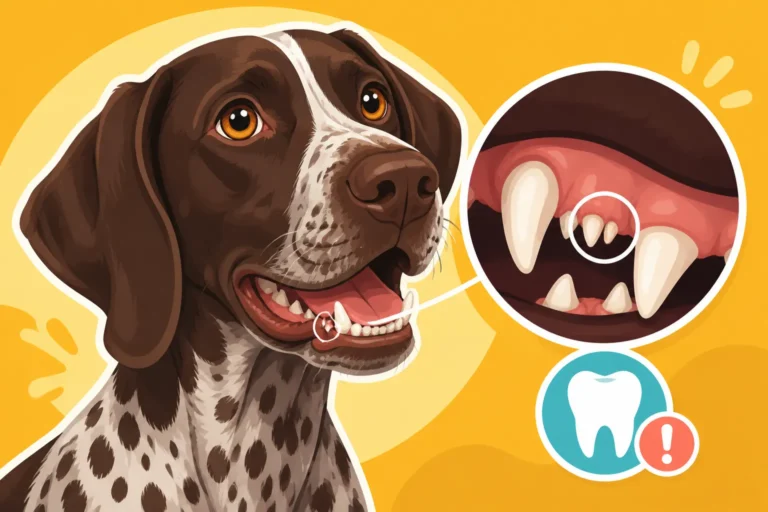
While not directly caused by the marsh, a German Shorthaired Pointer's general dental health can certainly play a role in their overall scent profile, even amplifying the marshy odor they carry. If your dog has existing dental issues such as plaque buildup, tartar, gingivitis, or even a rotten tooth, their breath will naturally be less than fresh. This underlying oral odor can then mingle with the external marsh smells, creating an even more potent and complex aroma.
Consider a scenario where your GSP, "Buddy," is retrieving a duck that has been lying in marsh water for a while. He might be carrying it with a mouth that already has a slight "doggy" breath due to some plaque buildup. As he brings the bird back, the marsh water from the bird's feathers and from Buddy's own coat combines with his breath. The result is a magnified, almost rotten, marsh smell. It's like adding an already strong ingredient to a potent soup. While a healthy mouth might still pick up temporary marsh scents from retrieving, an unhealthy mouth will make it linger longer and be far more objectionable. Maintaining good oral hygiene is a crucial part of your dog's overall health and can contribute to a better-smelling companion, even after a tough day afield. Regular dental care, including brushing and professional cleanings as needed, can prevent Dental Disease in a Middle Aged German Shorthaired Pointer and help keep your GSP smelling their best.
Practical Solutions for a Fresher Shorthair After the Marsh
So, your dedicated German Shorthaired Pointer has come home smelling like the bottom of a pond. Don't despair! While you can't prevent them from getting muddy and smelly in the field, there are plenty of practical steps you can take to quickly restore their freshness and keep them healthy. It's all about diligent, consistent care both immediately after the hunt and as part of their regular routine.
Immediate Post-Marsh Cleanup
The most crucial step in banishing that marsh smell is to address it as soon as possible after your Shorthair leaves the field. Think of it as rinsing off the battlefield before the grime has a chance to set.
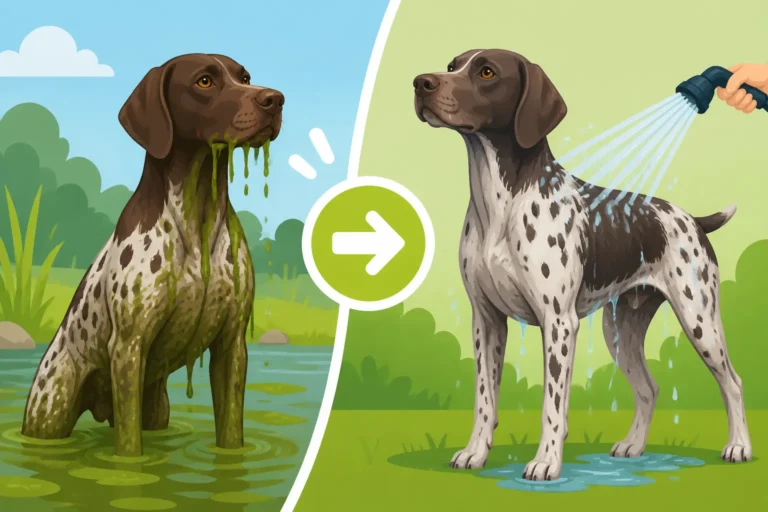
First, a thorough rinse with clean, lukewarm water is paramount. If you have access to a wash-down station at the hunting club, or a hose at home, get to it immediately. Focus on every part of your dog's body: legs, belly, chest, tail, and don't forget their face and ears. You want to dislodge as much mud, silt, and organic debris as possible before it dries and becomes embedded. I've often seen folks just hose off the main body, but the real stink magnets are often the hard-to-reach places. Getting a good spray nozzle that provides decent pressure (but not so much it's uncomfortable for your dog) can make this task much easier. For particularly mucky areas, a soft brush specifically designed for dog bathing can help work out the clinging grime. Remember, the goal here isn't necessarily a full shampoo yet, but to remove the bulk of the odor-causing particles. Rinsing a German Shorthaired Pointer After Pond Water immediately makes a huge difference.
After the initial rinse, it's time for a proper bath with a dog-specific shampoo. Human shampoos are often too harsh and can strip your dog's natural oils, potentially leading to skin irritation. Look for a gentle, hypoallergenic dog shampoo, or one specifically formulated for odor control. Brands like Earthbath or Burt's Bees often have good options you can find on Amazon or Chewy. Lather generously, paying extra attention to areas that were particularly dirty or prone to collecting odor, like the armpits, groin, and paw pads. Let the shampoo sit for a few minutes if the instructions recommend it, allowing it to penetrate and lift the grime. Then, rinse, rinse, rinse! You cannot over-rinse a Shorthair. Any shampoo residue left behind can also cause skin irritation.
Finally, and this is critical, ensure your Shorthair is completely dry, especially their ears. Use clean towels to absorb as much moisture as possible, then if your dog tolerates it, a forced air pet dryer (not a human hairdryer, which can be too hot) can speed up the process and fluff out the coat, helping to dislodge any remaining fine particles. Pay particular attention to the ears, as trapped moisture can quickly lead to infection. Gently blot the inside of the ear flaps and the opening of the ear canal. Drying a Shorthair's Ears After Every Swim is one of the most important steps to prevent complications.
Proactive Care and Prevention
Beyond immediate cleanup, a consistent routine of proactive care can significantly reduce how much your German Shorthaired Pointer smells after a marsh adventure and improve their overall skin and coat health.
Regular ear cleaning is paramount for Shorthairs who spend time in water. Even after careful drying, some moisture and debris can remain. Using a vet-approved ear cleaning solution weekly, or after every swim, helps to flush out debris and maintain a healthy ear environment. Simply apply the solution into the ear canal (as directed by your vet), gently massage the base of the ear, and then allow your dog to shake their head before wiping out any excess with a cotton ball or gauze. Never use cotton swabs deep inside the ear canal. This proactive approach can prevent the buildup of bacteria and yeast that lead to infections and the accompanying foul odor. You might even ask your vet about Whether Ear Powder Helps a Swimming Shorthair if your dog is particularly prone to wet ears.
Maintaining overall healthy skin and coat begins from the inside out. A high-quality diet provides the essential nutrients for a strong skin barrier and healthy oil production. Consider brands like Ollie for fresh, whole-food options, or other reputable premium kibbles available on Chewy that are rich in Omega-3 fatty acids. These fatty acids are crucial for skin health and can lead to a less oily, healthier coat that might not trap odors as readily. Many owners also find success adding fish oil supplements to their dog's diet; talk to your vet about appropriate dosages. While often thought of for joint health, Joint Supplements Worth Giving a Working Shorthair often contain ingredients like Omega-3s that are fantastic for skin and coat, too.
Finally, protecting their paws can also indirectly help. Paw balms can create a protective barrier on their pads, making it harder for fine silt and mud to stick. In extremely rough or mucky terrain, dog boots can be a great option. While they take some getting used to, boots can prevent cuts and abrasions while also keeping their feet cleaner, reducing one source of marsh grime being tracked into your vehicle and home.
Choosing the Right Products for Odor Control
Selecting the right products can make a significant difference in managing that marsh smell. It's not just about any shampoo; it's about choosing formulations that are effective yet gentle.
For shampoos, look for options specifically designed for odor neutralization or deep cleansing, but always ensure they are pH-balanced for dogs. Many brands now offer shampoos with natural deodorizers like baking soda, charcoal, or essential oils (always check they are dog-safe). Some shampoos also contain ingredients like colloidal oatmeal or aloe vera to soothe skin that might be irritated by marsh exposure, preventing further issues that could lead to odor. You'll find a wide variety of these specialized shampoos readily available on platforms like Amazon and Chewy. Experiment with a few to see what works best for your Shorthair's specific coat and skin type.
Odor-neutralizing sprays can be a godsend for those in-between bath times or for a quick refresh before a long car ride home. These aren't air fresheners that just mask the smell; true odor neutralizers work by breaking down the odor molecules. Look for sprays that are safe to use directly on your dog's coat and are non-irritating. A quick spritz and brush-through can significantly reduce the lingering marsh smell without the need for a full bath every single time.
As mentioned earlier, diet plays a foundational role in skin and coat health, which in turn impacts how easily odors are absorbed and retained. High-quality food, like that offered by Ollie, which focuses on fresh, human-grade ingredients, can lead to a healthier coat that is naturally more resilient. A well-nourished dog with healthy skin and a robust immune system is less likely to develop secondary skin issues or produce excessive, odor-trapping oils. It's a holistic approach: tackling the external grime while supporting internal health.
Here's a quick comparison of common odor control strategies:
| Strategy | Description | Pros | Cons |
|---|---|---|---|
| Immediate Rinse & Bath | Thoroughly washing with clean water and dog-specific shampoo after exposure. | Most effective for removing physical debris and primary odor source. | Time-consuming, requires equipment, dog must tolerate bathing. |
| Ear Cleaning | Regular use of vet-approved ear cleaner. | Prevents infections, eliminates ear-specific odors. | Requires consistency, proper technique is essential. |
| Odor Neutralizing Spray | Spraying a safe, dog-specific product on the coat. | Quick refresh, good for travel, extends time between baths. | Less effective for deeply embedded odors, doesn't remove debris. |
| High-Quality Diet | Feeding a balanced, nutritious diet (e.g., from Ollie). | Improves overall skin/coat health, reduces natural "doggy" odor. | Long-term effect, not an immediate fix for marsh smell. |
| Paw Protection (Balm/Boots) | Applying balm or using boots on paws. | Reduces debris collection on feet, prevents injuries. | Dog may resist boots, balm can be messy. |
| Drying Thoroughly | Ensuring coat and ears are completely dry after water exposure. | Prevents skin/ear infections, reduces microbial growth that causes odor. | Can be time-consuming, dog must tolerate drying. |
When to Call the Vet: Beyond a Simple Stink
Most of the time, that marshy smell is just a normal, albeit unpleasant, consequence of your German Shorthaired Pointer doing what they love. A good bath and diligent care will usually take care of it. However, sometimes a lingering or particularly foul odor can be a sign of something more serious brewing beneath the surface. Knowing when to reach out to your veterinarian is crucial for your dog's health and comfort.
Signs of Skin Irritation or Infection
After a day in the marsh, it's normal for a Shorthair's skin to be a little sensitive. But if you notice persistent signs of irritation that don't resolve with a bath and good drying, it's time to call the vet. Look for redness, excessive scratching, licking, or chewing at specific areas of the skin. You might also see small bumps, pustules, or scabs. A tell-tale sign of a bacterial or yeast infection is a persistently strong, often yeasty, sweet, or acrid odor that doesn't disappear with bathing. If your dog develops a "hot spot"—a rapidly developing, moist, red, and painful skin lesion—that's a definite cue for a vet visit. These can develop very quickly, especially in damp conditions, and become quite uncomfortable for your dog. They are common for a GSP who has been swimming a lot, so be sure to check them for Hot Spots on a Shorthair After Swimming.
Another, more subtle sign might be scaling skin or hair loss, which could indicate a more chronic underlying skin condition that was exacerbated by the marsh. While less common immediately after a single marsh outing, conditions like Lupoid Dermatosis and a Shorthair's Scaling Skin can manifest with skin issues that might appear to worsen after environmental exposure. Your vet can accurately diagnose the issue, whether it's a simple bacterial infection, a yeast overgrowth, an allergic reaction, or something more complex, and prescribe the appropriate treatment, which might include medicated shampoos, topical creams, or oral antibiotics.
Persistent Ear Issues
Ear infections are notoriously common in dogs with floppy ears who love water, and German Shorthaired Pointers certainly fit that description. If your dog continues to shake their head, scratch at their ears, or rub them against furniture after you've cleaned and dried them, don't delay in contacting your vet. Obvious signs of an ear infection include redness inside the ear flap, swelling, a brownish or yellowish discharge, and a strong, unpleasant odor emanating directly from the ear. This smell is often distinctly different from the general marsh smell and can be very potent—a yeasty, pungent, or simply foul odor. This is definitely a clear indication of The Smell That Means a Shorthair's Ear Is Infected.
Even if your dog isn't showing dramatic symptoms, a persistent, mild ear odor or frequent head shaking after marsh exposure warrants a vet check. Ear infections can be painful and, if left untreated, can lead to chronic issues, hearing loss, or even affect your dog's balance. Your vet will examine the ear canal, often take a swab to look for bacteria or yeast under a microscope, and then prescribe the correct ear drops or oral medication. Early intervention is key to managing ear health in active, water-loving Shorthairs.
Unusual Lumps or Swellings
While less common, sometimes exposure to marsh environments can lead to more serious physical issues that manifest as lumps or swellings and might be accompanied by a localized foul smell. Grass awns, foxtails, or other sharp plant materials can easily penetrate the skin, especially between the toes, in the ear canal, or even on the chest and belly. These foreign bodies can then migrate under the skin, causing inflammation, abscesses, and infection. A draining tract from an abscess will produce a very distinctive, often putrid, smell that is localized to that area.
If you notice any new lumps, swellings, or areas of tenderness on your German Shorthaired Pointer's body, especially if they are warm to the touch or are leaking pus, it's a reason to see the vet. This is particularly true if the area seems to correspond to where they might have encountered sharp vegetation. Foxtails and Grass Awns in a Hunting Shorthair are a real danger, and sometimes, those insidious seeds can even migrate deep into the body, causing serious internal infections. Grass Seed Migration Into a Shorthair's Chest might be an extreme case, but any persistent lump or swelling that appears after a day in the field should be investigated promptly. Your vet will be able to determine if it's a simple bruise, an insect bite, a benign lump, or a more serious foreign body reaction or infection that requires immediate attention.
Bringing your German Shorthaired Pointer home smelling like the marsh is almost a badge of honor for their dedication to the hunt. But it doesn't mean you have to live with the smell! By understanding the causes, adopting a diligent post-hunt cleaning routine, and maintaining excellent proactive care for their skin and ears, you can enjoy all the adventures with your GSP without sacrificing a fresh-smelling home. Keep those powerful pointers healthy and happy, and they'll keep bringing home the birds—and with any luck, a less potent aroma!
Disclaimer
This article is for general informational purposes only and does not constitute professional advice. Laws, prices and regulations vary by location and change over time. Consult a qualified professional for guidance on your specific situation.