The Bleeding Disorder in German Shorthaired Pointer Lines
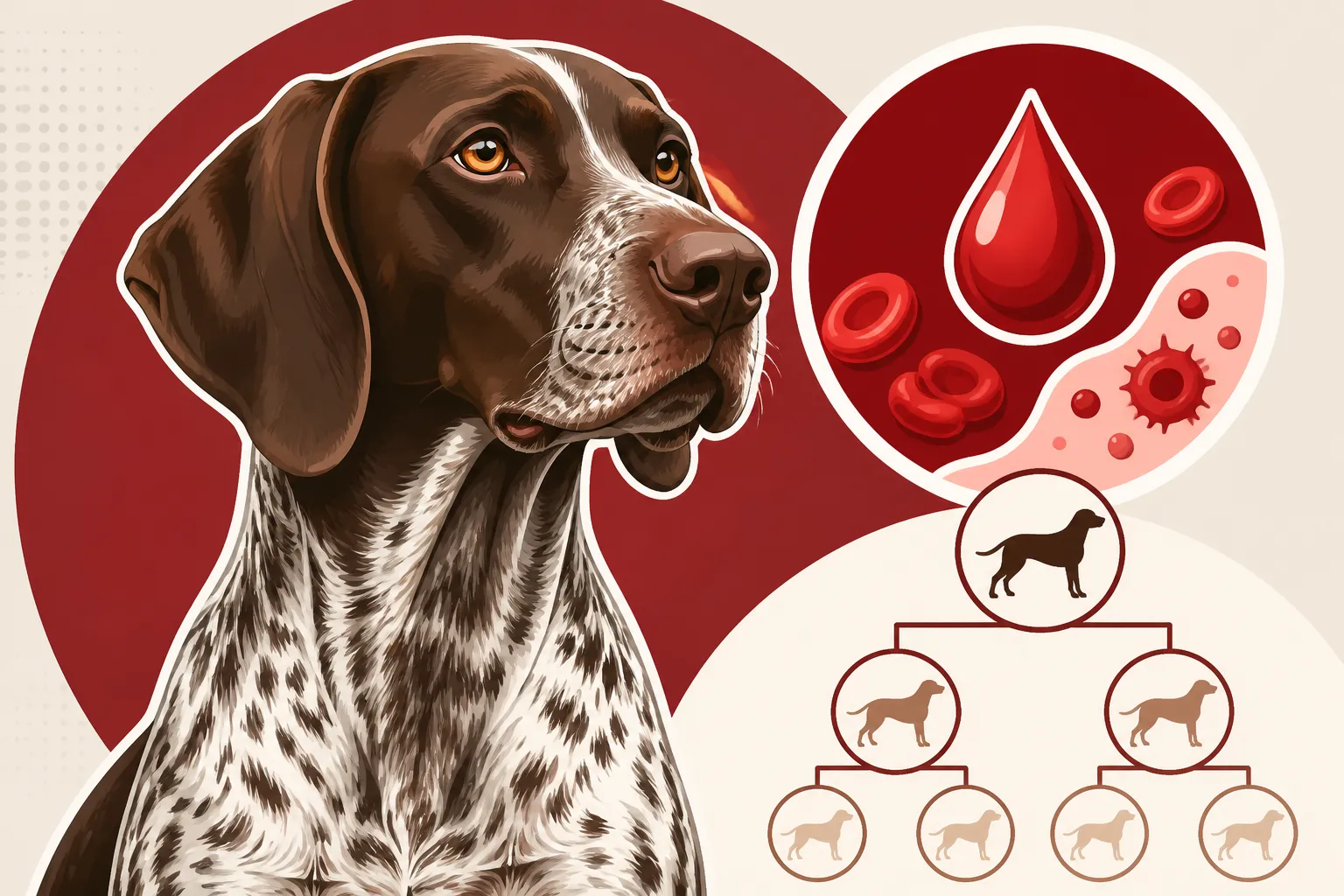
One of the most heart-wrenching discoveries a German Shorthaired Pointer owner can face is learning their beloved dog might have an underlying health issue, especially one that impacts something as fundamental as blood clotting. The fear of seeing unexplained bruises, prolonged bleeding from a minor cut, or worse, knowing your dog is at risk during surgery, is a heavy burden. This comprehensive guide is here to shed light on bleeding disorders common in German Shorthaired Pointers, helping you understand the causes, recognize the signs, navigate diagnosis, and explore management strategies to ensure your energetic companion lives the fullest, healthiest life possible.
Understanding Von Willebrand Disease in German Shorthaired Pointers
For many GSP owners, the term "bleeding disorder" immediately brings to mind Von Willebrand Disease (VWD). It's a genetic condition that impacts a dog's ability to form proper blood clots, leading to a range of bleeding issues. This isn't just a concern for breeders; any GSP owner should be aware of VWD, especially given the breed's active lifestyle, which can lead to accidental scrapes and bumps.
The Role of Von Willebrand Factor
To really grasp VWD, we need to talk about Von Willebrand Factor (vWF). Imagine a busy construction site where blood vessels are constantly being repaired. When a blood vessel is injured, platelets (tiny cells that stop bleeding) rush to the site. But these platelets can't just stick anywhere; they need a "glue" to help them adhere to the damaged vessel wall and to each other. That glue is Von Willebrand Factor. It's a protein in the blood that acts like a crucial scaffolding, helping platelets form a plug to stop bleeding and also protecting another important clotting protein, Factor VIII.
In a GSP with VWD, there's either not enough vWF, or the vWF that is present isn't working correctly. This means that when a blood vessel is damaged, the platelets struggle to stick together and to the vessel wall, and the initial plug that forms is weak and easily dislodged. The clotting process becomes inefficient, leading to prolonged or excessive bleeding. It's not a complete absence of clotting ability, but a significant impairment, much like trying to build a wall without enough mortar.
Different Types of Von Willebrand Disease
VWD isn't a one-size-fits-all condition; it comes in different types, each with its own severity and underlying cause. In German Shorthaired Pointers, the most commonly recognized form is Type 2 VWD. This is important to distinguish because the implications for diagnosis, treatment, and breeding can vary significantly between types.
- Type 1 VWD: This is the most common form across many breeds, where the dog produces a reduced amount of normal vWF. Think of it like having fewer glue sticks, but the glue you have works perfectly. Dogs with Type 1 can have mild to moderate bleeding issues, and sometimes, they might not show any clinical signs at all until a major event like surgery or a severe injury.
- Type 2 VWD: This is the type that really impacts our beloved GSPs. In Type 2 VWD, the dog produces normal or near-normal amounts of vWF, but the factor itself is structurally abnormal and doesn't function correctly. It's like having plenty of glue sticks, but the glue inside them is faulty and doesn't stick. This form is typically more severe than Type 1, leading to more pronounced bleeding tendencies because the vWF simply isn't doing its job effectively. Owners might notice more significant issues, and the impact can be quite worrying. You might find it useful to learn more about this specific type in "Von Willebrand Type Two in German Shorthaired Pointers".
- Type 3 VWD: This is the most severe form, where the dog produces virtually no functional vWF. This leads to very severe, spontaneous bleeding from a young age. While it's rare in GSPs, it's crucial to understand the spectrum of this disease.
Knowing that Type 2 VWD is the primary concern for GSPs helps owners and breeders focus their efforts on appropriate testing and management strategies. The nuances between these types highlight why a precise diagnosis is so critical for your dog's well-being.
How Common Is Von Willebrand Disease in German Shorthaired Pointers?
When you’re facing the possibility of a genetic disorder, one of the first questions that comes to mind is, "How likely is this actually for my dog?" It's a natural concern, and it's important to understand the breed's specific predisposition to VWD. While GSPs are not as widely known for VWD as some other breeds like Doberman Pinschers (Type 1) or Scottish Terriers (Type 3), Type 2 VWD is definitely a recognized issue within the breed, and it’s something responsible owners and breeders actively screen for.
Prevalence in the Breed
It's difficult to give an exact percentage for VWD prevalence in German Shorthaired Pointers because not every dog is tested, and not every affected dog shows severe symptoms or is formally diagnosed. However, genetic testing programs have shed light on the presence of the gene mutation responsible for Type 2 VWD within the GSP population. Breeders who are committed to improving the health of the breed regularly test their dogs, and these tests have confirmed that carriers and affected individuals exist in various lines. The Orthopedic Foundation for Animals (OFA) maintains a public database of health clearances, including VWD results, which can offer some insight into how many GSPs have been tested and their status. This transparency is a huge step forward for the breed.
The issue isn't necessarily that most GSPs are affected, but that the gene for Type 2 VWD is present and can be passed down. This means that even if a dog appears healthy, they could be a carrier and unknowingly pass the gene to their offspring if bred with another carrier. This is precisely why widespread testing is so vital to understand the true scope and to manage the disease within the breed as a whole.
Why German Shorthaired Pointers Are at Risk
The primary reason German Shorthaired Pointers are at risk for Type 2 VWD is simply genetics. It's an inherited disorder, meaning it's passed down from parent to offspring. For Type 2 VWD, the inheritance pattern is autosomal recessive or incomplete dominant depending on how you look at it and the specific mutation. Generally, a dog must inherit two copies of the abnormal gene (one from each parent) to be clinically affected and show symptoms, although carriers (with one abnormal gene) can sometimes exhibit mild or intermittent bleeding tendencies. In Type 2, carriers can sometimes show a reduced vWF activity level, making the genetics a bit more complex than a simple recessive trait.
This genetic predisposition means that if breeders aren't diligent about genetic testing and making informed breeding decisions, the gene can continue to circulate within the breed lines. The passion for field work and the inherent athleticism of GSPs, while wonderful, also means they are more prone to minor injuries, cuts, and scrapes that might go unnoticed in a less active dog. For a dog with a bleeding disorder, even a seemingly innocuous injury during a vigorous hunt or a routine veterinary procedure could pose a significant risk, which underlines the importance of awareness and screening. Understanding the genetics behind it is key to preventing further spread and protecting our active companions.
Recognizing Symptoms and Navigating Diagnosis
Detecting a bleeding disorder in an active German Shorthaired Pointer can sometimes feel like finding a needle in a haystack. Their boisterous nature means minor bumps and scrapes are par for the course. However, certain signs should always raise a red flag, prompting you to seek veterinary attention and consider VWD testing.
Recognizing the Signs of Bleeding
The symptoms of VWD can vary widely depending on the severity of the disease in your GSP, which is largely dictated by the specific type and how much functional vWF they have. Some dogs might be nearly asymptomatic, only showing signs during major trauma or surgery. Others might have more persistent issues. Common signs to watch out for include:
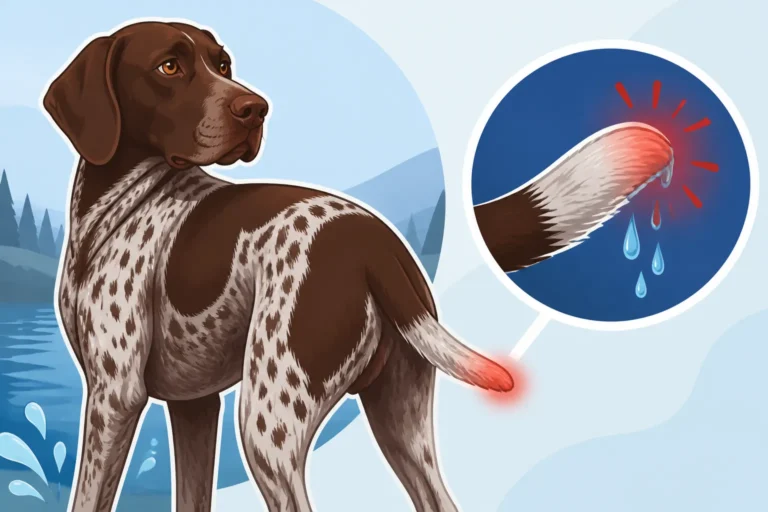
- Excessive or prolonged bleeding from minor cuts: This is perhaps the most obvious sign. A simple scratch from a thorn bush in the field or a small cut on a paw might bleed for much longer than expected, or even stop and then restart.
- Nosebleeds: Unexplained nosebleeds, particularly recurring ones or those that are difficult to stop, are a classic symptom of a clotting disorder. You might also notice a little blood in the area where your dog slept. More insights into this can be found in Nosebleeds in a German Shorthaired Pointer.
- Bleeding gums: While some gum bleeding can be normal with dental disease, persistent or excessive bleeding during brushing or even while chewing on toys can be a warning sign.
- Bruising (hematomas): You might find unexplained bruises or large hematomas (collections of blood under the skin) after what seems like a minor bump, or even without any clear trauma. These can appear on the belly, inner thighs, or other soft tissue areas.
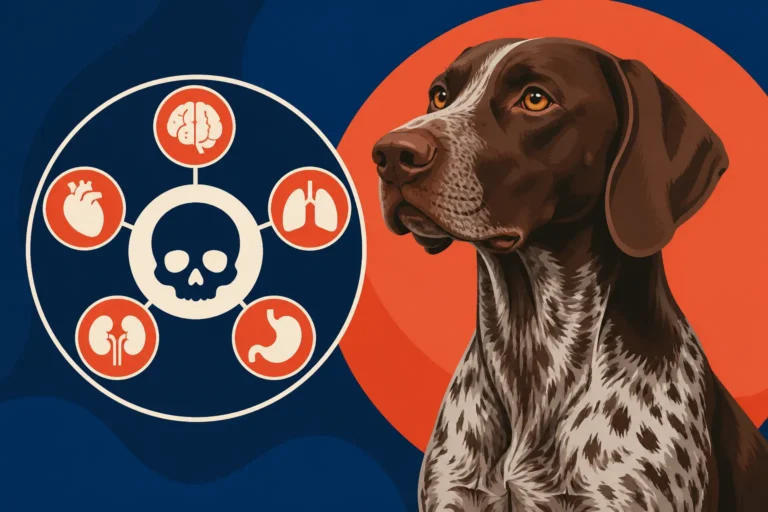
- Bloody urine or stool: This is a more serious symptom and requires immediate veterinary attention, as it can indicate internal bleeding.
- Prolonged bleeding after surgery or injury: This is where many VWD cases are first diagnosed. After a routine spay/neuter procedure, dental work, or an injury that requires stitches, the bleeding might be much heavier or continue for longer than anticipated. This is why it's so important for veterinarians to be aware of the potential for bleeding disorders, especially before any planned surgical procedure. It's a critical consideration for "Bleeding Risk During a German Shorthaired Pointer's Surgery".
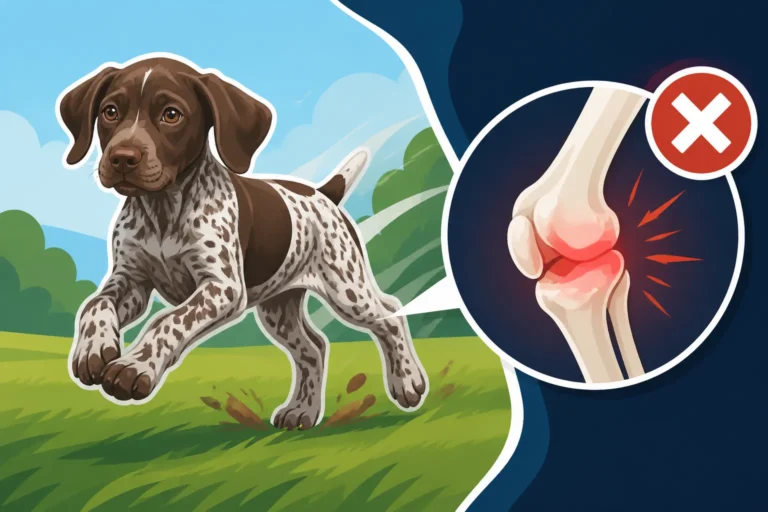
- Lameness or swelling: In severe cases, internal bleeding into joints or muscles can cause pain, swelling, and lameness.
It's important to remember that these signs aren't exclusive to VWD and can indicate other health problems. However, if you observe any of these symptoms in your GSP, particularly if they are recurring or severe, it's crucial to discuss them with your veterinarian promptly.
The Diagnostic Process
Diagnosing VWD involves a combination of clinical observation, a thorough history, and specific blood tests. If you suspect your GSP has a bleeding disorder, your vet will likely start with a comprehensive physical exam and ask detailed questions about your dog's bleeding history, including how long cuts bleed, any spontaneous bleeding, and family history if known.
The primary diagnostic tool for VWD is a vWF antigen test, which measures the amount of Von Willebrand Factor protein in the blood. This test is often performed by specialized veterinary laboratories. For GSPs, it's particularly important because Type 2 VWD means the amount might be near normal, but its function is impaired. Therefore, a vWF activity test (sometimes called a Factor VIII coagulant activity test or ristocetin cofactor activity) might also be used, which assesses how well the vWF is actually working. A low vWF activity combined with normal or near-normal antigen levels is highly suggestive of Type 2 VWD.
Additionally, your vet might perform other general clotting tests, such as:
- Complete Blood Count (CBC): To check for anemia due to blood loss and assess platelet count.
- Buccal Mucosal Bleeding Time (BMBT): This is a simple in-clinic test where a small, standardized incision is made on the inside of the dog's lip, and the time it takes for bleeding to stop is measured. A prolonged BMBT suggests a primary hemostatic defect, which could be VWD.
- Activated Partial Thromboplastin Time (aPTT) and Prothrombin Time (PT): These tests evaluate the secondary clotting pathways, which are usually normal in VWD, helping to differentiate it from other clotting factor deficiencies.
For a definitive diagnosis of the specific type of VWD, especially Type 2 in GSPs, genetic testing is the gold standard. A DNA test, typically performed on a cheek swab or blood sample, can identify the specific gene mutation responsible for VWD. This is invaluable for breeders and can provide peace of mind for owners. Leading labs like VetGen offer specific panels for GSPs. This is also why Von Willebrand Testing Before a German Shorthaired Pointer Is Bred is a critical step for responsible breeders.
Differential Diagnoses
It's important to remember that not all bleeding issues are VWD. Your veterinarian will consider other potential causes of abnormal bleeding, as these conditions require different diagnostic and treatment approaches. Some of the differential diagnoses include:
- Thrombocytopenia: This is a low platelet count, which can be caused by various underlying conditions such as immune-mediated diseases, certain infections (like tick-borne diseases), bone marrow disorders, or exposure to certain toxins. Platelets are crucial for initiating the clotting process, so a low count can lead to significant bleeding.
- Other Coagulation Factor Deficiencies: While VWD affects primary hemostasis (platelet plug formation), other genetic disorders can impact secondary hemostasis (the formation of a stable fibrin clot). Examples include Hemophilia A (Factor VIII deficiency) and Hemophilia B (Factor IX deficiency), which are far less common in GSPs but can cause similar bleeding symptoms.
- Liver Disease: The liver produces many of the clotting factors. Severe liver disease can impair the production of these factors, leading to a generalized bleeding tendency.
- Disseminated Intravascular Coagulation (DIC): This is a serious, life-threatening condition that occurs secondary to another severe underlying disease (e.g., sepsis, severe trauma, cancer). In DIC, the clotting system becomes overactivated, leading to widespread microscopic clots that then consume all the clotting factors and platelets, resulting in simultaneous uncontrolled bleeding.
- Toxin Exposure: Certain toxins, particularly rodenticides containing anticoagulants (like warfarin), can severely inhibit the body's ability to clot blood, causing severe and often fatal bleeding if not treated quickly.
- Platelet Dysfunction: Even if the platelet count is normal, the platelets themselves might not be functioning correctly due to certain medications or other underlying conditions.
Because of these various possibilities, a thorough diagnostic workup is essential. Rushing to assume VWD without ruling out other conditions could lead to incorrect treatment and potentially worsen your dog's prognosis. Your vet will guide you through the necessary tests to pinpoint the exact cause of any bleeding issues.
Management and Treatment Strategies for VWD
Discovering your German Shorthaired Pointer has a bleeding disorder can be alarming, but it's important to know that while VWD isn't curable, it is manageable. With proper care and preparation, many GSPs with VWD can lead full, active lives. The key is understanding how to manage bleeding episodes and planning for potential future events.
Managing Acute Bleeding Episodes
When an affected GSP experiences an acute bleeding episode, prompt and appropriate intervention is crucial. The goal is to replace or enhance the functional Von Willebrand Factor and other clotting factors to help the blood clot effectively.
- Blood Component Therapy: This is often the most effective immediate treatment for severe bleeding.
- Cryoprecipitate: This is a component of plasma that is rich in vWF and Factor VIII. It's often the first choice because it specifically targets the deficiency in VWD. Your vet might administer this intravenously during a bleeding crisis or before a planned surgery.
- Fresh Frozen Plasma (FFP): Contains all clotting factors, including vWF, and can be used if cryoprecipitate isn't available or if there are concerns about other clotting factor deficiencies.
- Whole Blood Transfusions: If your GSP has lost a significant amount of blood and is anemic, a whole blood transfusion may be necessary to restore red blood cell volume and oxygen-carrying capacity, in addition to providing clotting factors.
- Desmopressin (DDAVP): This synthetic hormone can sometimes be used to temporarily increase the release of stored vWF from the body's endothelial cells (lining of blood vessels). It's more effective for Type 1 VWD, where there's a quantity issue of otherwise normal vWF. For Type 2 VWD in GSPs, where the vWF is dysfunctional, its efficacy can be limited or variable, but some vets may try it in certain situations. It's usually given intravenously.
- Antifibrinolytic Drugs: Medications like aminocaproic acid (Amicar) can help stabilize clots once they form, preventing their premature breakdown. These can be useful as an adjunct therapy, especially after initial control of bleeding has been achieved.
- Direct Pressure and Local Treatments: For external bleeding, applying firm, direct pressure to the wound with a clean cloth for several minutes is always the first step. Your vet might also use topical hemostatic agents, sutures, or surgical staples to control localized bleeding. For a deeper understanding of field cuts, refer to Stapling a German Shorthaired Pointer's Field Wound.
It's vital to work closely with your veterinarian to have an emergency plan in place if your GSP is diagnosed with VWD. Knowing what steps to take and having a rapid response system can make a world of difference in a critical situation.
Long-Term Care Strategies
Managing VWD in the long term for your GSP involves a proactive approach to minimize risks and maintain their quality of life. It’s about more than just reacting to bleeding; it’s about preventing it where possible.
- Avoidance of Trauma: While you can’t completely bubble-wrap an active GSP, being mindful of activities that carry high risks of injury is important. This doesn't mean stopping all play, but perhaps choosing safer environments for exercise or being more vigilant during hunts. Minimize activities where they might get deep cuts or significant blunt force trauma.
- Medication Awareness: Certain medications can interfere with platelet function and exacerbate bleeding. Common culprits include non-steroidal anti-inflammatory drugs (NSAIDs) like aspirin, ibuprofen, and some prescription pain relievers. Always inform any veterinarian or specialist treating your GSP about their VWD diagnosis before they prescribe any medication, and never administer human medications without veterinary guidance.
- Dental Care: Regular professional dental cleanings are important for all dogs, but for VWD-affected GSPs, managing dental disease is crucial. Inflamed gums can bleed, and extractions or other dental procedures can lead to significant blood loss. Prophylactic measures, like pre-operative cryoprecipitate or DDAVP if effective, might be considered before dental work. You can also explore Dental Disease in a Middle Aged German Shorthaired Pointer for more general tips.
- Identification: Ensure your GSP wears identification that clearly states they have VWD. A medical alert tag on their collar can be life-saving in an emergency, informing anyone who finds them or any attending veterinarian of their condition.
- Regular Veterinary Check-ups: Maintaining The Vet Schedule a Working Shorthair Should Keep is essential. Regular check-ups allow your vet to monitor your dog's overall health, address any minor issues before they become major, and adjust their long-term care plan as needed. Building this relationship with your vet is invaluable.
- Consider Pet Insurance: The costs associated with managing a chronic condition like VWD, especially acute bleeding episodes requiring transfusions or emergency surgery, can be substantial. Pet insurance plans, such as those offered by Healthy Paws, can help alleviate the financial burden of these unexpected veterinary bills, making it easier to provide the best care for your GSP. Always check policy details regarding pre-existing conditions.
Living with a GSP with VWD means being vigilant and prepared, but it doesn’t mean a life of constant worry. With careful planning and a strong partnership with your vet, your dog can continue to enjoy many happy, active years.
Surgical Considerations for Affected GSPs
One of the most anxiety-inducing scenarios for owners of VWD-affected German Shorthaired Pointers is the need for surgery, whether it’s a routine spay/neuter, an emergency procedure for an injury, or something more complex. The risk of excessive bleeding during and after surgery is significantly elevated, making careful planning absolutely paramount.
Before any elective surgery, a VWD-affected GSP should undergo a thorough pre-operative assessment. This isn't just a basic blood panel; it specifically aims to confirm the VWD diagnosis and assess the current bleeding risk. This might involve repeating vWF antigen and activity tests, along with other general clotting screens. Knowing the exact VWD status and type is critical for the surgical team. It's a key part of Testing a German Shorthaired Pointer Before a Spay or any other procedure.
The surgical plan will be heavily modified to mitigate bleeding risks. This often includes:
- Pre-Operative Prophylaxis: Administering cryoprecipitate or fresh frozen plasma (FFP) intravenously hours before surgery is a common strategy. This boosts the circulating levels of vWF and other clotting factors, helping to normalize clotting ability during the procedure. The timing and dosage are crucial and will be determined by your veterinary internal medicine specialist or surgeon. Desmopressin (DDAVP) might also be considered, though, as mentioned, its efficacy for Type 2 VWD can be less predictable.
- Careful Anesthesia: Anesthesia Risk in a Lean German Shorthaired Pointer is already a consideration due to their build, but with VWD, the anesthetic protocol will be meticulously planned to minimize any factors that could exacerbate bleeding or impair recovery. This includes maintaining stable blood pressure and ensuring adequate oxygenation.
- Meticulous Surgical Technique: The surgeon will employ techniques to minimize tissue trauma and ensure precise hemostasis (stopping blood flow) during the operation. This might involve using specialized cautery devices, ligatures, and careful dissection.
- Post-Operative Monitoring: Recovery from surgery for a VWD-affected GSP requires intensive monitoring. This includes checking for signs of internal or external bleeding, monitoring vital signs, and ensuring comfort. The dog might remain hospitalized for longer than usual to allow for close observation.
- Pain Management: Pain control is vital, but the choice of pain medications will be carefully considered to avoid any that might increase bleeding risk, such as certain NSAIDs.
- Availability of Blood Products: Ensuring that fresh cryoprecipitate or FFP is readily available during and after the surgery is non-negotiable. Some veterinary specialty hospitals have blood banks on site, while others may need to source these products in advance. This readiness can directly impact the outcome of the surgery.
Communication between you, your primary care veterinarian, and any specialist surgeons or internal medicine vets involved is absolutely vital. You should feel fully informed about the risks, the specific plan to mitigate those risks, and the expected post-operative care. While surgical procedures carry inherent risks for any dog, with careful planning and a skilled veterinary team, a GSP with VWD can successfully undergo necessary operations.
Breeding Considerations and Genetic Testing
For any German Shorthaired Pointer owner considering breeding, or for prospective puppy buyers, understanding the genetic aspect of Von Willebrand Disease is paramount. This isn't just about health; it's about ethical responsibility to the breed's future.
Genetic Testing for Breeders
Genetic testing is the most powerful tool we have to identify carriers and affected individuals of VWD, allowing breeders to make informed decisions that reduce the prevalence of this disorder. For German Shorthaired Pointers, a specific DNA test is available to detect the mutation responsible for Type 2 VWD. This test is non-invasive, usually requiring just a simple cheek swab or a small blood sample, and can be performed at any age.
Responsible GSP breeders understand the importance of testing all breeding stock before they are used in a breeding program. This means testing both male and female dogs, even if they show no signs of bleeding. A dog can be a carrier of the VWD gene without ever exhibiting clinical symptoms, yet still pass the gene on to their offspring.
The results of these genetic tests typically categorize a dog into one of three statuses:
- Clear (N/N): The dog does not carry the gene mutation for VWD.
- Carrier (N/VWD): The dog carries one copy of the gene mutation but is typically unaffected clinically (though Type 2 carriers can sometimes have borderline or mildly reduced vWF activity).
- Affected (VWD/VWD): The dog carries two copies of the gene mutation and is genetically predisposed to developing Type 2 VWD. These dogs are at high risk for clinical bleeding episodes.
These genetic tests are typically offered by specialized veterinary genetics laboratories, such as VetGen or through the OFA's DNA testing program. The results are often recorded in public health databases, allowing prospective puppy buyers to verify the health clearances of a puppy's parents. This process is fully explained in Von Willebrand Testing Before a German Shorthaired Pointer Is Bred.
Interpreting Genetic Test Results
Once you have your GSP's genetic test results, understanding what they mean for individual dogs and for potential offspring is critical for making responsible breeding choices.
- Clear (N/N) dogs: These dogs do not have the VWD gene mutation and cannot pass it on to their puppies. They are safe to breed with any other dog (clear, carrier, or affected) without producing affected offspring, though breeding with an affected dog is generally not recommended for other reasons.
- Carrier (N/VWD) dogs: These dogs carry one copy of the mutation. They generally do not show severe clinical signs of VWD, but they can pass the mutation to 50% of their offspring on average. When breeding a carrier, it is absolutely essential to only breed them with a dog that is Clear (N/N). This pairing will produce approximately 50% clear puppies and 50% carrier puppies, but no affected puppies.
- Affected (VWD/VWD) dogs: These dogs have two copies of the mutation and are at high risk for bleeding. They will pass a copy of the VWD gene to all of their offspring. Breeding affected dogs is generally strongly discouraged due to the high likelihood of producing affected puppies and the ethical implications of knowingly passing on a severe genetic disorder.
Let's illustrate with a simple table:
| Parent 1 Status | Parent 2 Status | Possible Offspring Status (Approximate Percentages) | Recommendation |
|---|---|---|---|
| Clear (N/N) | Clear (N/N) | 100% Clear | Best pairing |
| Clear (N/N) | Carrier (N/VWD) | 50% Clear, 50% Carrier | Acceptable (no affected puppies) |
| Clear (N/N) | Affected (VWD/VWD) | 100% Carrier | Not ideal, but produces no affected puppies |
| Carrier (N/VWD) | Carrier (N/VWD) | 25% Clear, 50% Carrier, 25% Affected (VWD/VWD) | Avoid (produces affected puppies) |
| Carrier (N/VWD) | Affected (VWD/VWD) | 50% Carrier, 50% Affected (VWD/VWD) | Avoid (produces affected puppies) |
| Affected (VWD/VWD) | Affected (VWD/VWD) | 100% Affected (VWD/VWD) | Absolutely avoid |
This table clearly shows that avoiding the production of affected puppies is the primary goal. Breeding two carriers together, or a carrier with an affected dog, or two affected dogs, will result in affected offspring, which goes against responsible breeding practices. You can learn more about Whether a Carrier Shorthair Bleeds Abnormally in another post.
Responsible Breeding Practices
For serious German Shorthaired Pointer breeders, addressing VWD goes beyond just individual testing; it involves a commitment to improving the health of the entire breed. This means:
- Transparency: Openly sharing VWD test results for all breeding dogs. This allows potential puppy buyers to make informed decisions and helps track the genetic health of lines. Many breeders list their dogs' health clearances on the OFA database.
- Prioritizing Health Over Other Traits: While temperament, conformation, and hunting ability are important, health should always be a top priority. A champion field dog with a genetic disease is still a dog that could pass on suffering.
- Understanding Pedigrees: Researching the pedigrees of potential breeding partners to understand the prevalence of VWD in their lines. This requires diligent record-keeping and open communication among breeders.
- Culling Affected Animals from Breeding Programs: Dogs identified as "Affected" (VWD/VWD) should ideally not be bred. While "Carrier" dogs can be bred responsibly with "Clear" partners to maintain genetic diversity, the long-term goal should be to reduce the carrier population.
- Educating Buyers: Providing potential puppy buyers with information about VWD, the parents' testing results, and what to expect if they purchase a carrier puppy. This ensures new owners are prepared and educated about their dog's genetic background.
- Collaboration: Working with breed clubs, veterinary geneticists, and other responsible breeders to implement testing protocols and share data, ultimately benefiting the entire GSP community.
By adhering to these responsible breeding practices, German Shorthaired Pointer breeders can collectively work towards minimizing the impact of VWD and safeguarding the health and vitality of future generations. This diligent approach is critical to upholding the breed's reputation for health and athleticism.
Living with a German Shorthaired Pointer Affected by VWD
Learning your German Shorthaired Pointer has Von Willebrand Disease can feel like a heavy blow, but it doesn't mean a life devoid of joy or activity for your dog. It simply means you'll need to be more vigilant and proactive in their care. Many GSPs with VWD live full, happy lives, especially when their owners are educated and prepared.
Daily Care and Precautions
Managing a GSP with VWD on a daily basis is mostly about awareness and prevention, integrating careful habits into your routine without letting them dominate your life.
- Vigilant Observation: Pay close attention to your dog's behavior and physical condition. Regularly check for unexplained bruising, swelling, or signs of bleeding from their nose, gums, or in their urine or stool. A quick "once-over" after outdoor activities can help catch minor injuries before they become problematic. For hunting dogs, this check-over becomes even more crucial, as detailed in Checking a German Shorthaired Pointer Over After a Hunt.
- Gentle Handling: While GSPs are robust, try to minimize rough play with other dogs that could lead to accidental injuries. This isn't about restricting their fun, but choosing playmates and environments that are less likely to cause trauma.
- Nail Care: Keep your GSP's nails trimmed short. Long nails are prone to snagging and tearing, which can cause significant and prolonged bleeding in a VWD-affected dog. Learning How Often a German Shorthaired Pointer's Nails Need Trimming is a skill every owner should master, or ensure a groomer is well-versed in careful nail trims.
- Dental Hygiene: Regular dental care is paramount. Brushing your dog's teeth daily, if possible, helps prevent tartar buildup and gum disease, which can lead to bleeding gums and necessitate potentially risky dental procedures. Consult your vet about the best dental care routine for a VWD-affected dog.
- Nutrition: While diet doesn't cure VWD, a high-quality, balanced diet supports overall health, including the integrity of blood vessels. Discuss any specific dietary concerns or supplements with your vet. Fish oil, for instance, is often recommended for skin and coat health, but for VWD dogs, it's wise to discuss it, as some omega-3s can have anti-platelet effects, though typically mild.
- Medical Alert Tag: Ensure your GSP wears a collar with an up-to-date tag that clearly states they have Von Willebrand Disease and provides your contact information. This is vital in case of an emergency, letting first responders or a veterinary clinic know immediately about their special medical needs.
These daily precautions aren't meant to make you live in fear, but rather to empower you with the knowledge to provide the best possible preventive care for your GSP.
Exercise and Play Adaptations
German Shorthaired Pointers are renowned for their boundless energy and love for activity. Limiting their exercise might seem counter-intuitive, but for a VWD-affected dog, it's about making smart adaptations, not necessarily outright restrictions. The goal is to keep them physically and mentally stimulated without significantly increasing their risk of injury and bleeding.
- Choose Safer Environments: Instead of rough-and-tumble play in dense, thorny brush, opt for open fields with softer ground. Avoid areas with sharp objects, broken glass, or dense undergrowth that could cause cuts. A secure, well-maintained yard or a dog park with good surfaces can be excellent choices.
- Supervised Play: Always supervise your GSP during play, especially with other dogs. Intervene if play becomes too rough or if there's a risk of injury. Knowing How Far a German Shorthaired Pointer Runs in an Hour might give you an idea of their capabilities, but consider the terrain and risk more.
- Controlled Exercise: Activities like jogging on a leash, swimming (if they enjoy it), or fetch in an open area can provide excellent exercise with a lower risk of uncontrolled trauma. You can still participate in many field activities, but perhaps focus more on controlled training exercises rather than highly chaotic hunting scenarios, depending on the severity of their condition.
- Mental Stimulation: Don't forget mental exercise! Puzzle toys, scent work, obedience training, and trick training can burn energy and satisfy their intelligent minds without physical impact. Puzzle Feeders and Scent Games for a Shorthair can be a fantastic way to engage them.
- Avoid Contact Sports (Generally): For severely affected dogs, activities like agility, flyball, or intense dog park play that involves frequent collisions or jumps might need to be limited or avoided. Always discuss activity levels with your veterinarian, who can provide personalized recommendations based on your dog's specific VWD severity.
The key is finding a balance. Your GSP still needs to be a GSP, enjoying their natural athleticism and drive. By making thoughtful adjustments to their exercise routine, you can keep them happy, healthy, and minimize bleeding risks.
Veterinary Communication and Record Keeping
When living with a GSP affected by VWD, robust communication with your veterinary team and meticulous record-keeping are your best friends. This isn't just good practice; it's essential for consistent, informed care.
- Open and Honest Communication: Always inform any new veterinarian, emergency clinic staff, or specialist (e.g., surgeon, dermatologist) about your GSP's VWD diagnosis immediately. Even if it seems unrelated to the current issue, it's critical for them to know. This includes discussing any new medications, supplements, or changes in behavior.
- Maintain a Comprehensive Medical File: Keep a detailed file, either physical or digital, of all your GSP's medical records. This should include:
- VWD genetic test results and any vWF antigen/activity test results.
- A written diagnosis from your primary vet.
- History of any bleeding episodes (date, severity, how it was treated, outcome).
- All vaccination records and regular vet visit summaries.
- A list of all current medications and dosages.
- Emergency contact information for you and your primary vet.
Having this information readily accessible, especially if you need to go to an unfamiliar emergency clinic, can save precious time and ensure appropriate care.
- Consult Before Any Procedures: Before any planned veterinary procedure—even a routine dental cleaning or nail trim—consult with your vet about specific precautions for your VWD-affected GSP. Discuss the need for prophylactic treatments (like cryoprecipitate) or alternative anesthetic protocols. Remember, Bleeding Risk During a German Shorthaired Pointer's Surgery is a serious consideration.
- Emergency Plan Discussion: Talk with your primary vet about a clear emergency plan for severe bleeding episodes. Where should you go? What should you do on the way? Which emergency clinics in your area are best equipped to handle a VWD patient (e.g., have blood products readily available)?
- Medication Records: Keep track of any medications given, including over-the-counter products. Some common drugs can affect clotting and should be avoided or used with extreme caution in VWD dogs.
- Pet Insurance Records: If you have pet insurance, like Healthy Paws, keep detailed records of all claims, covered expenses, and policy limitations. This can be crucial when managing The First Year Bills on a German Shorthaired Pointer or subsequent years, as ongoing medical costs can add up.
By being proactive in your communication and diligent with your records, you become a powerful advocate for your GSP's health. You'll ensure every veterinary professional involved in their care has the full picture, leading to better, safer treatment outcomes.
Emergency Preparedness for Bleeding Episodes
Even with the best daily care and precautions, emergencies can happen, especially with an active German Shorthaired Pointer. Being prepared for a bleeding episode is crucial for a VWD-affected dog and can make a critical difference in the outcome.
First Aid for Bleeding Episodes
Knowing basic first aid can help stabilize your GSP and buy you precious time when a bleeding emergency occurs.
- Stay Calm: Your dog will pick up on your stress. A calm demeanor helps keep them calm, which can lower their heart rate and potentially reduce blood flow.
- Apply Direct Pressure: For external wounds, the most effective first step is to apply firm, sustained direct pressure using a clean cloth, gauze, or even your hand. Hold the pressure for at least 5-10 minutes without peeking. If the cloth becomes saturated, don't remove it; simply place another clean cloth on top and continue pressure.
- Elevate (if possible): If the bleeding is from a limb, try to gently elevate it above the level of the heart, if practical and safe for your dog.
- Control Internal Bleeding Signs: For suspected internal bleeding (e.g., pale gums, weakness, distended abdomen, bloody urine/stool, unexplained lameness), there isn't much first aid you can do directly. The immediate goal is to get to a veterinary emergency clinic as quickly and safely as possible. Keep your dog warm and quiet.
- Don't Use Tourniquets (Unless Trained): Tourniquets can cause more harm than good if not applied correctly and are generally only for severe, life-threatening arterial bleeds that cannot be controlled otherwise. They can lead to tissue damage and loss of the limb.
- Muzzle if Necessary: A scared or injured dog, even your own, may bite. If you need to administer first aid, consider a muzzle to protect yourself, but ensure it doesn't obstruct breathing or cause further distress.
Once bleeding is controlled or you have a plan to get to the vet, call ahead to the clinic to let them know you're coming and why. This allows them to prepare for your arrival and ensure staff and necessary blood products are ready.
When to Seek Emergency Vet Care
It can be hard to know when a bleeding incident warrants an immediate trip to the emergency vet, versus a call to your regular vet during business hours. For a VWD-affected GSP, it's generally better to err on the side of caution.
Seek IMMEDIATE emergency veterinary care if you observe:
- Uncontrolled bleeding: If you cannot stop the bleeding with direct pressure after 10-15 minutes, or if the blood is spurting, it’s a critical emergency.
- Large volume of blood loss: Any significant amount of blood, regardless of where it's coming from.
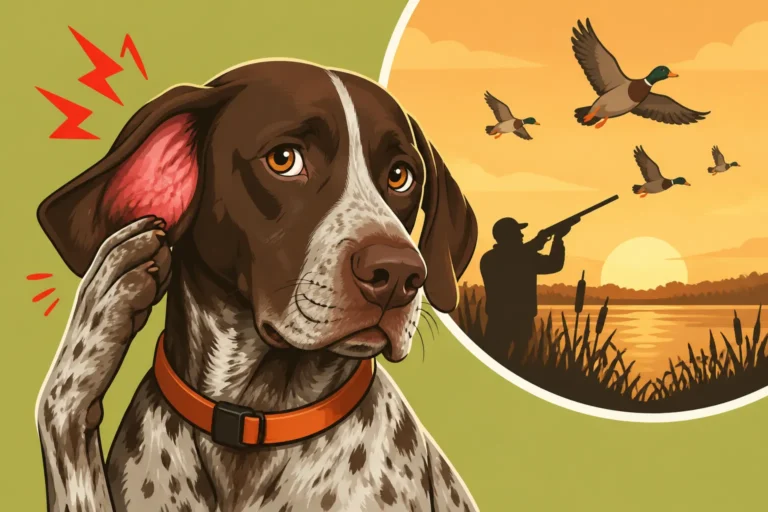
- Signs of internal bleeding: Pale gums, lethargy, weakness, collapse, distended or painful abdomen, difficulty breathing, bloody vomit, bloody urine (especially dark or coffee-ground like), or black, tarry stools.
- Severe nosebleeds: Especially if they are prolonged, heavy, or won't stop with pressure.
- Bleeding into joints: Indicated by sudden, severe lameness, swelling, and pain, particularly without obvious external injury.
- Any head trauma or suspected bleeding near the eyes or ears.
Contact your regular veterinarian within business hours for:
- Minor, controlled bleeding that is unusual for your dog but not severe.
- Small, unexplained bruises.
- Any new, subtle signs that concern you about potential bleeding risk.
Always remember that your GSP with VWD might have a more dramatic response to bleeding than other dogs. When in doubt, call your veterinarian or an emergency clinic for advice. They can help you assess the situation over the phone and guide you on the best course of action. This is where Emergency Fees for a Shorthair Cut Open in the Field can come into play, highlighting the importance of pet insurance like Healthy Paws.
Building a Relationship with an Emergency Clinic
For any GSP owner, but especially one with a VWD-affected dog, having a pre-existing relationship or at least knowledge of your local emergency veterinary clinics is incredibly valuable. When minutes count, you don't want to be scrambling to find the right place.
- Identify Local 24/7 Emergency Hospitals: Research the emergency veterinary hospitals in your area. Look for those that are well-staffed, have advanced diagnostic capabilities (like on-site lab work and imaging), and, most importantly for VWD, have access to blood products (cryoprecipitate, fresh frozen plasma) and experience with transfusions. Some specialty clinics are much better equipped than general practices for these types of emergencies.
- Inform Them in Advance (If Possible): If you've just received a VWD diagnosis, consider calling your chosen emergency clinic during non-emergency hours. Briefly introduce yourself and your dog, mention the VWD diagnosis, and ask if there's anything specific they would need from you if you ever had to bring your GSP in for a bleeding emergency. They might suggest bringing a copy of your dog's records or provide specific instructions.
- Keep Contact Information Handy: Have the address, phone number, and even directions to the emergency clinic saved in your phone and prominently displayed at home. In a panic, simple details can be overlooked.
- Discuss Costs: While you never want to put a price on your dog's life, it's realistic to know that emergency care for bleeding disorders can be expensive. Discussions with your primary vet or the emergency clinic about potential costs and payment options (e.g., payment plans, credit lines like CareCredit) can be helpful to explore before an emergency arises. This is another area where pet insurance, like Healthy Paws, can provide immense relief by covering a significant portion of emergency care costs.
Being prepared isn't about being pessimistic; it's about being responsible and ensuring you can act quickly and effectively should your VWD-affected German Shorthaired Pointer ever need urgent care. It allows you to focus on your dog, knowing you've already laid the groundwork for their best chance at recovery.
Prevention and Genetic Testing for the Future
The long-term health of the German Shorthaired Pointer breed, particularly concerning inherited conditions like Von Willebrand Disease, relies heavily on responsible breeding practices guided by scientific advancements. For current and prospective GSP owners, understanding the role of genetic testing in prevention is key.
The Importance of Testing
Genetic testing for Von Willebrand Disease in German Shorthaired Pointers isn't just a suggestion; it's a vital component of responsible dog ownership and breeding. For an individual dog, testing provides definitive information about their VWD status (clear, carrier, or affected), which allows owners to:
- Plan for individual care: Knowing a dog is affected means implementing proactive management strategies, making informed decisions about surgeries, and being prepared for potential bleeding episodes.
- Avoid certain medications: Awareness of VWD helps avoid drugs that can exacerbate bleeding.
- Peace of mind: For clear dogs, owners can be reassured their GSP is not at risk for this specific genetic bleeding disorder.
From a breed perspective, widespread genetic testing is how we collectively reduce the incidence of VWD. When breeders test their dogs and use the results to make informed breeding decisions (e.g., only breeding carriers to clear dogs), they prevent the birth of affected puppies. Over generations, this significantly decreases the frequency of the VWD gene within the breed population, leading to healthier GSPs overall. This kind of proactive approach is what allows us to enjoy The Twelve to Fourteen Years a German Shorthaired Pointer Gets without the added worry of preventable genetic diseases.
Types of Genetic Tests Available
For German Shorthaired Pointers, the primary genetic test of concern is for Type 2 Von Willebrand Disease. This is a DNA-based test that looks for the specific gene mutation responsible for the condition in the breed.
- DNA Test (e.g., VetGen, OFA): This test is performed on a biological sample (typically a cheek swab or blood sample) and directly analyzes the dog's DNA for the presence of the VWD Type 2 mutation. The results will definitively classify the dog as Clear, Carrier, or Affected. This is the most reliable method for determining genetic status.
- vWF Antigen and Activity Tests: While not strictly "genetic" tests, these blood tests measure the amount and function of the vWF protein in the blood. They can indicate if a dog is currently affected or has reduced vWF, but they don't directly identify the gene mutation. They can also be influenced by factors like stress, pregnancy, or other medical conditions, so they are generally used in conjunction with or as a follow-up to DNA tests, especially for diagnosing symptomatic dogs.
For breeding decisions, the DNA test is the most valuable because it identifies carriers who may never show symptoms but can still pass the gene to their puppies. The OFA (Orthopedic Foundation for Animals) maintains a public health database where many breeders submit their VWD DNA test results, among other health clearances, for transparency and to contribute to breed health statistics. This is part of The Five Tests Behind a German Shorthaired Pointer CHIC Number, a certification that signifies a dog has undergone a comprehensive set of recommended health screenings.
Making Informed Decisions
The availability of genetic testing for VWD places a significant responsibility on German Shorthaired Pointer owners and breeders to make informed decisions that prioritize the health and welfare of their dogs.
- For Prospective Puppy Buyers: Always ask to see the VWD (and other relevant health) clearances for both parents of any puppy you are considering. A reputable breeder will be transparent and eager to share this information, often providing copies of certificates or directing you to public databases like the OFA. If a breeder is unwilling or unable to provide these results, it's a major red flag. Understanding the parentage can impact your GSP's future health, including The Bleeding Disorder in German Shorthaired Pointer Lines.
- For Current Owners (Non-Breeders): If you've adopted a GSP without known parentage or genetic testing, and you notice any signs of abnormal bleeding, pursue diagnostic testing with your veterinarian. Knowing your dog's status allows you to provide appropriate medical care and emergency preparedness.
- For Breeders: Use genetic testing results responsibly. This means avoiding breeding two carriers together, or an affected dog with any other dog. While careful breeding of carriers to clear dogs can continue to maintain genetic diversity, the ultimate goal should be to reduce the carrier population over time through selective breeding. Always confirm the identity of the tested dog (e.g., microchip verification) to ensure the results truly belong to the animal being considered for breeding.
Making informed decisions, armed with genetic testing information, is the most powerful tool we have to safeguard the health of German Shorthaired Pointers against inherited bleeding disorders. It's an investment in the future well-being of these incredible dogs, ensuring they can continue to thrill us with their energy and loyalty for many years to come.
Disclaimer
The information provided in this article is for educational and informational purposes only and does not constitute veterinary medical advice. Always consult with a qualified veterinarian for any health concerns or before making any decisions related to your German Shorthaired Pointer's health or treatment.