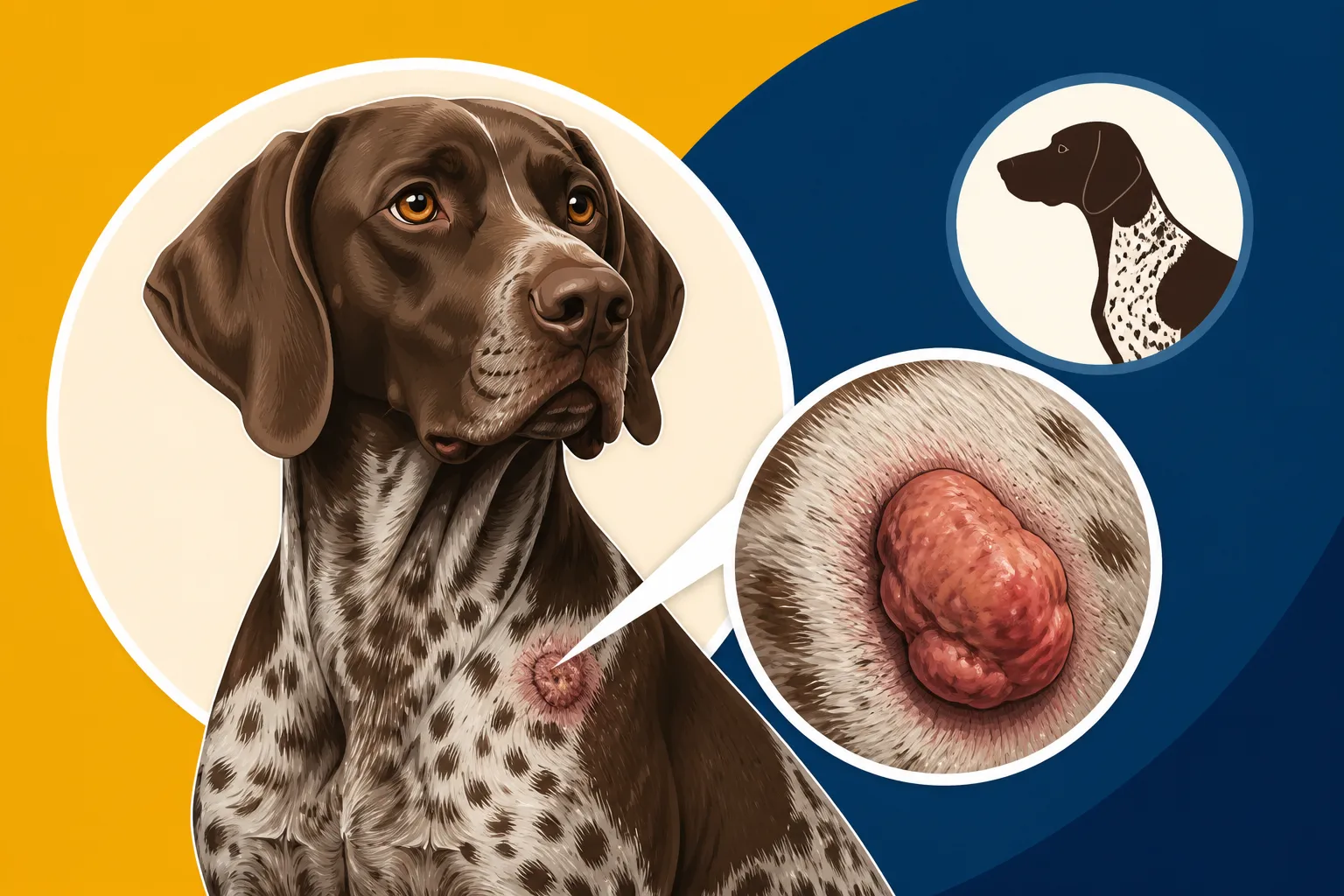
The Skin Tumors Shorthairs Get Younger Than Most
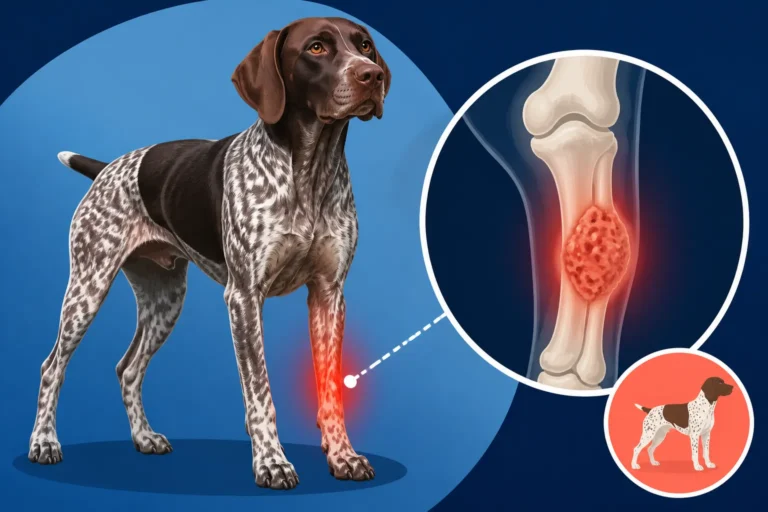
Finding a lump on your beloved German Shorthaired Pointer is always a heart-stopping moment, and it can be especially confusing and unsettling when your dog is still young. You might think, "They're just a puppy, or barely out of their adolescent phase, how can this be happening?" It’s a valid concern, as GSPs, unfortunately, seem to be predisposed to developing various skin tumors at a younger age than many other breeds. This comprehensive guide will walk you through why these lumps appear, what to look for, how vets approach diagnosis, and the treatment options available, helping you navigate this often-stressful situation.
Why German Shorthaired Pointers Seem to Get Lumps So Early
It’s a common frustration among GSP owners – these dogs are vibrant, active, and full of life, yet many of them seem to develop skin growths at an age when other breeds are still considered youthful and largely free from such issues. It's not just bad luck; there are some inherent factors that contribute to this phenomenon in our beloved shorthairs.
The Genetic Predisposition in the Breed
Just like certain human families might be more prone to specific conditions, German Shorthaired Pointers carry a genetic blueprint that unfortunately seems to increase their risk for certain types of skin tumors, even when they’re quite young. This isn't to say every GSP will develop a lump, but the breed as a whole has a higher incidence compared to some others. Breeders work hard to screen for many hereditary conditions, but some predispositions are more subtle and complex. For instance, specific genetic markers have been researched in relation to mast cell tumors in several breeds, and while the exact mechanisms are still being fully understood for GSPs, anecdotal and statistical evidence suggests a heightened susceptibility. This genetic lottery means that even with the best care and nutrition, a GSP might still face these challenges earlier than expected, which can feel incredibly unfair.
It's a tough pill to swallow when you realize that some of these issues are simply "baked in" to the breed's genetic makeup. We often hear about predispositions to things like Hip Dysplasia in a Hard Running German Shorthaired Pointer or The Bloat Risk a Shorthair Carries Into Every Season, but skin tumors can feel a bit more insidious because they often appear without obvious cause. The short, dense coat of a GSP, while beautiful and functional for field work, can sometimes make early detection of small bumps tricky, especially if you’re not regularly running your hands over every inch of your dog's skin. The underlying genetics means that the cellular processes that lead to tumor formation might just be more active or less controlled in a GSP’s tissues compared to a breed without that particular predisposition. This is why vigilance is key from puppyhood throughout their entire lives.
Active Lifestyle and Environmental Factors
German Shorthaired Pointers are, by their very nature, incredibly active dogs. They're bred to cover vast amounts of ground, crashing through dense cover, swimming in ponds, and exploring every scent trail. This adventurous lifestyle, while fulfilling for them, unfortunately exposes their skin to a myriad of environmental irritants and potential traumas. Think about all the scratches from thorns, scrapes from branches, insect bites, and prolonged exposure to sun, especially on areas with sparse hair or white markings. Each one of these minor traumas or irritations could theoretically trigger an abnormal cellular response in a genetically predisposed dog. It's not necessarily that one specific injury causes cancer, but rather that chronic irritation or inflammation might create an environment where cells are more likely to mutate or proliferate unusually.
Consider a GSP that spends its days exploring brushy fields in the summer. They might get repeated insect bites, minor cuts, or even sustained pressure on certain areas from harnesses or vests. These aren't just cosmetic issues; they are interactions with the environment that their skin is constantly adapting to. While a dog's skin is remarkably resilient, this constant barrage of stimuli can be a factor. Owners might notice Hot Spots on a Shorthair After Swimming or Environmental Allergies in a Shorthair That Works Cover, and these chronic inflammatory conditions can potentially increase the risk of cellular changes over time. Additionally, a GSP's love for water means their skin is frequently wet and drying, which can also impact its protective barrier. It’s a double-edged sword: their ideal life involves these activities, but those activities carry some intrinsic risks for their skin health.
The Role of Short Coats in Early Detection
One might assume that a short-coated breed like the German Shorthaired Pointer would make lumps easier to spot. In some ways, this is true – you don't have a thick, long coat to obscure a golf-ball sized growth. However, this short coat can also be a disadvantage in terms of early detection for smaller or flatter lesions, and it certainly plays a role in environmental exposure. A GSP's sleek, close-lying coat offers less physical protection than a dense, double coat or a longer, thicker outer coat found on other sporting breeds. This means their skin is more directly exposed to UV radiation, abrasions, and irritants.
What's more, the lack of substantial hair can sometimes make a lump blend in more with the contours of their lean, muscular bodies, especially if it's on the chest, flank, or legs. You really have to be intentional about running your hands over their entire body, feeling for any subtle changes. Many GSP owners discover lumps only during a vigorous petting session, or when bathing their dog, because their short hair doesn't "part" to reveal a growth like it might on a longer-haired breed. It's a bit of a paradox: easy to see large obvious growths, but perhaps easier to miss small, early-stage ones that are still relatively flat. This is particularly crucial for malignant tumors where early detection significantly improves prognosis. Regular, thorough pat-downs, even outside of formal grooming, are essential for catching anything out of the ordinary on your active shorthair.
Common Benign Skin Lumps in Young Shorthairs
Not every lump or bump is cause for panic, especially in a younger German Shorthaired Pointer. Many skin growths are completely benign, meaning they are not cancerous and typically don't spread. However, it's virtually impossible to tell the difference between a benign and malignant lump just by looking at it or feeling it. That’s why veterinary assessment is always recommended. Let's look at some of the common non-cancerous culprits.
Lipomas and Fatty Tumors
Lipomas are probably one of the most commonly encountered benign lumps in dogs, and German Shorthaired Pointers are certainly not immune. These are essentially benign tumors composed of mature fat cells. While they are more often associated with older, overweight dogs, it's not unheard of for a GSP to develop a lipoma in their younger adult years. They typically feel soft, movable under the skin, and are often somewhat "squishy" to the touch. You can usually push them around a bit. They are most commonly found on the trunk, abdomen, and upper legs.
The good news about lipomas is that they are generally harmless. They don't spread to other parts of the body, and unless they grow very large and interfere with movement or are in an area where they cause discomfort (like under an armpit), they often don't require removal. However, because they are composed of fat cells, they can continue to grow, sometimes quite significantly. If your GSP has a lipoma that is rapidly increasing in size, or if you notice changes in its texture, it's always a good idea to have your vet re-evaluate it. Sometimes, a lipoma can be confused with a more serious growth, or an infiltrative lipoma (which is still benign but grows into muscle tissue) might need different management.
Histiocytomas in Puppies and Adolescents
This is a classic "young dog" tumor, and German Shorthaired Pointers in their puppy or adolescent phases (typically under two years old) are quite prone to developing histiocytomas. These are benign tumors that arise from Langerhans cells, which are a type of immune cell found in the skin. They often appear suddenly as small, firm, raised, button-like lesions, sometimes red and hairless, and can even become ulcerated. They are most commonly found on the head, ears, and limbs. Discovering one of these can be incredibly alarming, especially when your GSP is still just a pup.
The excellent news about histiocytomas is that they almost always resolve on their own within a few weeks to a few months without any treatment. They essentially "spontaneously regress" as the immune system recognizes and eliminates the abnormal cells. While waiting for it to disappear, your vet might recommend keeping it clean and preventing your pup from licking or scratching it excessively, perhaps with a cone or protective bandage, especially if it's ulcerated. It's important to remember that while these are common and benign, a vet visit is crucial for a proper diagnosis. It’s too easy to mistake a histiocytoma for something more concerning without a definitive diagnosis like When a Lump on a Shorthair Needs a Needle Aspirate.
Sebaceous Cysts and Follicular Tumors
Sebaceous cysts are another common, benign skin lump that can appear on German Shorthaired Pointers of any age, including younger ones. These occur when a sebaceous gland (which produces oil for the skin and hair) or a hair follicle becomes blocked, leading to a build-up of secretions under the skin. They often feel like a firm, round lump, and sometimes, if they rupture, they can exude a cheesy or cottage cheese-like material. These are not true tumors but rather blockages. Similarly, benign follicular tumors arise from hair follicles and can also appear as firm, small lumps under the skin.
While sebaceous cysts and benign follicular tumors are generally not dangerous, they can sometimes become irritated, infected, or rupture, leading to inflammation and discomfort. If a cyst ruptures, it can cause a local inflammatory reaction. In such cases, your vet might prescribe antibiotics or anti-inflammatory medication. For chronically problematic or repeatedly infected cysts, surgical removal might be recommended. The short coat of a GSP can sometimes make these less noticeable until they become larger or inflamed, making regular hands-on checks important. If you find something that feels like a small, firm pea under the skin, it could very well be one of these common and usually harmless bumps.
The More Concerning Malignant Skin Tumors
While we always hope for a benign diagnosis, it's crucial to be aware of the more serious types of skin tumors that German Shorthaired Pointers can develop, sometimes at a surprisingly young age. These are the ones that require prompt and decisive veterinary intervention.
Mast Cell Tumors: A Shorthair's Specific Risk
Mast cell tumors (MCTs) are unfortunately one of the most common malignant skin tumors in dogs, and German Shorthaired Pointers have a recognized predisposition to them, often developing them younger than the typical age range seen in other breeds. These tumors originate from mast cells, a type of immune cell found throughout the body, particularly in the skin. Because these cells are involved in allergic reactions, MCTs can be unpredictable in appearance and behavior. They can look like anything from a wart to a small, firm lump, or even a soft, fluctuating mass. They can appear anywhere on the body, though common sites include the trunk, limbs, and perineal region.
The unpredictable nature of MCTs is what makes them so concerning. Some are low-grade and slow-growing, while others are aggressive and can spread rapidly to lymph nodes, spleen, liver, and bone marrow. They can also "degranulate," releasing histamine and other inflammatory mediators, leading to local swelling, redness, and itching, known as Darier's sign, or even systemic issues like gastrointestinal ulcers. This is why a prompt diagnosis is absolutely critical. If your vet suspects an MCT, they will likely recommend a fine needle aspirate (FNA) or biopsy. Early and complete surgical removal with wide margins is often the cornerstone of treatment for many MCTs. To learn more about where they typically show up, you can read our detailed post on Mast Cell Tumors and Where They Appear on a Shorthair. Insurance providers like Healthy Paws can be incredibly helpful in offsetting the significant costs associated with diagnosing and treating these complex tumors, especially given the GSP's heightened risk.
Melanomas and Pigmented Lesions
When we think of melanoma, we often think of dark, pigmented lesions. While this is often the case in dogs, canine melanomas are a bit more varied than in humans and can actually be unpigmented (amelanotic), making them harder to identify. German Shorthaired Pointers, especially those with significant liver or black markings, can develop these. Melanomas most commonly occur in highly pigmented areas like the mouth, nail beds, footpads, and eyes, but they can also appear on the skin. While benign melanocytomas are common, particularly on the trunk in older dogs, malignant melanomas, especially in certain locations or with rapid growth, are highly aggressive and can metastasize quickly.
If you find a dark, suspicious lesion, particularly on a toe or within the mouth, it needs immediate veterinary attention. The appearance can vary greatly: some are raised, firm nodules, while others are flatter and more diffuse. Any change in size, shape, or color of a pigmented lesion should be evaluated. Diagnosis usually involves a biopsy to determine if it's benign or malignant. For malignant melanomas, aggressive surgical removal is often the first line of defense, sometimes followed by radiation therapy or immunotherapy. Due to the high metastatic potential, early detection for these specific tumors is paramount.
Squamous Cell Carcinomas, Especially in Sun-Exposed Areas
Squamous cell carcinoma (SCC) is another malignant skin tumor that, while often seen in older dogs, can affect younger German Shorthaired Pointers, particularly those with less pigmentation on their noses, eyelids, or ears. This cancer is strongly linked to sun exposure, so GSPs with white markings or pink skin on their nose and eyelids are at a higher risk, especially if they spend a lot of time outdoors in sunny climates. The short, thin coat offers little protection against UV radiation, making them more vulnerable to Sun Damage on a White Marked German Shorthaired Pointer. These tumors typically appear as firm, raised, often ulcerated lesions that don't heal. They can resemble a wart, a non-healing sore, or a crusty patch.
Common locations for SCCs include the nasal planum (top of the nose), ear tips, eyelids, and areas of the abdomen or inner thighs where hair is sparse. While less prone to widespread metastasis than melanoma or high-grade mast cell tumors, SCCs are locally aggressive, meaning they can invade and destroy surrounding tissues, including bone. Early detection and complete surgical removal are critical for a good prognosis. Prevention, through limiting sun exposure during peak hours and using dog-safe sunscreens on vulnerable areas, is also an important consideration for GSP owners who have dogs that enjoy being outside.
When to Worry: Spotting a Suspicious Lump
The moment you feel a lump on your German Shorthaired Pointer, a wave of anxiety can hit. It’s natural to worry, and your gut feeling is often your best guide. While only a vet can definitively tell you if a lump is benign or malignant, there are some key characteristics that should prompt you to seek veterinary attention sooner rather than later.
Size, Shape, and Growth Rate
One of the most immediate indicators of a potentially problematic lump is how it changes over time. Did it appear suddenly? Has it grown significantly in a short period? A rapidly growing lump, even if it started small, is always more concerning than one that has remained the same size for months or years. Imagine finding a small pea-sized bump on your GSP's flank; if a week later it's the size of a marble, that warrants an urgent vet visit. Similarly, if a lump has an irregular shape with undefined borders, rather than being a perfectly round, smooth mass, it raises more red flags.
Consider keeping a simple "lump log" if your GSP has multiple benign growths or if you're monitoring a new one. Jot down the date you found it, its location, approximate size (you can even trace it on parchment paper for accurate comparison!), and any other observations. This detailed history will be invaluable to your veterinarian. While some benign histiocytomas grow quickly, they also tend to regress, whereas rapid, sustained growth in other types of lumps is a strong indicator for concern. When you notice Lumps Worth Removing on a German Shorthaired Pointer, this kind of tracking can help guide the urgency of veterinary care.
Changes in Texture, Color, and Consistency
Beyond size and shape, pay close attention to the lump's physical characteristics. Does it feel hard and fixed to the underlying tissue, or is it soft and movable? Is the skin over it red, inflamed, or discolored? Does it feel warm to the touch? A lump that feels firm, hard, or deeply attached to underlying structures is generally more suspicious than a soft, freely movable one. However, even soft lumps can be malignant, such as some mast cell tumors. A sudden change in color, particularly to a darker shade, or the development of ulceration (an open sore) on the surface of the lump, are significant warning signs.
A change in consistency, such as a previously soft lump becoming hard, or a firm lump becoming squishy and then suddenly disappearing (which can happen with some cysts), should also be noted. The skin itself can also give clues; if the hair around the lump starts to fall out, or the skin becomes flaky, crusty, or discolored, these are all details to share with your vet. Remember, your GSP's short coat means you have a clearer view of the skin, so use that to your advantage for regular visual inspections in addition to tactile checks.
Pain, Itching, or Ulceration
Any lump that causes your German Shorthaired Pointer discomfort, pain, itching, or bleeding is a definite call-to-action for veterinary attention. If your GSP repeatedly licks, chews, or scratches at a specific area, and you find a lump there, it's highly indicative that the lump is bothering them. This could be due to inflammation, infection, or the nature of the tumor itself. Some mast cell tumors, for instance, can be very itchy due to histamine release. If a lump starts to ulcerate (form an open sore), bleed, or become obviously infected, it not only signals a potential problem with the lump itself but also opens the door for secondary bacterial infections.
Pain can sometimes be subtle. Your GSP might flinch when you touch the lump, or they might become lethargic, lose their appetite, or show other signs of general malaise if the tumor is causing systemic issues. Even if a lump appears benign but is causing chronic irritation or pain, your vet might recommend removal to improve your dog's quality of life. The general rule of thumb is: if you find any new lump, or if an existing lump changes in any way, or if it causes your dog any discomfort, get it checked out by your veterinarian. There's no such thing as being "too careful" when it comes to your dog's health.
The Diagnostic Journey: From Biopsy to Staging
Once you've found a suspicious lump on your German Shorthaired Pointer and brought them to the vet, the next step is typically to get a definitive diagnosis. This process can feel daunting, but understanding what to expect can help ease some of the worry.
Fine Needle Aspirate vs. Biopsy
The first line of defense in diagnosing a skin lump is usually a fine needle aspirate (FNA). This is a quick, minimally invasive procedure that can often be performed during a regular appointment without sedation, especially on a cooperative GSP. Your vet will use a small needle, similar to one used for vaccinations, to collect a sample of cells directly from the lump. These cells are then spread onto a slide and examined under a microscope, either by your vet or a veterinary pathologist. An FNA can often distinguish between benign fatty tumors (lipomas), cysts, inflammation, and some types of mast cell tumors. It's a great tool for preliminary screening.
However, an FNA isn't always definitive. Sometimes, the sample collected might not be diagnostic, or certain types of tumors, especially aggressive ones, don't exfoliate cells well, meaning the needle doesn't pick up enough representative cells for an accurate diagnosis. In these cases, or if the FNA suggests something malignant or suspicious, a biopsy is the next step. A biopsy involves surgically removing a larger piece of the tumor (incisional biopsy) or the entire tumor (excisional biopsy) and sending it to a specialized veterinary pathologist for a more thorough examination. Biopsies typically require sedation or general anesthesia, depending on the size and location of the lump. The pathologist can then determine the exact type of tumor, whether it's benign or malignant, and for malignant tumors, they can often provide a "grade" which indicates its aggressiveness. This is particularly important for things like Removing a Mast Cell Tumor From a German Shorthaired Pointer, where clear margins are critical.
Pathology Reports and Grading
Once a biopsy sample is sent off, you'll typically wait a few days to a week for the pathology report. This report is the gold standard for diagnosis and will contain crucial information. It will identify the specific type of tumor (e.g., mast cell tumor, melanoma, squamous cell carcinoma, lipoma, histiocytoma). If the tumor is malignant, the report will often include a "grade." Tumor grading is a system used by pathologists to assess how aggressive a malignant tumor is likely to behave. For example, mast cell tumors are commonly graded on a scale (often a two-tier or three-tier system) based on characteristics like cell division rate, cell appearance, and invasiveness. A higher grade typically indicates a more aggressive tumor with a greater potential for metastasis.
The pathology report will also comment on "surgical margins" if an excisional biopsy (where the entire mass was removed) was performed. Margins refer to the healthy tissue surrounding the tumor that was also removed. "Clean" or "wide" margins mean that the pathologist didn't find any cancer cells at the edges of the removed tissue, suggesting that the entire tumor was successfully excised. "Dirty" or "incomplete" margins mean that cancer cells were present at the edges, indicating that some tumor cells may have been left behind, necessitating further surgery or other treatments. Understanding this report is key to determining the best course of action for your GSP.
Imaging and Staging for Aggressive Tumors
If your German Shorthaired Pointer is diagnosed with a high-grade or aggressive malignant tumor, your vet will likely recommend further diagnostics to "stage" the cancer. Cancer staging helps determine if the cancer has spread from its original site to other parts of the body. This is a crucial step because it dictates the prognosis and the most appropriate treatment plan. For example, knowing if a mast cell tumor has spread to nearby lymph nodes or distant organs completely changes the treatment strategy.
Staging typically involves a combination of procedures:
- Lymph Node Aspiration/Biopsy: Regional lymph nodes are often the first place malignant tumors spread. Your vet might perform an FNA or biopsy of the lymph nodes closest to the tumor site.
- Abdominal Ultrasound: This imaging technique allows visualization of internal organs like the spleen and liver, common sites for metastasis, particularly with mast cell tumors.
- Thoracic Radiographs (X-rays): Chest X-rays are used to check for any signs of tumor spread to the lungs.
- Bloodwork and Urinalysis: These tests assess your GSP's overall health and can sometimes reveal abnormalities related to cancer or its systemic effects.
- Bone Marrow Aspiration: In some cases, particularly with certain types of lymphoma or high-grade mast cell tumors, a bone marrow sample might be taken to check for systemic spread.
The information gathered from staging provides a complete picture of the cancer's extent, allowing your veterinary oncologist to develop the most effective and personalized treatment plan for your German Shorthaired Pointer. It's a critical part of understanding the journey ahead.
Treatment Options and Prognosis
Receiving a cancer diagnosis for your German Shorthaired Pointer is devastating, but it's important to remember that there are often effective treatment options available, and the prognosis can vary widely depending on the type and stage of cancer. Modern veterinary medicine has made incredible strides in oncology.
Surgical Removal and Margins
For many skin tumors, particularly those that are localized and haven't spread, surgical removal is the primary and often curative treatment. The goal of surgery is to remove the entire tumor with "clean margins," meaning a border of healthy tissue around the tumor is also excised. This minimizes the chance of leaving behind any cancer cells that could lead to recurrence. For benign tumors, simply removing the visible mass is usually sufficient. However, for malignant tumors, especially those like mast cell tumors, wide and deep surgical margins are crucial. This often means removing a larger area of skin and underlying tissue than you might expect for the size of the visible lump.
After surgery, the removed tissue is always sent to a pathologist to confirm the diagnosis and, critically, to assess the margins. If the margins are "dirty" (cancer cells are found at the edge of the removed tissue), it means some cancer cells were likely left behind. In such cases, your vet might recommend a second surgery to achieve wider margins, or they might suggest adjuvant therapies like radiation. The success of surgery often depends on the tumor type, its location, and the ability to achieve those clean margins. For many GSPs, especially with early detection of low-grade tumors, surgery alone can offer a long-term cure. Pet insurance like Healthy Paws can be a lifesaver when facing potential multiple surgeries or extensive diagnostic tests.
Radiation and Chemotherapy Considerations
When surgery alone isn't sufficient, or if the tumor is in a location where wide surgical margins are impossible to achieve (e.g., on the face or a joint), radiation therapy or chemotherapy might be recommended.
- Radiation Therapy: This treatment uses high-energy radiation to destroy cancer cells. It's often used when surgical margins are incomplete, to target microscopic disease that might have been left behind, or as a primary treatment for tumors that are not surgically removable. Radiation is typically administered in multiple sessions over several weeks, requiring your GSP to be sedated for each treatment. It can be highly effective for local tumor control.
- Chemotherapy: This involves administering drugs that kill rapidly dividing cells, including cancer cells. Chemotherapy is typically used for more aggressive tumors with a high risk of metastasis, or for tumors that have already spread. It's also used for systemic cancers like lymphoma. Unlike human chemotherapy, which often aims for aggressive cures at the cost of severe side effects, veterinary chemotherapy often focuses on achieving remission and maintaining a good quality of life for your German Shorthaired Pointer with fewer debilitating side effects. Your vet will discuss the specific drugs, potential side effects, and prognosis based on your dog's individual situation. For some, like The Cancers That Turn Up Most in German Shorthaired Pointers, these therapies can significantly extend quality lifespan.
Supportive Care and Quality of Life
Beyond direct cancer treatments, supportive care is a vital component of managing a GSP with a tumor, especially if the cancer is advanced or treatment is ongoing. The focus here is entirely on maintaining your dog's comfort and quality of life. This can involve managing pain, nausea, appetite, and energy levels. Pain medication, anti-inflammatory drugs, and anti-nausea medications are common components of supportive care. Good nutrition, tailored to your dog's specific needs and appetite, is also incredibly important to maintain strength and immune function.
Your vet will work with you to ensure your German Shorthaired Pointer remains as comfortable and happy as possible throughout their treatment journey. This might include regular check-ups, adjustments to medication, and open communication about your dog's behavior and well-being. Knowing The Vet Schedule a Working Shorthair Should Keep is important, but with a cancer diagnosis, this schedule may become more frequent and intensive. The ultimate goal is to balance the pursuit of a cure or remission with ensuring that your GSP continues to enjoy their daily life, whether that means walks, playtime, or simply snuggling on the couch. Sometimes, the most loving decision is to prioritize comfort over aggressive treatment, and your veterinary team will guide you through those difficult conversations.
Living with a Shorthair Prone to Skin Tumors
Discovering one skin tumor on your German Shorthaired Pointer can be a wake-up call, but for many GSP owners, it's just the beginning. Given their breed predisposition, many will develop multiple lumps throughout their lives, some benign, some not. This means adapting your care routine to be proactive and vigilant.
Regular Skin Checks and Early Intervention
The single most important thing you can do for a German Shorthaired Pointer prone to skin tumors is to conduct regular, thorough skin checks. Make it a routine, perhaps weekly, or even daily when you're petting them. Your GSP's short coat makes this somewhat easier, but don't just glance – use your hands. Run your fingers over every inch of their body, from nose to tail, checking their head, ears, neck, chest, armpits, abdomen, flanks, legs, between their toes, and even their tail. Feel for any new bumps, lumps, scabs, or changes in existing ones. Pay attention to areas that are often missed, like the inside of the thighs or the perineum.
Don't dismiss small lumps. Even a tiny bump can be the start of something serious. If you find anything new or suspicious, mark its location (you can even shave a small patch of hair around it for easy re-identification) and schedule a vet visit. Early detection is paramount for malignant tumors, as it often leads to simpler, less invasive treatments and a much better prognosis. This proactive approach can literally save your GSP's life and improve their overall The Twelve to Fourteen Years a German Shorthaired Pointer Gets. Remember, a stitch in time saves nine, especially with these kinds of health issues.
Environmental Management and Sun Protection
While you can't change your GSP's genetics, you can manage their environment to reduce risk factors. Given the link between sun exposure and certain skin cancers like squamous cell carcinoma, especially in white-marked or sparsely pigmented areas, sun protection is a practical step. For GSPs that love to sunbathe or spend extended periods outdoors, consider applying dog-safe sunscreen to vulnerable areas like the bridge of the nose, ear tips, and thin-haired areas of the abdomen. Limiting sun exposure during peak UV hours (typically 10 AM to 4 PM) can also be beneficial.
Beyond sun, consider the kind of cover your GSP is running through. While we all want our GSPs to hunt and enjoy the field, be mindful of overly thorny or abrasive environments that might cause repeated skin trauma. Thoroughly check your dog after every hunt for cuts, scrapes, and embedded debris. While these don't directly cause cancer, chronic inflammation and irritation can be a contributing factor. A good post-hunt inspection, detailed in posts like Checking a German Shorthaired Pointer Over After a Hunt, can help catch not only injuries but also new skin anomalies.
Nutrition and Immune Support
While no specific diet can prevent cancer, good nutrition plays a crucial role in overall health, immune function, and potentially in mitigating cancer risk or supporting a dog undergoing treatment. A high-quality, balanced diet appropriate for an active sporting breed like a GSP is essential. Consult with your veterinarian or a veterinary nutritionist to ensure your dog is getting all the necessary nutrients. Some owners opt for diets rich in omega-3 fatty acids, antioxidants, and other immune-supporting ingredients, often found in high-performance formulas or supplements.
If your German Shorthaired Pointer has been diagnosed with cancer, or is undergoing chemotherapy or radiation, their nutritional needs may change. They might need a more calorie-dense diet, or one that is highly palatable to encourage eating if their appetite is affected. Some specific supplements might be recommended by your vet to support their immune system or address specific issues like inflammation. While supplements are never a substitute for veterinary care, a holistic approach to your GSP's well-being, including excellent nutrition, can contribute significantly to their resilience and ability to fight disease. Always discuss any dietary changes or supplements with your veterinarian to ensure they are safe and appropriate for your dog's specific health condition.
Disclaimer
The information provided in this article is for general informational purposes only and does not constitute veterinary medical advice. Always consult with a qualified veterinarian for any health concerns or before making any decisions related to your German Shorthaired Pointer's health or treatment. The author and publisher are not responsible for any adverse effects resulting from the use of any information presented herein.