How Long a Working German Shorthaired Pointer Stays Sound
The sight of a German Shorthaired Pointer slowing down, losing that tireless drive in the field, can be truly heartbreaking for any owner who cherishes these incredible athletes. We invest countless hours into their training, conditioning, and care, dreaming of season after season of shared adventure. But the reality is, even the most robust GSP will eventually face the challenges of age or injury. This comprehensive guide is here to walk you through what it really means for a working German Shorthaired Pointer to stay "sound" throughout their career, examining the many factors that impact their longevity in the field and offering practical, empathetic advice on how to maximize those precious active years.
The Genetic Blueprint and Early Foundations of Soundness
It's easy to think of a German Shorthaired Pointer as a boundless dynamo, an energizer bunny with fur, but even these incredible dogs are built on a foundation that can have inherent strengths and weaknesses. The decisions made by breeders, and the care provided in those crucial early months, lay the groundwork for how long your GSP can truly stay sound in the field.
Understanding Genetic Predispositions in GSPs
When we talk about a dog being "sound," especially a working dog, we're not just talking about superficial health. We're delving into the structural integrity of their bones and joints, the efficiency of their organs, and the clarity of their senses. German Shorthaired Pointers, like any purebred, come with their own set of genetic predispositions that can either support a long, active career or cut it tragically short. Conditions like hip and elbow dysplasia are unfortunately common in many larger, active breeds, and GSPs are no exception. Imagine a dog whose hips are slowly grinding away, making every jump, every hard turn in pursuit of a bird, a source of pain. It's a silent battle that often goes unnoticed until it's quite advanced, especially in a dog with such a high pain tolerance and desire to please. This is why understanding the lineage and the health clearances of your puppy's parents is paramount.
Reputable breeders will screen their breeding stock for these issues. They'll have certifications like OFA (Orthopedic Foundation for Animals) or PennHIP scores for hips and elbows, indicating the likelihood of their offspring developing these debilitating conditions. An OFA "Excellent" or "Good" rating on a parent's hips gives you a much better chance of getting a structurally sound puppy. Similarly, eye conditions such as cone degeneration can impair vision, making it difficult for a dog to track game in bright sunlight – a definite hindrance for a field dog. Then there are cardiac issues, like subaortic stenosis, which can affect a dog's stamina and, in severe cases, be life-threatening. A good breeder will have certifications for these as well, often part of the CHIC (Canine Health Information Center) panel. Don't underestimate the significance of these tests; they are a critical tool in assessing the potential for a long, healthy working life. We've all seen dogs whose enthusiasm for the field wanes, and sometimes, the culprit isn't a lack of desire, but a quiet, underlying discomfort rooted in their genetic makeup. You can learn more about specific requirements by reading our post on "Hips and the CHIC Panel a German Shorthaired Pointer Needs". The presence of a "The Heart Murmur a German Shorthaired Pointer Puppy Can Carry" is another concern to discuss with your veterinarian and breeder.
The Critical Role of Puppyhood and Early Development
The first year of a German Shorthaired Pointer's life is a whirlwind of growth, learning, and boundless energy. It's also a period where crucial decisions about their physical development can profoundly impact their long-term soundness. There's a persistent myth among some enthusiasts that you need to "run a puppy hard" to condition them for the field. This couldn't be further from the truth and is, frankly, dangerous. A GSP puppy's growth plates – the soft areas at the ends of their bones – aren't fully closed until they're often 12-18 months old. Excessive, high-impact exercise during this period, like long runs on hard surfaces, jumping repeatedly, or even strenuous field training, can cause irreparable damage to these delicate structures. This can lead to issues like early-onset arthritis, hip dysplasia, or torn cruciates later in life, directly impacting "Hip Dysplasia in a Hard Running German Shorthaired Pointer".
Instead, appropriate exercise for a growing GSP focuses on free play on soft surfaces, short walks, and mental stimulation. Think about letting them romp in a grassy field, chasing a thrown bumper for a few minutes, or exploring new scents. It's about building muscle and coordination naturally, without stressing their developing joints. Nutrition also plays a crucial role; feeding a high-quality puppy food specifically formulated for large breeds helps ensure a slow, steady growth rate. Overfeeding, or feeding a diet too high in calcium, can lead to excessively rapid growth, which is known to contribute to skeletal problems. Furthermore, any early injuries, even seemingly minor ones, need to be addressed promptly and thoroughly. A tweaked leg or a hard fall could lead to compensatory movements that strain other parts of the body, setting the stage for future problems. Every choice you make in that first year is an investment in their future soundness. Even considerations like "Whether Neutering Timing Changes a Shorthair's Joints" can have long-term implications for their orthopedic health.
Common Ailments That Sideline Working GSPs
Even with the best genetics and a meticulously managed puppyhood, German Shorthaired Pointers are still susceptible to a range of health issues and injuries, especially given their active, hard-charging lifestyles. These common ailments are often what ultimately brings a working career to an end, or at least significantly changes its trajectory.
Orthopedic Challenges and Joint Health
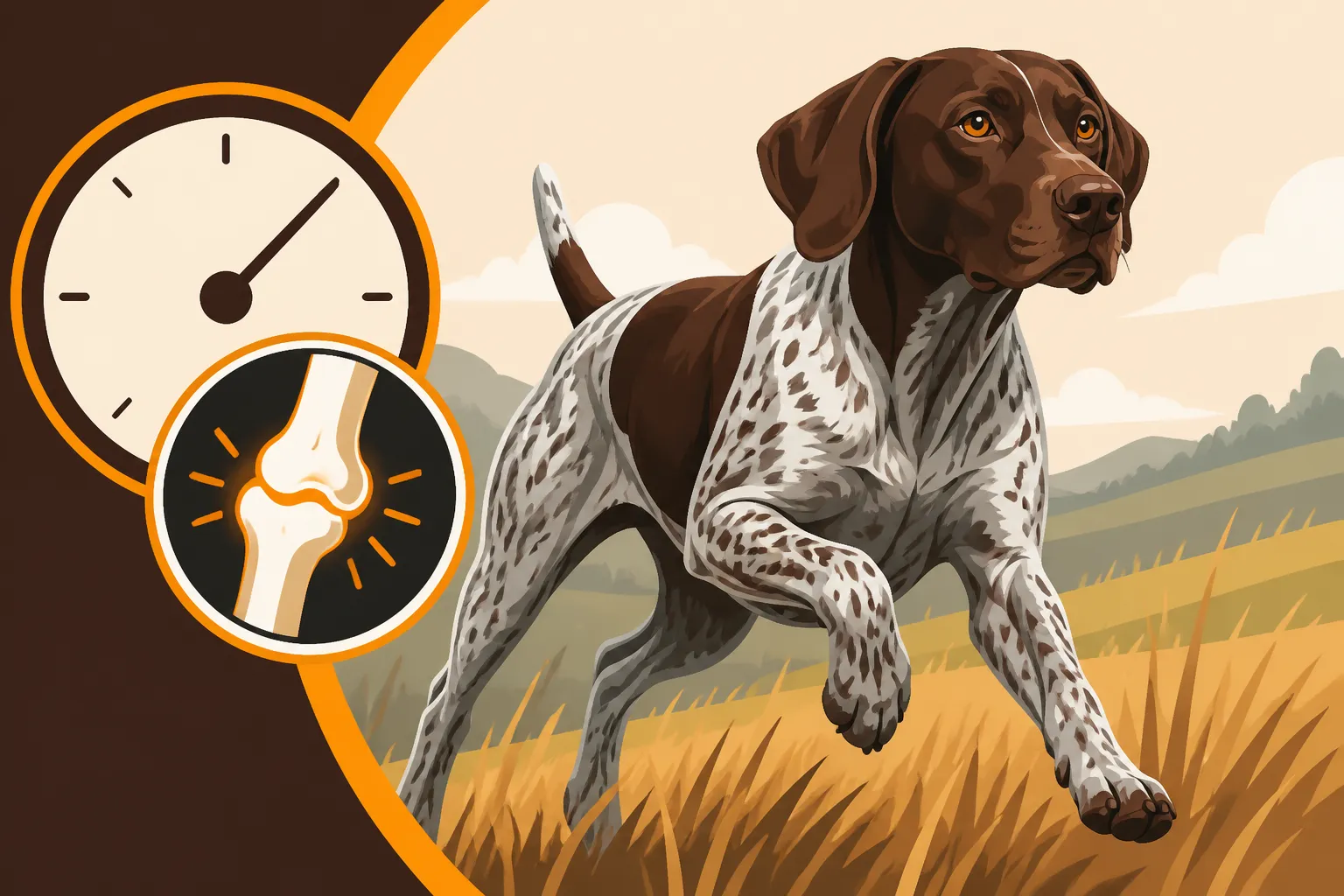
Orthopedic problems are, sadly, a common nemesis for working GSPs. Beyond the genetic predispositions we discussed, the sheer physical demands of hunting can exacerbate underlying weaknesses or lead to acute injuries. Hip and elbow dysplasia, even in mildly affected dogs, can manifest as a gradual decline in endurance, a reluctance to jump, or subtle lameness after a long day afield. Owners often report their dogs "slowing down" or "not ranging as far" – these can be the first, heartbreaking signs that their joints are starting to fail them. Then there are conditions like torn cruciates, a rupture of the ligament in the knee, which can happen suddenly during a hard turn or jump in the field. It's an excruciating injury that almost always requires costly surgery and a lengthy rehabilitation period. We have a dedicated article, "Torn Cruciates in a Field Bred German Shorthaired Pointer", that delves into this specific issue.
And as GSPs age, arthritis becomes an almost inevitable companion. You might notice your otherwise stoic dog showing stiffness after a nap, struggling to get into the truck, or becoming less enthusiastic about cold, damp mornings. Managing these conditions involves a multi-pronged approach: keeping your dog at a lean, healthy weight to reduce joint stress, incorporating joint supplements (glucosamine, chondroitin, MSM, green-lipped mussel), and exploring pain management options with your vet, from NSAIDs to laser therapy or acupuncture. The financial burden of these orthopedic issues can be staggering, with surgeries for torn cruciates often running into several thousand dollars, and lifelong medication for arthritis adding up. This is where a good pet insurance plan, such as those offered by Healthy Paws, can be an absolute lifesaver, covering a significant portion of these unexpected and often unavoidable veterinary expenses, ensuring your dog gets the best possible care without you having to choose between your wallet and their well-being. Getting ahead of arthritis is key, and understanding "Arthritis in a German Shorthaired Pointer at Eight" is crucial.
Field Injuries and Environmental Hazards
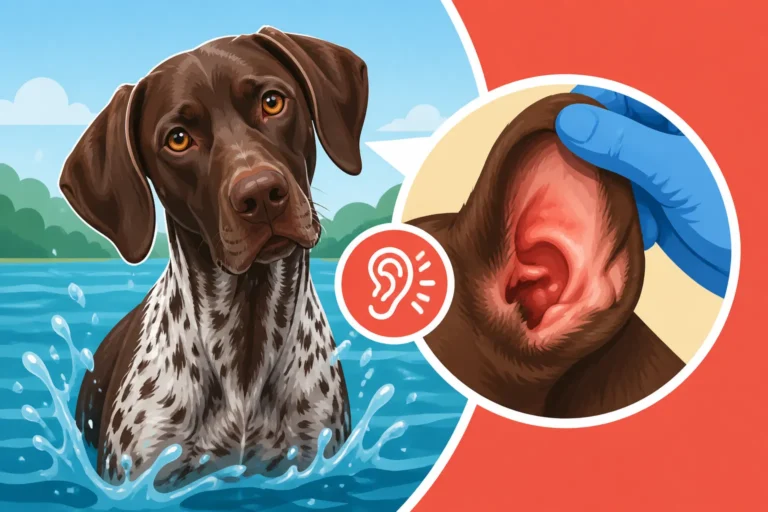
The very environments we ask our GSPs to work in are rife with potential hazards. From dense cover to rocky terrain, every hunt carries a risk of injury. Cut pads are incredibly common, especially on sharp stubble, frozen ground, or rocky areas. A deep cut can sideline a dog for weeks, requiring careful wound management and rest. Barbed wire fences, an unfortunate feature of many rural landscapes, can cause nasty lacerations that require stitches and can become infected if not treated quickly. Then there are the insidious threats like foxtails and grass awns – tiny, barbed plant seeds that can burrow into paws, ears, eyes, or even up the nose, causing intense pain, infection, and requiring surgical removal in many cases. Our article on "Foxtails and Grass Awns in a Hunting Shorthair" provides more detailed information on these dangers.
Snake bites, particularly from venomous species like rattlesnakes, are another very real danger in many hunting regions. A bite can be life-threatening, requiring immediate veterinary intervention, antivenin, and intensive care. Even seemingly minor strains or sprains can linger if not given adequate rest and recovery time, potentially leading to chronic lameness. The crucial takeaway here is vigilance. A thorough post-hunt check of your dog's paws, ears, eyes, and coat for any cuts, burrs, or embedded foreign objects is not just good practice, it's essential for detecting problems early. And always have a well-stocked canine first aid kit with you in the field. Prompt treatment can prevent a minor issue from becoming a major setback, and for severe, sudden issues, having a pet insurance provider like Healthy Paws can truly alleviate the stress of immediate, costly emergency care, letting you focus on your dog's recovery. You should also be prepared to treat "Cut Pads on a German Shorthaired Pointer After a Long Day".
Systemic Health Issues Affecting Performance
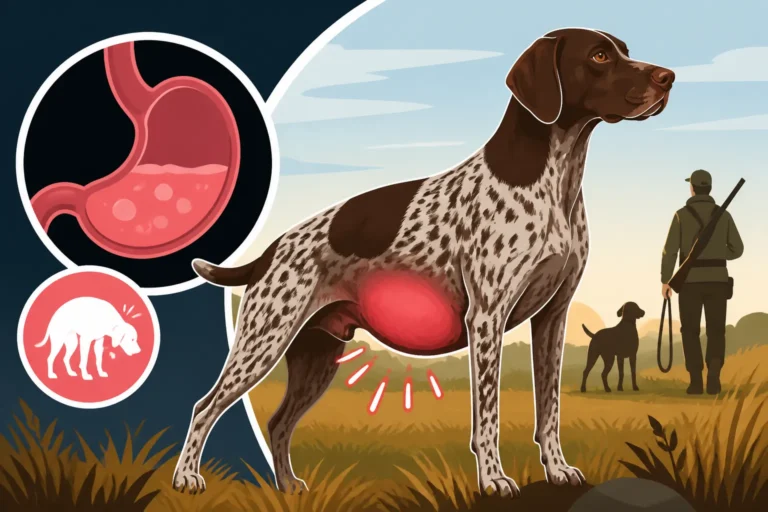
Beyond the obvious orthopedic and acute injuries, a working German Shorthaired Pointer's soundness can be subtly, yet significantly, undermined by systemic health issues. Gastric Dilatation-Volvulus (GDV), commonly known as bloat, is a terrifying and life-threatening condition that GSPs are at a higher risk for due to their deep chests. It can strike suddenly, often after intense exercise or eating, causing the stomach to twist and cut off blood supply. Even if a dog survives, the ordeal can take a significant toll on their overall health and confidence. Understanding "The Bloat Risk a Shorthair Carries Into Every Season" is crucial for prevention and quick action.
Another less dramatic but equally impactful issue can be thyroid failure, or hypothyroidism, which often appears in middle-aged GSPs. A failing thyroid can lead to weight gain, lethargy, a dull coat, and a noticeable decrease in stamina and drive – all things that directly impact a working dog's ability to perform. It's often misdiagnosed as just "getting old" until blood tests reveal the true culprit. Then there are cancers, which, unfortunately, GSPs can be prone to, sometimes appearing younger than in other breeds. Lumps and bumps should always be checked, and any changes in appetite, energy, or weight warrant a vet visit. These systemic issues might not present as dramatic lameness, but they gradually chip away at a dog's overall vitality and ability to sustain their working lifestyle. Regular veterinary check-ups are vital for early detection, as are routine blood tests for older dogs. These can catch issues like thyroid imbalance or early signs of organ dysfunction before they severely impact your dog's quality of life and working capacity. Prompt emergency care is paramount, as discussed in "Emergency Care for a Bloating German Shorthaired Pointer", and catching issues like "The Thyroid Failure in a Middle Aged German Shorthaired Pointer" early can make a huge difference.
Proactive Management and Lifestyle for Sustained Performance
Keeping a German Shorthaired Pointer sound and active in the field for as many seasons as possible isn't about luck; it's about a consistent, proactive approach to their health and well-being. It’s a year-round commitment that goes far beyond just training during hunting season.
Tailored Nutrition and Hydration Strategies
For a working German Shorthaired Pointer, food isn't just sustenance; it's fuel. Their caloric needs fluctuate dramatically between the off-season and intense hunting periods. During the height of hunting season, a hard-working GSP might need significantly more calories, often supplied through a high-quality performance kibble with appropriate protein and fat ratios. Ignoring these needs can lead to weight loss, decreased stamina, and an increased risk of injury. Conversely, in the off-season, scaling back their food intake is crucial to prevent them from becoming overweight, which puts undue strain on their joints. You can find more specific guidance in "The Daily Ration a Working Shorthair Actually Eats".
Beyond the basics, consider the role of supplements. Joint supplements, as mentioned earlier, can be beneficial for preventative care and managing early arthritis. Fish oil is excellent for skin, coat, and overall anti-inflammatory benefits. Crucially, hydration in the field is non-negotiable. GSPs run hot and hard, and dehydration can lead to heat exhaustion and serious health complications. Always carry plenty of water and offer it frequently during hunts, even if your dog seems disinterested. Electrolyte supplements can also be helpful on particularly strenuous or hot days. Think of their diet and water intake as a precision-tuned engine – get the fuel wrong, and performance suffers.
Conditioning, Training, and Injury Prevention
A German Shorthaired Pointer doesn't just "get in shape" overnight before opening day. Maintaining peak physical condition is a year-round endeavor that significantly contributes to their long-term soundness. This means a consistent conditioning program that includes diverse activities. Roading (running alongside a bike or ATV at a controlled pace on a soft surface) can build stamina and muscle without the stop-and-start impact of field work. Swimming is fantastic for cardiovascular fitness and building muscle without joint impact. Even mental stimulation through obedience drills, puzzle toys, or scent work helps keep their minds sharp and bodies engaged, preventing boredom-related destructive behaviors that could lead to injury.
Equally important are proper warm-up and cool-down routines. Just like human athletes, a GSP benefits from a gentle warm-up walk before hitting the cover hard, and a slow cool-down walk followed by a thorough check-over after the hunt. This helps prevent muscle strains and allows you to inspect them for injuries or embedded foreign objects. Protective gear, like hunting vests, can shield against thorns and burrs, while well-fitting boots can protect pads in rough terrain. Utilizing a GPS tracking collar isn't just for finding a lost dog; it allows you to monitor their range and speed, helping you gauge their exertion levels. This holistic approach to conditioning is crucial for keeping them sound for "Keeping a German Shorthaired Pointer Hunting Past Ten". Our article on "Conditioning a Shorthair Before Opening Day" offers more great advice.
Regular Veterinary Care and Preventative Measures
While field training and nutrition are vital, a robust preventative healthcare program overseen by a veterinarian is the bedrock of a long, sound working life. This goes beyond the annual shots. Regular check-ups, ideally with a vet experienced with working dogs, allow for early detection of subtle health changes that might otherwise go unnoticed. As GSPs age, yearly blood work becomes increasingly important to monitor organ function, thyroid levels, and catch potential issues before they become critical. Dental care is often overlooked but plays a huge role in overall health; neglected teeth can lead to painful infections that spread to other organs, impacting performance.
Beyond routine care, specific preventative measures can be discussed with your vet. For instance, many owners opt for a prophylactic gastropexy – a surgical procedure that tacks the stomach to the abdominal wall – to prevent bloat, often performed concurrently with a spay or neuter. This decision can be a literal lifesaver, as explored in "The Gastropexy Decision on a Hunting Shorthair". Staying up-to-date on vaccines, including those beyond the core vaccinations that might be relevant to your specific hunting areas, is also critical. These can include Leptospirosis, Lyme, or Rattlesnake vaccines, depending on your region and exposure risks. The costs associated with these preventative measures, specialist consultations, and potential emergency care can add up quickly. This is where pet insurance, such as Healthy Paws, really proves its worth. It provides a financial safety net, helping you afford the best possible care, from routine diagnostics to unexpected surgeries, without the agonizing stress of budgeting in an emergency. It allows you to prioritize your dog's health and maintain "The Vet Schedule a Working Shorthair Should Keep". We also have advice on "The Vaccines a Hunting Shorthair Needs Beyond the Core".
Recognizing the Signs of Slowing Down and Transitioning Their Role
It's a bittersweet moment for any German Shorthaired Pointer owner: noticing the undeniable signs that your tireless hunting partner is beginning to slow down. It's a natural part of life, but it doesn't make it any easier, especially when their spirit still burns so bright.
Subtle Indicators of Declining Performance
A working GSP's "never quit" attitude can sometimes mask discomfort or declining ability. They are wired to please and to hunt, often pushing through pain until it becomes impossible to ignore. This makes it crucial for us, as their owners, to be incredibly attuned to subtle changes. Don't dismiss a slight reduction in their range as just "a lazy day"; if it becomes a pattern, it could be an early sign of joint pain or reduced stamina. Watch for less enthusiastic retrieves, particularly for birds further out, or a noticeable decrease in their speed and agility over familiar terrain. Stiffness after a period of rest, a slight limp that resolves with movement, or a reluctance to jump into the truck are all red flags. Even changes in their temperament – becoming a bit more irritable, less tolerant of younger, pushier dogs, or simply seeming "down" – can be indicators of chronic discomfort.
It’s often a slow, creeping realization, not a sudden event. Keep a mental log, or even a literal one, of their performance and recovery times. Are they taking longer to bounce back after a hunt? Are they sleeping more? Are their points still intense, or do they "creep" more often? These are the quiet whispers that your dog's body is sending you, asking for a different pace. It's tough to face, but acknowledging these changes early allows you to adapt and provide comfort before their discomfort becomes debilitating. Our post on "The Age a German Shorthaired Pointer Slows in the Field" delves deeper into this transition.
Adapting Hunting Routines and Expectations
Once you recognize that your GSP is slowing, the next, often emotionally challenging, step is to adapt. This might mean shortening your hunt times significantly. Instead of an all-day excursion, perhaps an hour or two in the morning, or focusing on less demanding terrain where the cover isn't as thick or the retrieves aren't as long. For some, it might mean transitioning from wild bird hunting to more controlled hunts at a preserve, where the dogs aren't required to cover as much ground or work as hard. The goal isn't to stop them from hunting entirely, but to allow them to continue enjoying the activity they love without pushing them beyond their physical limits.
This adjustment is as much for the owner as it is for the dog. There's an undeniable grief that comes with realizing your partner's best hunting days are behind them. It's okay to feel that. But remember, their joy often comes from simply being with you in the field, working alongside you, even if the pace is gentler. Can a GSP with failing day vision still hunt? Perhaps, with careful consideration and adaptation, as discussed in our article, "Whether a Day Blind German Shorthaired Pointer Can Still Hunt". The emphasis shifts from maximizing birds in the bag to maximizing shared enjoyment and comfort. Celebrate every retrieve, every solid point, no matter how brief the outing. Read more about what to expect with "What a Ten Year Old German Shorthaired Pointer Can Still Do".
Supporting an Aging Working Dog
As your GSP transitions into their senior years, their needs change, and your role shifts to one of compassionate support and comfort. This involves both physical and mental stimulation, tailored to their new capabilities. Gentle, regular exercise, such as short, slow walks or controlled swimming, can help maintain muscle mass and joint flexibility without causing undue stress. Avoid long periods of inactivity, which can exacerbate stiffness. Mentally, they still crave engagement. Puzzle feeders, scent games in the yard, or short training sessions can keep their minds sharp and prevent boredom.
Comfort measures become paramount. Orthopedic beds, especially those with memory foam, can provide much-needed support for aching joints. Ramps for getting into vehicles or onto furniture can prevent painful jumps. Discuss pain management options with your veterinarian – this might include non-steroidal anti-inflammatory drugs (NSAIDs), joint supplements, or even alternative therapies like acupuncture or hydrotherapy. Don't underestimate the power of simply keeping them warm and dry, especially in cold weather, as cold can intensify joint discomfort. The goal is to maximize their comfort and quality of life in these golden years, ensuring they continue to feel loved, valued, and engaged, even if their days afield are fewer and slower. We have more tips on "Helping a Stiff Old German Shorthaired Pointer Get Up". It's also important to truly grasp "Knowing When an Old Shorthair Has Had Enough".
Maximizing Every Season: Strategies for a Long, Sound Career
The dream for any working German Shorthaired Pointer owner is to have them by your side in the field for as long as possible, sound in body and sharp in mind. Achieving this isn't a single action but a culmination of ongoing, intentional efforts.
The Power of Proactive Wellness Programs
True longevity in a working German Shorthaired Pointer stems from a proactive, holistic wellness program that addresses every aspect of their health. This isn't just about reacting to problems when they arise, but actively preventing them. It encompasses the rigorous genetic screening we discussed earlier, ensuring your GSP has the best possible start. It extends to the careful management of their growth as puppies, avoiding overexertion during critical developmental stages. Year-round, consistent conditioning, rather than just cramming before season, builds a resilient body. This means a balanced diet tailored to their activity level, constant access to fresh water, and appropriate joint and health supplements.
One of the most impactful proactive steps is considering preventative surgeries, like a prophylactic gastropexy, especially for breeds prone to bloat. This relatively simple procedure, often done during spay/neuter, can dramatically reduce the risk of a life-threatening emergency. Furthermore, regular physical assessments by a veterinarian who understands the demands placed on working dogs are invaluable. They can spot subtle lameness, changes in muscle mass, or early signs of systemic disease that might be missed in a standard check-up. Investing in this type of comprehensive wellness plan is an investment in years of shared adventures, giving your GSP the best chance at a long, sound working life.
Balancing Drive with Physical Limitations
Perhaps the biggest challenge with a German Shorthaired Pointer is their boundless drive and eagerness to please. This incredible trait, while making them phenomenal hunting partners, can also be their undoing. They often push through pain, fatigue, and discomfort, their intense desire to hunt masking underlying issues. It's a cruel irony that their biggest strength can sometimes lead to their detriment. This means the onus is entirely on the owner to learn to read their dog's subtle cues. A GSP might still charge out enthusiastically, but does their pace slacken quickly? Do they hesitate slightly on a jump they once cleared effortlessly? Is their tail wagging, but their ears are slightly back, signaling discomfort? These are the nuances you must learn to observe.
Making tough decisions for their well-being, even when their spirit says "go," is part of responsible ownership. This might mean fewer hunts, shorter days, or calling it quits earlier than you'd like. It's heartbreaking to cut a hunt short when your dog still wants to go, but pushing them past their physical limits can lead to more severe injuries and a much shorter overall working career. Remember, the goal is not just to get through "this season," but to preserve their health and happiness for many seasons to come. Balancing that incredible drive with realistic physical limitations is the art of guiding a GSP through a long, fulfilling working life. Understanding "The Age a German Shorthaired Pointer Is Called Senior" can help contextualize these decisions, and aiming to maximize their healthy years is paramount. The median age for the breed is discussed in "The Median Age a German Shorthaired Pointer Reaches", providing a good benchmark for expectations.
Disclaimer
The information provided in this guide is intended for general informational purposes only and does not constitute veterinary advice. Always consult with a qualified veterinarian for any health concerns or before making any decisions related to your German Shorthaired Pointer's care, diet, or exercise regimen. Individual dogs may have unique needs and conditions.