The Causes of Death Recorded in Shorthairs
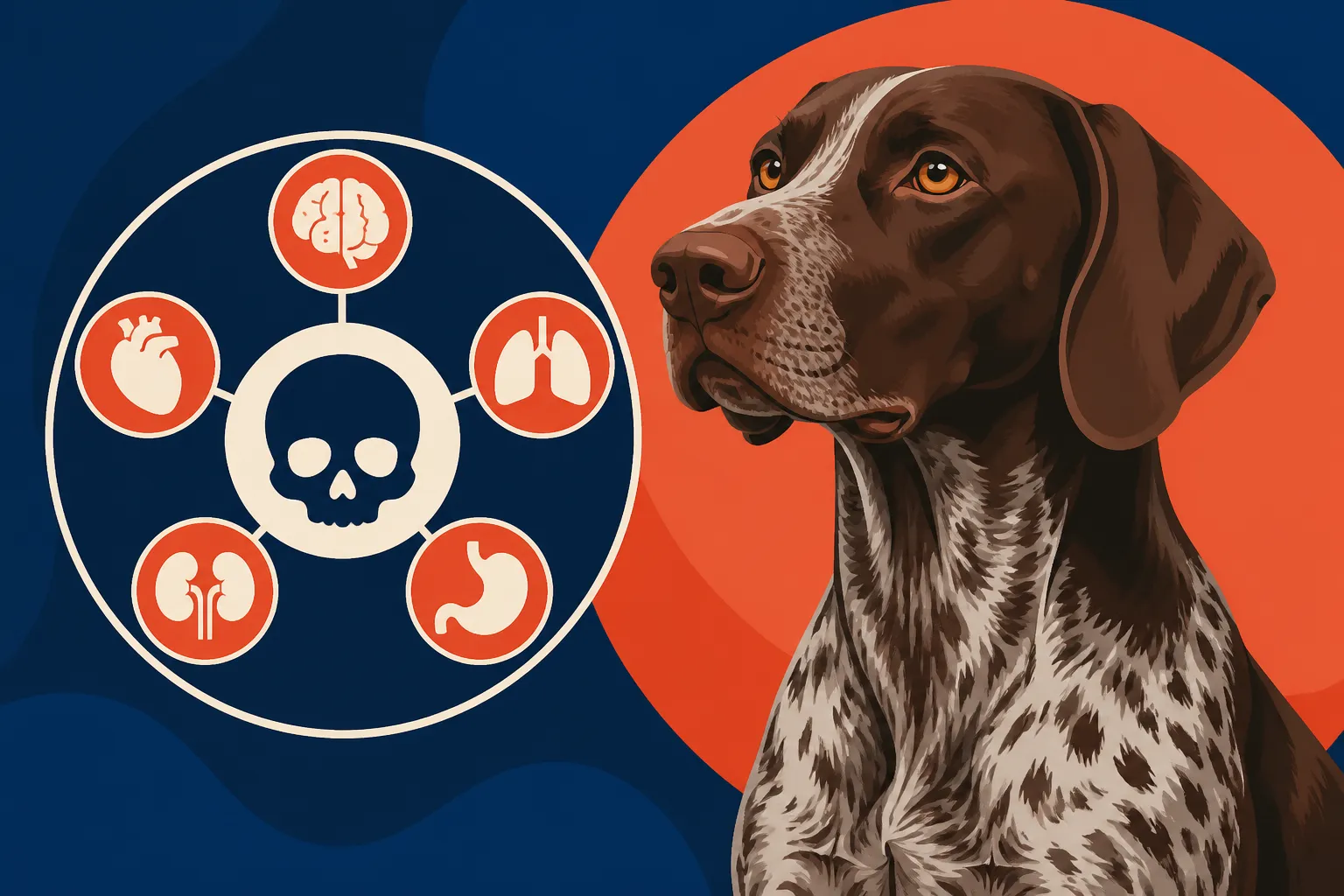
It’s a tough reality to face, but as much as we wish our beloved German Shorthaired Pointers could live forever, their time with us is finite. Losing a dog is one of the hardest parts of pet ownership, and often, we find ourselves wondering what health challenges might shorten their vibrant lives. This guide aims to shed light on the most common causes of death in German Shorthaired Pointers, helping you understand what to watch for and how to provide the best possible care for your cherished companion.
Understanding the German Shorthaired Pointer's Lifespan
Bringing a German Shorthaired Pointer into your life means welcoming an incredible amount of energy, loyalty, and joy. But with that joy comes the inevitable thought of their lifespan, and how we can maximize their health and happiness for every moment. It's a natural concern for any devoted owner.
The Average Lifespan and What Influences It
Most German Shorthaired Pointers typically live between 10 to 12 years, though some, with exceptional care and a bit of luck, can absolutely push past that, perhaps even reaching the grand old age of 14 or beyond. It’s hard not to wish for more, especially with a breed so full of life and zest. This range isn't arbitrary; it's influenced by a myriad of factors, some within our control and some unfortunately not. Think about genetics, for instance—a solid genetic foundation from responsible breeders can significantly tip the scales in your favor. But beyond that, daily nutrition, the quality and consistency of their exercise, and, crucially, the standard of veterinary care they receive throughout their lives all play monumental roles.
It's heartbreaking to consider that despite our best efforts, sometimes disease takes hold. However, understanding the average lifespan, as detailed in articles like "The Twelve to Fourteen Years a German Shorthaired Pointer Gets", gives us a benchmark. It helps us appreciate the years we have and motivates us to make each one count. Providing a high-quality diet, ensuring they get ample physical and mental stimulation, and maintaining a close relationship with your veterinarian are cornerstones of extending their healthy years.
The Role of Genetics and Responsible Breeding
When you first bring home a German Shorthaired Pointer puppy, it’s often a whirlwind of excitement. But beneath that adorable, wiggly exterior lies a genetic blueprint that will significantly dictate their health trajectory. Genetic predispositions can either set your dog up for a robust life or, sadly, for a battle against inherited conditions. This is precisely why responsible breeding practices are so incredibly vital. Breeders who prioritize health will rigorously screen their breeding stock for genetic diseases common in the breed, aiming to produce puppies with the best possible chance at a long, healthy life.
These screenings aren't just for show; they involve serious health testing. We're talking about certifications for hips and elbows to check for conditions like dysplasia, comprehensive eye certifications to rule out inherited eye diseases, and crucial cardiac clearances to screen for heart issues. These tests, often overseen by organizations like the Orthopedic Foundation for Animals (OFA) or the Canine Health Information Center (CHIC), provide valuable insights into a dog's genetic health. Understanding "The Five Tests Behind a German Shorthaired Pointer CHIC Number" can give you a clear picture of the commitment required from a responsible breeder. While genetics aren't the sole determinant of a dog's health, starting with a puppy from well-screened parents can significantly reduce the risk of inheriting conditions that could lead to an early demise.
Cancer: A Leading Threat to German Shorthaired Pointers
For many GSP owners, the word "cancer" strikes a deep fear, and unfortunately, it's a concern rooted in reality. Cancer is disproportionately common in German Shorthaired Pointers, often being one of the most frequent causes of death, sometimes even in relatively young dogs. It's a harsh truth that can leave owners feeling helpless and frustrated.
Common Cancers in the Breed
It’s truly heartbreaking to learn that our active, healthy-looking GSPs are particularly susceptible to certain aggressive cancers. This isn't just an anecdotal observation; statistical data confirms that various forms of cancer are a significant cause of mortality in the breed, often striking them younger than you might expect for other breeds. Among the most concerning types that frequently affect German Shorthaired Pointers are Hemangiosarcoma, Lymphoma, Mast Cell Tumors, and Osteosarcoma. Each of these carries its own distinct challenges and prognoses, but all demand our vigilance.
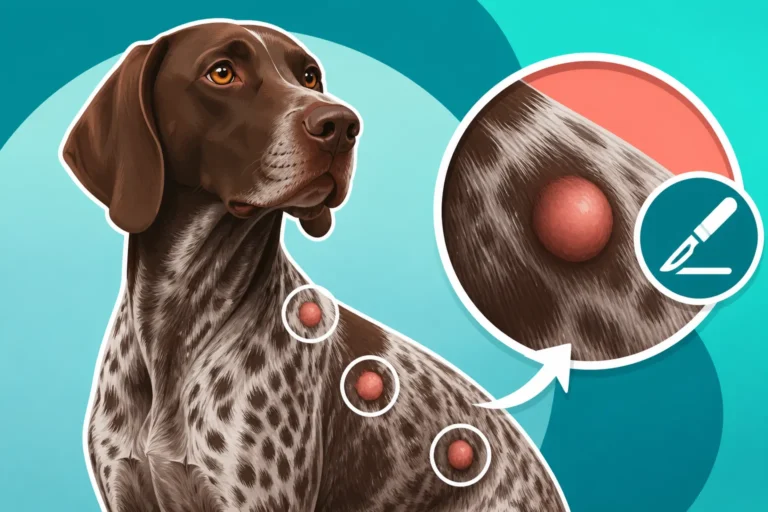
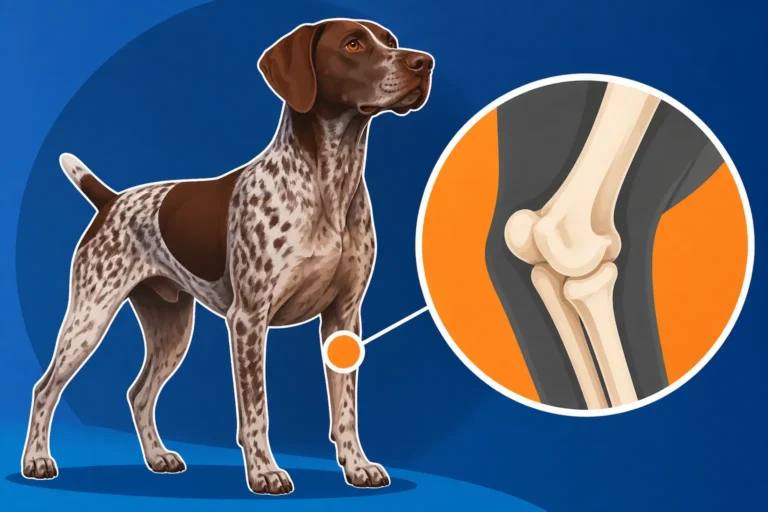
Hemangiosarcoma is a particularly insidious and aggressive cancer that originates in the lining of blood vessels. It can appear almost anywhere in the body but commonly affects the spleen, heart, or liver. The terrifying aspect is that it often shows no outward symptoms until it’s advanced, sometimes presenting as sudden collapse due to internal bleeding. Lymphoma, on the other hand, is a cancer of the lymphatic system, a crucial part of the immune system. It can manifest in enlarged lymph nodes (which you might feel as lumps under the jaw, in the armpits, or behind the knees), or it can affect internal organs, leading to more generalized signs of illness. Mast Cell Tumors are skin cancers that can vary greatly in aggressiveness, from benign to highly metastatic. You might find them as a lump on the skin, but their appearance can be deceiving, making proper diagnosis essential. Finally, Osteosarcoma, a painful bone cancer, often affects the long bones of the limbs and can lead to lameness and severe pain. For a deeper dive into these specific cancers, you might find valuable information in posts like "The Cancers That Turn Up Most in German Shorthaired Pointers" or more specifically about "Hemangiosarcoma in an Older German Shorthaired Pointer". The fear of these diseases is real, and it’s a burden many GSP owners carry.
Early Detection and Management
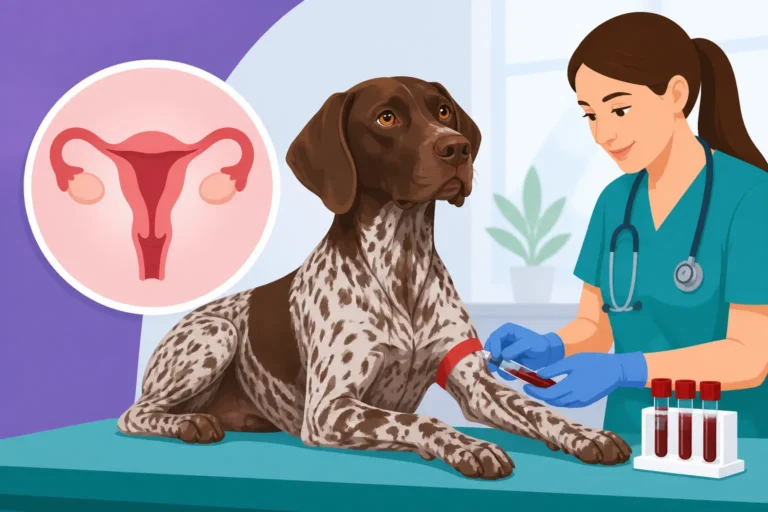
Given the prevalence and aggressive nature of cancer in German Shorthaired Pointers, early detection truly becomes your best defense. This means forging a strong partnership with your veterinarian and being incredibly observant of your dog's daily habits and physical condition. Those routine vet check-ups aren't just for vaccinations; they're critical opportunities for your vet to conduct a thorough physical exam, palpating for any suspicious lumps or changes that you might miss. It’s during these visits that important baseline bloodwork can also be done, sometimes revealing subtle shifts that warrant further investigation.
Beyond the vet's office, you are your dog's primary advocate. Regularly check your GSP for any new lumps or bumps, paying close attention during grooming sessions. Don't dismiss a lump just because it's small or soft; even seemingly innocuous growths can be serious. Other red flags to watch for include unexplained lethargy, sudden weight loss despite a good appetite, a loss of enthusiasm for activities they once loved, changes in eating or drinking habits, or persistent lameness. If you notice any of these signs, don't hesitate – get your dog examined right away. While cancer treatments can be extensive and costly, ranging from surgery and chemotherapy to radiation therapy, options do exist. This is where a robust pet insurance plan can become an absolute lifesaver. Providers like Healthy Paws can help alleviate the significant financial burden of such unexpected and intensive veterinary care, allowing you to make decisions based on your dog's well-being rather than your wallet. Knowing you have that safety net can bring immense peace of mind when facing such a daunting diagnosis.
Cardiac and Circulatory System Issues
Beyond the specter of cancer, German Shorthaired Pointers, like many athletic breeds, can also face challenges related to their heart and circulatory system. These issues can be particularly frightening because they often present acutely or with subtle signs that are easy to miss until a crisis hits.
Subaortic Stenosis (SAS) and Its Impact
One of the more concerning congenital heart defects seen in German Shorthaired Pointers is Subaortic Stenosis, or SAS. This condition means there’s a narrowing (stenosis) of the aorta just below the aortic valve, forcing the heart to work much harder to pump blood to the body. Over time, this increased workload can cause the heart muscle to thicken and eventually fail. The real tragedy of SAS is that it's often a silent killer; affected puppies can appear completely normal and healthy for months or even years before symptoms suddenly emerge.
Symptoms might include lethargy, exercise intolerance (your normally tireless GSP suddenly can't keep up), difficulty breathing, or even sudden collapse and death. The heartbreak for owners is immense because this condition can cut short the life of an otherwise vibrant young dog without much warning. Diagnosis usually begins with a veterinarian detecting a heart murmur during a routine physical exam. If a murmur is heard, further investigation is crucial, typically involving an echocardiogram, which is an ultrasound of the heart. This allows a veterinary cardiologist to visualize the heart's structure and function, confirming the presence and severity of SAS. While mild cases might live a relatively normal life with careful management, severe SAS can be incredibly devastating. You can learn more about its impact in "How Subaortic Stenosis Kills a Young Shorthair".
Bloat Gastric Dilatation-Volvulus GDV
Every German Shorthaired Pointer owner lives with a silent fear in the back of their mind: bloat. More formally known as Gastric Dilatation-Volvulus (GDV), this is an acute, life-threatening emergency where the stomach rapidly fills with gas and then twists on itself. It's not just discomfort; it's a catastrophic event that can quickly lead to shock, organ damage, and death if not treated immediately. Unfortunately, GSPs, being deep-chested, active breeds, are at a significantly higher risk for bloat than many other dogs. The frustration is that it often strikes without obvious preceding illness, turning a perfectly normal day into a desperate race against time.
Recognizing the signs of bloat is absolutely critical, as every minute counts. The most common indicators include unproductive retching (your dog tries to vomit but nothing comes up), a visibly distended or swollen abdomen (especially on the left side), pacing, restlessness, excessive drooling, pain when the abdomen is touched, and signs of discomfort or distress. If you see these symptoms, do not wait. Get your GSP to the nearest emergency veterinary clinic immediately. There is no effective home treatment for bloat; it requires urgent surgical intervention to untwist the stomach and assess for damage. Prevention strategies exist, such as feeding multiple small meals instead of one large one, avoiding vigorous exercise immediately after eating, and, most proactively, a prophylactic gastropexy. This surgical procedure permanently tacks the stomach to the abdominal wall, preventing it from twisting, though it doesn't prevent the stomach from dilating with gas. Understanding "The Bloat Risk a Shorthair Carries Into Every Season" and "Emergency Care for a Bloating German Shorthaired Pointer" can literally be life-saving knowledge.
Neurological and Autoimmune Conditions
The robust, intelligent nature of German Shorthaired Pointers makes it particularly hard when they face conditions that affect their brain or immune system. These diseases can be frustratingly unpredictable and challenging to manage, often requiring a lifelong commitment to medication and specialized care.
Seizure Disorders
It’s truly terrifying to witness your dog have a seizure for the first time. The sudden loss of control, the thrashing, foaming, and disorientation can leave you feeling utterly helpless and heartbroken. Unfortunately, German Shorthaired Pointers, like many purebred dogs, have a genetic predisposition to idiopathic epilepsy, a neurological disorder characterized by recurrent, unprovoked seizures. "Idiopathic" simply means there's no identifiable cause like a brain tumor or injury; it's thought to be primarily genetic. While not always directly fatal, severe or prolonged seizures (status epilepticus) can be dangerous, and the underlying condition certainly impacts a dog's quality of life and management requirements.
A seizure can manifest in various ways, from generalized tonic-clonic (grand mal) seizures, where the dog loses consciousness, collapses, and paddles its limbs, to focal seizures that might involve localized twitching or unusual behaviors. The period after a seizure, known as the post-ictal phase, can also be distressing, with dogs appearing disoriented, blind, or restless. Diagnosis involves ruling out other potential causes through blood tests, MRI scans, and sometimes spinal taps. Once diagnosed, idiopathic epilepsy is typically managed with anti-epileptic medications like phenobarbital or potassium bromide, which aim to reduce the frequency and severity of seizures. While it requires diligent medication schedules and close monitoring, many GSPs with epilepsy can lead full, happy lives with proper management. Learning more about "Seizure Disorders Recorded in Shorthair Lines" can help prepare owners for this possibility.
Autoimmune Diseases e.g., Hypothyroidism, Lupoid Dermatosis
Sometimes, a German Shorthaired Pointer's own immune system, designed to protect them, can mistakenly turn against their body, leading to a range of challenging autoimmune diseases. These conditions can cause chronic discomfort, frustration, and necessitate lifelong management. Two notable examples that can affect GSPs are hypothyroidism and lupoid dermatosis. When your dog is healthy, you rarely think about their immune system, but when it goes awry, the impact can be widespread and difficult to pinpoint initially.
Hypothyroidism occurs when the thyroid gland doesn't produce enough thyroid hormone, which is vital for regulating metabolism. Symptoms are often subtle and can be easily missed, including unexplained weight gain despite no change in diet, lethargy, mental dullness, and skin and coat changes like dryness, hair loss (especially on the flanks and tail), or a dull, brittle coat. Left untreated, severe hypothyroidism can lead to more serious systemic issues. Diagnosis is made through specific blood tests measuring thyroid hormone levels, and treatment is typically straightforward: daily thyroid hormone replacement medication. It's a lifelong commitment, but with proper medication, GSPs with hypothyroidism can live normal, healthy lives. You can find more details on this in "Thyroid Failure in a Middle Aged German Shorthaired Pointer".
Lupoid Dermatosis, also known as Sterile Granulomatous Dermatitis, is another autoimmune condition that primarily affects the skin. It causes progressive scaling, crusting, and hair loss, often starting on the back and spreading. The skin can become greasy, inflamed, and prone to secondary infections, causing significant discomfort and itching for the dog. Diagnosing lupoid dermatosis usually requires skin biopsies to differentiate it from other skin conditions. While there's no cure, management focuses on controlling the symptoms and immune response with various medications, including corticosteroids and other immunosuppressants, often combined with specialized shampoos and supplements. This can be a chronic, frustrating condition for both dog and owner, requiring consistent care to maintain comfort and prevent secondary problems. Delving into "Lupoid Dermatosis and a Shorthair's Scaling Skin" can provide further context for owners grappling with this challenging diagnosis.
Accidents, Injuries, and Other Health Concerns
The sheer athleticism and boundless energy of a German Shorthaired Pointer are what we adore about them. However, this very drive to run, jump, and explore also exposes them to a higher risk of accidents and injuries, especially for those who spend a lot of time in the field. Beyond acute trauma, other organ systems can also gradually fail, particularly as our GSPs age.
Field Injuries and Trauma
German Shorthaired Pointers were quite literally bred for action, eager to cover ground and plunge through heavy cover. While this makes them exceptional hunting partners and companions, it also inherently puts them at risk for a variety of field injuries and trauma. It’s a constant worry for owners who take their dogs out, knowing that a simple misstep or an encounter with unseen hazards could lead to serious trouble. These aren't just minor scrapes; we're talking about significant injuries that can severely impact their health and even be life-threatening.
Common injuries include deep cuts and lacerations from barbed wire, sharp rocks, or broken branches – often requiring immediate veterinary attention for cleaning and suturing. Fractures can occur from falls, collisions, or stepping into holes while running at full speed. Internal injuries, though less visible, can be equally devastating, resulting from blunt force trauma. Additionally, musculoskeletal injuries like torn ligaments (especially cruciate tears) are a frequent concern for such athletic dogs. Rehabilitating a GSP after something like "Torn Cruciates in a Field Bred German Shorthaired Pointer" is a long and arduous process. Immediate care at the scene of an injury, such as controlling bleeding and immobilizing a suspected fracture, can make a huge difference in the outcome. Prevention involves being aware of your environment, training a solid recall, and outfitting your GSP with protective gear like vests in dense cover. For those actively hunting, knowing about common "Field Injuries a Hunting German Shorthaired Pointer Comes Home With" is crucial for quick response.
Kidney Disease and Other Organ Failures
As our German Shorthaired Pointers gracefully transition into their senior years, the risk of organ function declining becomes a more prevalent concern. Just like in humans, the natural aging process can take its toll on vital organs, and chronic kidney disease is a particularly common and heartbreaking issue that can significantly shorten a GSP's lifespan. It's a progressive condition where the kidneys gradually lose their ability to filter waste products from the blood, leading to a buildup of toxins in the body.
The frustrating thing about kidney disease is that it often progresses silently for a long time, with dogs showing no obvious symptoms until a significant portion of kidney function is already lost. Early signs can be subtle: increased thirst, more frequent urination, decreased appetite, weight loss, and lethargy. As the disease advances, you might see vomiting, diarrhea, bad breath (uremic breath), and oral ulcers. Diagnosis is typically made through blood tests (looking at BUN, creatinine, and phosphorus levels) and urinalysis. While there's no cure for chronic kidney disease, management focuses on supportive care to slow its progression and improve quality of life. This often involves special kidney-friendly diets, fluid therapy, medications to control symptoms like nausea, and phosphorus binders. Beyond the kidneys, other organ systems like the liver or heart can also experience age-related decline or failure. Regular bloodwork, especially in older GSPs, is incredibly important for catching these issues early, offering the best chance for intervention and management, even if it means simply making their remaining time as comfortable as possible.
Proactive Care and Supporting Your Shorthair's Health
It's clear that German Shorthaired Pointers face a number of significant health challenges, both acute and chronic. While we can't eliminate every risk, being proactive in their care is the single most powerful tool we have to extend their healthy, happy years and mitigate the impact of disease. It truly is about being an active partner in their well-being.
The Importance of Regular Veterinary Care
Perhaps the most fundamental aspect of supporting your German Shorthaired Pointer’s health is establishing a strong, ongoing relationship with your veterinarian and sticking to a consistent schedule of regular veterinary care. It’s tempting to think that if your GSP looks healthy, a vet visit isn't necessary, but that couldn't be further from the truth. These annual or bi-annual check-ups, even when your dog seems perfectly fine, are absolutely crucial. They are far more than just getting vaccines; they are opportunities for your vet to perform a thorough physical examination, listen to their heart and lungs, palpate their abdomen, check their teeth, and assess their overall body condition.
During these visits, your vet can identify subtle changes that you might overlook at home, like a new heart murmur, a suspicious lump, or early signs of dental disease. These check-ups are also when routine preventive care, such as necessary vaccinations and parasite prevention (for fleas, ticks, and heartworm), is administered, protecting your dog from common and sometimes deadly diseases. For senior GSPs, these visits often include routine bloodwork and urinalysis, which can detect early signs of kidney disease, thyroid issues, or other age-related conditions before they become advanced. Investing in consistent veterinary care provides not just medical intervention but immense peace of mind. Knowing your "The Vet Schedule a Working Shorthair Should Keep" is up-to-date and tailored to their needs means you're actively working to catch potential problems early, often when they are most treatable.
Nutrition, Exercise, and Mental Stimulation
While veterinary care is essential, the day-to-day choices we make as owners regarding our GSP's lifestyle are equally critical for their long-term health and longevity. It’s all about creating a holistic environment that supports their unique physical and mental needs, which for a German Shorthaired Pointer, means a lot of both! Neglecting these fundamental aspects can contribute to health problems that shorten their lives.
Firstly, a balanced, high-quality diet is paramount. German Shorthaired Pointers are high-energy athletes, and their food needs to reflect that. They need a diet rich in appropriate protein and healthy fats to fuel their muscles and maintain their robust build. Feeding them correctly means understanding "Feeding a Dog That Burns What a Shorthair Burns" and adjusting their portions based on their activity level and age to maintain an ideal lean body condition. Obesity in any dog breed, including GSPs, drastically increases the risk of joint problems, heart disease, diabetes, and even certain cancers.
Secondly, consistent and appropriate exercise is non-negotiable for a GSP. These dogs are not content with a leisurely stroll around the block; they need vigorous activity, preferably off-leash running, daily. This isn't just about physical fitness; it’s about their mental well-being too. A well-exercised GSP is a happier, calmer dog, less prone to destructive behaviors or stress-related health issues. Lastly, don't underestimate the power of mental stimulation. These intelligent dogs thrive on having a job to do, whether it's obedience training, scent work, puzzle toys, or field work. A dog whose mind is engaged is less likely to develop anxiety or behavioral problems that can indirectly impact health. By diligently managing their diet, providing ample exercise, and keeping their sharp minds active, you are laying a strong foundation for a long and vibrant life.
Pet Insurance as a Financial Safety Net
Let’s be honest, few things are as stressful as facing a serious health crisis with your beloved German Shorthaired Pointer and simultaneously staring down a staggering veterinary bill. The emotional toll of your dog being ill is hard enough without the added burden of financial worry. This is where pet insurance truly shines as an invaluable financial safety net, allowing you to prioritize your GSP’s health without compromising your financial stability.
Unexpected illnesses, accidents, and chronic conditions can lead to thousands of dollars in veterinary expenses. Imagine your GSP needing emergency bloat surgery, intensive cancer treatment, or long-term medication for a neurological disorder. These costs can quickly become overwhelming. Pet insurance, from providers like Healthy Paws, is designed to help cover a significant portion of these unforeseen medical costs, often reimbursing you for a large percentage of eligible vet bills after your deductible is met. It can make the difference between having to make difficult treatment decisions based on cost and being able to choose the best possible care for your dog. Investing in a good pet insurance policy, especially for a breed with specific predispositions like GSPs, is a proactive step that can bring immense peace of mind and ensure you’re prepared for whatever health challenges your active companion might face throughout their life. It means you can focus on your dog's recovery, not the bill.
| Cause of Death | Typical Age Range of Onset | Key Signs & Symptoms |
|---|---|---|
| Cancer | Middle to Senior (5+ years) | Lumps/bumps (new or growing), unexplained weight loss, lethargy, decreased appetite, persistent lameness, vomiting/diarrhea. Specific signs vary by cancer type (e.g., sudden collapse for Hemangiosarcoma). |
| Cardiac Issues (SAS) | Young to Adult (under 5 years) | Heart murmur (often first sign), exercise intolerance, lethargy, coughing, difficulty breathing, sudden collapse. |
| Bloat (GDV) | Any age, most common in adults | Unproductive retching/vomiting attempts, visibly distended/swollen abdomen, restlessness, pacing, excessive drooling, pain, signs of distress. Rapid progression, emergency needed. |
| Kidney Disease | Senior (7+ years) | Increased thirst & urination, decreased appetite, weight loss, lethargy, vomiting, bad breath. |
| Seizure Disorders | Young to Adult (1-5 years) | Loss of consciousness, muscle tremors/paddling, drooling, disorientation, unusual behaviors. |
| Accidents/Trauma | Any age | Lacerations, fractures, internal bleeding (pain, pale gums, weakness), lameness, signs of shock. |
Disclaimer
This guide is intended for informational purposes only and is not a substitute for professional veterinary medical advice, diagnosis, or treatment. Always seek the advice of your veterinarian or other qualified animal health provider with any questions you may have regarding a medical condition. Never disregard professional veterinary advice or delay in seeking it because of something you have read in this article.