Feeding a Shorthair That Has Hunted Its Last Season
It's a bittersweet moment when your beloved German Shorthaired Pointer, the dog that has tirelessly quartered fields, busted through cover, and retrieved countless birds, finally hangs up their hunting vest for good. While their spirit might still be willing, their body tells a different story. The challenge then becomes understanding how to adjust their diet to meet the changing needs of a retired athlete, ensuring they remain healthy and comfortable in their golden years, without the high caloric demands of their working life. This guide will walk you through the essential considerations for feeding your Shorthair after they've hunted their last season, focusing on maintaining optimal health and vitality.
Understanding the Nutritional Shift in Senior German Shorthaired Pointers
When your German Shorthaired Pointer transitions from an active hunting dog to a more relaxed companion, their body undergoes significant changes that directly impact their nutritional requirements. It’s not simply about reducing their food intake; it’s about a fundamental shift in the type of fuel their body needs. This period, often around the age a German Shorthaired Pointer is called senior, usually between seven and nine years old, requires careful attention to their diet to prevent common senior health issues.
Why Their Dietary Needs Change
First and foremost, your Shorthair's metabolism naturally slows down as they age. Think of it like a finely tuned sports car suddenly being driven only to the grocery store – it doesn't need nearly as much high-octane fuel. Their energy expenditure decreases dramatically without the long hours of running, pointing, and retrieving. Where once they might have burned thousands of calories in a single day afield, now their daily activity might consist of a couple of leisurely walks and some yard time. This metabolic deceleration means that if you continue to feed the same high-performance, calorie-dense kibble designed for a working dog, you’re almost guaranteed to see unwanted weight gain.
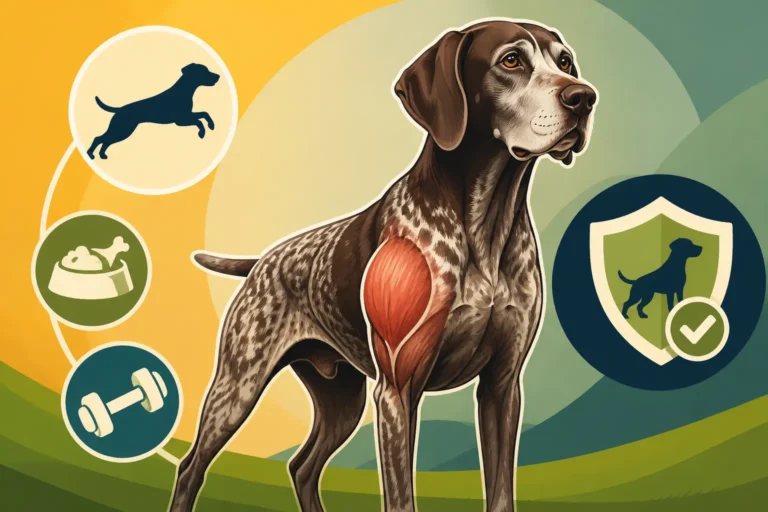
Beyond metabolism, there are other subtle changes occurring internally. Muscle mass, which is critical for supporting joints and maintaining mobility, can start to decline, a process known as sarcopenia. Meanwhile, fat stores might increase if calorie intake isn't adjusted. Hormonal shifts can also influence appetite and digestion. Their digestive system might become less efficient at absorbing nutrients, making the quality and digestibility of their food even more important. It’s a complex interplay of age, activity, and physiology that necessitates a thoughtful overhaul of their feeding regimen to ensure they remain lean and healthy. The Age a German Shorthaired Pointer Slows in the Field is often the first indicator that these changes are beginning.
Common Health Concerns Impacting Diet
As your German Shorthaired Pointer ages, they become more susceptible to certain health issues that directly influence their dietary needs. Joint problems, particularly arthritis, are incredibly common in active breeds like GSPs, especially after years of pounding the ground. If your Shorthair starts to show Arthritis in a German Shorthaired Pointer at Eight, the pain can reduce their desire to move, further lowering their calorie requirements. Diet can play a crucial role in managing inflammation and supporting joint health through specific ingredients like omega-3 fatty acids and joint supplements.
Beyond joints, organ function can begin to decline. Kidneys, for example, might become less efficient at filtering waste products, necessitating a diet with carefully controlled protein and phosphorus levels to reduce the workload on these organs. Similarly, heart health can become a concern. Some older dogs might also develop dental issues, such as tooth decay or gum disease, which can make chewing hard kibble painful, leading to a reduced appetite or difficulty eating. Thyroid Failure in a Middle Aged German Shorthaired Pointer can also impact metabolism, often leading to weight gain and lethargy, which further complicates dietary management. Addressing these health concerns through veterinary care and a tailored diet is paramount for their comfort and longevity.
Assessing Your Shorthair's Current Condition and Activity
Before making any drastic changes to your German Shorthaired Pointer's diet, it’s essential to get a clear picture of their current physical condition and actual activity level. What "hunted its last season" means can vary widely from one dog to another. For some, it might mean they're truly sedentary, while for others, it means they're still enjoying daily walks and light romps but no longer the strenuous, hours-long field work.
Evaluating Body Condition Score
The most critical step in evaluating your Shorthair's diet needs is assessing their body condition score (BCS). Unlike just looking at a number on a scale, BCS takes into account their muscle mass and fat covering. You want your retired GSP to be lean, but not emaciated, and certainly not overweight. For a working breed like a Shorthair, a lean physique has always been important, and it's even more so now to prevent extra strain on aging joints. You should be able to easily feel their ribs with a slight layer of fat over them, but not see them sharply protruding. Their waist should be clearly visible when viewed from above, and there should be an abdominal tuck when viewed from the side.
To perform a hands-on assessment, run your hands along their sides. You should feel the ribs distinctly without having to press hard. Next, feel along their spine and hip bones; these should also be palpable but not sharp or prominent. If you're struggling to feel the ribs or their waist has disappeared, your Shorthair is likely carrying too much weight. Conversely, if their ribs, spine, and hip bones are very prominent, they might be too thin. This assessment helps determine if you need to decrease calories, increase calories, or simply maintain their current intake while adjusting the nutrient profile. A proper The Body Condition a Field Shorthair Should Carry in their prime will differ from their senior ideal, but lean is always best.
Observing Energy Levels and Exercise Tolerance
"Hunting its last season" is a phrase that signals a significant drop in intense, sustained activity. However, it doesn't usually mean zero activity. Your Shorthair will still have an innate desire to move, explore, and be with you. Pay close attention to their daily routine:
- How long are their walks now? Are they still brisk, or more of a sniff-and-amble?
- Do they still engage in short bursts of play, like retrieving a tennis ball in the yard, or are they content to nap more?
- How quickly do they tire during these activities? Do they need more rest breaks?
A Shorthair who still enjoys a couple of longer walks a day will have different caloric needs than one who mostly lounges. For example, a senior GSP that still enjoys a brisk 45-minute walk twice a day is burning more calories than one whose walks are 15 minutes around the block. You're trying to match their energy intake to their actual energy output, not their youthful peak. This assessment will help you dial in the appropriate portion size for their new lifestyle. It also helps you appreciate what What a Ten Year Old German Shorthaired Pointer Can Still Do might look like in your individual dog.
Choosing the Right Senior Dog Food for Your German Shorthaired Pointer
Once you've assessed your retired German Shorthaired Pointer's body condition and daily activity, the next crucial step is selecting a diet that supports their aging body. This isn't just about feeding less; it's about feeding smarter. The market offers a wide range of options, from specialized commercial senior diets to fresh food services and even carefully prepared homemade meals.
Key Ingredients and Nutrient Profiles
When looking for a senior dog food, you're essentially seeking a diet that is tailored to support a slowing metabolism and address common age-related health concerns. The ideal senior diet for a German Shorthaired Pointer will typically feature:
- High-Quality, Moderate Protein: While there's an old myth that older dogs need less protein, research suggests that adequate, high-quality protein is vital for maintaining lean muscle mass, especially to combat sarcopenia. However, if your Shorthair has kidney issues, your vet might recommend a diet with lower, but still highly digestible, protein and carefully controlled phosphorus levels. Aim for protein sources like chicken, beef, lamb, or fish.
- Reduced Fat Content: With less activity, your Shorthair simply doesn't need as many calories from fat. A lower fat content helps prevent unwanted weight gain. However, healthy fats, particularly omega-3 fatty acids from fish oil, are incredibly beneficial for reducing inflammation, supporting joint health, and promoting a healthy skin and coat. You might find some excellent options through retailers like Chewy that clearly list their fat content.
- Increased Fiber: Older dogs can sometimes experience digestive issues like constipation. A moderate increase in dietary fiber can promote healthy digestion and gut motility, helping to keep things moving smoothly.
- Joint Support Supplements: Look for foods that are fortified with glucosamine and chondroitin. These are the building blocks of cartilage and can help support joint health, potentially easing discomfort from arthritis. While these are often included in senior formulas, additional supplementation might still be beneficial, a topic we'll cover later. Joint Supplements for a Hunting German Shorthaired Pointer are even more critical when they're no longer working.
- Antioxidants and Brain Support: Ingredients like Vitamin E, Vitamin C, beta-carotene, and omega-3s can act as antioxidants, combating cellular damage and supporting cognitive function. Some senior diets might also include ingredients like MCTs (medium-chain triglycerides) to support brain health.
You'll often find that the monthly cost for a hard-working Shorthair's performance kibble can be substantial. When transitioning to a senior diet, while the overall quantity might decrease, the quality of ingredients often means the per-bag price might not drop as much as you'd expect.
Commercial Senior Diets vs. Fresh/Homemade Options
The market offers various approaches to feeding your senior GSP:
Commercial Senior Dog Foods: These are often the most convenient and well-resealed option. Major pet food brands offer "senior," "mature," or "active senior" formulas. These diets are typically formulated to address the nutritional shifts we've discussed, with appropriate protein-to-fat ratios, added joint supplements, and antioxidants. When selecting a commercial kibble, always look for an AAFCO statement confirming that the food is complete and balanced for "adult maintenance" or "all life stages including large breed adults." Brands available on Chewy or Amazon often have detailed ingredient lists and nutritional analyses that can help you compare options.
Fresh/Pre-Portioned Diets: Services like Ollie deliver fresh, human-grade meals directly to your door, portioned specifically for your dog's weight, age, and activity level. These can be an excellent option for older dogs, as the food is often more palatable, easier to digest, and made with whole ingredients. This can be especially helpful if your senior Shorthair has a reduced appetite or dental issues. The recipes are typically balanced by veterinary nutritionists, ensuring your dog gets all the necessary nutrients without you having to formulate them yourself. The downside is that they can be significantly more expensive than traditional kibble.
Homemade Diets: For some owners, preparing homemade meals offers the ultimate control over ingredients. This can be particularly beneficial for dogs with specific allergies, sensitivities, or complex health conditions requiring highly tailored diets. However, homemade diets come with a significant caveat: they must be balanced by a board-certified veterinary nutritionist. Randomly throwing together ingredients can lead to serious nutrient deficiencies or excesses over time, which can be detrimental to an aging dog's health. While you might source ingredients from your local grocery store or even through Amazon for specific supplements, the formulation expertise is non-negotiable for safety and efficacy.
| Diet Type | Pros | Cons |
|---|---|---|
| Commercial Kibble | Convenient, cost-effective, readily available, typically vet-approved formulations for seniors. | Less palatable for some picky eaters, can contain fillers, less control over individual ingredients, some dogs struggle with digestibility. |
| Fresh/Pre-portioned | Highly palatable, human-grade ingredients, custom-portioned, often easier to digest, minimal preparation. | Higher cost, requires refrigeration/freezing, limited brand selection compared to kibble, relies on third-party preparation. |
| Homemade (Vet-formulated) | Complete control over ingredients, highly customizable for specific health needs, often very palatable. | Requires significant time and effort for preparation, must be balanced by a veterinary nutritionist (crucial to avoid deficiencies), ingredients can be costly. |
Transitioning and Monitoring the New Diet
Changing your German Shorthaired Pointer's diet, especially in their senior years, requires a gentle approach. Their digestive system might not be as resilient as it once was, and abrupt changes can lead to stomach upset. Moreover, monitoring their response to the new food is crucial for ensuring it's truly meeting their needs.
Gradual Introduction and Observation
The golden rule for any diet change is to do it gradually, typically over 7-10 days. This allows your Shorthair's digestive system to adapt to the new ingredients without becoming overwhelmed. Start by mixing a small amount of the new food with their old food, gradually increasing the proportion of the new diet while decreasing the old.
Here's a general guideline:
- Days 1-2: 75% old food, 25% new food
- Days 3-4: 50% old food, 50% new food
- Days 5-6: 25% old food, 75% new food
- Day 7+: 100% new food
During this transition period, pay close attention to your Shorthair's stool consistency. Any signs of diarrhea or severe constipation mean you're going too fast. If this happens, slow down the transition, holding at the current ratio for a few extra days or even reverting to a previous stage until their system settles. You should also observe their appetite and energy levels. Are they eating readily? Do they seem to enjoy the new food? Are there any changes in their thirst? These observations provide valuable feedback on how well the new diet is being received. Even seemingly minor changes, like Loose Stools in a German Shorthaired Pointer, warrant attention.
The Importance of Regular Vet Check-ups
Even with the best intentions and a carefully chosen diet, a senior German Shorthaired Pointer needs consistent veterinary oversight. Regular check-ups are paramount, ideally twice a year, as health conditions can develop or progress quickly in older dogs. During these visits, your vet will perform a thorough physical examination, assess their body condition, and discuss any changes you’ve observed at home.
Crucially, these visits should include routine bloodwork and urine tests. These diagnostic tools allow your vet to assess organ function (kidneys, liver, thyroid), screen for underlying diseases, and catch potential issues early, often before clinical signs become apparent. For example, early kidney disease might necessitate further dietary modifications that you wouldn't know about without blood test results. Your vet can also help interpret their The Weight a Male German Shorthaired Pointer Should Hold or The Forty Five to Sixty Pounds a Female Shorthair Carries relative to their age and current muscle mass. The insights from these tests can guide further dietary adjustments, ensuring your Shorthair's food continues to support their health as they age. Bloodwork Worth Running on an Older Shorthair should become a standard part of their senior care routine.
Hydration and Supplements for the Aging German Shorthaired Pointer
Beyond the core diet, two often-overlooked aspects of senior German Shorthaired Pointer care are hydration and targeted supplementation. As dogs age, their sensation of thirst can diminish, and their bodies may become less efficient at retaining water. Meanwhile, specific supplements can provide crucial support for their joints, cognitive function, and overall vitality, making their golden years more comfortable.
Ensuring Adequate Water Intake
Hydration is critical for every bodily function, and it becomes even more vital as your Shorthair ages. Older dogs are more prone to dehydration, which can exacerbate existing health conditions, particularly kidney issues. Sometimes, they simply don't drink enough on their own. This is where you, as their owner, can step in to encourage more water consumption.
Here are some tips to boost your senior Shorthair's water intake:
- Multiple Water Bowls: Place several fresh water bowls around the house in easily accessible locations. Some older dogs might find it uncomfortable to navigate stairs or travel long distances for a drink.
- Water Fountains: Running water can be more appealing to some dogs. A pet water fountain encourages continuous drinking.
- Add Water to Food: Mixing warm water or a low-sodium bone broth into their kibble or fresh food can significantly increase their daily water intake and make their meal more palatable, especially if they have dental issues.
- Ice Cubes: Many dogs enjoy crunching on ice cubes, which can be a fun way to get more water into them, particularly on warmer days.
- Canned Food: If you're feeding kibble, consider mixing in a small amount of wet senior dog food. Canned food has a much higher moisture content.
Always ensure their water bowls are clean and filled with fresh water. A simple measure like this can make a profound difference in their overall health and comfort. Remember Whether a Shorthair Drinks Enough on Its Own is often a concern, and it's your job to facilitate access.
Targeted Supplements for Joint and Cognitive Health
Even if your chosen senior dog food is fortified with some beneficial ingredients, additional supplements can often provide a more concentrated and therapeutic dose, especially for specific age-related concerns. These are not a replacement for a balanced diet or veterinary care but rather a complementary support system. Many of these supplements can be conveniently purchased through Amazon or local pet supply stores.
- Joint Supplements (Glucosamine, Chondroitin, MSM): These are perhaps the most common supplements for aging dogs. Glucosamine helps repair and maintain cartilage, while chondroitin gives cartilage elasticity and shock-absorbing properties. MSM (methylsulfonylmethane) is often included for its anti-inflammatory properties and pain relief. These work synergistically to support joint health and can significantly improve comfort and mobility for a Shorthair dealing with Helping a Stiff Old German Shorthaired Pointer Get Up in the mornings.
- Omega-3 Fatty Acids (Fish Oil): High-quality fish oil, rich in EPA and DHA, is a powerful anti-inflammatory. It can help reduce pain and stiffness associated with arthritis, improve skin and coat health, and even support cognitive function. The dosage will depend on the concentration of the oil, so always follow product instructions or your vet's advice.
- Antioxidants (Vitamins C & E, Alpha-lipoic Acid): These help combat free radical damage in the body, which accumulates with age and contributes to cellular aging. Antioxidants can support overall immune health and may play a role in slowing cognitive decline.
- L-Carnitine: This amino acid plays a role in fat metabolism and energy production. While not directly a joint supplement, it can help maintain lean muscle mass and prevent fat accumulation, which is crucial for Keeping Muscle on an Aging German Shorthaired Pointer.
- Probiotics: If your senior Shorthair experiences digestive upsets or has been on antibiotics, a probiotic supplement can help restore and maintain a healthy gut microbiome, improving digestion and nutrient absorption.
Always consult your veterinarian before starting any new supplements, as they can advise on appropriate dosages and ensure there are no contraindications with any existing medications or health conditions.
Disclaimer
This article is for general informational purposes only and does not constitute professional advice. Laws, prices and regulations vary by location and change over time. Consult a qualified professional for guidance on your specific situation.