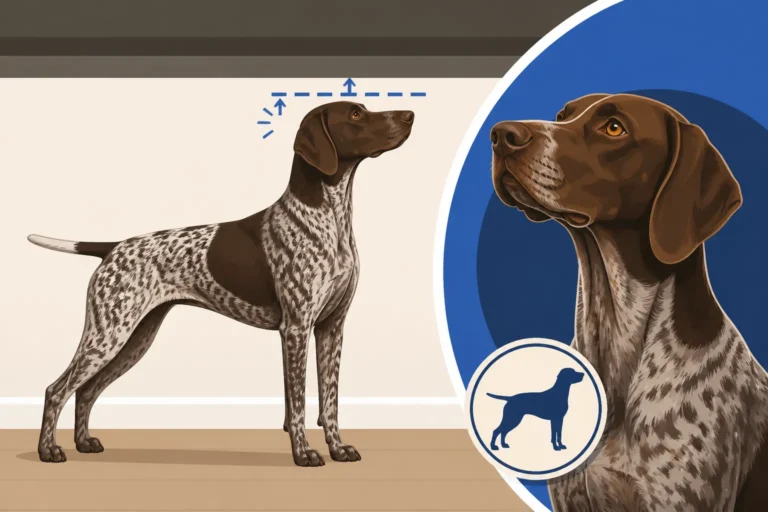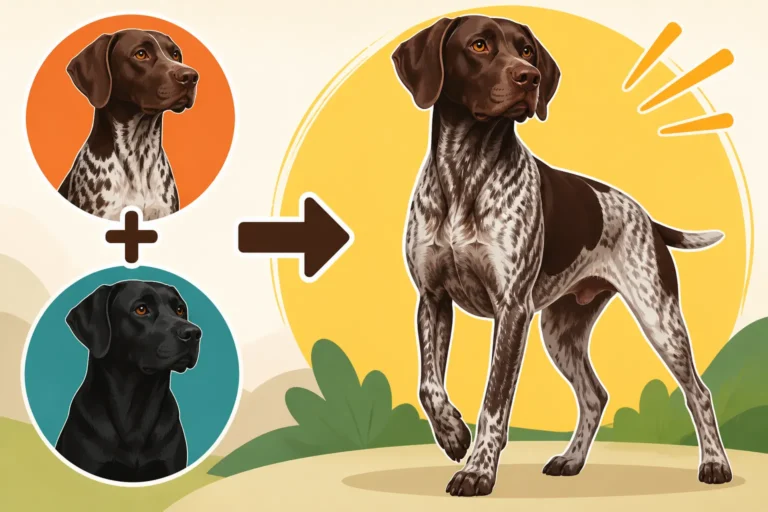
The Household a German Shorthaired Pointer Actually Fits
Bringing a German Shorthaired Pointer into your home is an exciting prospect, but the reality of their needs often catches new owners by surprise. Many people fall in love with their sleek looks and boundless enthusiasm, only to discover that managing their incredible drive and intelligence requires a specific kind of household. This guide is here to help you honestly assess whether your life truly aligns with the unique demands and immense rewards of living with a GSP, ensuring a happy and fulfilling partnership for years to come.
Understanding the German Shorthaired Pointer Temperament
Let's be real: when most people think "active dog," they imagine a good walk in the park or a solid game of fetch. A German Shorthaired Pointer laughs at that idea. Their temperament is forged from generations of selective breeding for tireless work in the field, and that fundamental drive isn't something you can simply switch off when you get home. It permeates every aspect of their being, from their need for exercise to their intense desire for companionship.
The Unmistakable Drive: More Than Just "Energetic"
Calling a GSP "energetic" is like calling a hurricane "a little windy." It's a vast understatement that doesn't capture the true depth of their drive. These aren't dogs that are content with a brisk walk around the block twice a day. They possess an innate, almost insatiable desire to run, to hunt, to explore, and to work. This isn't just physical energy; it's a mental and sensory explosion that constantly seeks an outlet. They're bred to cover vast amounts of ground, tirelessly searching for game, and that instinct doesn't disappear when they become a family pet.
What this means for a household is that you need to be prepared for more than just physical exertion. A GSP's drive extends to their powerful scenting abilities, their desire to point, and their instinct to retrieve. If these instincts aren't channeled appropriately, they don't just sit there politely. They create their own jobs, which often involve undesirable behaviors like digging up your prize-winning roses, counter surfing, or orchestrating daring escapes from seemingly secure yards. Their "energy" is really a drive for purpose, and if you don't provide it, they will find it elsewhere, much to your chagrin.
Think of it this way: a GSP isn't just an athlete; they're a highly specialized professional athlete. Asking them to live a sedentary life is like asking a marathon runner to sit on the couch all day. They're built for movement and action, and their mental well-being is intrinsically tied to having meaningful outlets for their natural capabilities. This is why understanding their drive is the first, most critical step in deciding if a GSP is for you.
The "Velcro" Dog: Affectionate, But Demanding of Presence
Beyond their physical prowess, German Shorthaired Pointers are renowned for their intensely affectionate nature, often earning them the nickname "Velcro dogs." They don't just want to be in the same room as you; they want to be on you, with you, or at the very least, touching you. This deep-seated need for connection means they thrive when integrated fully into family life, not relegated to a kennel or backyard for long stretches. They want to know what you're doing, where you're going, and how they can be a part of it.
This level of devotion can be incredibly charming and comforting, creating an unbreakable bond. However, it also comes with a significant demand for your presence. If a GSP feels isolated or ignored, even for what seems like a short time to us, it can quickly lead to distress. This isn't out of spite; it's a genuine emotional need. They thrive on interaction, snuggles, and simply being near their people. If your household is one where everyone is often out for extended periods, or where the dog is expected to amuse themselves largely independently, a GSP is likely to struggle.
The flip side of this intense bond is the potential for separation anxiety. While not every GSP develops it, their strong attachment makes them more prone to it if they're not gradually accustomed to being alone or if their needs for exercise and mental stimulation aren't adequately met. A GSP that is under-exercised and suddenly left alone for eight hours can quickly become destructive, not because they're "bad," but because their overwhelming energy and anxiety manifest in chewing, barking, or attempting to escape. They truly need to be where their people are, and a household that provides constant companionship will see the happiest, most well-adjusted GSP.
Intelligence and the Need for Mental Stimulation
It's not just about their boundless energy; German Shorthaired Pointers are incredibly intelligent dogs. They were bred to be partners in the hunt, making quick decisions, learning complex commands, and adapting to changing environments. This sharp mind requires as much exercise as their body, if not more. A GSP that isn't mentally challenged is a bored GSP, and a bored GSP is almost always a destructive GSP. They learn quickly, sometimes too quickly for their owners, figuring out how to open gates, raid pantries, or unearth treasures from the depths of your garden.
Mental stimulation can take many forms. Formal training sessions, whether for obedience, advanced tricks, or specific field work like those you'd see for the Natural Ability Test, are fantastic. Puzzle toys, scent work games (like hiding treats around the house), and even just learning new household tasks (like putting toys away) can engage their minds. Simply tossing a ball endlessly won't cut it for long; they need to think. If you're not consistently engaging their brain, they'll invent their own mental games, which usually involve problem-solving activities that lead to chaos, such as figuring out how to open a kitchen cupboard or bypass a baby gate.
For the right household, this intelligence is a massive asset. It makes them highly trainable, eager to please, and capable of learning an impressive array of commands and behaviors. They excel in dog sports like agility, obedience, and especially anything involving their natural hunting instincts. But for a family that expects a dog to just "be a dog" without investing in ongoing mental challenges, the GSP's intelligence will quickly become a liability, leading to frustration for both the dog and the owner. Providing regular, varied mental challenges is just as crucial as providing physical exercise for these brilliant dogs.
Lifestyle Considerations for GSP Ownership
Bringing a GSP into your life means committing to a lifestyle, not just adding a pet. Their needs are so intertwined with their core being that they truly require a household that can fundamentally shift to accommodate them. This isn't about minor adjustments; it's about a complete embrace of an active, engaged canine companion.
The Daily Exercise Requirement: Beyond a Walk Around the Block
When we talk about GSP exercise, we're not talking about a leisurely stroll. We're talking about serious, heart-pumping, lung-expanding activity, usually for a minimum of The Two Hours a Day a German Shorthaired Pointer Needs. This might involve off-leash running in a safe, fenced area, vigorous games of fetch or frisbee, swimming, or long sessions of roading alongside a bike. They need to genuinely run, stretch their legs, and burn off that incredible energy. Many GSP owners find that one sustained, high-intensity session is far more effective than multiple short bursts of activity.
A common pitfall for new GSP owners is underestimating this requirement. A short walk on a leash, while good for sniffing and neighborhood exploration, simply won't cut it for a GSP's deep-seated need for speed and exertion. An under-exercised GSP will manifest its pent-up energy in destructive ways indoors, from chewing furniture to incessant barking or restless pacing. They are often described as having an "off" switch that only activates after they've had a truly exhaustive workout. Until that point, they are a constantly moving, exploring, and sometimes mischievous blur.
For households with active individuals or families who enjoy outdoor sports, a GSP can be the ultimate companion. They make excellent running partners, hiking buddies, and can excel in dog sports like agility or flyball. But if your idea of daily exercise for a dog is a twenty-minute walk, or if your schedule doesn't consistently allow for dedicated, high-intensity activity, a German Shorthaired Pointer is not the right fit. Their physical and mental health depends on fulfilling this fundamental need, and anything less will lead to a frustrated dog and an even more frustrated owner.
Space Requirements: Yard Size and Indoor Management
While a sprawling backyard is certainly a bonus for a German Shorthaired Pointer, it's a common misconception that yard size alone determines a GSP's happiness. A large yard without purposeful exercise will still lead to a bored dog. Conversely, a dedicated owner can manage a GSP in a smaller living space, provided they are committed to providing ample off-site exercise. That said, a very small apartment lifestyle would be an extreme challenge for most GSPs, making you question Whether a Shorthair Fits a House With No Yard.
The key isn't just space, but management of that space, both indoors and out. If you have a yard, it absolutely must be securely fenced. A GSP's prey drive and desire to roam mean they are master escape artists, and a simple picket fence or an open gate is an invitation for an adventure. They can jump, dig, and even scale fences if motivated. Indoors, managing a GSP means accepting that they are large, enthusiastic dogs. They will bounce, they will counter surf, and they will want to be in the thick of family activity. If you have delicate furnishings, precious breakables at nose-level, or a strong aversion to dog hair (despite their short coat, they do shed year-round), a GSP might test your patience.
Ultimately, the best household is one that understands space isn't just square footage, but an opportunity for engagement. A large yard is great for a game of fetch or short training sessions, but it's not a substitute for active outings. An apartment dweller needs to be even more diligent about daily long runs, dog park visits, or training classes to compensate for the lack of immediate outdoor access. It's about how you utilize whatever space you have and how committed you are to fulfilling their intrinsic need for movement and exploration, regardless of your home's footprint.
Time Commitment: Training, Socialization, and Companionship
Beyond exercise, a German Shorthaired Pointer demands a significant time investment in training, socialization, and pure companionship. These aren't dogs you can just leave to their own devices. From the moment they're puppies, they require consistent, positive reinforcement training to shape their energetic nature into a well-mannered companion. Their intelligence means they pick things up quickly, but they also get bored easily, so training sessions need to be short, fun, and varied. This commitment to ongoing training doesn't stop after puppyhood; a GSP thrives on having a job to do and continued mental engagement.
Socialization is another crucial time commitment. Exposing a GSP puppy to a wide variety of sights, sounds, people, and other friendly dogs helps them grow into confident, well-adjusted adults. Without proper socialization, their natural protective instincts or high energy can manifest as reactivity or fear. This means regular trips to dog-friendly places, puppy classes, and controlled introductions to new experiences. It's an ongoing process throughout their lives, especially for such an active and observant breed.
And then there's companionship. We've talked about them being "Velcro dogs," and this translates directly into a need for your time. They want to be with you, whether you're working in the garden, watching TV, or simply moving from room to room. A household where someone is usually home, or where the GSP can actively participate in daily life, is ideal. If you're out of the house for long hours every day, a GSP can quickly become lonely, bored, and prone to developing destructive habits or separation anxiety. They are truly family dogs, and they need a family that has the time and desire to make them an integral part of their daily routine.
Compatibility with Family Dynamics
The German Shorthaired Pointer is a loyal and loving breed, making them wonderful family companions for the right household. However, their high energy, size, and innate instincts mean that compatibility with various family members and other pets needs careful consideration to ensure harmony for all.
German Shorthaired Pointers and Children
For many families, a German Shorthaired Pointer can be an incredible companion for children, offering endless opportunities for play and creating cherished memories. They are often good-natured and tolerant, viewing kids as energetic playmates. However, it's crucial to approach this pairing with realism. GSPs are large, boisterous, and often completely unaware of their own size and strength, particularly as rambunctious puppies and adolescents. They can easily knock over a small child in their exuberance, or accidentally scratch them with a paw during an enthusiastic greeting. This is why you need to carefully consider A Sixty Pound Shorthair Around a Toddler.
Supervision is non-negotiable, especially with very young children. Both the dog and the child need to be taught how to interact respectfully. Children must learn appropriate ways to play with and handle a dog, and the GSP needs to be trained on manners, such as not jumping up. Positive reinforcement training can help them understand boundaries around kids. A household where parents are committed to teaching both dog and child is essential. It's also important to ensure the GSP has an escape route and a quiet place where they can retreat if they feel overwhelmed, away from busy family activity.
Ultimately, a GSP can thrive in a family with children, but it requires a structured environment, constant supervision, and a proactive approach to training and education for both species. Families that are already very active and can incorporate the GSP into outdoor play, ensuring both dog and kids get plenty of exercise, will often find the most success.
Living with Other Pets: Dogs, Cats, and Smaller Animals
Introducing a German Shorthaired Pointer into a household with existing pets, or planning to add other pets later, requires careful thought due to their strong prey drive. When it comes to other dogs, GSPs are generally quite dog-friendly, especially if well-socialized from a young age. Many GSP owners find that their dogs thrive with a canine companion who can match their energy levels for play. Introducing puppies to resident adult dogs usually goes smoothly, but introducing an adult GSP to another adult dog requires controlled, positive introductions and patience. Gender dynamics can sometimes play a role, with same-sex aggression being a consideration in some breeds, though less common in GSPs if raised properly.
Cats and smaller animals, however, are a different story. The GSP's inherent prey drive, bred into them for generations to hunt birds and small game, means that a house cat, rabbit, guinea pig, or even backyard chickens can be seen as "prey." While some GSPs can learn to coexist peacefully with cats if introduced as puppies and raised together with careful supervision, it's never a guarantee. The instinct to chase is incredibly strong. You will want to research A German Shorthaired Pointer Around Backyard Chickens before attempting to introduce them to your flock. For small caged pets, it's often best to keep them in separate, secure areas where the GSP cannot access them, even under supervision.
Families with other pets need to be honest about the potential risks and their commitment to managing them. This might involve strict supervision, separate living areas, extensive training, and possibly even professional help to mitigate prey drive. For many GSP owners, a multi-pet household works best when the other animals are also dogs or when the owner accepts the need for complete separation from smaller, more vulnerable pets.
The Single Owner vs. Multiple-Person Household
A German Shorthaired Pointer can absolutely thrive with a dedicated single owner, but it requires an extraordinary level of commitment and a deep understanding of the breed's needs. A single owner must be prepared to be the sole provider of all exercise, training, mental stimulation, and companionship. This means fitting in those crucial two hours of rigorous activity daily, dedicating time to training sessions, and ensuring the dog isn't left alone for excessively long periods. It's a demanding schedule, but a single owner who embraces an active lifestyle will find an unparalleled companion in a GSP.
In a multiple-person household, the responsibilities and joys of GSP ownership can be shared, which often makes it a bit easier to meet their needs. Different family members can take turns with exercise, training, and playtime. One person might be the primary trainer, another the main running buddy, and a third the chief snuggle partner. This distribution of labor can prevent any single person from becoming overwhelmed and ensures the GSP receives consistent attention and varied forms of engagement. It also means there's a higher likelihood that someone is home more often, preventing loneliness and boredom.
Ultimately, the success of a GSP in either a single or multiple-person household depends on the owners' ability and willingness to consistently meet the breed's demanding requirements. Regardless of the number of people, a GSP needs a unified approach to training and boundaries, and a shared understanding of their significant needs for exercise, mental engagement, and companionship. If a single owner is a dedicated outdoors enthusiast or a professional dog trainer, they might be a better fit than a family where no one has the time or inclination to properly engage with the dog.
Experience Level of the Owner
When considering a German Shorthaired Pointer, your prior experience with dogs, especially active or working breeds, is a huge factor. These aren't entry-level dogs; their intensity and intelligence require a confident, consistent, and knowledgeable hand.
Why GSPs Are Not for First-Time Dog Owners
Let's cut to the chase: German Shorthaired Pointers are generally not recommended for first-time dog owners, and for very good reasons. Their intelligence, coupled with their relentless energy and strong will, can be overwhelming for someone who is still learning the ropes of dog ownership. They require consistent, firm (but fair) training from day one. A GSP puppy isn't just a cute bundle of joy; it's a land shark with endless energy and a mind of its own. Without an experienced owner who understands how to channel that drive, a GSP can quickly become unruly, destructive, and generally difficult to manage. Many new owners are shocked by the sheer volume of exercise and mental stimulation required, finding that Whether a First Time Owner Can Handle a Shorthair is a question that quickly reveals its answer.
First-time owners often underestimate the commitment needed for basic obedience, let alone the advanced training a GSP truly thrives on. They might not recognize subtle behavioral cues or understand how to prevent common GSP challenges like counter-surfing, leash pulling, or "selective hearing" when a bird scent takes precedence. The breed's high prey drive means that off-leash reliability often requires advanced training, a concept many first-timers haven't encountered. The frustration of trying to manage a dog that seems to have more energy and smarter solutions to problems than you do can lead to a breakdown in the bond and, unfortunately, to rehoming.
It's not that a first-time owner couldn't theoretically succeed, but it would require an exceptional dedication to learning, a willingness to hire professional trainers from the outset, and a lifestyle that already aligns perfectly with a GSP's needs – which is a rare combination. It's usually a recipe for stress for both the dog and the human.
The Benefits of an Experienced Dog Owner
For experienced dog owners, particularly those with a background in working breeds, sporting dogs, or even just high-energy companions, a German Shorthaired Pointer can be an incredibly rewarding partner. These owners understand that dog ownership is a continuous learning process and are prepared for the challenges that come with an intelligent, driven breed. They know the importance of early and consistent socialization, positive reinforcement training, and setting clear boundaries. An experienced owner is less likely to be surprised by the GSP's boundless energy or strong prey drive, having dealt with similar traits in previous dogs.
Experienced owners often have a toolbox of training techniques and a deeper understanding of canine behavior, allowing them to anticipate and address issues before they escalate. They are more adept at reading their dog's body language, understanding what motivates them, and designing effective training and exercise routines. For example, they might already be familiar with concepts like building a solid "whoa" command or understanding how to manage a high-drive dog around livestock or small children. They appreciate the intelligence of a GSP and know how to harness it for positive outcomes, whether that's through advanced obedience, field work, or dog sports.
Furthermore, an experienced owner is typically more realistic about the time and financial commitment involved in owning such a breed. They understand that a GSP isn't a low-maintenance pet but a full-fledged member of the family requiring significant investment. This preparation and knowledge set the stage for a successful and harmonious partnership, allowing the GSP to truly flourish as the magnificent, versatile dog they are meant to be.
Seeking Professional Help and Community Support
Even the most seasoned dog owners can benefit from professional help and community support when it comes to raising a German Shorthaired Pointer. These dogs are intelligent and can be challenging, and there's no shame in seeking guidance. A good professional trainer, especially one experienced with gundogs or working breeds, can provide invaluable advice on everything from basic obedience to advanced field work or addressing specific behavioral challenges. They can help you understand your GSP's motivations and teach you effective, humane methods to shape their behavior. Many GSP owners seek out trainers specializing in bird dog work to truly unlock their dog's potential.
Beyond individual trainers, tapping into the German Shorthaired Pointer community is a goldmine of information and support. Local breed clubs, national organizations like the German Shorthaired Pointer Club of America (GSPCA) or NAVHDA (North American Versatile Hunting Dog Association), and online forums are filled with experienced owners who have walked in your shoes. They can offer advice on everything from finding the right food at Chewy to managing stubborn training issues, sharing their wisdom on everything from The Vet Schedule a Working Shorthair Should Keep to how to handle a dog that's constantly trying to "help" in the kitchen.
Joining these communities can also provide opportunities for your GSP to socialize with other high-energy dogs and for you to participate in activities like hunt tests, agility, or obedience trials. This collective knowledge and shared passion for the breed not only helps you navigate challenges but also enhances the bond you have with your GSP, allowing you both to thrive within a supportive network. Never hesitate to reach out; a well-supported owner makes for a well-adjusted dog.
Financial Realities of German Shorthaired Pointer Ownership
Bringing any dog into your home comes with financial responsibilities, but with a German Shorthaired Pointer, these costs can be substantial. Their breed-specific needs, high energy levels, and active lifestyles often translate into higher expenses than many other breeds. Being financially prepared is just as important as being physically and emotionally ready.
Initial Costs: Purchase Price and Setup
The initial investment for a German Shorthaired Pointer puppy can vary significantly depending on the breeder, their reputation, health clearances of the parents, and geographical location. Generally, you can expect The Six Hundred to Fifteen Hundred Range on Shorthair Puppies, but some field-titled or show-bred lines might be higher. Remember, a higher purchase price from a reputable breeder often means you're getting a puppy from health-tested parents with a solid temperament, which can save you money (and heartache) down the road on potential health issues.
Beyond the puppy itself, there are significant setup costs. This includes a sturdy crate (likely a large one, as GSPs grow quickly), food and water bowls, a collar and leash, identification tags, and initial vet visits. These first vet visits will cover vaccinations, deworming, and a general health check-up. Don't forget the microchip! Puppy food, especially a high-quality brand suited for large, active breeds, is another initial expense. You might also want to invest in some durable chew toys to redirect that puppy energy, and perhaps a comfortable dog bed. All these things add up quickly, making The First Year Bills on a German Shorthaired Pointer a substantial sum.
It's also wise to factor in the cost of initial puppy classes or private training sessions. Getting a head start on obedience and socialization is crucial for a GSP, and professional guidance in the early months can make a world of difference in preventing future behavioral problems. Thinking through all these initial expenses before your puppy even comes home will ensure you're financially ready for this exciting new chapter.
Ongoing Expenses: Food, Vet Care, and Training
The initial costs are just the beginning; the ongoing expenses for a German Shorthaired Pointer are where the true financial commitment lies. Their high energy levels mean they need a lot of fuel, and not just any fuel. They require a high-quality, high-protein dog food formulated for active or sporting breeds. This type of food is typically more expensive per bag, and a GSP will go through it faster than a more sedentary dog. You'll definitely want to budget for Feeding a Dog That Burns What a Shorthair Burns on a monthly basis, and consider stocking up on large bags from retailers like Chewy to save a bit.
Routine veterinary care is another significant ongoing cost. This includes annual check-ups, vaccinations, parasite prevention (heartworm, flea, and tick medications), and potential dental cleanings. As they age, GSPs, like all dogs, may develop age-related conditions that require more frequent vet visits and medications. Beyond routine care, due to their active lifestyle, GSPs are prone to injuries such as torn ligaments, cuts, and scrapes from running through cover. These can lead to emergency vet visits and potentially expensive surgeries.
Ongoing training and enrichment are also important. This might involve enrolling in advanced obedience classes, participating in dog sports, or purchasing new puzzle toys and training equipment. Even if you do most of your training yourself, supplies like training treats and replacement equipment add up. And don't forget the fun stuff: durable chew toys, durable beds, and maybe even a special vest for hunting or cold weather. It's a continuous investment in their well-being and your shared life.
Unexpected Costs: Injuries and Behavioral Interventions
No matter how well you plan, unexpected costs are an almost certainty with a German Shorthaired Pointer. Their adventurous spirit and high drive mean they are more susceptible to injuries than many other breeds. A day in the field can unfortunately lead to Field Injuries a Hunting German Shorthaired Pointer Comes Home With, such as torn pads, cuts from barbed wire, or even more serious issues like cruciate ligament tears. Bloat, a life-threatening condition, is another risk for deep-chested breeds like the GSP, and emergency surgery for The Bloat Risk a Shorthair Carries Into Every Season can be incredibly expensive.
Beyond physical injuries, behavioral challenges can also incur significant costs. If a GSP is under-exercised, under-stimulated, or improperly trained, they can develop issues like severe separation anxiety, aggression, or destructive behaviors. Addressing these problems often requires the help of a certified professional dog behaviorist or trainer, which can involve multiple sessions and specialized interventions. While early training can mitigate many issues, some GSPs might still require advanced behavioral modification.
For these reasons, many GSP owners seriously consider pet insurance. While it's an added monthly expense, it can provide invaluable peace of mind when those unexpected, high-cost vet bills arrive. Alternatively, setting aside an emergency fund specifically for your dog's health is a wise financial strategy. Being prepared for these unforeseen circumstances is crucial to ensuring your GSP receives the best care without placing an undue burden on your family's finances. You can explore different insurance options to help with The Vet Bills a Hunting German Shorthaired Pointer Earns through their policy documentation.
Considering the Future: Lifespan and Senior Care
Bringing a German Shorthaired Pointer into your home is a long-term commitment. These dogs typically live for a significant period, and their needs will evolve as they transition from energetic puppies to distinguished seniors. Understanding this trajectory is crucial for preparing your household for the entirety of their life.
The Long-Term Commitment of a GSP
German Shorthaired Pointers typically enjoy a healthy lifespan, with many living The Twelve to Fourteen Years a German Shorthaired Pointer Gets. This means you're looking at a commitment that spans over a decade, a significant portion of your own life. It's not just about the puppy years; it's about being ready for adolescence, adulthood, and eventual senior citizenship. This longevity is a gift, offering years of companionship, but it also demands a long-term perspective from potential owners. You'll want to know The Median Age a German Shorthaired Pointer Reaches as you embark on this journey.
During these years, your life circumstances might change dramatically. You might move, change jobs, have children, or experience other major life events. A GSP needs a household that is stable and committed to maintaining their exercise, training, and companionship needs regardless of these shifts. They are not a dog to be rehomed easily if life gets complicated. Their loyalty and bond are deep, and they thrive on consistency and security within their family unit. This means thinking ahead: "Can I provide for this dog for the next 10-15 years, even if my situation changes?"
This long-term perspective also means considering preventative care throughout their lives. Investing in good nutrition, regular vet check-ups, and consistent exercise in their prime years can contribute to a healthier, happier senior dog, potentially mitigating some health issues later on. It's about nurturing that bond and commitment from puppyhood through their golden years, understanding that they are a constant in a changing world.
Adapting to an Aging German Shorthaired Pointer
As your German Shorthaired Pointer enters their senior years, usually around age 8 or 9, their needs will gradually shift. That boundless energy that defined their youth will start to wane. They might not be able to run for hours on end, or their enthusiasm for long retrieves might be replaced by a preference for gentle walks and more naps. While many GSPs remain active well into their senior years, their bodies will experience the wear and tear of a life lived at full speed. This means adapting your routine to suit their changing physical capabilities. You will transition from vigorous field work to The Age a German Shorthaired Pointer Slows in the Field.
Common senior issues can include arthritis, decreased vision or hearing, and a slowing metabolism, which can lead to weight gain if their diet isn't adjusted. You might notice them having more difficulty getting up, especially after resting, or being less eager to jump into the truck. Your household will need to adjust to providing more comfortable bedding, potentially adding ramps for cars or furniture, and being patient with slower movements. Regular vet check-ups become even more crucial, often twice a year, to catch and manage age-related conditions early. Discussing Caring for a German Shorthaired Pointer After Nine with your vet will become a regular topic.
Adapting means understanding that their spirit might still be willing, but their body isn't always able. It's about continuing to provide mental stimulation through gentle games, short training sessions, and plenty of affection, while reducing the physical demands. It's a time for patience, understanding, and ensuring their comfort and dignity as they enjoy their well-deserved retirement years.
Preparing for End-of-Life Decisions
While it's difficult to think about, preparing for end-of-life decisions is a responsible part of long-term GSP ownership. German Shorthaired Pointers become such integral parts of our lives, and saying goodbye is one of the hardest experiences an owner can face. Thinking about it in advance, when emotions aren't running high due to an immediate crisis, can help you make compassionate and clear decisions when the time comes.
This preparation might involve having conversations with your veterinarian about quality of life indicators as your GSP ages. Understanding what signs to look for that indicate pain, discomfort, or a significant decline in their enjoyment of life can empower you to make informed choices. It also involves considering your preferences for their final moments – whether that's at home, at the vet clinic, and how you wish to memorialize them. Pet insurance or an emergency fund can also alleviate financial stress during this emotional time, allowing you to focus on your dog's comfort.
The ultimate goal is to ensure your beloved GSP's comfort and dignity throughout their entire life, right up to the very end. Being prepared for these difficult decisions, as painful as they are, is an act of deep love and responsibility, ensuring that your faithful companion experiences peace and care during their last moments. They give us so much joy over their The Twelve to Fourteen Years a German Shorthaired Pointer Gets, and seeing them through with compassion is the least we can do.
The German Shorthaired Pointer's Adaptability and Your Role
While German Shorthaired Pointers are often described with strong, definitive traits, it's also true that no two dogs are exactly alike. However, their core genetic programming is strong, and expecting them to be something they're not is unfair to the dog. Your role as an owner is to understand their nature and adapt your life to meet their needs, rather than expecting them to conform to a lifestyle that doesn't suit them.
Are There "Chill" Shorthairs?
It's the question every potential GSP owner secretly hopes for: "Are there really chill Shorthairs?" The honest answer is… rarely, and if they are, it's often a testament to an owner's incredible dedication, perfect environment, or a happy genetic fluke, rather than the norm. While individual temperaments within the breed can vary slightly – some puppies might be a tad calmer than their littermates – a truly "chill" German Shorthaired Pointer is an anomaly. The vast majority possess that characteristic high drive and energy. It's what defines them.
Relying on the hope that you'll get the "one calm GSP" is a risky gamble, and it's unfair to the dog. Their breed was developed over centuries to be a tireless hunting partner, covering ground with speed and endurance. That genetic blueprint is deeply ingrained. If a GSP appears "chill," it's often because their exercise and mental stimulation needs are being perfectly met, leaving them content and calm indoors. Or, sadly, it might be due to an underlying health issue or an environment where they've shut down.
It's far more responsible to assume you will get a quintessential GSP – one that is intelligent, active, driven, and affectionate – and prepare your household accordingly. If you happen to find one with a slightly mellower disposition, consider it a bonus, but never the expectation. Plan for the full GSP experience, and you'll set both yourself and your dog up for success.
The "Why" Behind Rehoming and How to Avoid It
The sad reality is that many German Shorthaired Pointers end up in shelters or rescue organizations, particularly during their adolescent period, often within their first two years. The primary reasons for rehoming almost invariably stem from a mismatch between the dog's innate needs and the owner's lifestyle or expectations. People fall in love with the look, but underestimate the sheer volume of exercise, training, and mental stimulation required. They might not anticipate the strong prey drive, the "Velcro" nature that leads to separation anxiety, or the destructive tendencies that arise from boredom and pent-up energy.
Another common factor is a lack of understanding regarding their high intelligence and strong will. Owners get frustrated when their GSP outsmarts them, or seems to "not listen" when a tempting scent calls. This often leads to inconsistent training, which only exacerbates behavioral issues. The financial commitment for a high-energy dog prone to field injuries can also be overwhelming for unprepared families.
To avoid becoming another statistic, critical self-assessment is paramount. Be brutally honest about your lifestyle: How much time can you truly dedicate to rigorous exercise daily? Are you prepared for consistent, lifelong training? Does your family understand and commit to managing a high-drive dog? Can you afford their food, vet care, and potential emergency expenses? Research the breed thoroughly, talk to GSP owners and breeders, and if possible, spend time with adult GSPs to get a realistic feel for their energy. A proactive, informed approach is the best defense against rehoming, ensuring your GSP finds their forever home with you.
The Rewarding Partnership: When a GSP is the Right Fit
Despite the demanding requirements, for the right household, a German Shorthaired Pointer offers one of the most rewarding partnerships imaginable. When their needs are met, these dogs are incredibly loyal, affectionate, intelligent, and athletic companions. They bring an unparalleled zest for life into your home, inspiring you to be more active and engaged. The bond you form with a GSP, built on shared adventures and consistent training, is profound and unbreakable. They become an extension of your family, eager to please and always ready for whatever comes next.
The joy of watching a GSP bound across a field, nose to the ground, then lock into a perfect point, or retrieve a bird with soft mouth and boundless pride, is unmatched. Even for non-hunting families, their enthusiasm for hikes, runs, swims, and games of fetch is contagious. They push you to explore new trails, discover new parks, and generally embrace a more active, outdoor-centric lifestyle. Their comical antics, their deep-seated desire to be with you, and their expressive personalities create endless moments of laughter and comfort.
A household that can truly embrace the GSP's nature – providing ample exercise, consistent training, mental challenges, and unwavering companionship – will be rewarded with a devoted, spirited, and intelligent friend. They are not just pets; they are partners in adventure, confidantes, and joyful additions that enrich life in countless ways. For those who are prepared for the journey, a German Shorthaired Pointer is truly a dog of a lifetime.
German Shorthaired Pointer Household Fit: A Quick Guide
To help you quickly assess if your household might be a good fit for a German Shorthaired Pointer, consider the following points:
| Household Trait | Ideal for GSP | Challenging for GSP |
|---|---|---|
| Daily Exercise Capacity | 2+ hours rigorous activity (running, biking, hunting) | Short walks, occasional fetch |
| Owner Experience | Experienced with high-energy/working breeds | First-time dog owner, limited training knowledge |
| Time at Home | Someone home most of the day, integrated into family | Dog frequently left alone for 6+ hours daily |
| Commitment to Training | Consistent, positive reinforcement, ongoing mental stimulation | Inconsistent training, expects dog to self-regulate |
| Household with Kids | Active, older children, parents commit to supervision & training | Toddlers/very young children, limited supervision |
| Household with Small Pets | No small pets OR strict, secure separation | Free-roaming cats/rabbits, unprepared for prey drive |
| Living Space | Securely fenced yard, active outdoor lifestyle | Small apartment with minimal off-site exercise |
| Financial Preparedness | Budget for premium food, vet care, potential emergencies | Tight budget, limited savings for pet expenses |
Disclaimer
This article is for general informational purposes only and does not constitute professional advice. Laws, prices and regulations vary by location and change over time. Consult a qualified professional for guidance on your specific situation.