The Daily Ration a Working Shorthair Actually Eats
One of the biggest struggles for German Shorthaired Pointer owners, especially those with working dogs, is figuring out just how much food their tireless companions truly need. It's not as simple as scooping a generic recommendation from a bag, and the consequences of getting it wrong—from lagging performance in the field to unwanted weight loss or gain—can be frustrating. This guide will walk you through the nuances of fueling your working Shorthair, ensuring they have the energy and nutrition to thrive in every season.
Understanding the Energy Demands of a Working German Shorthaired Pointer
You've got a German Shorthaired Pointer, and you know they're not built for the couch – at least, not all day long. These dogs are athletes, purpose-bred to cover vast distances, scent game, and retrieve with unwavering focus. Their daily energy expenditure can swing wildly depending on the season, the intensity of their work, and even their individual metabolism. It’s a delicate balance that often leaves owners scratching their heads, wondering if they're fueling a finely tuned machine or just stuffing a furry garbage disposal.
The Insatiable Engine: Why Shorthairs Burn So Many Calories
Imagine running a marathon every weekend, sometimes for hours on end, then spending your weekdays with demanding training sessions. That's essentially the life of a working German Shorthaired Pointer. Their lean, muscular build, coupled with an inherent drive to hunt and retrieve, means their metabolism is constantly running at a high idle, even on rest days. When they hit the field, that idle revs into a full-throttle sprint. They're not just trotting; they're quartering, pointing, busting through thick cover, and plunging into icy water. All of these activities demand a massive amount of calories, primarily from fat and protein, to sustain their stamina and maintain muscle mass. A Shorthair that points and retrieves for six hours straight isn't burning the same energy as one that enjoys a leisurely walk around the block. Their body is a furnace, and you, as their owner, are the stoker.
Seasonal Fluctuations: Adjusting for Off-Season and Heavy Work
The amount your German Shorthaired Pointer eats can't be static year-round. Think about your own diet; you probably eat differently when training for a race compared to a quiet week at home. For a working Shorthair, the "hunting season" is their equivalent of intense athletic training, demanding significantly more fuel. During this period, their caloric needs can easily double, sometimes triple, compared to the off-season. They're expending energy on long, cold mornings, navigating challenging terrain, and experiencing the adrenaline of the hunt. Conversely, in the off-season, when training might involve less strenuous activities like Running a Shorthair Beside a Bike Safely or lighter obedience work, their caloric needs will drop. Continuing to feed a full hunting ration during these leaner months is a surefire way to pack on extra pounds, which can lead to joint strain and reduced performance when the season rolls back around. This is a common pitfall, and it’s critical to learn how to adjust their intake to match their energy output.
Individual Differences: Age, Sex, and Metabolism
Just like people, every German Shorthaired Pointer is an individual. A young, intact male Shorthair with a high metabolism might need more calories than an older, spayed female with a slower burn, even if both are doing similar work. Growth phases in puppies and adolescents also demand different nutrient profiles and calorie counts. You might have two littermates, both doing the same amount of field work, but one burns through food like a wildfire while the other maintains weight on less. This isn't just about their inherent energy levels, but also factors like their gut health, how efficiently they process nutrients, and any underlying health conditions. The Median Age a German Shorthaired Pointer Reaches is often directly linked to how well their unique needs are met throughout their life. It means you can't just copy what your friend feeds their Shorthair; you need to observe and tailor your dog's diet specifically for them.
Calculating the Right Calories: More Than Just the Bag
When you first get a working German Shorthaired Pointer, the kibble bag seems like the oracle, promising clear guidance on how much to feed. But quickly, you realize those guidelines are often too broad, too generic, and rarely account for the extreme demands of a truly active dog. Getting the calorie count right for your working Shorthair is more of an art than a science, requiring careful observation and adjustment.
Deciphering the Kibble Bag: Crude Estimates vs. Reality
Most dog food bags provide a feeding chart based on your dog's weight. They might suggest, for example, 3-4 cups a day for a 60-pound dog. However, these recommendations are typically geared toward an "average" adult dog with a moderate activity level—think daily walks and backyard play, not full days of intense hunting. For a German Shorthaired Pointer that is actively hunting several days a week or undergoing rigorous training, these amounts are almost always insufficient. You could find yourself scooping significantly more than the bag recommends. It’s a starting point, nothing more. A working Shorthair needs specialized "performance" kibble, which is denser in calories, fat, and protein, meaning those cups contain more energy. So, while the bag says 3-4 cups, your working Shorthair might actually need 5-6 cups of a performance formula, or even more on peak days, just to break even. This is where understanding How Many Cups a Sixty Pound Shorthair Eats becomes an iterative process.
The Metabolic Rate Equation: A More Precise Approach
While no formula is perfect, understanding your dog's Resting Energy Requirement (RER) and then applying an activity factor can give you a much more accurate starting point than the kibble bag. RER is the energy needed for basic bodily functions at rest. For adult dogs, a common formula is RER = 70 * (body weight in kg)^0.75. Once you have the RER, you multiply it by an "activity factor." For a highly active or working dog, this factor can range from 2.0 to 5.0, depending on the intensity and duration of their work. For instance, a Shorthair doing moderate daily training might be at a 2.5 factor, while one in the middle of a pheasant hunt might be closer to a 4.0 or 5.0.
Let's look at a hypothetical:
A 60-pound (approx 27.2 kg) working Shorthair.
RER = 70 * (27.2)^0.75 ≈ 70 * 11.2 ≈ 784 calories/day.
Now, if this dog is actively hunting, we might use an activity factor of 3.5.
Daily Calorie Needs = 784 * 3.5 ≈ 2744 calories/day.
Compare that to a typical kibble bag suggesting 1500-2000 calories for an "active" dog. You can see the significant difference. Remember, this is still an estimate, but it's a far more informed one.
Monitoring Body Condition: Your Best Indicator
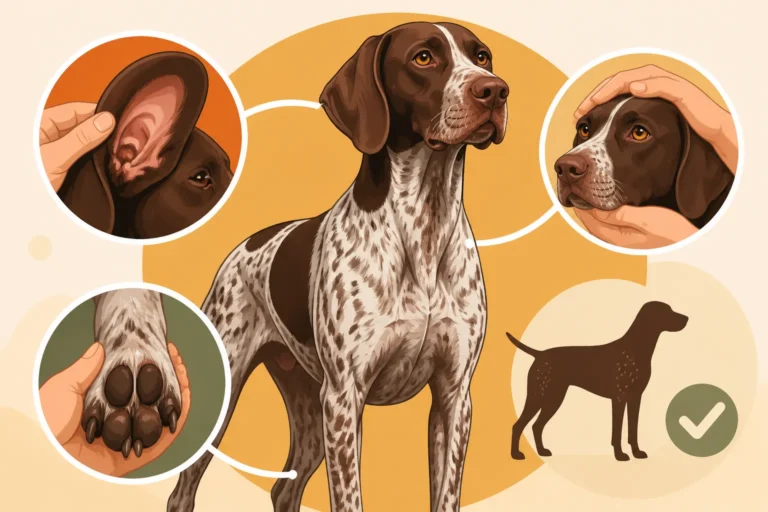
Ultimately, the tape measure and the scale can only tell you so much. The most reliable way to assess if your Shorthair is getting the right amount of food is by regularly evaluating their body condition. You should be able to easily feel their ribs, but not see them prominently. There should be a noticeable tuck-up at their waist when viewed from the side, and an hourglass shape when viewed from above. Their backbone should be palpable, but not sharply protruding. A dog that is too thin will show ribs, hips, and spine clearly, indicating they need more calories. A dog that is too heavy will have fat covering their ribs, no waist tuck, and difficulty jumping or moving. Regularly putting your hands on your dog, feeling their body, and visually assessing their shape is crucial. This is why The Body Condition a Field Shorthair Should Carry is often lean and hard, reflecting their athletic build. Don't be afraid to adjust their daily ration up or down by 10-20% based on your observations, especially as their activity levels change throughout the year.
Choosing the Best Food Type for a High-Performance Shorthair
The market for dog food is absolutely flooded with choices, and trying to pick the "best" one for your high-octane German Shorthaired Pointer can feel like navigating a maze. From traditional kibble to trendy raw diets, each option comes with its own set of pros, cons, and passionate advocates. For a working Shorthair, your decision isn't just about nutrition; it's about optimizing their stamina, recovery, and overall health for peak performance.
High-Quality Kibble: Convenience Meets Performance
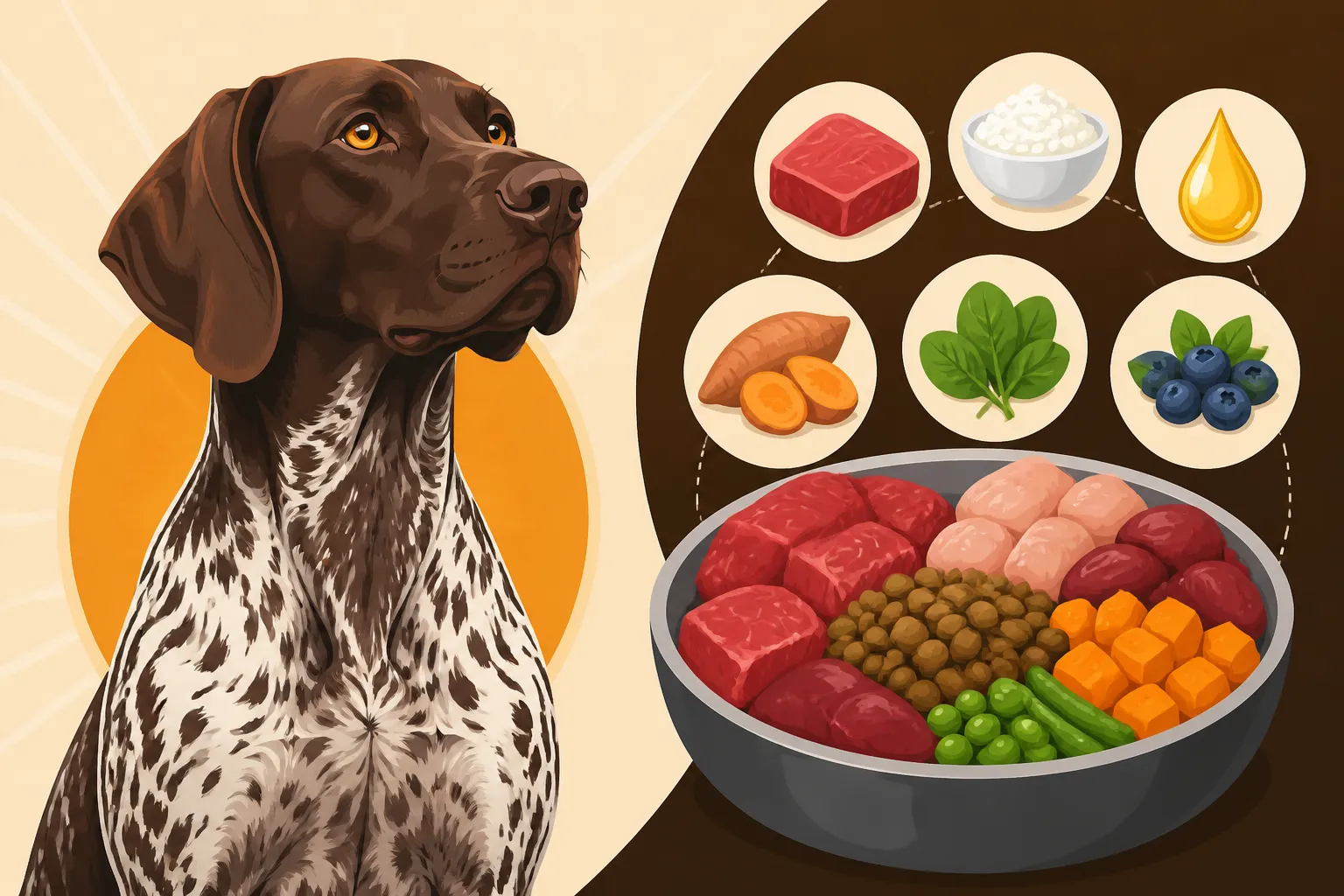
For many working German Shorthaired Pointer owners, a high-quality dry kibble designed for "active" or "performance" dogs is the most practical and effective choice. These formulas are specifically engineered with higher protein and fat percentages—often around 30% protein and 20-25% fat—to meet the intense caloric and nutritional demands of dogs that burn through energy at an incredible rate. Look for formulas that list a named meat source (like "chicken meal" or "beef") as the first ingredient, indicating a good quality protein. They're typically balanced with essential vitamins and minerals, meaning you don't have to worry about nutrient deficiencies.
The biggest advantages of kibble are convenience and cost-effectiveness. It's easy to store, measure, and transport, which is a huge plus when you're traveling to a hunt or a training session. You can buy large bags from retailers like Chewy or your local feed store, ensuring you always have a steady supply. For a working dog owner with a busy schedule, being able to quickly scoop and serve a complete meal is invaluable. While you still need to adjust the quantity based on activity, the foundation of nutrition is already there, Protein and Fat Ratios for a Hunting German Shorthaired Pointer being key considerations.
Raw and Fresh Food Diets: Diving into the Debate
In recent years, raw (BARF – Biologically Appropriate Raw Food) and fresh food diets, like those offered by services such as Ollie, have gained popularity among owners seeking what they believe is a more "natural" approach to canine nutrition. These diets often consist of raw meat, bones, organs, and sometimes fruits and vegetables. The proponents argue that raw food is easier to digest, leads to better coat health, improved dental hygiene, and higher energy levels. For a working German Shorthaired Pointer, the idea of feeding a diet that mirrors what their wild ancestors might have eaten can be appealing.
However, these diets require significant research and commitment to ensure they are nutritionally complete and safe. Improperly balanced raw diets can lead to nutrient deficiencies or excesses, which can be detrimental to a working dog's health and performance. There are also concerns about bacterial contamination (like Salmonella or E. coli), which poses risks to both the dog and humans in the household, especially when handled in a hunting camp environment. Fresh food diets, which are gently cooked, offer a middle ground, providing less processing than kibble while often being more rigorously balanced than homemade raw diets. While potentially beneficial for some dogs, the logistics and cost of consistently providing a balanced raw or fresh food diet for a large, active German Shorthaired Pointer can be substantial, and careful consideration is needed.
Grain-Inclusive vs. Grain-Free: What Science Says
The "grain-free" trend exploded some years ago, fueled by marketing claims that grains were unnecessary fillers or allergens for dogs. Many working dog owners jumped on board, thinking it was healthier. However, recent scientific findings, particularly those linking some grain-free diets to Dilated Cardiomyopathy (DCM) in certain breeds, have caused significant concern. While the exact mechanism is still being studied, it's believed to be related to the high inclusion of legumes (like peas, lentils, and potatoes) replacing grains in these formulas, potentially affecting taurine absorption.
For a healthy German Shorthaired Pointer, grains like rice, barley, and oats are not only easily digestible but also provide valuable complex carbohydrates, which are a crucial energy source for sustained activity. Unless your dog has a medically diagnosed grain allergy—which is quite rare—there is generally no benefit to feeding a grain-free diet, and there may even be risks. When selecting food for your working Shorthair, prioritize high-quality protein and fat sources and ensure it's a nutritionally complete and balanced diet, whether it contains grains or not. Always consult your veterinarian before making significant dietary changes, especially for an active sporting dog.
Feeding Strategies for Peak Performance and Recovery
Fueling a working German Shorthaired Pointer isn't just about what you feed, but when and how you feed them. Strategic meal timing can make a huge difference in their stamina, focus, and ability to recover after a demanding day in the field. Ignoring these aspects can lead to a dog that's gassed halfway through the morning or struggles to bounce back for the next hunt.
Pre-Hunt Fueling: What and When to Feed
Getting the pre-hunt meal right is critical for sustained energy. You don't want to feed too close to working, as this can lead to discomfort, indigestion, or even life-threatening conditions like bloat, which Shorthairs are unfortunately predisposed to. The general recommendation is to feed a smaller, easily digestible meal 3-4 hours before heading out. This allows for proper digestion and nutrient absorption without having a full stomach while running hard.
What should that meal consist of? A portion of their regular high-quality performance kibble is usually sufficient. Some owners opt to slightly reduce the amount or mix in a small amount of warm water or low-sodium broth to aid digestion and hydration. The goal isn't to fully "fill them up" right before work, but to top off their energy stores and ensure they aren't working on an empty stomach. A half or quarter of their normal meal, perhaps softened, works well. For more on this, consider reading Whether to Feed a Shorthair Before a Morning Hunt.
Mid-Day Maintenance: Sustaining Energy in the Field
On long hunting days, particularly those stretching into the afternoon, your German Shorthaired Pointer will deplete their glycogen stores and need a quick energy boost. This isn't a full meal, but rather a strategic snack. High-energy treats or small amounts of easily digestible, calorie-dense food can be offered during short breaks. Think about bringing along small pieces of dried meat, cheese, or even specific performance bars designed for working dogs. These quick snacks provide readily available energy to keep them going without weighing them down.
Equally, if not more, important is hydration. A working Shorthair can quickly become dehydrated, especially in warmer weather or during intense retrieves. Always carry plenty of fresh water and offer it frequently during breaks. Dehydration can severely impact performance and lead to serious health issues. Consider bringing a collapsible bowl and a thermos of water on your hunts. You might also look into electrolyte supplements to add to their water, which can help replenish vital minerals lost through sweat and exertion.
Post-Hunt Recovery: Replenishing Glycogen and Repairing Muscle
The post-hunt meal is vital for recovery and muscle repair. After hours of intense work, your German Shorthaired Pointer's glycogen stores will be depleted, and their muscles will need protein to rebuild. The ideal time for this meal is within an hour or two of finishing work, once they've had a chance to cool down and relax a bit. Avoid feeding a hot, panting dog immediately after exertion. Let them settle, drink some water, and then offer their main meal.
This meal should be their largest of the day, packed with the high-quality protein and complex carbohydrates found in a good performance kibble. Some owners like to add a dollop of plain yogurt or a spoonful of canned pumpkin for digestive health, or perhaps a raw egg for an extra boost of protein and fat. The aim is to help them replenish quickly so they are ready for the next day's adventures. Neglecting proper recovery feeding can lead to fatigue, poor performance, and even increased risk of injury. For deeper insight, Feeding a German Shorthaired Pointer After a Hunt Instead of Before offers more details on this critical timing.
Supplements and Hydration: Beyond the Bowl
While a high-quality diet forms the foundation, active German Shorthaired Pointers often benefit from targeted supplements and meticulous hydration strategies. Their demanding lifestyle puts extra strain on their bodies, and providing extra support in key areas can help maintain their health, extend their working life, and prevent common issues. It's not about making up for a poor diet, but enhancing an already good one.
Joint Support and Omega Fatty Acids: Essential for Longevity
The relentless pounding their joints endure from running, jumping, and crashing through cover can take a toll on a Shorthair's musculoskeletal system. Proactive joint support can be incredibly beneficial. Supplements containing glucosamine, chondroitin, and MSM are popular choices for supporting cartilage health and reducing inflammation. Starting these early, even before signs of stiffness appear, can help preserve joint function over the long term. Many reputable brands offer these, often found readily on platforms like Amazon or Chewy.
Omega-3 fatty acids, particularly EPA and DHA found in fish oil, are another powerhouse supplement. They are potent anti-inflammatories, crucial for joint health, skin and coat quality, and even cognitive function. For a working dog, reducing systemic inflammation aids in faster recovery from exercise and can alleviate stiffness. Just be sure to choose a high-quality, third-party tested fish oil to ensure purity and potency. These fatty acids are essential for maintaining the overall vitality of your hunting companion. Joint Supplements Worth Giving a Working Shorthair can be a game-changer for their active life.
Electrolytes and Water: Preventing Dehydration
We touched on hydration earlier, but it deserves its own spotlight for working Shorthairs. These dogs can lose significant amounts of water and essential minerals (electrolytes) through panting and exertion. Simply providing plain water is good, but in sustained hot weather or during prolonged, intense work, adding electrolytes can be a game-changer. Electrolyte supplements, often available as powders to mix into water, help to replenish sodium, potassium, and other minerals, which are critical for nerve function, muscle contraction, and maintaining proper fluid balance.
You can offer electrolyte-enhanced water during breaks or immediately after a hunt. It's important not to force large quantities on a dog that's still panting heavily, but rather offer smaller, frequent amounts. Always make sure plain water is also available as an option. Knowing Electrolytes for a German Shorthaired Pointer in the Field can quite literally save their life, preventing heat exhaustion and maintaining peak performance.
Probiotics and Digestive Aids: Keeping the Gut Happy
A working dog's digestive system is under immense stress. Changes in routine, different water sources, stress from travel or high-pressure situations, and even intense physical exertion can disrupt their gut microbiome, leading to loose stools, poor nutrient absorption, or a weakened immune system. Probiotics introduce beneficial bacteria to the gut, helping to maintain a healthy balance, improve digestion, and bolster immune function.
Consider adding a high-quality probiotic supplement to your Shorthair's daily routine, especially during periods of stress, travel, or intense work. Digestive enzymes can also be helpful, particularly for dogs that struggle to fully digest their food, aiding in the breakdown of proteins, fats, and carbohydrates. A healthy gut means better nutrient absorption, which directly translates to more energy and better recovery for your hard-working companion.
Common Feeding Mistakes and How to Avoid Them
Even with the best intentions, it's easy to fall into common feeding traps with a breed as unique and demanding as the German Shorthaired Pointer. These mistakes, if not corrected, can undermine their health, performance, and overall well-being. Recognizing them is the first step toward building a truly effective feeding regimen.
Underfeeding or Overfeeding: The Balance Act
This is arguably the most common and impactful mistake. Underfeeding a working German Shorthaired Pointer leads to a dog that lacks stamina, becomes visibly thin, struggles with muscle wasting, and can be more susceptible to illness or injury. They simply don't have the fuel to perform. Imagine trying to run a race on an empty tank. Conversely, overfeeding, especially during the off-season when activity levels drop, leads to an overweight Shorthair. An overweight dog, even by a few pounds, puts undue stress on their joints, compromises their cardiovascular system, and significantly reduces their agility and stamina in the field. This can also lead to issues like Arthritis in a German Shorthaired Pointer at Eight.
The key here is constant vigilance and adjustment. As mentioned earlier, regularly assess your dog's body condition. If you notice ribs becoming too prominent or feel too much padding over them, adjust their food intake. Don't rely solely on the measuring cup; rely on your eyes and hands. What works one month might need adjusting the next, depending on weather, training intensity, and even seasonal stresses. Maintaining The Forty Five to Sixty Pounds a Female Shorthair Carries or the slightly heavier range for males requires diligent monitoring.
Sudden Diet Changes: Upsetting a Sensitive System
German Shorthaired Pointers, like many breeds, can have sensitive digestive systems. Suddenly switching their food—whether it's changing brands, protein sources, or even just going from a performance formula to an off-season maintenance one—can lead to gastrointestinal upset. We're talking diarrhea, vomiting, and a very unhappy dog (and owner!). This is particularly problematic for a working dog, as digestive issues mean lost training days and discomfort.
When you need to change your Shorthair's food, do it gradually over 7-10 days. Start by mixing 75% old food with 25% new food for a few days. Then, go to 50/50 for a few more days, then 25% old and 75% new, until you're fully on the new food. This slow transition allows their digestive system to adapt to the new ingredients and nutrient profile. Even when switching performance foods from brands like Purina Pro Plan to another, a gradual change is best. Your dog's gut health is paramount for their overall well-being and performance.
Ignoring the Environment and Stressors
It’s easy to focus solely on the food itself, but a working Shorthair's environment and stress levels play a huge role in their nutritional needs. Hunting in cold weather, for instance, dramatically increases caloric demands as their body burns extra energy to stay warm. Conversely, extreme heat can suppress appetite, even though energy is still being expended. Travel, new environments, and competition stress can also impact digestion and appetite. A dog that is anxious or stressed might not eat as much, or might develop loose stools even on their regular diet.
Always consider these external factors. In very cold conditions, you might need to increase their fat intake or offer an additional small meal. In hot weather, focus on hydration and perhaps offer meals at cooler times of the day. For dogs prone to stress, ensuring a consistent feeding routine and providing a quiet, comfortable eating space can help. Being attuned to these subtle cues and making appropriate adjustments demonstrates true care and understanding of your German Shorthaired Pointer's holistic needs.
A Balanced Approach to Your Shorthair's Nutrition
Feeding a working German Shorthaired Pointer is a journey, not a destination. Their needs will evolve with age, activity level, and the seasons. It demands an attentive eye, a willingness to adjust, and a commitment to providing the best possible fuel for their boundless energy and incredible drive. By understanding their unique caloric demands, choosing high-quality food, implementing smart feeding strategies, and supplementing thoughtfully, you're not just filling a bowl—you're optimizing their health, performance, and the joy you share in the field.
| Activity Level | Description | Estimated Daily Calorie Needs (kcal/kg BW^0.75) | Estimated Daily Calories (for 60lb GSP) | Typical Cups of Performance Kibble (approx.) |
|---|---|---|---|---|
| Sedentary/Off-Season | Minimal activity, short walks, indoor lounging, recovering from injury. | 95 – 110 | 1060 – 1230 | 2.5 – 3 cups |
| Light Activity | Daily walks, moderate play, light training sessions. | 110 – 130 | 1230 – 1450 | 3 – 3.5 cups |
| Moderate Activity | Regular, sustained exercise (e.g., daily runs, weekly bird training, active pet). | 130 – 160 | 1450 – 1790 | 3.5 – 4.5 cups |
| Heavy Activity | Regular, intense training, multiple hours of field work, active hunting several days a week. | 160 – 200 | 1790 – 2240 | 4.5 – 5.5 cups |
| Extreme Activity | Marathon hunting days, competitive field trials, prolonged cold weather exertion, pregnant/lactating. | 200 – 250+ | 2240 – 2800+ | 5.5 – 7+ cups |
Note: Body weight in kg^0.75 is a metabolic body weight. A 60lb (27.2kg) GSP has a BW^0.75 of approximately 11.2. Kibble cup estimates are based on an average performance kibble of ~400-450 kcal/cup. Always refer to your specific food's caloric content and adjust based on your dog's individual needs and body condition.
Disclaimer
This article is for general informational purposes only and does not constitute professional advice. Laws, prices and regulations vary by location and change over time. Consult a qualified professional for guidance on your specific situation.